
Attic Fans and Appliance Motors: The Small Motors That Overheat
There's a particular kind of unease that comes from noticing something is off with an appliance you rely on every day and not being able to say exactly why. Maybe the attic fan has been making a new sound for a few weeks. Maybe the refrigerator hums louder than it used to, or the bathroom exhaust fan gets warm to the touch. It's easy to talk yourself out of it: it's old, it's always been a little loud, it's probably nothing. That instinct to explain it away is normal. It's also worth sitting with the fact that small motors fail in patterns, and those patterns are usually visible before anything catches fire.
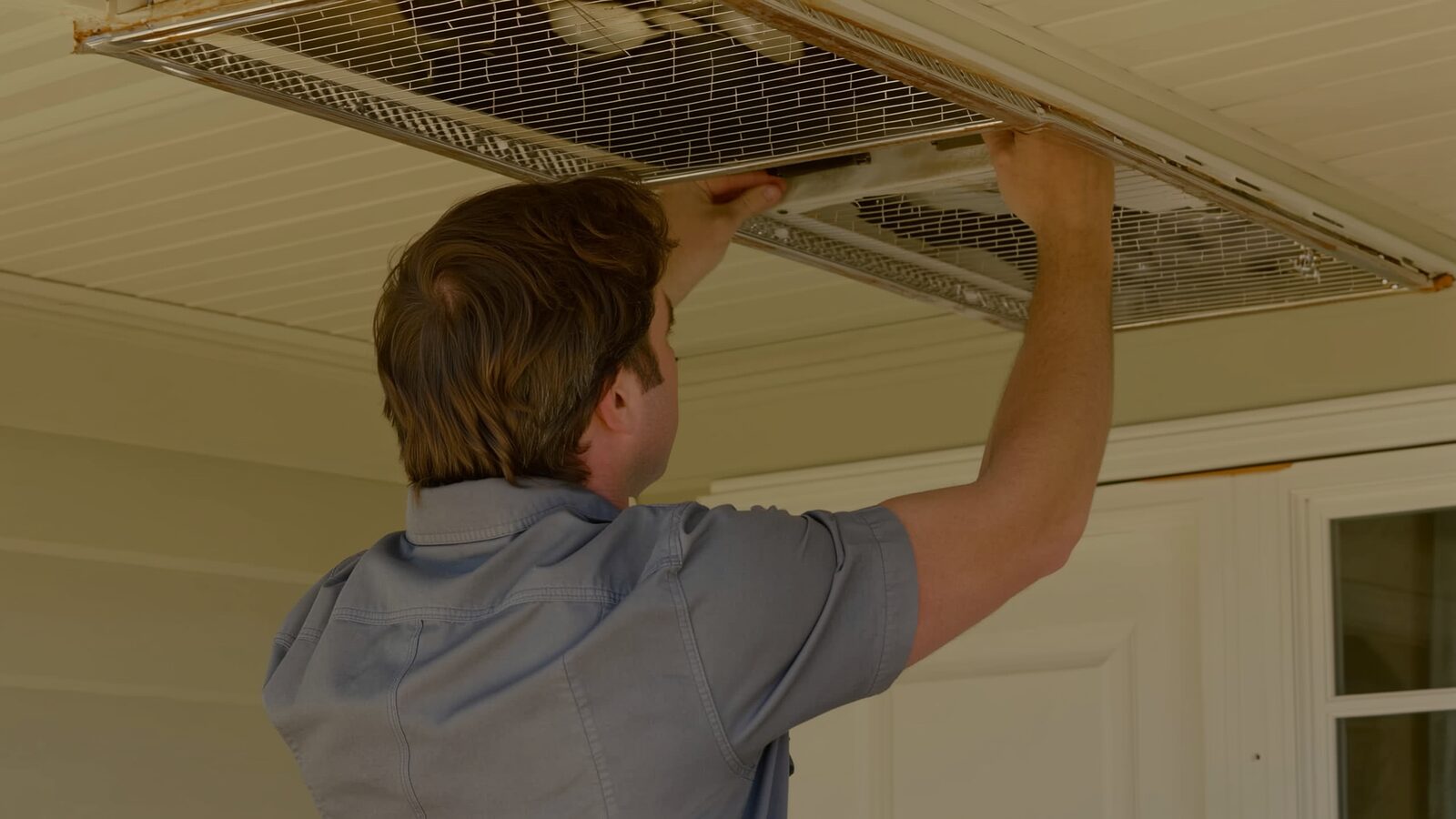
Attic Fans and Appliance Motors: The Small Motors That Overheat
Why these small motors are a bigger risk than people expect
Attic fans, bathroom exhaust fans, refrigerator compressors, furnace blowers, and pool pump motors share a common vulnerability: they run for long stretches, often unattended, in spaces nobody checks regularly. An attic fan in a Phoenix summer can be moving air through a space that regularly hits well over 120 degrees. That heat is already stressing the motor's windings and bearings before the unit does any work at all. When a bearing starts to go or a capacitor weakens, the motor has to work harder to do the same job, which raises its internal temperature further. That cycle, more heat, more strain, more heat, is how a small, contained motor failure turns into a source of ignition.
The warning signs before a failure becomes a fire
Most motor fires do not happen without warning. The signs are just easy to dismiss because they build slowly. A motor that used to run quietly and now cycles on and off more frequently is telling you its thermal overload protection is tripping, a bearing is failing, or something is causing the motor to overheat. A burning or hot-plastic smell near an attic hatch, a bathroom vent, or behind a refrigerator is not a smell to wait out. Discoloration or a slight melted look around a vent cover or motor housing means heat has already exceeded what the plastic was rated for. A breaker that trips only when that one appliance runs is the panel doing its job and telling you the circuit is drawing more than it should.
Sound changes
Grinding, humming that wasn't there before, or a motor that used to run continuously and now cycles frequently.
Smell
Any hot electrical or melted-plastic odor near a vent, attic access, or appliance housing should be treated as urgent, not ambient.
Heat where there shouldn't be any
A vent cover, exterior fan housing, or appliance back panel that's warm or hot to the touch during normal operation.
Nuisance breaker trips
A circuit that only trips when a specific fan or appliance runs usually points to that motor drawing excess current.
What actually causes these motors to overheat
A few mechanical realities sit behind most of these failures. Dust and debris buildup on motor housings and blades acts as insulation, trapping heat that would normally dissipate. Bearings that lose lubrication over years of use create friction, and friction is heat. Capacitors in fan and compressor motors degrade with age and heat cycling, which forces the motor to draw more current to start and run, straining the windings. And in attic environments specifically, extreme ambient heat means the motor is already operating near its thermal limit before any of those other factors come into play. None of this is unique to any one appliance brand or age; it's simply how small electric motors behave under sustained thermal and mechanical stress.
If a motor fire has already happened
A fire that starts in an attic fan or appliance motor often stays contained to a small area, but smoke and heat travel through attic spaces, wall cavities, and HVAC ductwork far beyond where the fire itself burned. Soot residue is acidic and can continue damaging surfaces, metal fixtures, and electronics for days if it isn't addressed. If you've had a motor-related fire, even a small one that seemed to burn itself out, it's worth having the surrounding structure and ductwork evaluated rather than assuming the damage stopped where the flames did. You can read more about how that assessment and cleanup process works on our fire damage restoration page.
Questions people ask us
Can an attic fan really cause a house fire?
Yes. Attic fan motors run for long periods in one of the hottest parts of a house, and a failing bearing or capacitor can push the motor past its thermal limits, especially if dust buildup is trapping heat around the housing.
How often should I check my attic fan or exhaust fan motors?
A quick visual and listening check a couple of times a year, especially before summer, can catch dust buildup, unusual sounds, or discoloration before they become a bigger problem.
My refrigerator compressor is louder than usual. Is that urgent?
A change in sound is worth paying attention to. It doesn't always mean immediate danger, but it usually means something inside the motor has changed, like bearing wear or a failing capacitor, and it's worth having it looked at rather than waiting for it to get worse.
Does a small motor fire cause damage beyond where it burned?
Often, yes. Smoke and soot can travel through attic spaces and ductwork well beyond the fire's origin, and soot residue can keep affecting surfaces and materials if it isn't cleaned properly and promptly.
The standard our team works to
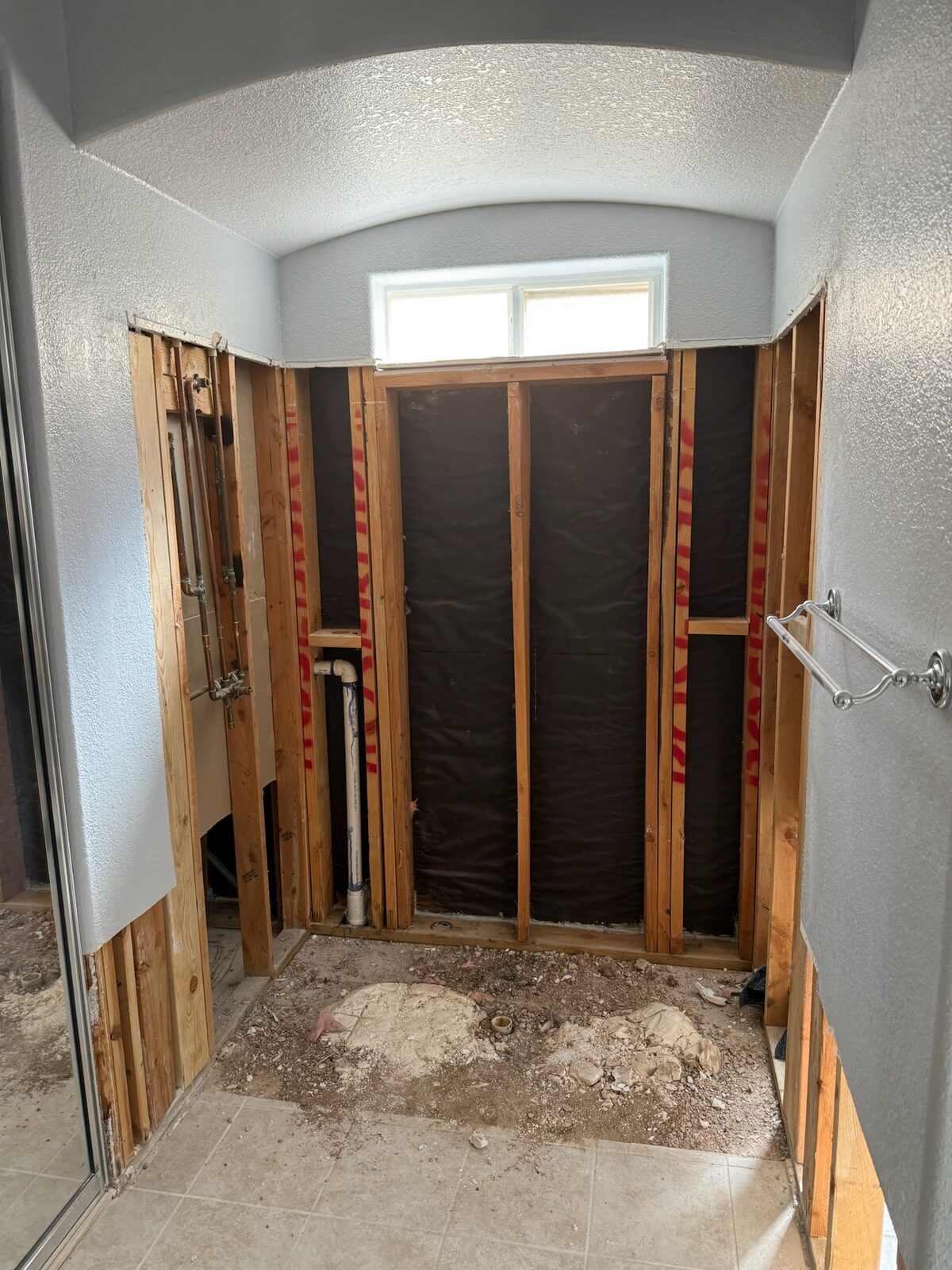
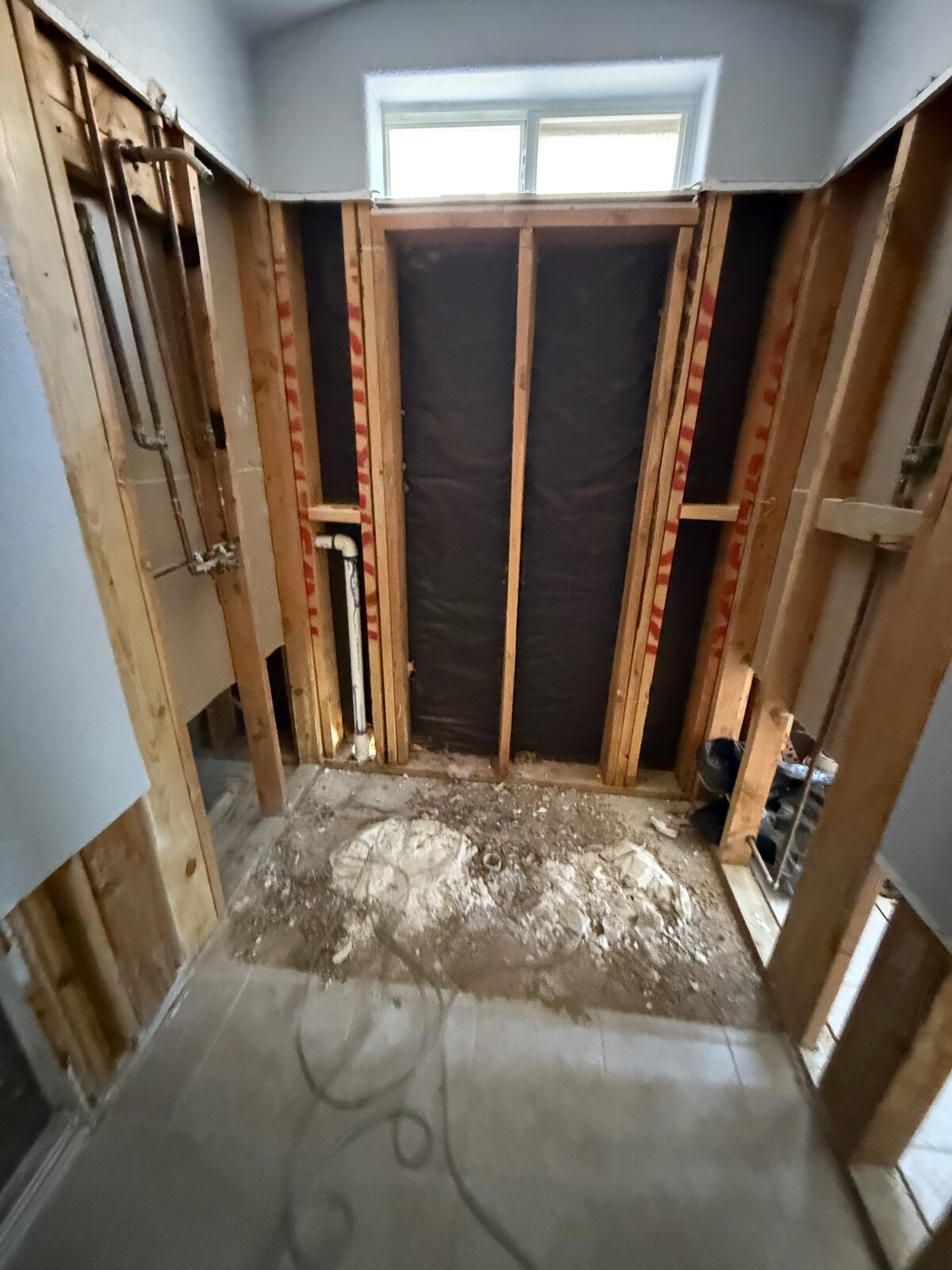
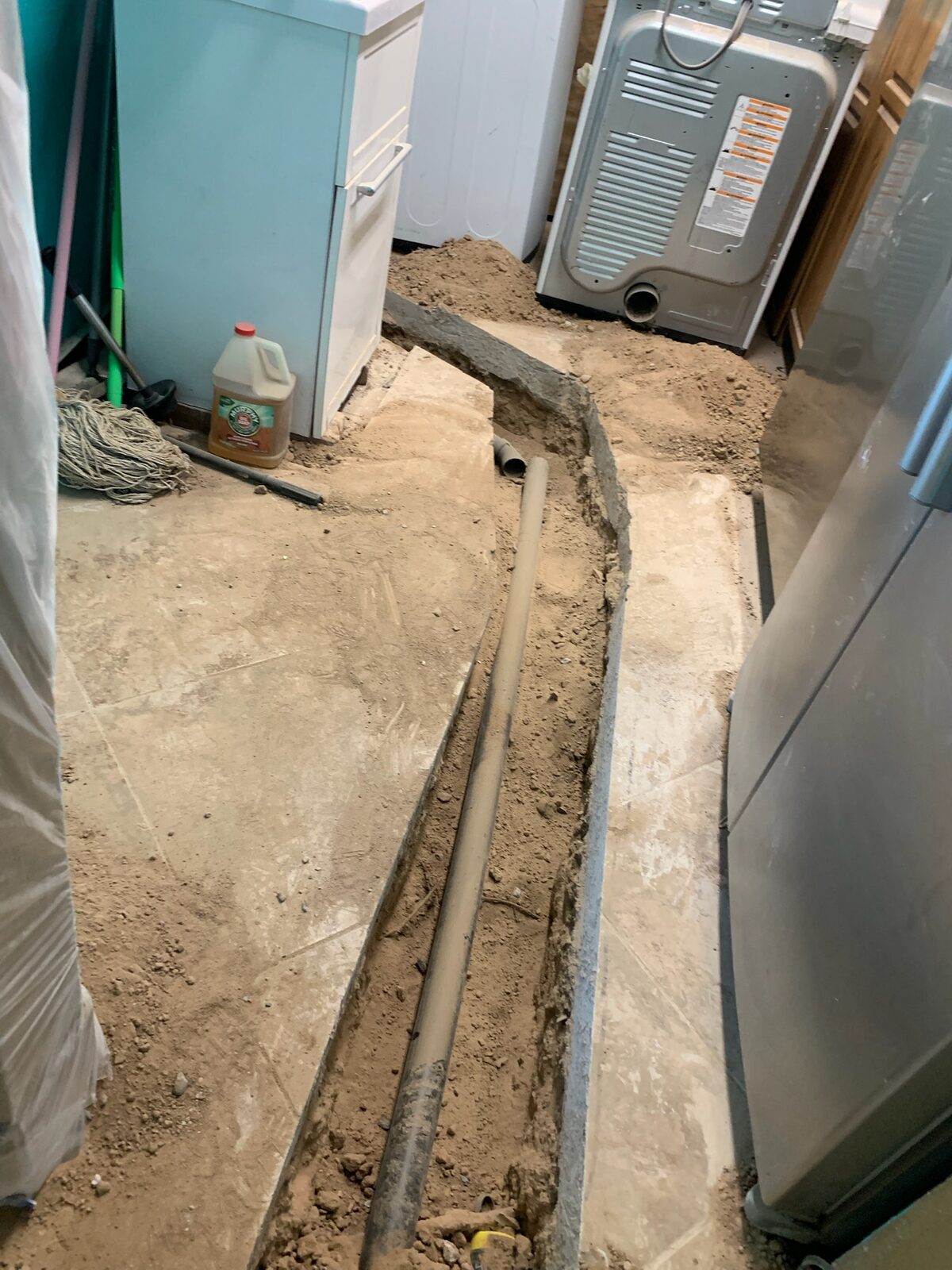
Residential reconstruction work by members of our team. See the full gallery →
More from Gold Water Fire
Abrasive Cleaning Methods for Soot on Framing and Masonry
A look at how abrasive cleaning methods remove soot from wood framing and masonry after a fire, and when each method fits the material.
AC Condensate Line Clogs & the Water Damage They Cause in Phoenix Homes
Why Phoenix AC condensate lines clog every summer, what the water damage looks like, and how to find the source before the ceiling stain spreads again.
Actual Cash Value vs Replacement Cost: Why Your Check Might Not Match the Repair Bill
Confused why your insurance check seems short after fire or water damage? Learn the difference between actual cash value and replacement cost coverage.
Noticed signs of overheating or already had a fire?
If you're seeing these warning signs or dealing with damage from a motor-related fire, Gold Water Fire can walk through what's happening and what it would take to address it. Reach us at (480) 999-3339 or Help@goldwaterfire.com.
Call (480) 999-3339Fire Damage Restoration · Contact Gold Water Fire · About Gold Water Fire