
Why Smoke-Contaminated Insulation Gets Replaced, Not Cleaned
If a fire happened somewhere in your home, even a small one, and now you're being told the insulation in your attic or walls has to come out entirely, it can feel like an overreaction. The fire was contained. The flames didn't even reach that room. So why does everyone keep saying the insulation can't be saved? It's a fair question, and it's one that deserves a real answer instead of just being told to trust the process.
Why Smoke-Contaminated Insulation Gets Replaced, Not Cleaned
Insulation is built to trap things, including smoke
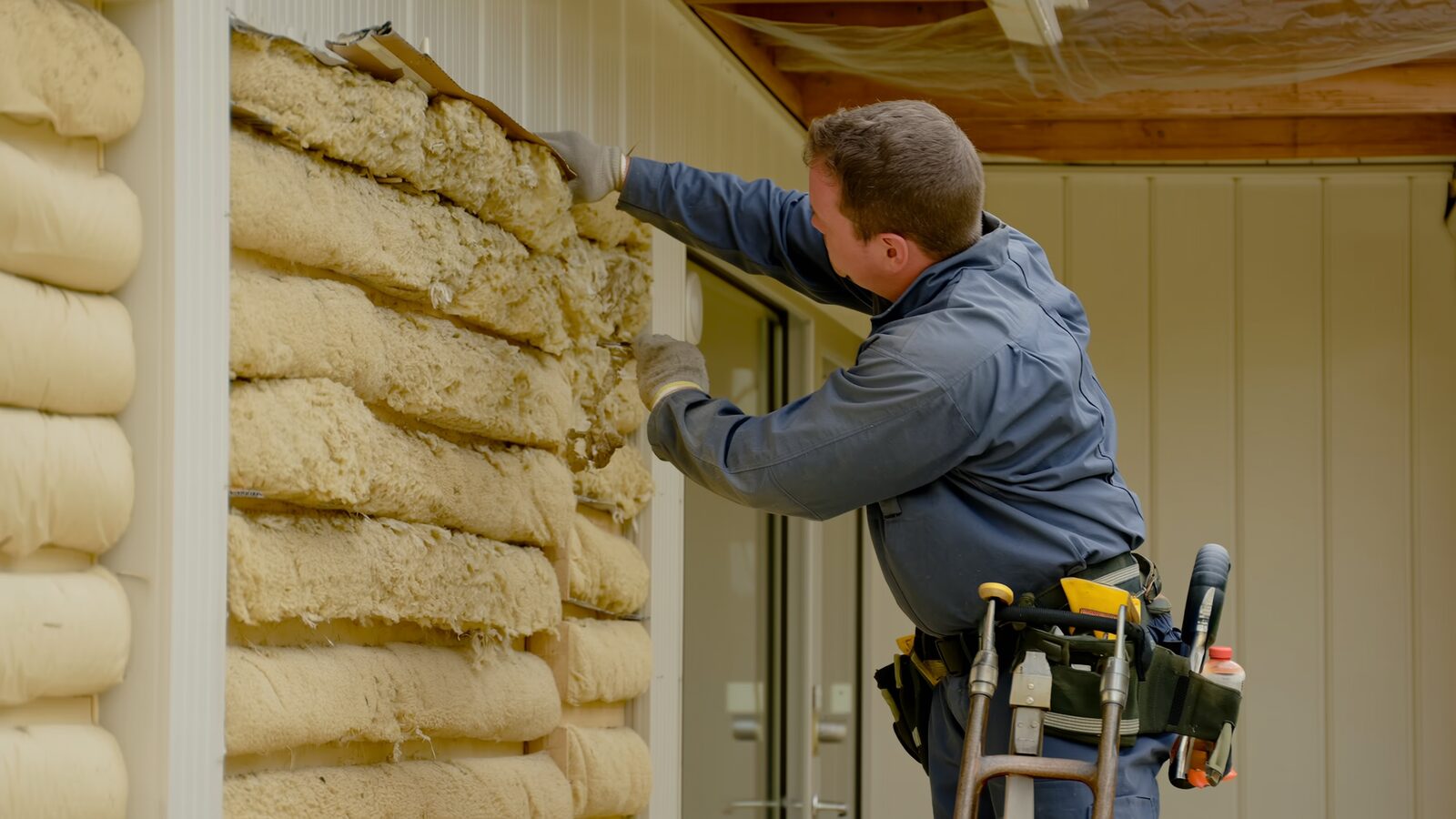
Fiberglass batts, blown-in cellulose, and foam insulation all do the same basic job: they trap air to slow heat transfer. That trapping ability is exactly what makes them so hard to clean once smoke gets into them. Smoke isn't a surface residue that sits on top of a material and wipes away. It's made up of extremely fine particles, gases, and oils that travel on air currents and settle deep into whatever they touch. Insulation, with its dense web of fibers and air pockets, is one of the most absorbent materials in a house. Once smoke works its way in, it doesn't stay on the surface. It becomes part of the material.
Why cleaning doesn't reach the problem
Cleaning a hard surface like a countertop or a painted wall works because the residue is sitting on top of something nonporous. You can wipe it, wash it, or seal it. Insulation doesn't have a sealed surface. Fiberglass is made of thousands of thin glass fibers with air moving freely between them. Cellulose insulation is made of shredded paper fibers, which are even more absorbent. There is no way to physically wipe down the inside of a material that's designed to have air pass through it. Any cleaning attempt only reaches the outer layer, while the smoke that penetrated further in stays exactly where it settled.
The odor problem is separate from the visible soot
Even when soot staining is minor or invisible to the eye, smoke odor can be intense and long-lasting. That's because the odor comes from volatile compounds released during combustion, not just from visible soot particles. Those compounds bind chemically to porous materials. Insulation that looks untouched can still be holding onto enough of that odor to make a room smell like a fire happened long after cleanup is finished elsewhere in the house. Odor that keeps returning after other surfaces have been cleaned is one of the most common signs that contaminated insulation is still in place.
What actually happens during smoke contamination
During a fire, especially one involving synthetic materials like furniture foam, carpet, or plastics, the smoke produced carries acidic and oily residues. These residues settle on and inside anything porous nearby, including insulation in attics, wall cavities, and around ductwork. Heat from the fire can also change airflow patterns in a structure, pulling smoke into spaces that seem far removed from where the fire actually burned. That's why insulation in a room that never saw flames can still end up contaminated: smoke moves through a structure in ways that don't match where the fire itself traveled.
Why replacement is the standard response
Because smoke settles into the fiber structure of insulation rather than sitting on its surface, and because the odor-causing compounds bond to that structure, removal and replacement is the standard response in the restoration industry rather than attempted cleaning. This isn't about being overly cautious. It reflects how these materials are built and how smoke actually behaves once it's airborne inside a structure. Removing the contaminated insulation and replacing it with new material is what actually resolves both the visible contamination and the odor, rather than masking either one temporarily.
How to tell if insulation needs a closer look
Signs worth paying attention to include a persistent smoky smell in a room even after other cleaning is done, visible discoloration around attic access points or vents, or a fire that occurred anywhere in the structure, even a different room or floor. If you're evaluating whether fire damage restoration work is needed in your home, insulation in the affected areas and any adjoining spaces is worth having checked directly rather than assumed to be fine just because it's out of sight.
Questions people ask us
Can smoke-damaged insulation just be deodorized instead of replaced?
Deodorizing treatments work on surfaces and open air, but they don't reach residue that has settled deep inside insulation fibers. Because the odor-causing compounds are bonded within the material itself, deodorizing tends to mask the smell temporarily rather than resolve it, and the odor often returns.
Does insulation need to be replaced even if the fire was in another room?
It can. Smoke travels through attics, wall cavities, and HVAC pathways in ways that don't always match where the fire itself occurred. Insulation in rooms that never saw flames can still absorb enough smoke to require removal, especially if odor is present.
How do I know if my insulation is contaminated if I can't see it?
A lingering smoky smell after other cleanup is finished, discoloration near vents or attic access points, and the general location of the fire relative to attic or wall cavities are the main indicators. A direct inspection of the insulation itself is the only way to know for certain.
Is all insulation equally affected by smoke?
Fiberglass, cellulose, and foam insulation all absorb smoke because they're porous by design, though the degree can vary. Cellulose, made from shredded paper fibers, tends to be especially absorbent. None of these materials can be reliably cleaned once smoke has settled into their structure.
The standard our team works to
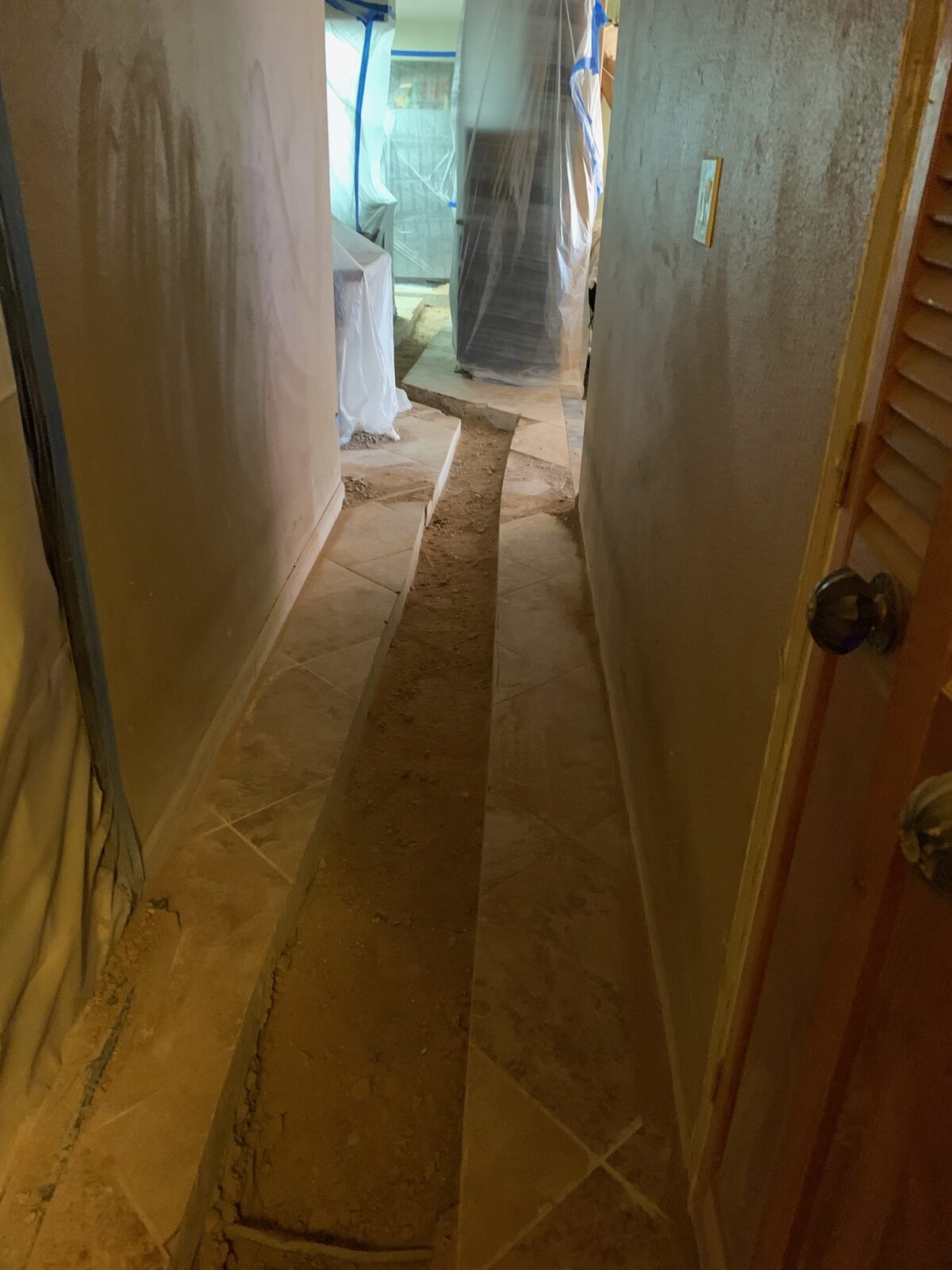
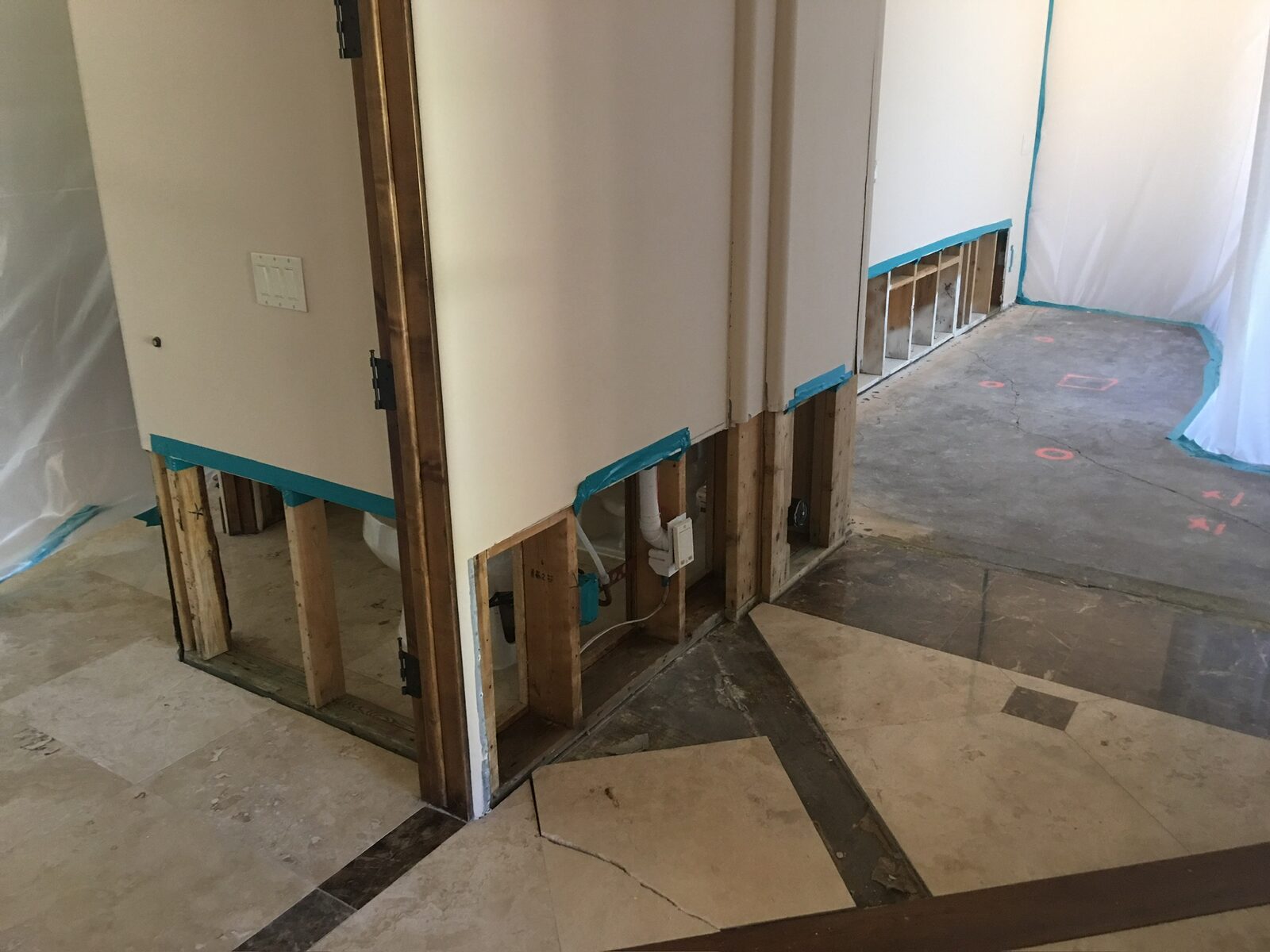
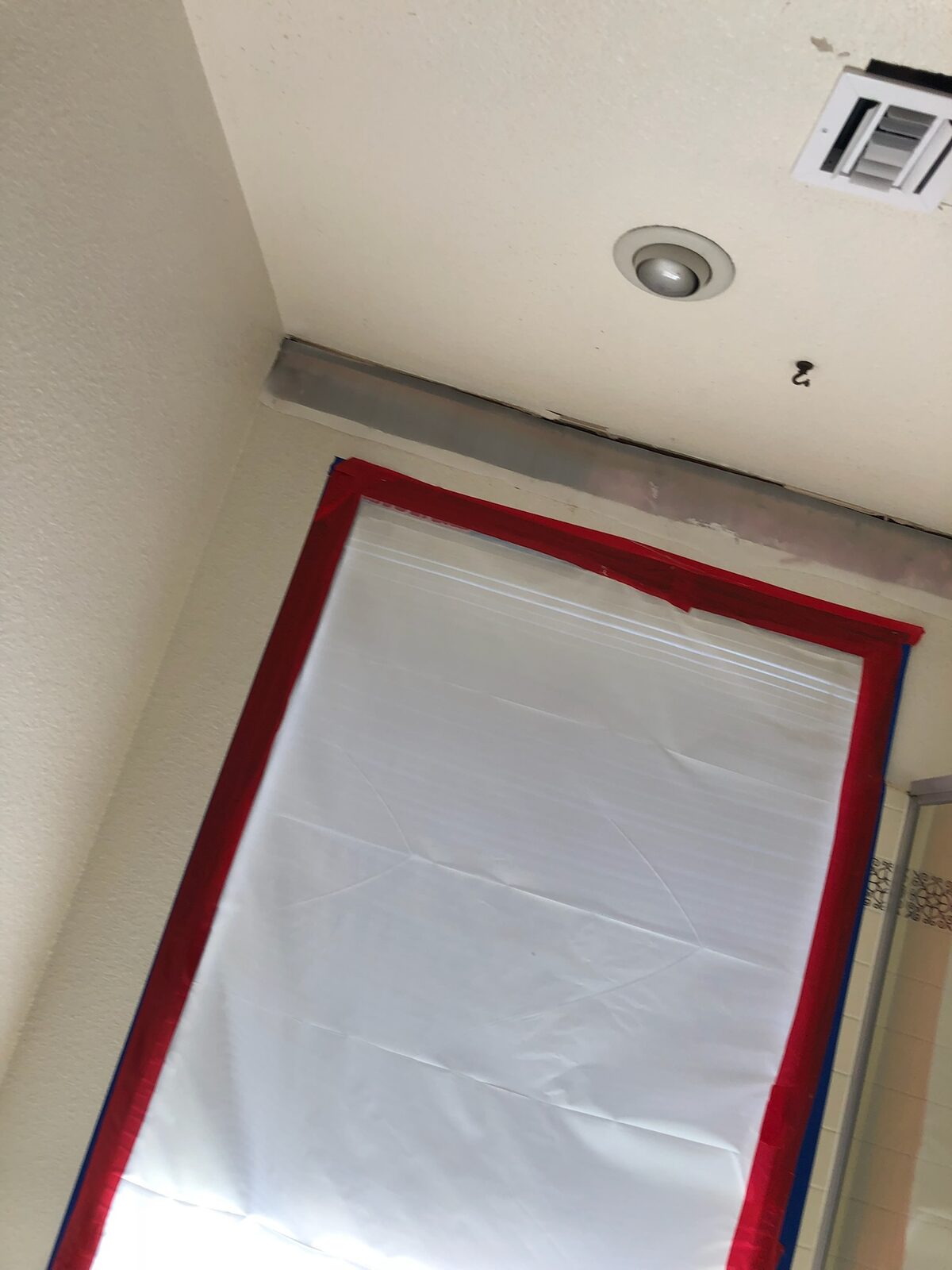
Residential reconstruction work by members of our team. See the full gallery →
More from Gold Water Fire
Abrasive Cleaning Methods for Soot on Framing and Masonry
A look at how abrasive cleaning methods remove soot from wood framing and masonry after a fire, and when each method fits the material.
AC Condensate Line Clogs & the Water Damage They Cause in Phoenix Homes
Why Phoenix AC condensate lines clog every summer, what the water damage looks like, and how to find the source before the ceiling stain spreads again.
Actual Cash Value vs Replacement Cost: Why Your Check Might Not Match the Repair Bill
Confused why your insurance check seems short after fire or water damage? Learn the difference between actual cash value and replacement cost coverage.
Not sure what's behind the smell?
If you're dealing with lingering smoke odor or fire damage anywhere in your home, Gold Water Fire can take a direct look at what's affected. Reach us at (480) 999-3339 or Help@goldwaterfire.com, or visit our <a href="/contact.html">contact page</a> to get started.
Call (480) 999-3339Fire Damage Restoration · Reconstruction & Rebuild · Contact Us · About Gold Water Fire