
Fireworks and Ember Ignition Around Homes: Roofs, Yards, and Gutters
You watched the fireworks land closer than you expected, or you smelled smoke from a neighbor's backyard show, and now you can't stop thinking about it. Maybe you went out afterward with a flashlight and checked the roofline, or you keep glancing at the gutters wondering if something is smoldering up there where you can't see it. That unsettled feeling, the one that makes you want to double check things that probably seem fine to everyone else, makes complete sense. Ember damage doesn't always show itself right away, and not knowing is its own kind of stress.
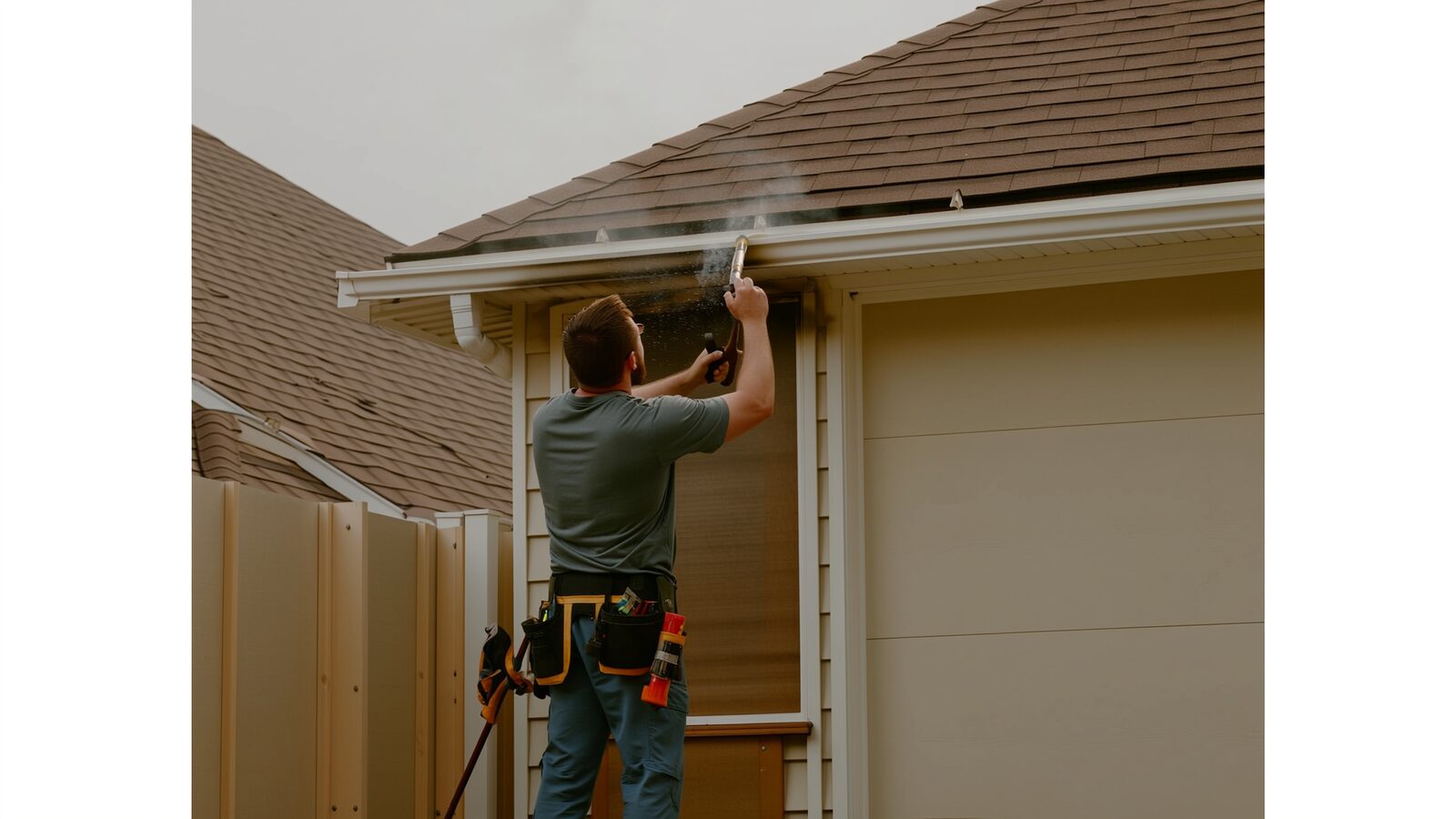
Fireworks and Ember Ignition Around Homes: Roofs, Yards, and Gutters
Why embers are more dangerous than the flash you saw
A firework or ember doesn't need a direct flame to start a problem. A single hot fragment landing in dry leaf litter, pine needles, or dust built up in a gutter can smolder quietly for a long time before anyone notices smoke or a scorch mark. In the dry Phoenix heat, yard debris and rooftop buildup lose moisture fast, which means it takes very little heat to get something glowing. The visible spark you saw fall is often not the whole story. Wind can carry a still-hot ember well past where the firework itself landed, and it can settle into a spot that's hidden from view, like under a patio umbrella, behind an AC unit, or deep in a gutter run.
Roofs: the most common landing zone
Composition shingles, tile, and flat roofing all react differently to a hot ember. Tile roofs often have gaps or broken pieces where embers can slip underneath and reach the underlayment or wood decking below, where the real fuel is. Flat or foam roofs common on Phoenix homes can show small blister marks or discoloration where heat sat on the surface even without an open flame. Composition shingle roofs are the most vulnerable to direct ignition, especially if granules have worn thin or debris has collected in valleys. After any fireworks display nearby, a daylight walk-around looking for scorch marks, curled shingle edges, cracked or shifted tiles, or a lingering smoky smell near the roofline is worth the ten minutes it takes.
Gutters: hidden fuel most people forget about
Gutters collect dried leaves, palm debris, seed pods, and dust, all of which are effectively kindling by midsummer. An ember that lands in a clogged gutter has fuel, some shelter from wind, and often direct contact with the fascia board and roof edge, three things that let a smolder turn into real damage. Because gutters run the length of the roofline, a smolder that starts in one section can travel before it becomes visible from the ground. Clean gutters don't just prevent water problems, they remove one of the easiest ignition points around a home during fireworks season.
Yards, mulch beds, and fence lines
Bark mulch, dry landscaping, artificial turf backing, and wood fencing all hold heat differently than bare dirt or gravel. Mulch beds in particular can smolder underground for hours after a spark lands, because the surface can look undisturbed while the material underneath is still hot. Wood fences and dry desert landscaping near a property line are common places for a stray ember from a neighbor's display to cause damage that isn't discovered until the next day. If you had fireworks nearby, it's worth walking the yard perimeter and checking anywhere dry material has built up, not just the areas closest to where the fireworks were set off.
What a delayed smolder can look like
Not every ember ignition turns into visible flame right away. Signs of a slow-building problem include a persistent smoky or burning smell with no visible fire, warm spots on roofing material or fencing, discoloration that appears hours after the fact, or soft, ash-like material in a spot that was solid the day before. If you notice any of these, treating it as active rather than assuming it burned itself out is the safer approach, since smoldering material can flare up again once air movement increases.
Questions people ask us
How long after fireworks can an ember still cause a fire?
A smolder in dry material like mulch, gutter debris, or roof underlayment can persist for hours before it becomes visible flame or smoke. This is why a same-day and next-day check of roofs, gutters, and yard debris matters even if nothing looked wrong right after the fireworks ended.
What parts of a house are most at risk from stray fireworks?
Roof edges, gutters, mulch beds, wood fencing, and any dry landscaping near a property line tend to catch embers first because they combine dry fuel with a spot for a hot fragment to settle and stay sheltered from wind.
Is a scorch mark on the roof something to worry about even if there's no fire?
Yes. A scorch mark means the material reached ignition-level heat, which can affect the integrity of shingles, underlayment, or tile even without visible fire damage. It's worth having it looked at rather than leaving it unaddressed.
Can smoke smell without visible fire mean something is still smoldering?
It can. A lingering smoky smell with no visible flame is one of the more common signs of a slow smolder in gutters, mulch, or attic-adjacent roofing material, and it's worth investigating rather than waiting for it to resolve on its own.
The standard our team works to
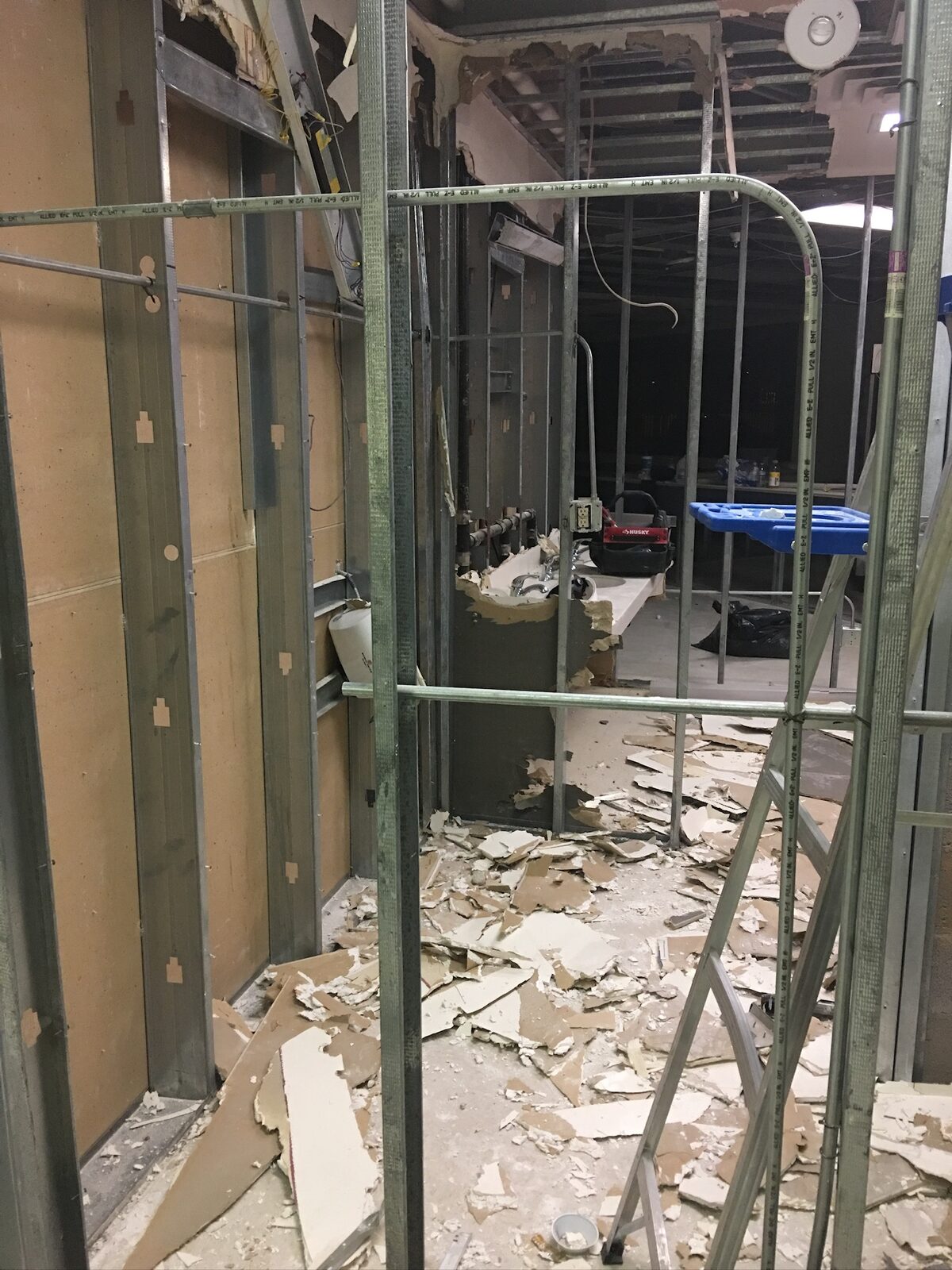
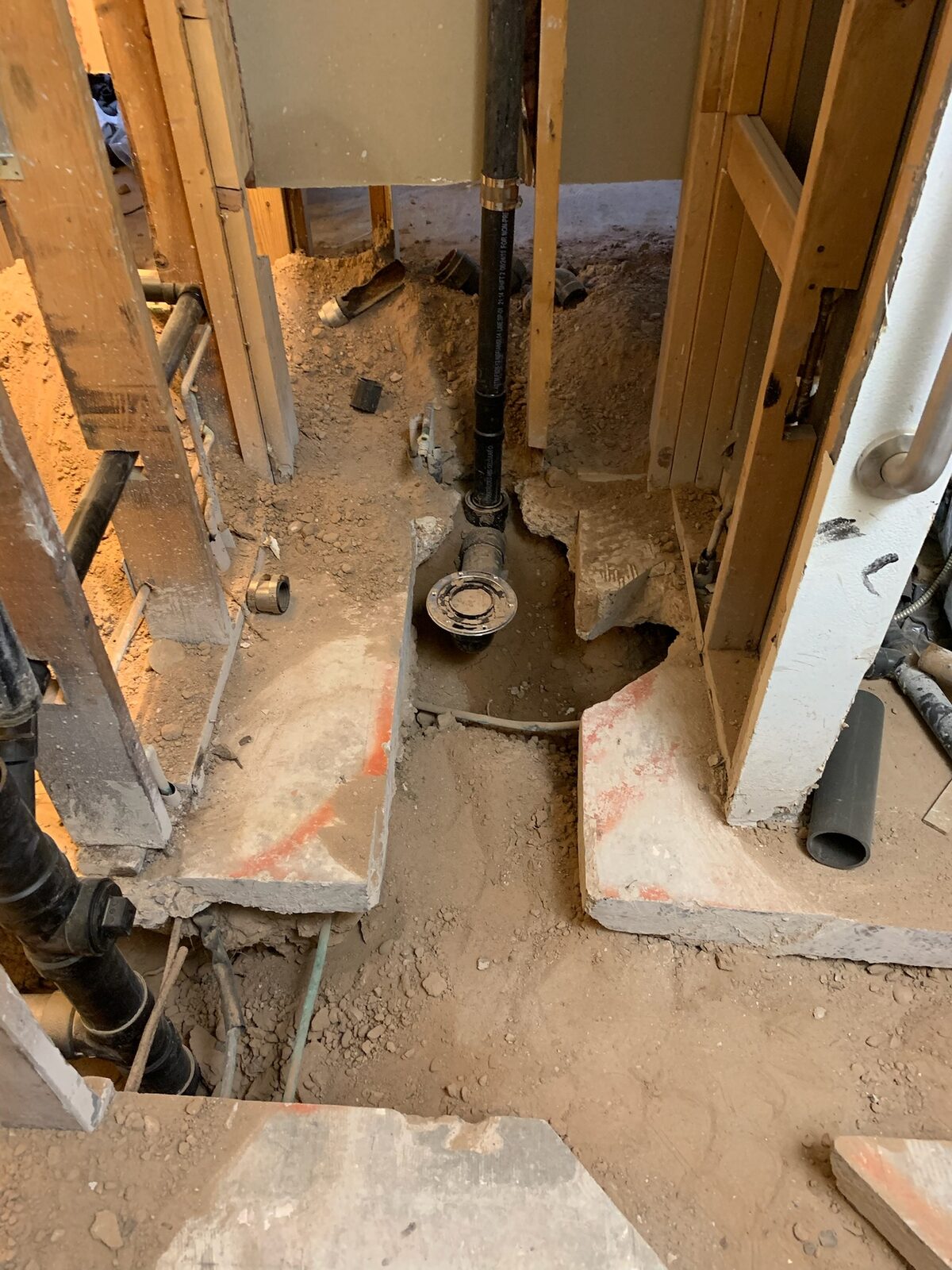
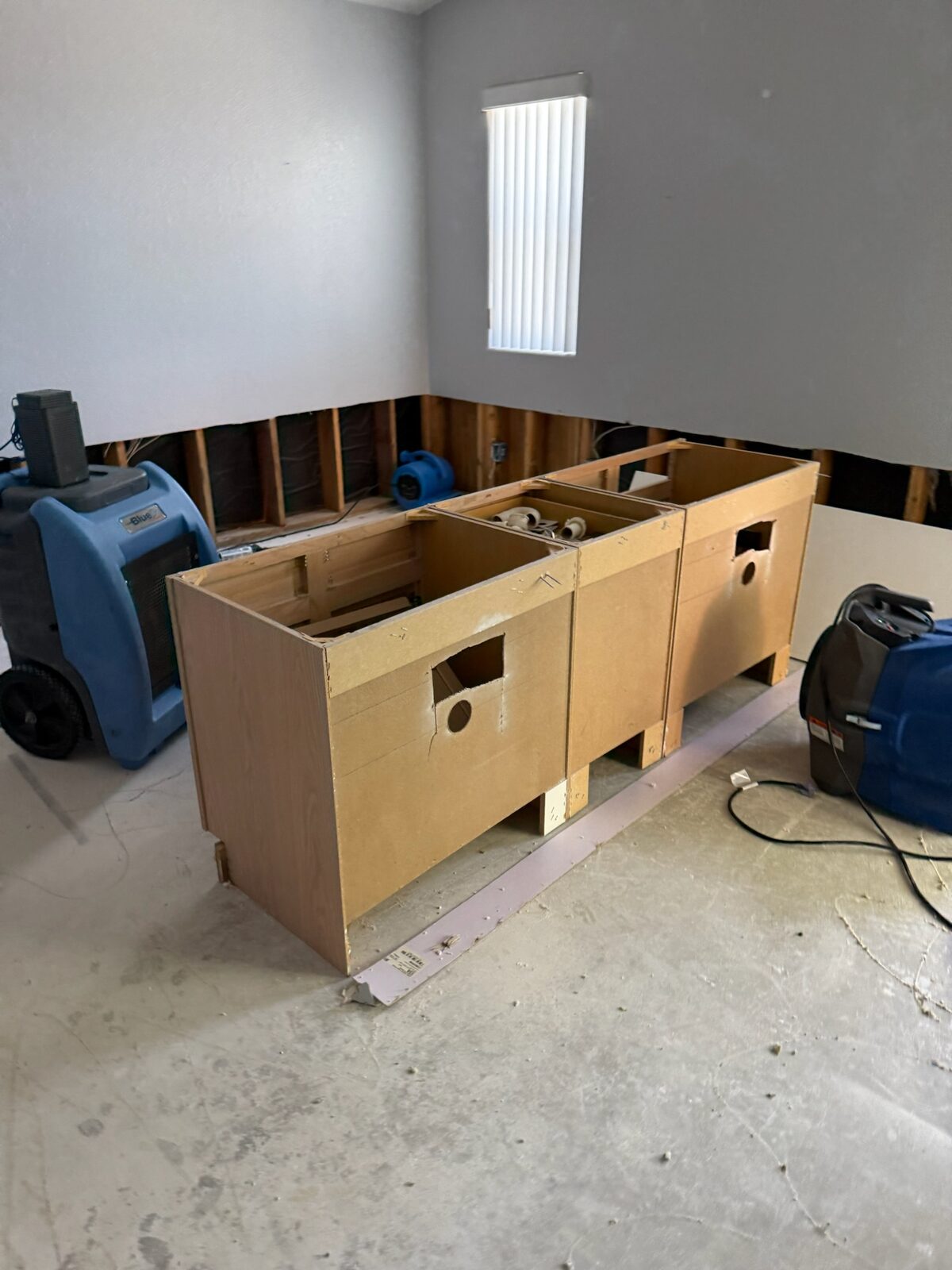
Residential reconstruction work by members of our team. See the full gallery →
More from Gold Water Fire
Abrasive Cleaning Methods for Soot on Framing and Masonry
A look at how abrasive cleaning methods remove soot from wood framing and masonry after a fire, and when each method fits the material.
AC Condensate Line Clogs & the Water Damage They Cause in Phoenix Homes
Why Phoenix AC condensate lines clog every summer, what the water damage looks like, and how to find the source before the ceiling stain spreads again.
Actual Cash Value vs Replacement Cost: Why Your Check Might Not Match the Repair Bill
Confused why your insurance check seems short after fire or water damage? Learn the difference between actual cash value and replacement cost coverage.
Not sure if what you're seeing is a real problem?
If you found scorch marks, a lingering smell, or damage you can't fully explain after fireworks nearby, Gold Water Fire can take a look and help you understand what you're dealing with. Reach out at (480) 999-3339 or Help@goldwaterfire.com, or visit our <a href="/contact.html">contact page</a> to get started.
Call (480) 999-3339Fire Damage Restoration · Reconstruction & Rebuild · About Gold Water Fire · Contact Us