
Lithium Battery Fire Risk in a Household, and Safer Charging Habits
You've probably got a drawer full of chargers, a phone that sits on the nightstand overnight, maybe an e-bike or scooter battery in the garage, and you've started to wonder if any of it is actually as safe as you assumed. That nagging feeling, the one that makes you unplug something a little early or move a charging laptop off the bed, isn't paranoia. Lithium batteries are in more of our homes than ever, and most of us were never told how they actually fail or what a warning sign looks like before it's too late to matter.
Lithium Battery Fire Risk in a Household, and Safer Charging Habits
Why lithium batteries behave differently than other fire risks
A lithium-ion battery stores a lot of energy in a small space, and when something goes wrong inside the cell, it can release that energy all at once. This is called thermal runaway. Instead of a slow smolder like a frayed cord might cause, a battery in thermal runaway can go from warm to producing intense heat and flame in seconds, sometimes with little visible warning beforehand. The chemical reaction can also reignite after it appears to have burned out, and it can produce toxic smoke. This is different from most household fire sources, and it's part of why fire departments across the country have flagged battery-related fires as a fast-growing category, especially tied to e-bikes, e-scooters, vapes, and damaged or counterfeit chargers.
The common triggers behind battery fires
Most incidents trace back to a handful of causes: physical damage to the battery (drops, punctures, or crushing), charging with a cheap or mismatched charger that doesn't regulate voltage properly, letting a battery sit at full charge in high heat, using a battery or charging cable that's visibly swollen, frayed, or cracked, and charging devices unattended for long stretches, especially overnight or while no one is home. Extreme heat is its own factor. A garage or car in Phoenix during summer months can reach temperatures that stress a battery even when it isn't plugged in, which matters for anyone storing e-bike batteries, power tools, or backup power stations outside the main house.
Signs a battery or device may be failing
A battery that's swelling or bulging, a device that feels unusually hot to the touch during normal use, a charging cable or port that's discolored or smells like melting plastic, a battery that no longer holds a charge the way it used to, or any hissing, popping, or odd chemical smell coming from a device. None of these mean a fire is guaranteed, but any one of them is a reason to stop using that battery and set it aside somewhere safe, away from anything flammable, rather than trying to finish charging it or use it up first.
Charging habits that reduce risk
Charge devices on a hard, heat-resistant surface, not on a bed, couch, or pile of papers where heat can build up and airflow is blocked. Use the charger and cable that came with the device, or a replacement from the original manufacturer, rather than a generic off-brand version. Avoid charging anything to 100 percent and leaving it plugged in for hours past that if the device allows a lower charge limit. Don't charge e-bike or scooter batteries directly next to an exit, in a hallway, or anywhere that would block your path out if something went wrong. And try not to leave high-capacity batteries like e-bikes, power tools, or backup batteries charging overnight while everyone is asleep or the house is empty, since that's when a fast-moving fire has the most time to spread before anyone notices.
Storing and disposing of batteries safely
Store spare batteries away from direct sunlight and away from other flammable materials, ideally somewhere with stable temperature rather than a hot garage or shed. Never throw a lithium battery in regular household trash, damaged or swollen cells can react to being crushed in a truck or compactor. Most areas have battery recycling drop-off points at hardware stores, electronics retailers, or local hazardous waste facilities. If a battery has been dropped, punctured, or exposed to water, treat it as compromised even if it looks fine, and dispose of it properly rather than continuing to use it.
What to do if a battery starts smoking or catches fire
Get everyone out of the area first. A lithium battery fire is not reliably put out with a standard household extinguisher and can reignite after it seems to be out, so the priority is distance and calling emergency services, not trying to fight it yourself unless you can do so safely from a distance with an extinguisher rated for the purpose. If a device is smoking but not yet flaming, do not pick it up or move it close to your body, and do not try to submerge a lithium battery in water as a first response, since the reaction can continue underwater. If a fire does occur in your home, whether from a battery or another source, the aftermath often includes smoke and soot damage well beyond the immediate burn area. Our fire damage restoration page covers what that cleanup process typically involves, and if water was used to fight the fire or from sprinklers, water damage restoration may also come into play.
Questions people ask us
Are e-bike and scooter batteries riskier than phone batteries?
Generally yes, because they hold far more energy and are often charged with third-party or replacement batteries and chargers that may not match the original specifications. Damage from regular riding, like drops or exposure to rain, can also go unnoticed and weaken the cell over time.
Is it safe to charge my phone overnight?
Modern phones are designed to handle overnight charging and most stop drawing power once full, but charging on a soft surface like a bed or under a pillow can trap heat and is worth avoiding regardless of the device.
Can a lithium battery fire happen even if the device isn't plugged in?
Yes. A damaged or defective cell can go into thermal runaway on its own, especially if it has been physically stressed or exposed to high heat, even while sitting on a shelf unplugged.
What should I do with old laptop or tool batteries I'm not using anymore?
Don't store them indefinitely in a hot garage or drawer. Take them to a battery recycling drop-off point, and if a battery looks swollen or damaged, handle it minimally and dispose of it as soon as you can rather than leaving it in storage.
The standard our team works to

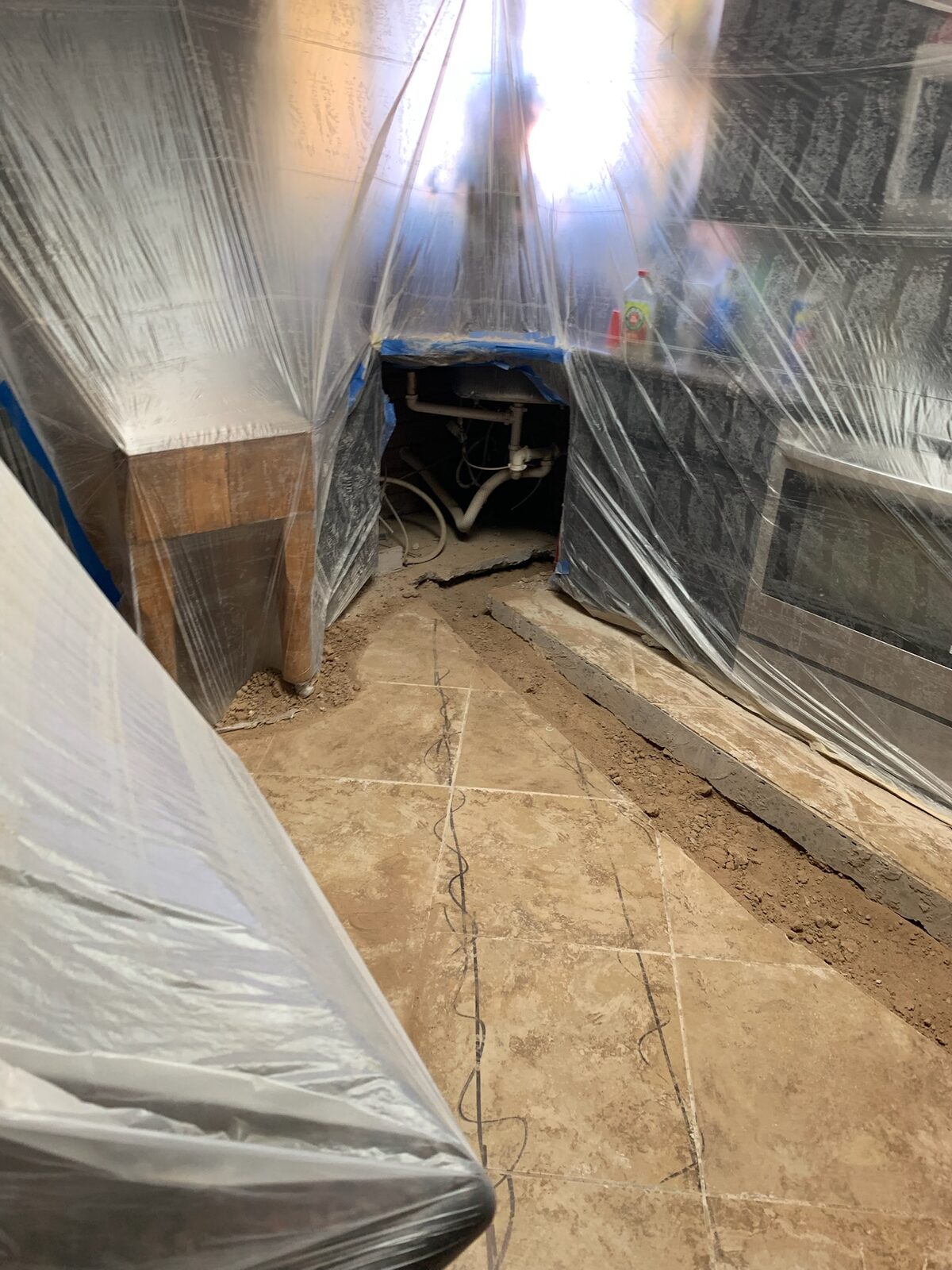
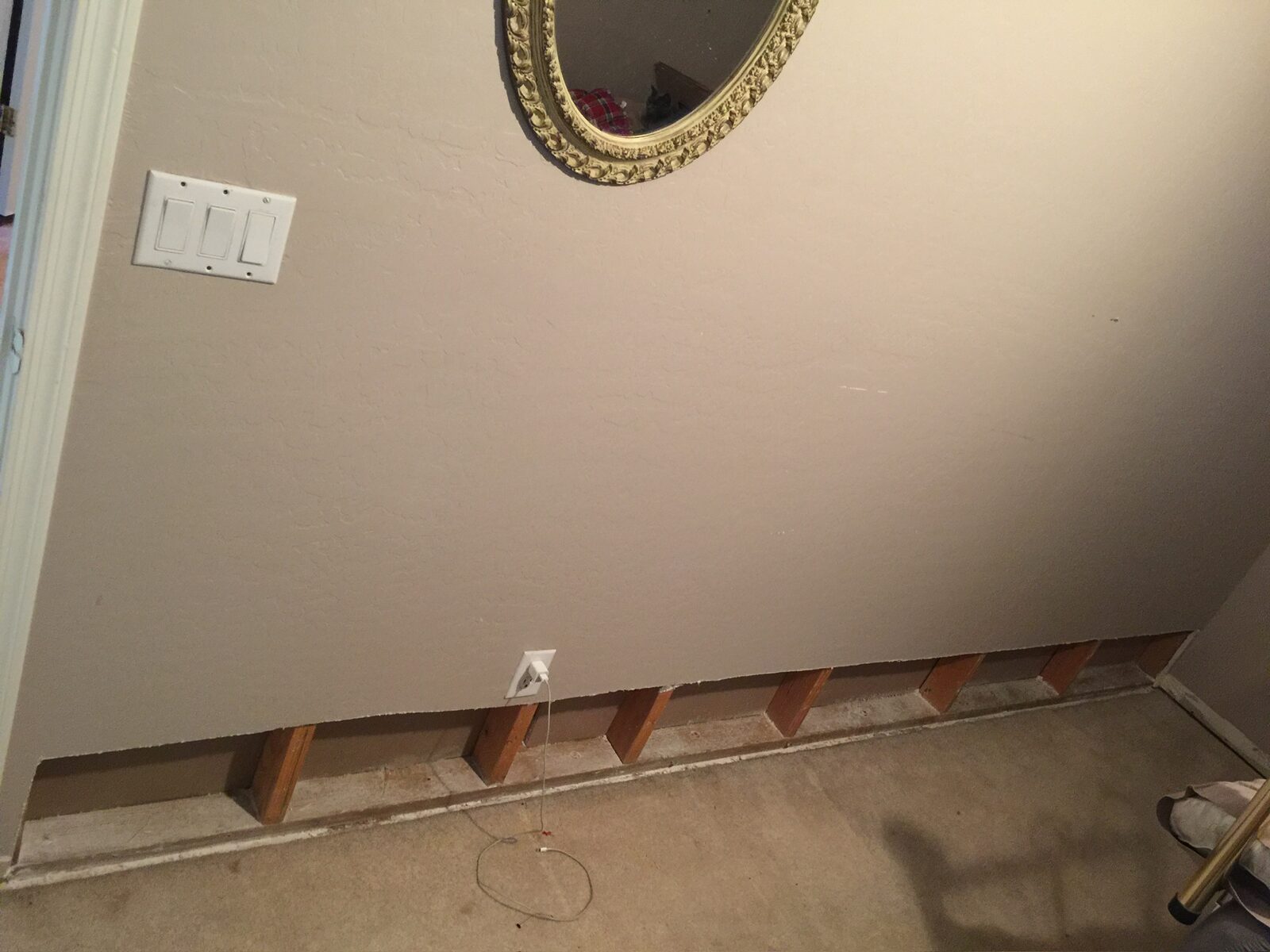
Residential reconstruction work by members of our team. See the full gallery →
More from Gold Water Fire
Abrasive Cleaning Methods for Soot on Framing and Masonry
A look at how abrasive cleaning methods remove soot from wood framing and masonry after a fire, and when each method fits the material.
AC Condensate Line Clogs & the Water Damage They Cause in Phoenix Homes
Why Phoenix AC condensate lines clog every summer, what the water damage looks like, and how to find the source before the ceiling stain spreads again.
Actual Cash Value vs Replacement Cost: Why Your Check Might Not Match the Repair Bill
Confused why your insurance check seems short after fire or water damage? Learn the difference between actual cash value and replacement cost coverage.
If a fire has already happened, we can help with what comes next
Gold Water Fire works with homeowners across Phoenix, Mesa, Chandler, Scottsdale, Glendale, and the surrounding Valley on fire and smoke damage cleanup, water damage from firefighting efforts, and the reconstruction that follows. Call (480) 999-3339 or reach out through our contact page to talk through what you're facing.
Call (480) 999-3339Fire Damage Restoration · Water Damage Restoration · Reconstruction & Rebuild · Contact Us · About Gold Water Fire