
The Difference Between Soot & Smoke Damage, & Why They Are Cleaned Differently
You wiped the walls. You washed the curtains, ran the air purifier for a week, repainted the hallway. And on a warm afternoon with the windows shut, the smell comes back, faint but unmistakable, like the fire happened yesterday. It is a strange kind of frustration, because nothing looks wrong anymore. You cannot point at it. You start to wonder whether you are imagining it, or whether you just did not scrub hard enough, or whether the house is simply going to smell like this now. That confusion is not a failure of effort. It usually means the thing you were cleaning and the thing that is bothering you were never the same thing.
The Difference Between Soot & Smoke Damage, & Why They Are Cleaned Differently
Soot is a particle. Smoke damage is what that particle left behind.
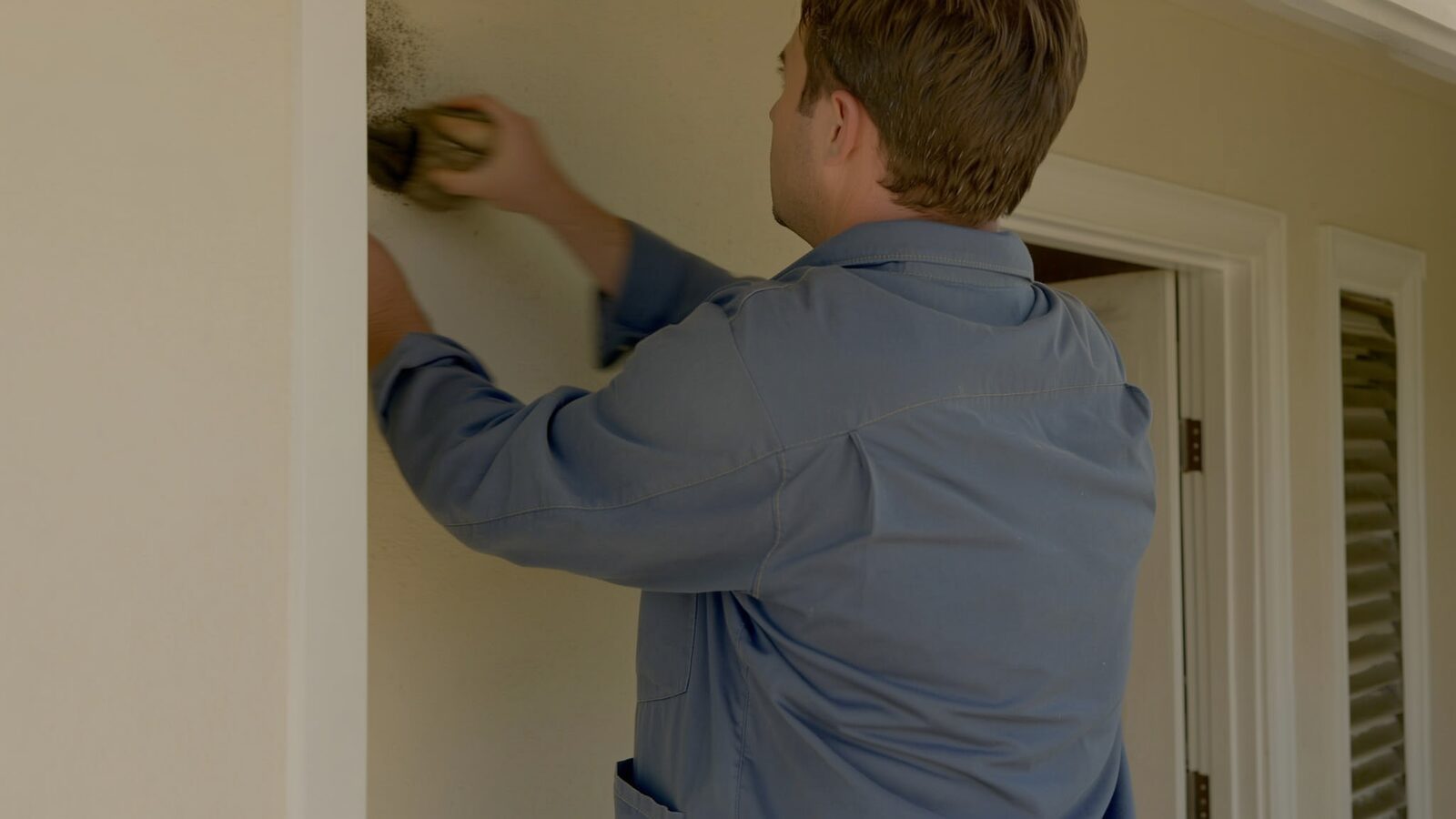
Soot is the solid part of combustion: fine carbon and unburned fuel that rose with the heat, cooled, and settled on whatever it touched. It is physical. You can see it, you can smear it with a finger, you can lift it off a surface. Smoke damage is broader. It includes the soot, but it also includes the gases and airborne oils that traveled with it, moved through the house on air currents, and were absorbed into porous materials: drywall, insulation, carpet pad, upholstery foam, unsealed wood, the paper backing of cabinets, the inside of the HVAC ducts. Those absorbed compounds are what you smell months later. Cleaning the visible layer removes the particle. It does not remove what soaked in underneath it, which is why a house can look clean and still smell like a fire.
Not all soot behaves the same way, and that changes the method
Restoration work generally sorts fire residue by what burned and how hot it burned, because each type responds to a different approach. Dry soot comes from a fast, hot, oxygen-rich fire (paper, wood, natural fabrics). It is powdery and sits loosely on surfaces, so it is usually removed dry first, with HEPA vacuuming and chemical sponges, before any liquid touches it. Wet soot comes from a slow, smoldering, low-oxygen fire, often plastics, rubber, or synthetics. It is sticky, greasy, strongly odorous, and it smears badly. Protein residue, typical of a kitchen fire where food scorched, is nearly invisible, feels like a thin varnish, discolors paint, and carries an odor far out of proportion to how little you can see. Fuel oil or furnace puffback residue is oily and spreads widely through ductwork. The common and costly mistake is wiping dry soot with a wet rag or an all purpose cleaner, which turns loose particles into a paste and drives pigment into the pores of the paint or grout, setting a stain that then has to be sealed or replaced rather than cleaned.
Removal, then absorption, then air
Because they are different problems, they are handled in a rough order. First comes particle removal: HEPA vacuuming without pressing down, dry chemical sponges on walls and ceilings, working top to bottom so falling residue lands on surfaces not yet cleaned. Then wet cleaning where the surface can take it, using degreasing or alkaline agents matched to the residue type, with test spots first because soot cleaner on a soft finish can strip the finish. Then the absorbed part, which is where odor lives. That step can mean removing and replacing porous materials that cannot be washed (carpet pad, batt insulation, some drywall), cleaning the duct system so it stops reintroducing residue every time the air handler runs, sealing framing or subfloor with a shellac based primer where odor has gone into the wood, and treating the air itself with hydroxyl or ozone equipment or thermal fogging depending on the residue and whether the space is occupied. Only after all of that does painting make sense. Paint applied over untreated smoke residue tends to let the odor and the staining bleed back through.
Signs you are dealing with soot only
Visible grey or black film that lifts onto a dry sponge, concentrated near the fire origin, on ceilings, and above heat sources. Surfaces are hard and non porous. No odor once the film is gone.
Signs smoke damage went deeper
Odor returns in heat or humidity, or when the AC runs. Yellow or brown staining that reappears after painting. Smell in rooms far from the fire, closets, drawers, or the inside of cabinets.
Why Arizona heat matters
Absorbed smoke compounds volatilize more as temperatures rise. A house that seems fine in February can smell strongly in July, which is why odor treatment is not judged by a single cool morning.
When cleaning stops being the answer
There is a point where a material has taken in more than it can give up. Charred framing, scorched subfloor, insulation, melted wiring insulation, and cabinet boxes that absorbed protein residue usually come out rather than get cleaned, and then the space has to be put back: drywall, texture, paint, trim, flooring, cabinetry. That handoff between cleaning and rebuilding is where a lot of fire jobs stall, because the cleaning crew and the construction crew are often two different companies with two different schedules. Gold Water Fire handles both sides, fire damage restoration and the reconstruction and rebuild that follows. Brandon Gurr, our Construction Manager, leads the rebuild work, with Johnny as Reconstruction Team Lead. If firefighting water was involved, and it usually is, that becomes its own timeline running alongside the smoke work: see water damage restoration.
Questions people ask us
Can I clean soot off my walls myself?
Small, isolated dry soot on a hard, washable surface can often be handled with a dry chemical sponge, used in one direction without scrubbing, and never with a wet cloth first. The risk is that wetting dry soot pushes pigment into the paint and sets a stain permanently. Anything greasy, anything from burned plastics, anything from a protein or kitchen fire, and anything over a large area is worth having assessed before you touch it, because the cleanup mistake is usually harder to undo than the original residue.
Why does the smell come back after everything looked clean?
Because odor comes from compounds absorbed into porous materials and from residue left inside the HVAC system, not from the visible film on the surface. Heat and humidity make those compounds release into the air again, so a room that smells fine in the morning can smell strongly by afternoon. Lasting odor control usually requires removing or sealing the absorbed materials and cleaning the duct system, not more surface washing.
Does soot damage things that were not near the fire?
Often, yes. Smoke follows air currents and pressure differences, so it moves through return vents, wall cavities, and under doors into rooms with no fire damage at all. Residue frequently shows up on the cold side of surfaces, inside closets, in drawers, and on electronics, which is why an inspection covers more of the house than the room where the fire started.
Should I paint over smoke stains?
Not as a first step. Standard paint over untreated smoke residue usually lets the staining and the odor bleed back through within weeks or months. The sequence is to remove the residue, address the absorbed odor, seal the affected substrate with an appropriate primer, and then paint.
The standard our team works to
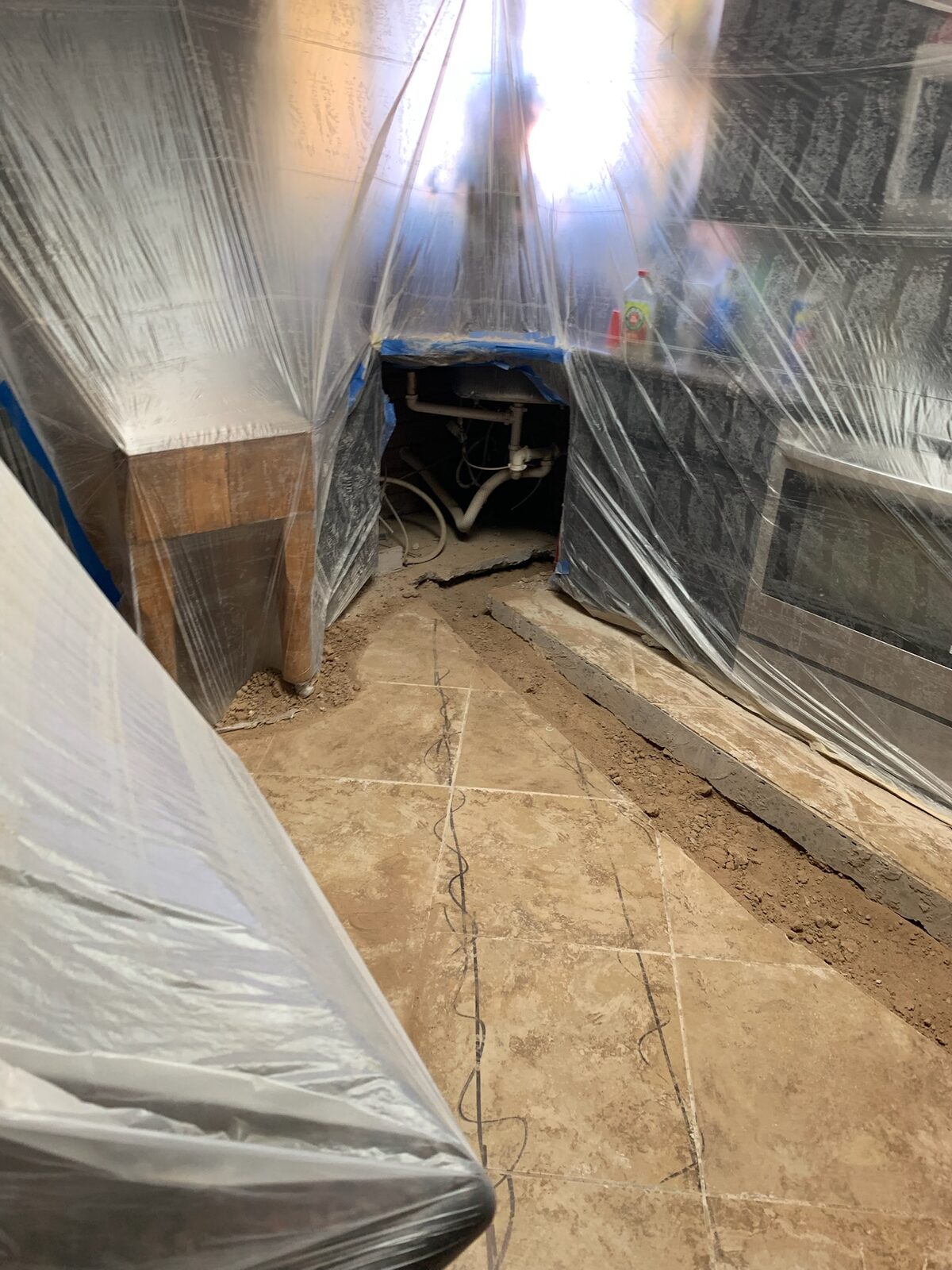
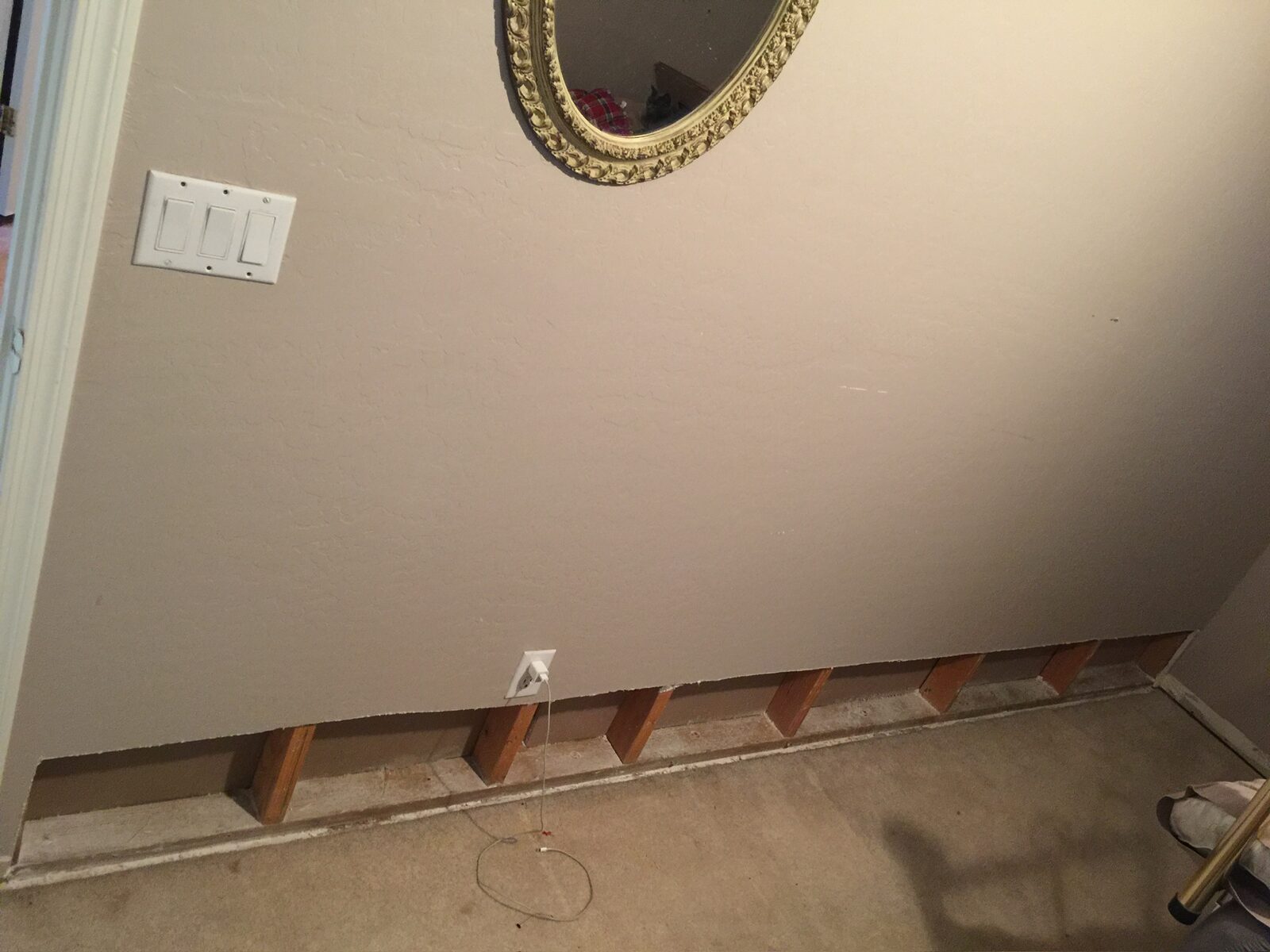
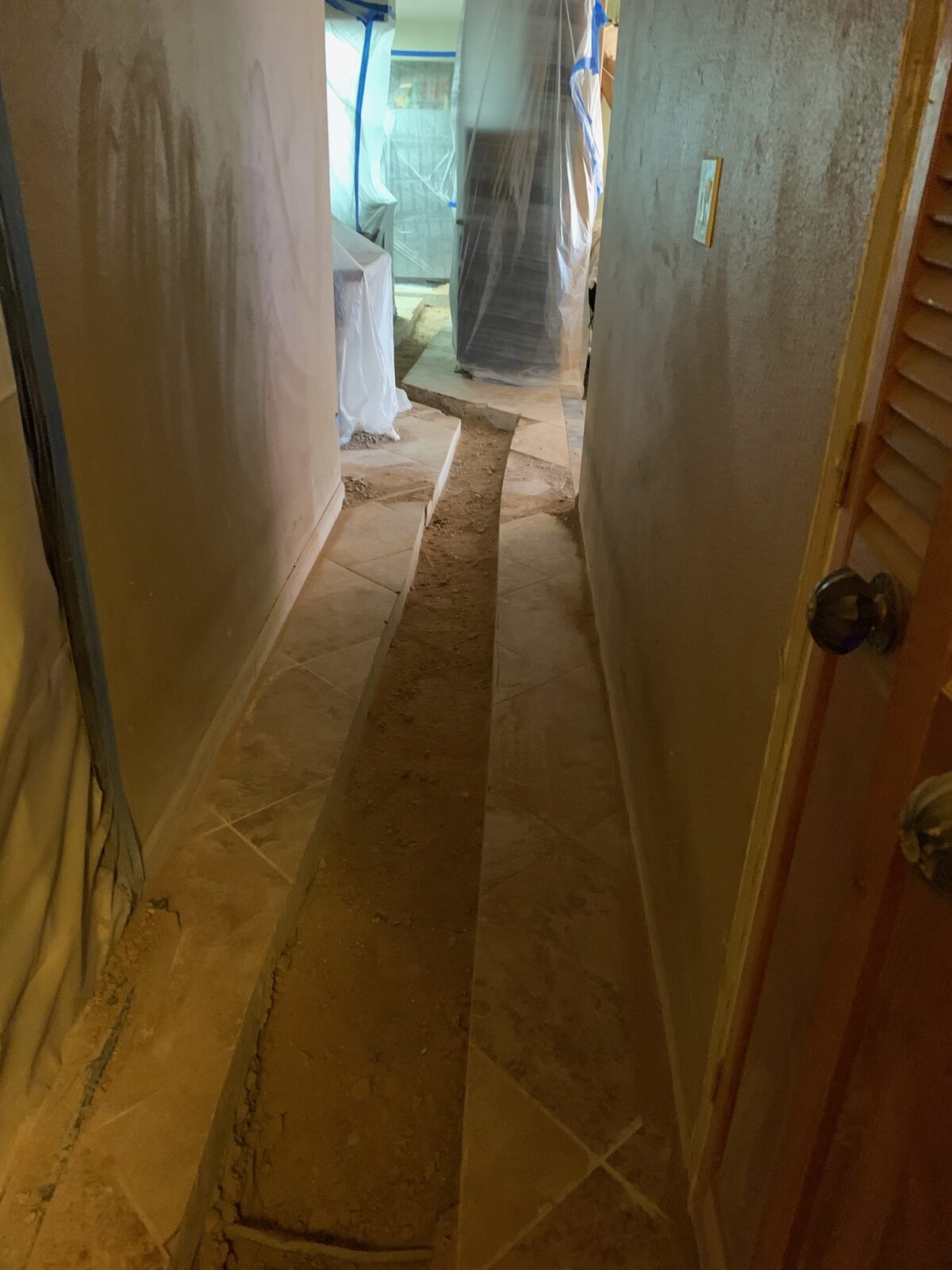
Residential reconstruction work by members of our team. See the full gallery →
More from Gold Water Fire
Abrasive Cleaning Methods for Soot on Framing and Masonry
A look at how abrasive cleaning methods remove soot from wood framing and masonry after a fire, and when each method fits the material.
AC Condensate Line Clogs & the Water Damage They Cause in Phoenix Homes
Why Phoenix AC condensate lines clog every summer, what the water damage looks like, and how to find the source before the ceiling stain spreads again.
Actual Cash Value vs Replacement Cost: Why Your Check Might Not Match the Repair Bill
Confused why your insurance check seems short after fire or water damage? Learn the difference between actual cash value and replacement cost coverage.
If you are still smelling it, you are not imagining it
Gold Water Fire serves the full Phoenix metro area, from Peoria and Avondale out to Gilbert, Queen Creek, San Tan Valley, and Apache Junction. Call (480) 999-3339 or email Help@goldwaterfire.com and tell us what you are noticing, even if it is only a smell.
Call (480) 999-3339Fire Damage Restoration · Reconstruction & Rebuild · Water Damage Restoration · Contact Gold Water Fire · About Our Team