
Grease Fires: Why Water Makes Them Worse (And What To Do Instead)
A pan bursts into flame and every instinct says grab water. That split second of panic, standing at the stove trying to decide what to do next, is one of the scariest moments a kitchen can hand you. If you are reading this after it already happened, or trying to prepare before it does, you are asking exactly the right question.
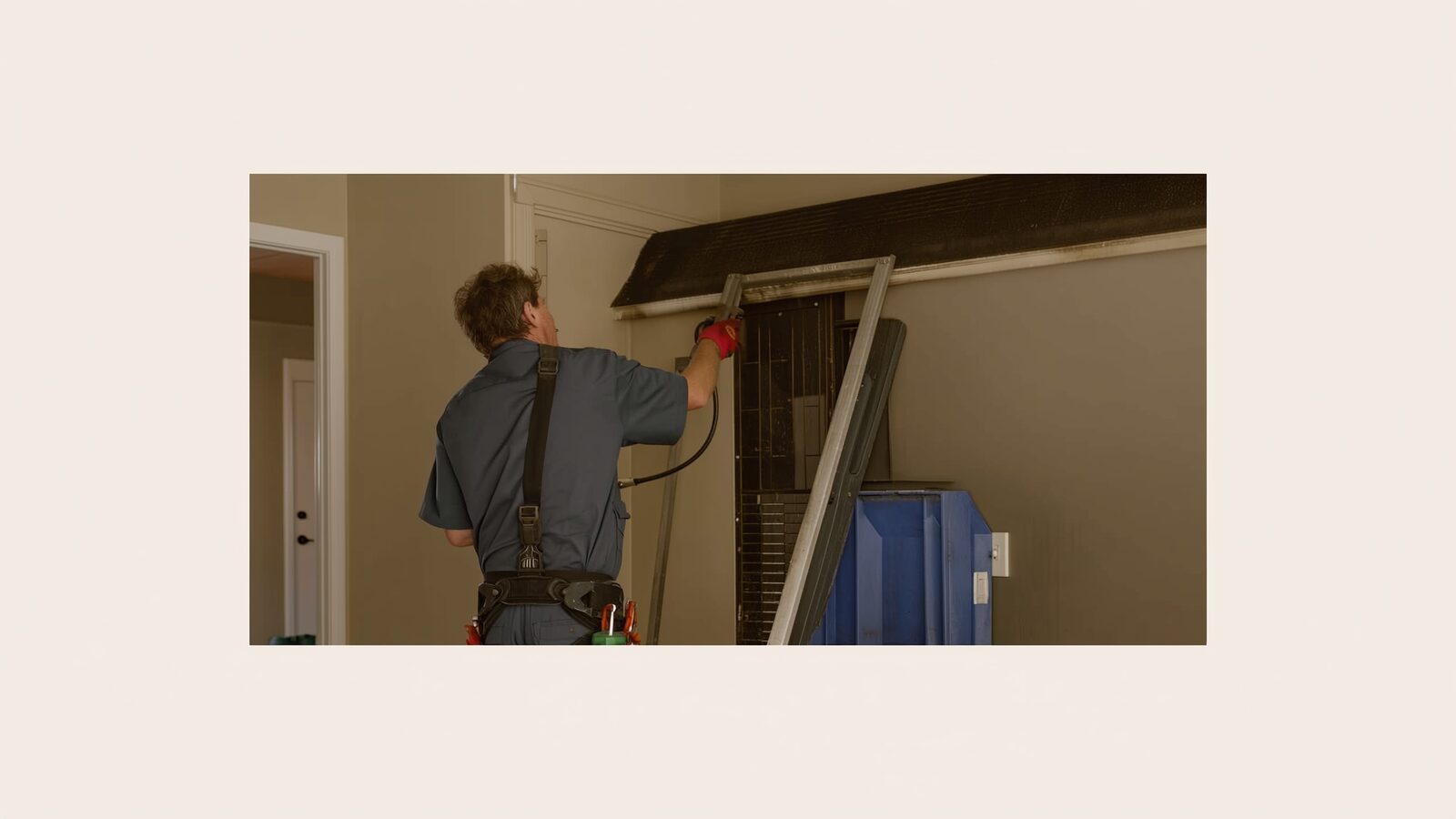
Grease Fires: Why Water Makes Them Worse (And What To Do Instead)
Why water is the worst thing you can pour on a grease fire
Cooking oil is lighter than water and does not mix with it. When water hits burning grease, it sinks below the oil, hits the pan's surface, and instantly flashes to steam. That steam expansion is violent, and it launches burning droplets of oil outward in every direction. What was a contained fire in a pan becomes a spray of flame across the stove, the counter, cabinets, and anyone standing nearby. This is the single most common way a small kitchen fire turns into a serious injury or a house fire that spreads well beyond the stove.
What to do instead, in order
First, if you can do it safely, turn off the burner. Do not reach over the flame; turn it off from the side or behind if possible. Second, cover the pan with a metal lid or a cookie sheet to cut off its oxygen supply. Fire needs oxygen to keep burning, and smothering it is the fastest way to stop it cold. Slide the lid on rather than dropping it from above, and leave it in place until the pan is completely cool, which can take longer than it looks. Do not lift the lid to check on it, since that lets oxygen back in and can reignite the fire.
If a lid is not within reach
Baking soda smothers a small grease fire the same way a lid does, by cutting off oxygen. Flour does not work and can actually make the fire worse, since flour is combustible in fine, airborne form. A Class B or Class K fire extinguisher, if you have one mounted in the kitchen, is built for exactly this situation. If the fire is already spreading beyond the pan, growing quickly, or producing heavy smoke, stop trying to handle it yourself: get everyone out, close the door behind you to slow the spread, and call 911 from outside.
After the fire is out
Even a contained grease fire leaves a mess that goes deeper than the visible scorch marks. Smoke and grease residue travel through the kitchen on airborne soot, settling into cabinet finishes, range hood filters, and anywhere air moved during the fire. That residue is acidic and will keep discoloring surfaces and corroding metal if it is not cleaned properly. If the fire scorched cabinets, damaged countertops, or left smoke odor that will not air out, that is a sign the damage goes beyond a wipe-down. You can read more about what a professional cleanup and rebuild process looks like on our fire damage restoration page, or see how reconstruction works if cabinets or structure need to be replaced.
Questions people ask us
Can I use a wet towel instead of a lid to smother a grease fire?
A dry towel or lid is safer. A wet towel introduces moisture near the fire, and any water that reaches the oil can trigger the same violent steam reaction as pouring water directly on it. If a lid is not available, a large pot lid, cookie sheet, or baking soda are better choices.
Why does flour make a grease fire worse instead of putting it out?
Flour is a fine, combustible powder. Thrown near an open flame, it can ignite in the air itself, and it does not smother the fire the way a solid lid or baking soda does. It is a common myth worth unlearning before you need it.
Is it safe to move the pan outside once it catches fire?
No. Moving a flaming pan risks splashing burning oil onto yourself, the floor, or anything you pass, and it can fan the flames with the air movement. Leave the pan where it is, turn off the heat if you can do so safely, and smother it in place.
How do I know if smoke damage needs a professional instead of just cleaning it myself?
If soot has settled into porous surfaces like cabinet wood, drywall, or upholstery, or if a smoke smell lingers after airing out the room, household cleaning often is not enough to fully remove residue and odor. That is a sign to have the damage assessed rather than just wiped down.
The standard our team works to
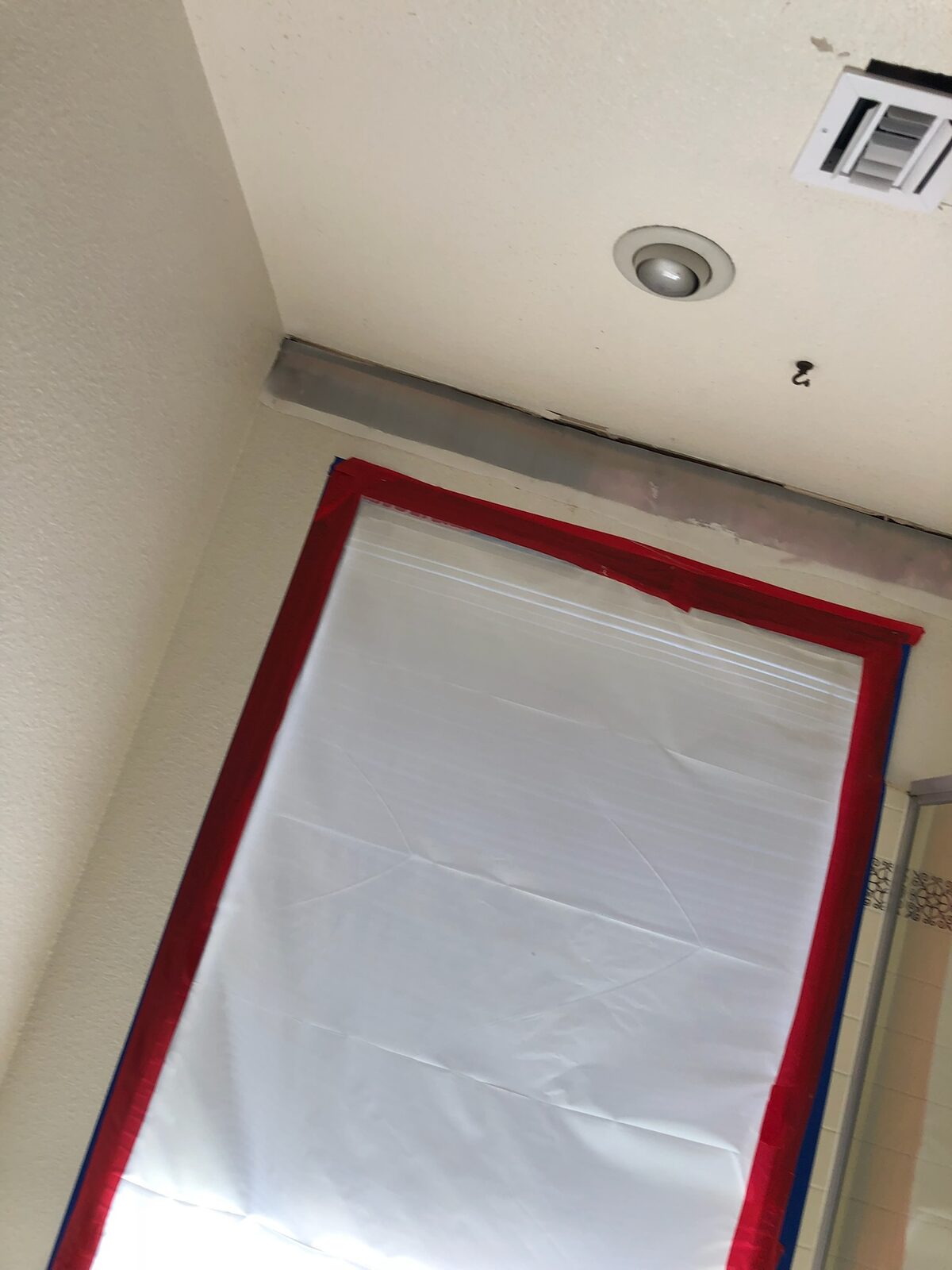
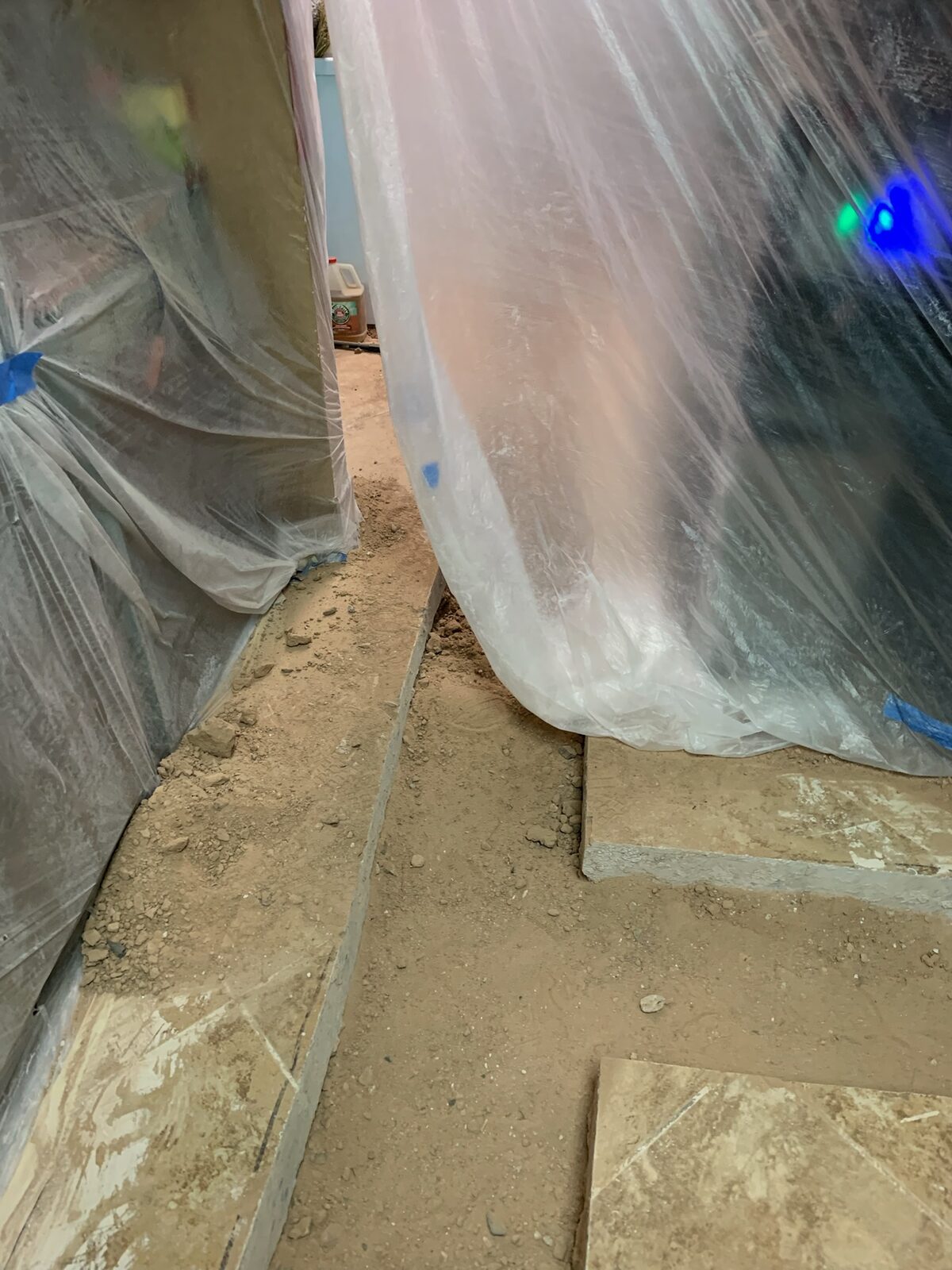
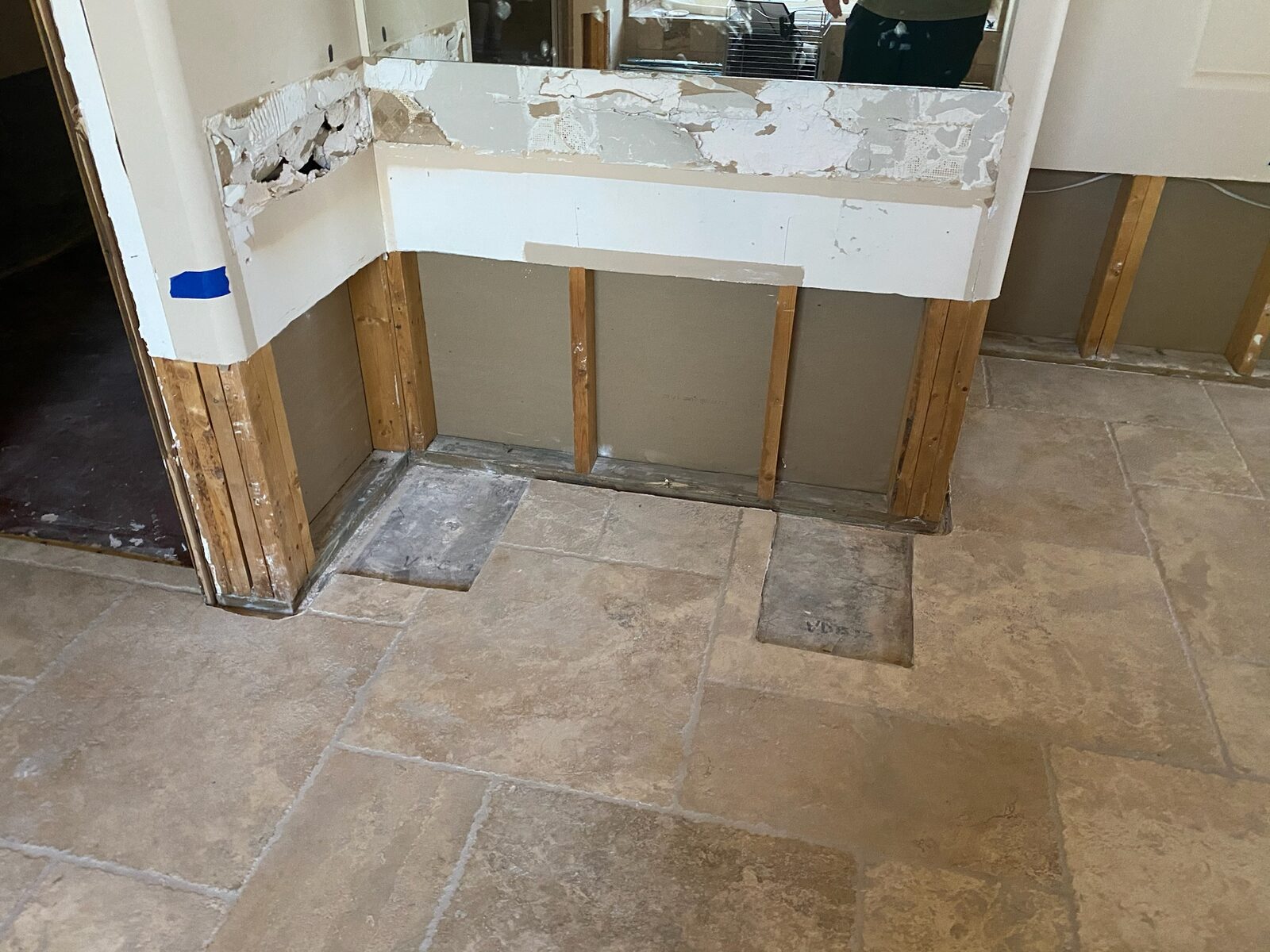
Residential reconstruction work by members of our team. See the full gallery →
More from Gold Water Fire
Abrasive Cleaning Methods for Soot on Framing and Masonry
A look at how abrasive cleaning methods remove soot from wood framing and masonry after a fire, and when each method fits the material.
AC Condensate Line Clogs & the Water Damage They Cause in Phoenix Homes
Why Phoenix AC condensate lines clog every summer, what the water damage looks like, and how to find the source before the ceiling stain spreads again.
Actual Cash Value vs Replacement Cost: Why Your Check Might Not Match the Repair Bill
Confused why your insurance check seems short after fire or water damage? Learn the difference between actual cash value and replacement cost coverage.
Not sure how bad the damage really is?
If a grease fire left more than a quick cleanup behind, it costs nothing to ask. Reach out through our <a href="/contact.html">contact page</a> or call (480) 999-3339 and we can talk through what you are looking at.
Call (480) 999-3339