
Clothing, Upholstery and Textiles After a Fire
You walk back into a room that used to feel like yours, and now the couch, the closet, the towels in the hall all carry that same heavy, burnt smell that seems to follow you from room to room. Maybe the fire never even reached that part of the house. It doesn't matter. The smoke did, and now you're standing there wondering if any of it can actually be saved, or if you're just supposed to throw it all away and start over. That question, whether to save or to toss, is one of the harder parts of a fire that people don't talk about enough.
Clothing, Upholstery and Textiles After a Fire
Why smoke damages fabric differently than fire does
Flames get the attention, but smoke is what travels. Smoke is made up of tiny particles suspended in gas, and those particles are small enough to work their way deep into the weave of a fabric, not just sit on the surface. That's why a shirt in a closet two rooms away from the fire can still smell like it was standing next to it. The particles carry acidic residue, and that residue can keep breaking down fibers slowly even after the fire is long out and the house smells fine again to your nose after a few days. Heat also matters on its own. High heat can scorch, discolor, or weaken fibers even without direct flame contact, which is why fabric that looks untouched can still feel brittle or off-color once you look closely.
What kind of smoke you're dealing with changes the cleanup
Not all soot is the same. A fire that burned mostly synthetic materials, plastics, foam, electronics, tends to leave a wet, sticky, oily residue that smears if you rub it and clings hard to fibers. A fire that burned mostly natural materials, wood, paper, tends to leave a dry, powdery soot that's easier to lift but spreads easily into every fold and seam of fabric it touches. Protein fires, from something like meat or fat burning on a stove, leave a residue you might not even see, but the odor is intense and it soaks into fabric fast. Knowing which type you're dealing with helps explain why the same detergent that worked on one item did nothing for another.
Why washing doesn't always solve it
It's a common instinct to throw everything straight into the washing machine, and sometimes that's exactly right for things like everyday clothing that got a light dusting of smoke. But regular home washing has limits. A standard wash cycle can actually set some smoke odor deeper into fabric if the water temperature and detergent aren't matched to the type of residue involved. Odor molecules bond to fibers in a way that a quick rinse doesn't undo, especially in synthetic fabrics that hold onto smell more stubbornly than natural fibers like cotton or wool. This is part of why an item can go through the wash, come out looking clean, and still smell like the fire the moment it gets warm or humid again.
How professionals approach different textile categories
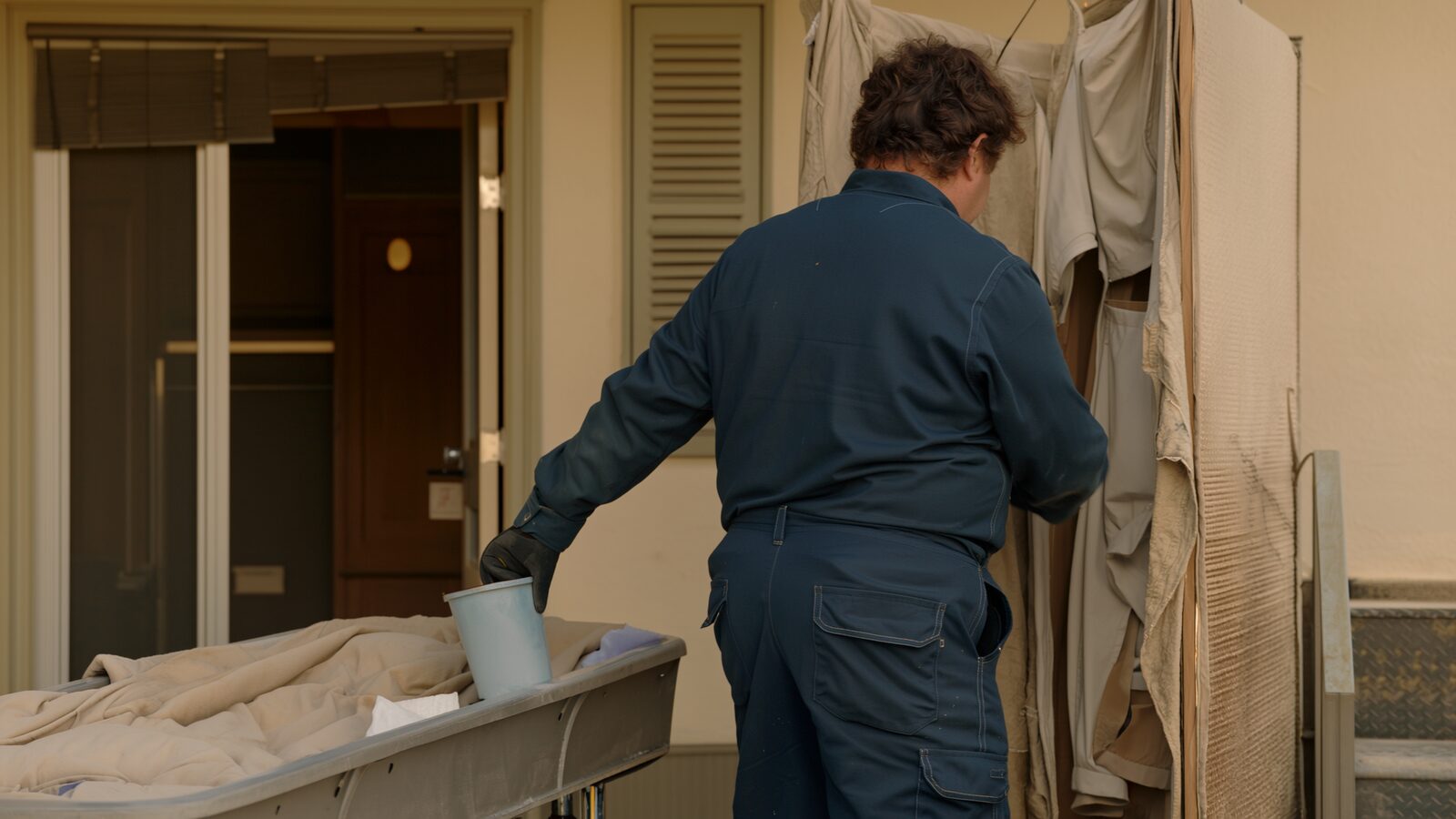
Restoration cleaning generally treats categories of textiles differently, because the fabric type and how it's used both matter. Washable clothing is often handled with specialized detergents and, in more stubborn cases, ozone or thermal fogging treatments that neutralize odor at the molecular level rather than masking it. Delicate or dry-clean-only garments usually need a wet or dry cleaning process suited to that fabric rather than a standard machine wash. Upholstery and drapery are trickier because they can't be submerged, so cleaning usually involves specialized extraction equipment, upholstery-safe cleaning agents, and sometimes sealing treatments afterward to lock in the result. Carpets and rugs fall into a similar category, often needing deep extraction rather than surface cleaning to pull residue out of the padding underneath, not just the visible fibers.
Questions people ask us
Can smoke smell ever come out of clothing completely?
In many cases, yes, with the right process for the fabric type. Light smoke exposure often responds well to specialized washing or ozone treatment. Heavier, deeply embedded odor, especially in synthetic fibers, can take more intensive treatment and in some cases the fabric may not fully recover, which is part of why professional assessment before you decide to toss something is worth doing.
Should I wash smoke-damaged clothes before deciding whether to keep them?
It's usually better to hold off on washing right away if you're unsure. Some home detergents and hot water can set soot residue and odor deeper into the fibers rather than lifting it out, which makes the item harder to save later. If you're not in a rush, letting a professional assess the item first preserves your options.
Why does my upholstered furniture still smell weeks after the fire?
Upholstery holds odor differently than clothing because it's layered, fabric over padding over frame, and each layer can trap smoke particles. Surface cleaning or air fresheners only address the top layer. The smell often comes back because the source is still sitting in the cushion fill or padding underneath.
Are curtains and drapes usually a total loss after a fire?
Not necessarily. It depends heavily on the fabric type, how close they were to the fire, and how long they sat with smoke residue before cleaning began. Natural fibers like cotton or linen can sometimes be professionally cleaned and restored, while some synthetic blends near direct heat may have weakened enough that they're not safe to keep in use.
The standard our team works to
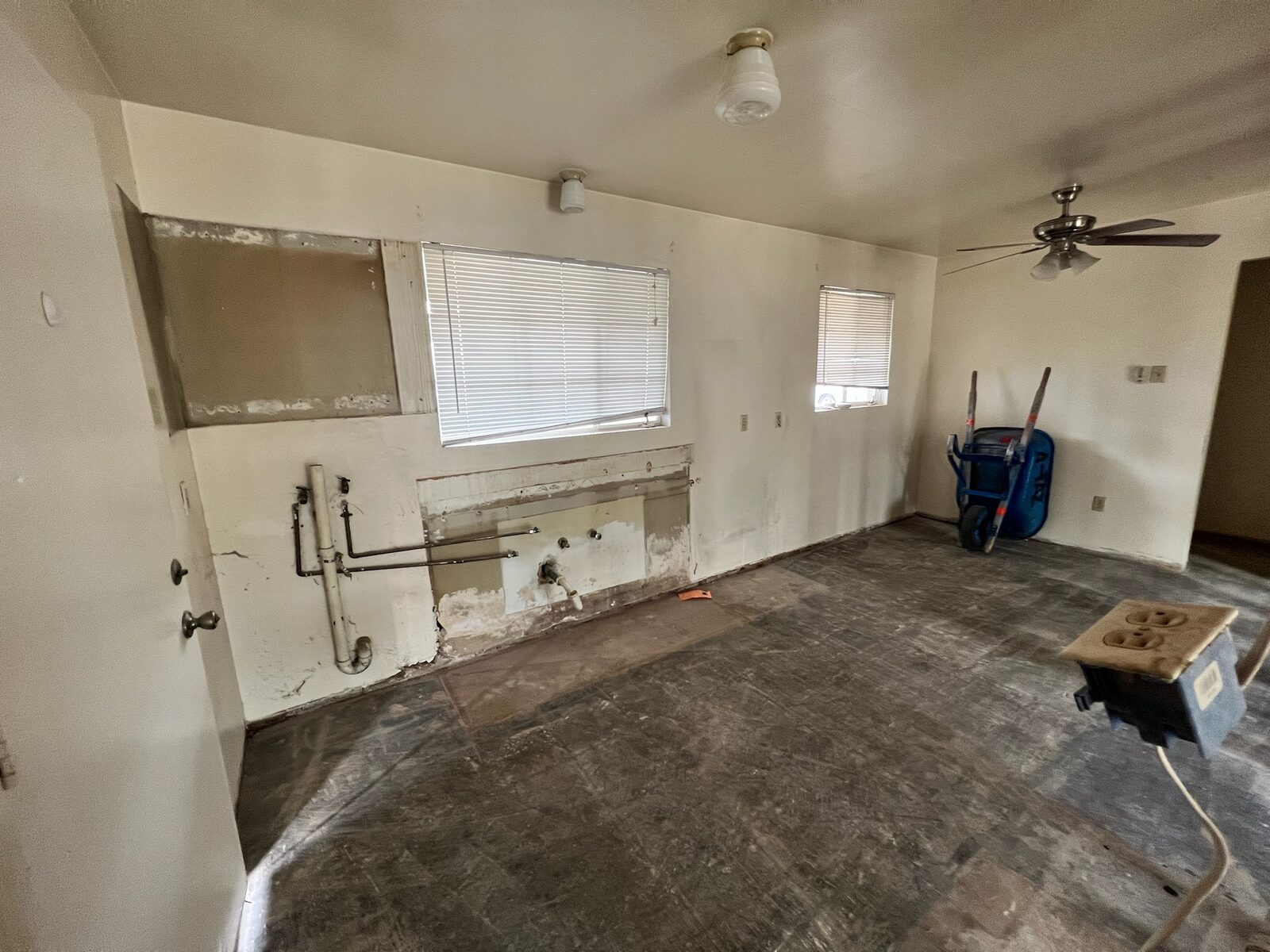
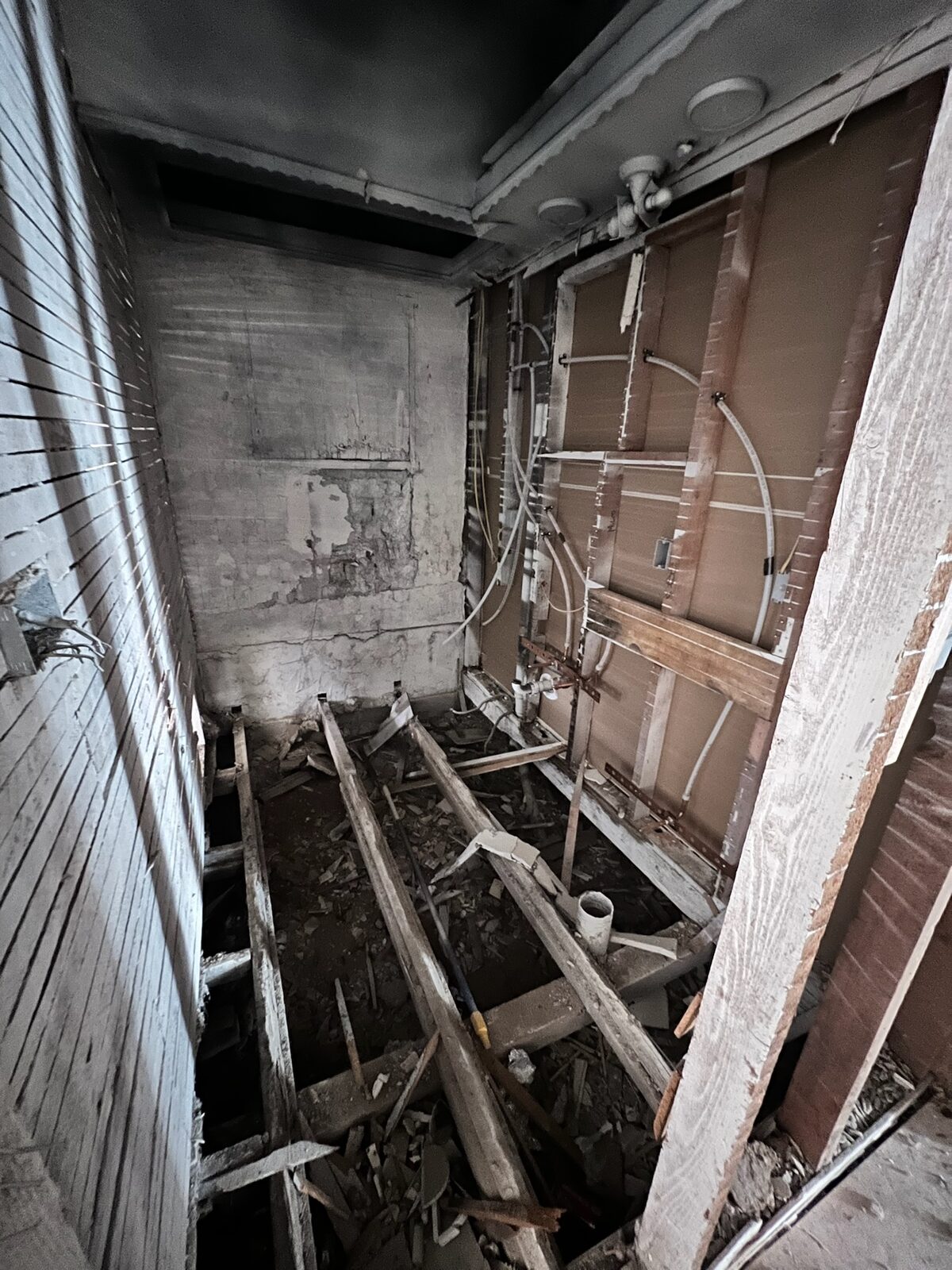
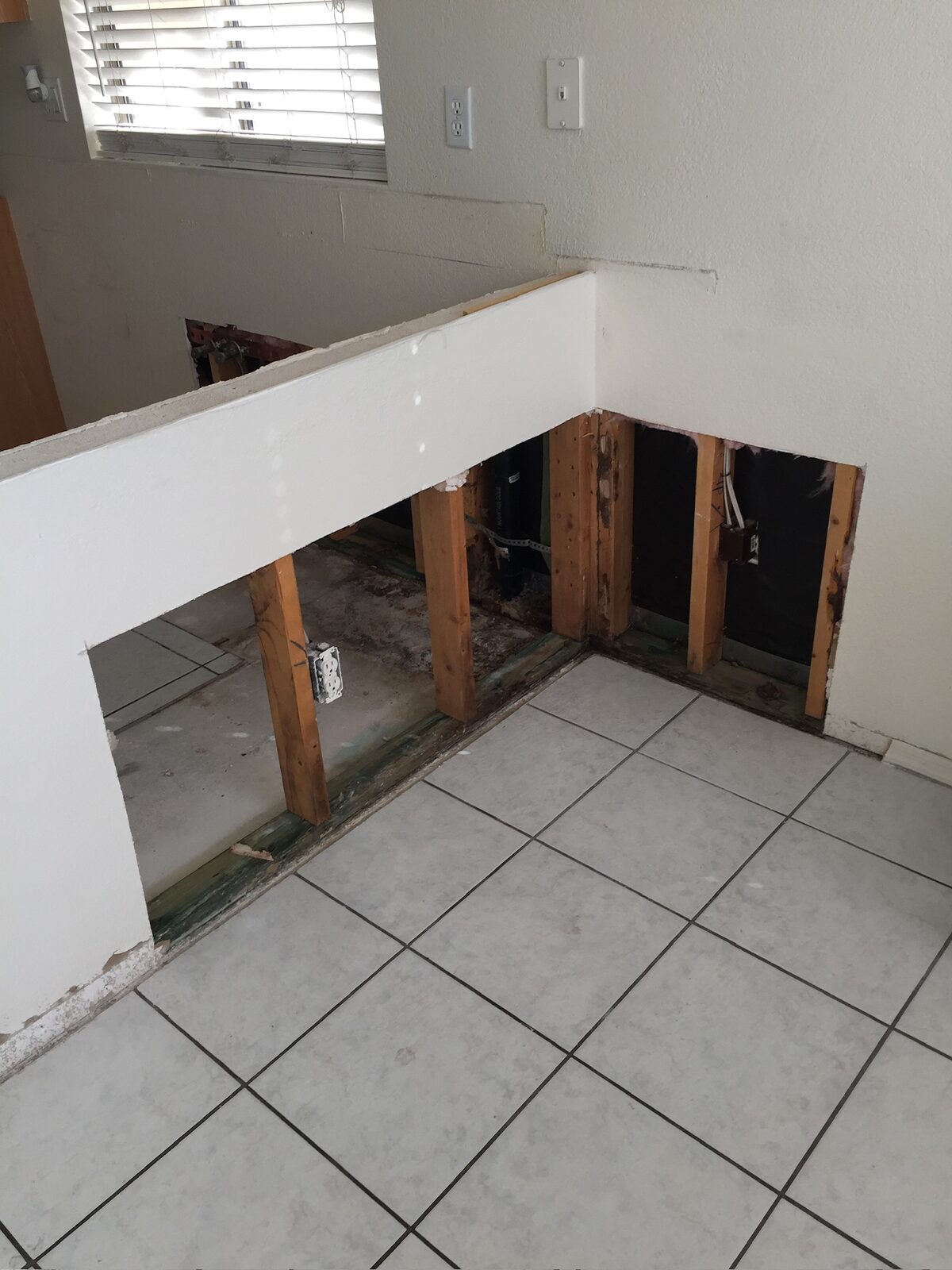
Residential reconstruction work by members of our team. See the full gallery →
More from Gold Water Fire
Abrasive Cleaning Methods for Soot on Framing and Masonry
A look at how abrasive cleaning methods remove soot from wood framing and masonry after a fire, and when each method fits the material.
AC Condensate Line Clogs & the Water Damage They Cause in Phoenix Homes
Why Phoenix AC condensate lines clog every summer, what the water damage looks like, and how to find the source before the ceiling stain spreads again.
Actual Cash Value vs Replacement Cost: Why Your Check Might Not Match the Repair Bill
Confused why your insurance check seems short after fire or water damage? Learn the difference between actual cash value and replacement cost coverage.
Not sure what in your home can still be saved?
If smoke has worked its way into clothing, furniture, or carpet after a fire, it helps to have someone assess what's salvageable before you decide what to throw out. Gold Water Fire serves the Phoenix, AZ metro area, including Mesa, Chandler, Scottsdale, Glendale, and surrounding communities. Call (480) 999-3339 or email Help@goldwaterfire.com to talk through what you're dealing with, or visit our <a href="/fire-damage-restoration.html">fire damage restoration</a> page to learn more about how the process works.
Call (480) 999-3339Fire Damage Restoration · Water Damage Restoration · Reconstruction & Rebuild · Contact Gold Water Fire