
Matching Discontinued Roof Tile: The Options When Yours Is No Longer Made
You found out the hard way: a few tiles cracked, a contractor pulled some for a repair, or a storm took out a section, and now nobody can tell you where to find more of the same tile. The manufacturer stopped making that profile years ago, the color run is gone, or the company doesn't exist anymore. It's a strange kind of stuck. The damage itself might be small, but the not-knowing-what-to-do-about-it part can drag on for weeks while you call around and get the same answer. That frustration is real, especially on a roof that otherwise has plenty of life left in it.
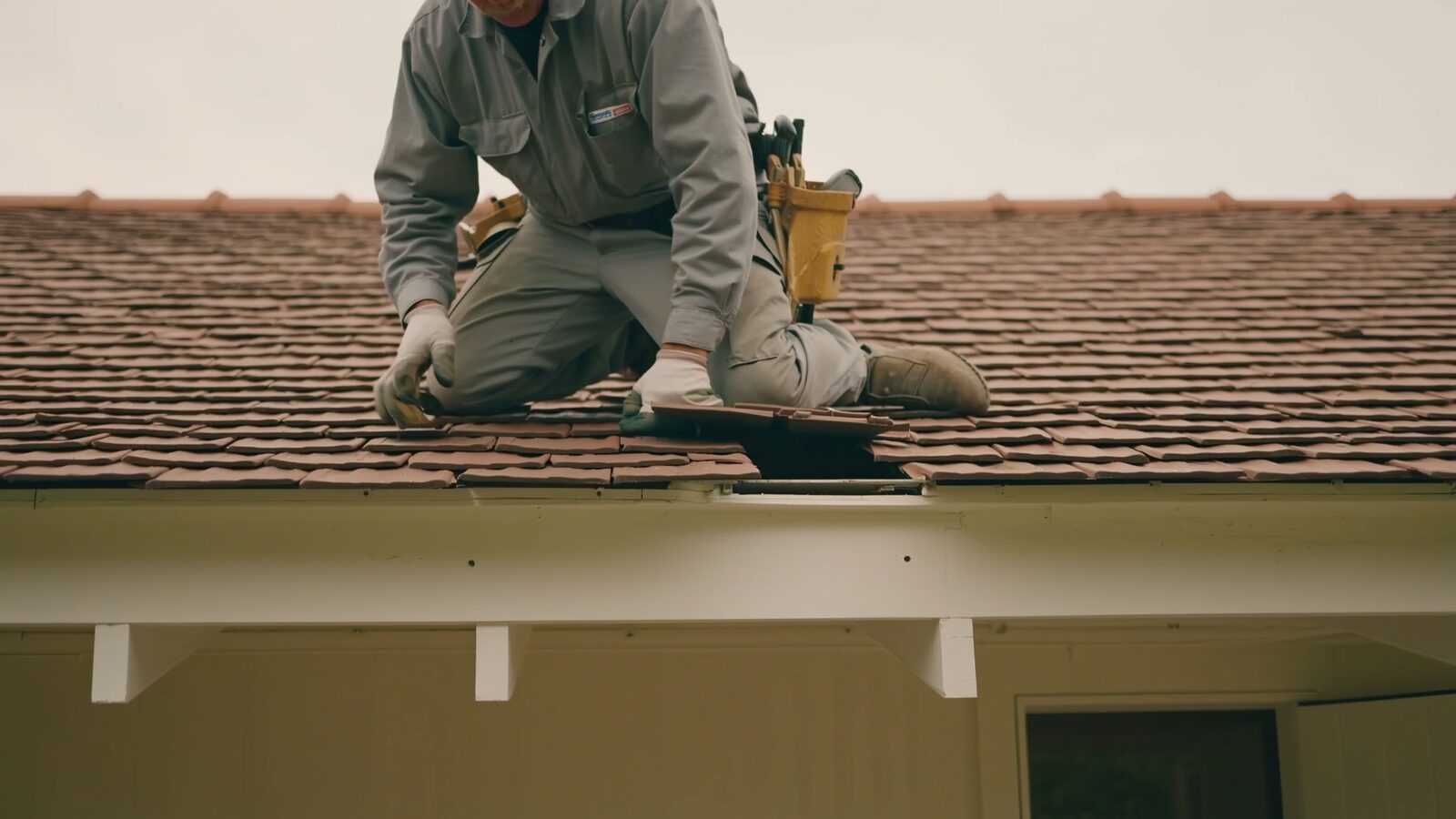
Matching Discontinued Roof Tile: The Options When Yours Is No Longer Made
Why roof tile becomes impossible to match
Concrete and clay tile manufacturers change profiles, discontinue colors, and go out of business more often than most homeowners realize. A roof installed 15 or 20 years ago may have used a tile that was only produced for a handful of years. Even tile from the same manufacturer can be hard to match because color blends fade unevenly with sun exposure, so a tile pulled from storage or salvaged from another roof often looks noticeably different once it's sitting next to weathered originals. This is a widespread issue in Arizona specifically, where intense UV exposure accelerates fading and where many neighborhoods were built in single phases using tile lines that have since been retired.
Option 1: Source reclaimed or salvaged tile
Tile salvage yards and demolition companies sometimes carry discontinued profiles pulled from roofs being torn off or re-roofed. This is often the closest match available in terms of both profile and weathering, since reclaimed tile has already gone through years of sun exposure. The tradeoff is availability: you're dependent on what happens to be in stock, and matching an exact color blend from a salvage lot is inconsistent. It's worth checking with regional tile brokers and salvage suppliers before assuming a full replacement is the only path.
Option 2: Find a compatible profile from a current manufacturer
Some current tile lines were designed as updates or replacements for older discontinued profiles, especially among manufacturers that have been through mergers or rebranding. A compatible profile won't be identical, but on a roof plane that isn't highly visible from the street, a close match in shape and color can blend well enough that most people wouldn't notice. This usually requires someone who works with tile roofing regularly to know which current products correspond to older discontinued lines.
Option 3: Relocate tile from a less visible area
One practical approach is pulling matching original tile from a rear slope, a low-visibility area, or a section already slated for other work, and using it to patch the more visible damaged section. The less visible area then gets filled with the closest available replacement tile, since it won't be seen as easily. This is a common workaround when even a small color or profile mismatch would be obvious in a prominent spot like the front-facing slope.
Option 4: Blend in a different tile and address the transition intentionally
When no close match exists at all, sometimes the more honest approach is accepting a deliberate transition rather than a hidden one, such as a change in tile at a natural roof plane break, ridge line, or architectural feature. This avoids an awkward patchwork look in the middle of a single roof plane and instead treats the change as a visible but clean design decision.
When full re-roofing makes more sense than patching
If the damaged area is large, spread across multiple planes, or if the existing tile is already brittle and prone to cracking during any handling, patching can end up creating more problems than it solves. Older concrete tile in particular becomes more fragile over time, and walking a roof to remove and replace even a few tiles can crack neighboring ones that seemed fine. In those cases, a broader reconstruction of the roof covering, rather than a series of patches, tends to hold up better long term. If you're dealing with storm or water damage that's part of a larger repair, it's worth reading more about water damage restoration and reconstruction to understand how roof repair fits into the bigger picture.
Questions people ask us
Can I mix two different tile brands on the same roof?
It's possible if the profiles are close enough in shape, thickness, and installation method, but mismatched profiles can create gaps or uneven water flow at the overlap. It generally works best when the transition happens at a natural break in the roof, like a ridge or valley, rather than mid-plane.
Will paint or a color coating fix a mismatched tile?
Some concrete tile can be coated or color-treated, but coatings wear differently than the original factory finish and often need reapplication over time. It can help on small, less visible patches, but it's not usually a permanent solution for large or highly visible areas.
How do I find out what my original roof tile even is?
Check any paperwork from the original build or a prior roofing job, look for a stamp or marking on the underside of a spare or broken tile, or bring a sample tile to a roofing supplier who works with older product lines. Some manufacturers also keep discontinued product archives that a supplier can search.
Is it cheaper to patch or to re-roof the whole thing?
It depends on how much of the roof is affected, how brittle the existing tile is, and how available a matching or compatible tile is. A small, isolated repair is often more cost effective as a patch, while widespread damage or very old, fragile tile often ends up costing less in the long run as a full re-roof rather than repeated future patch jobs.
The standard our team works to
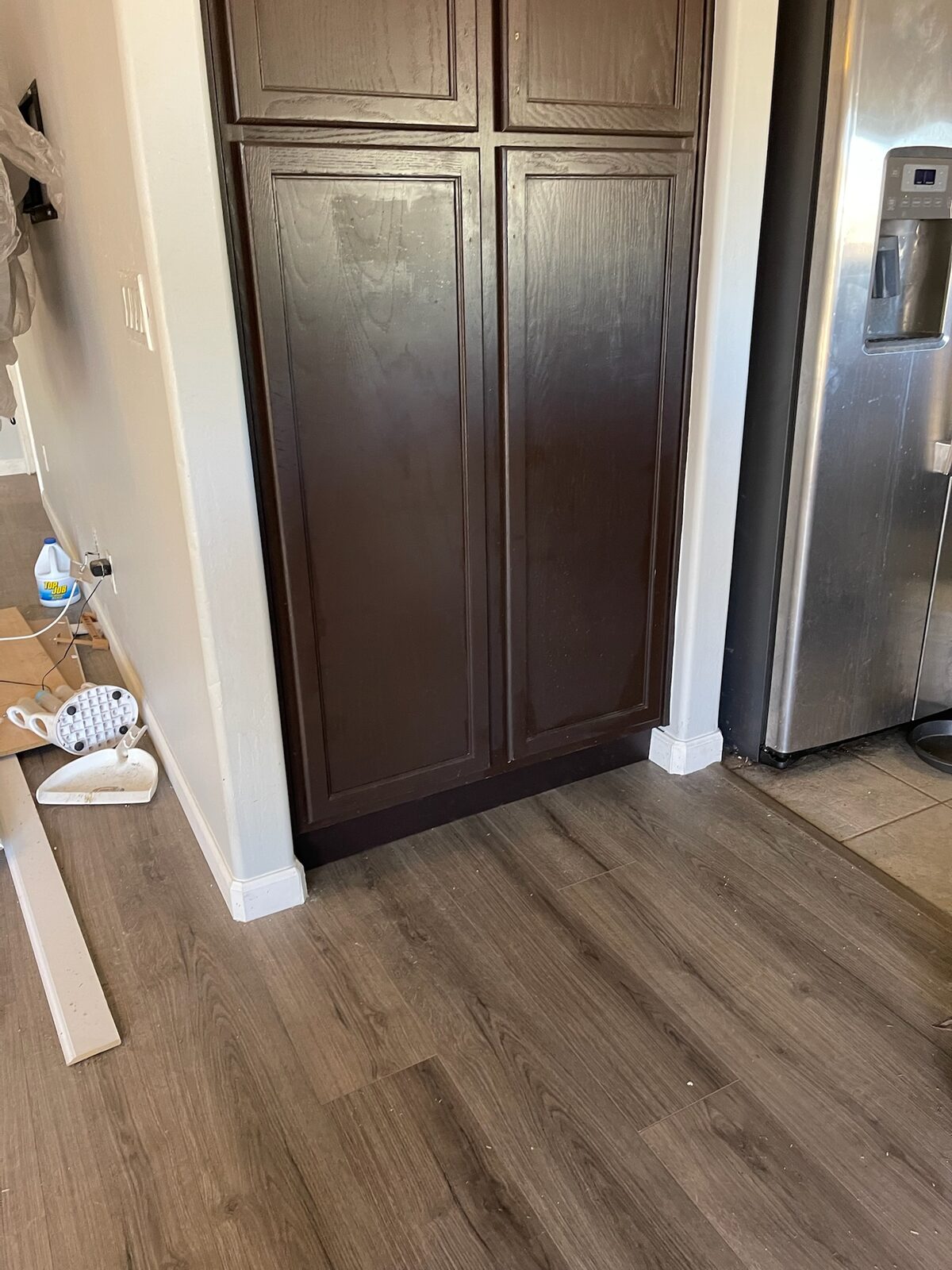
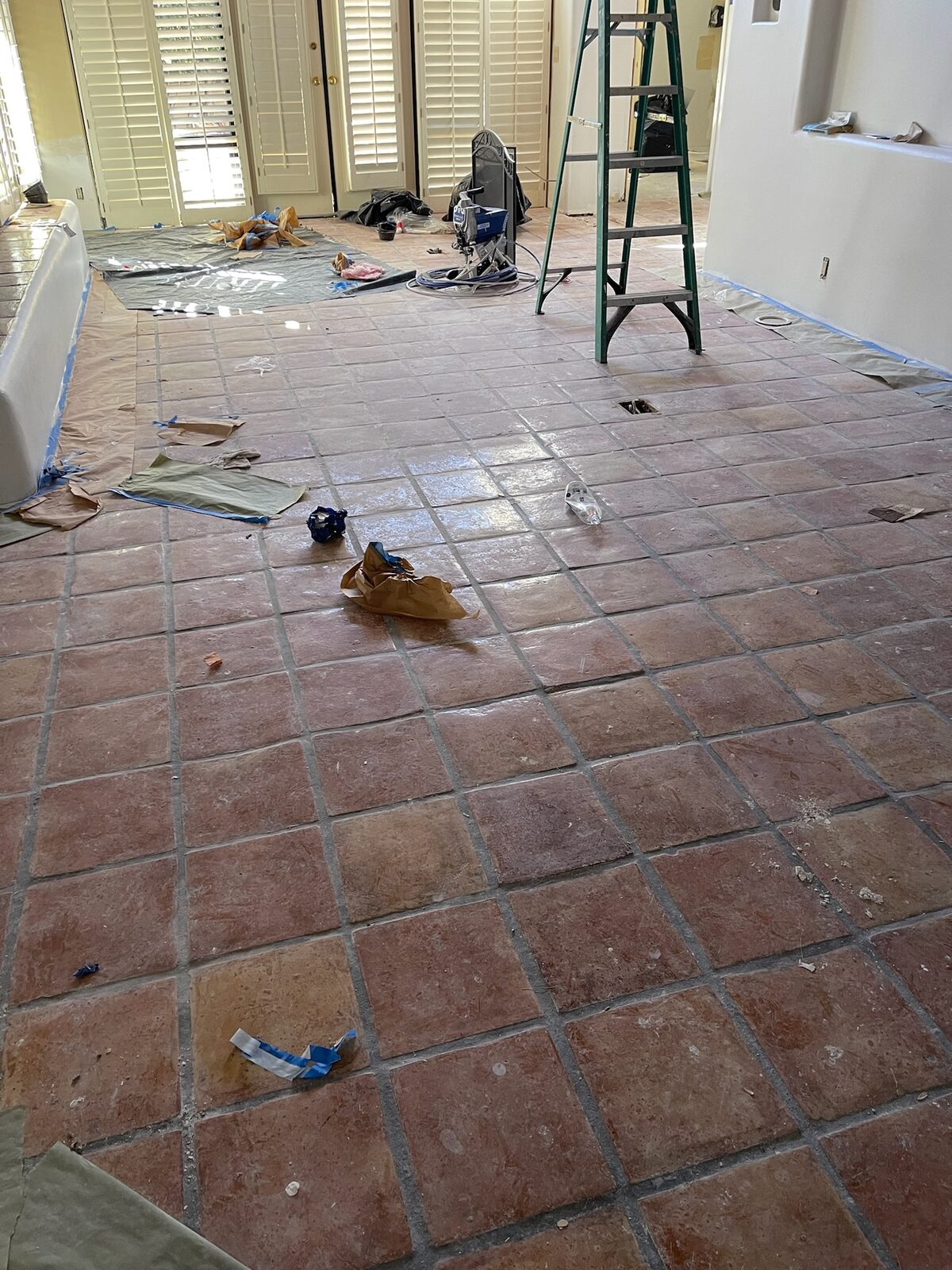
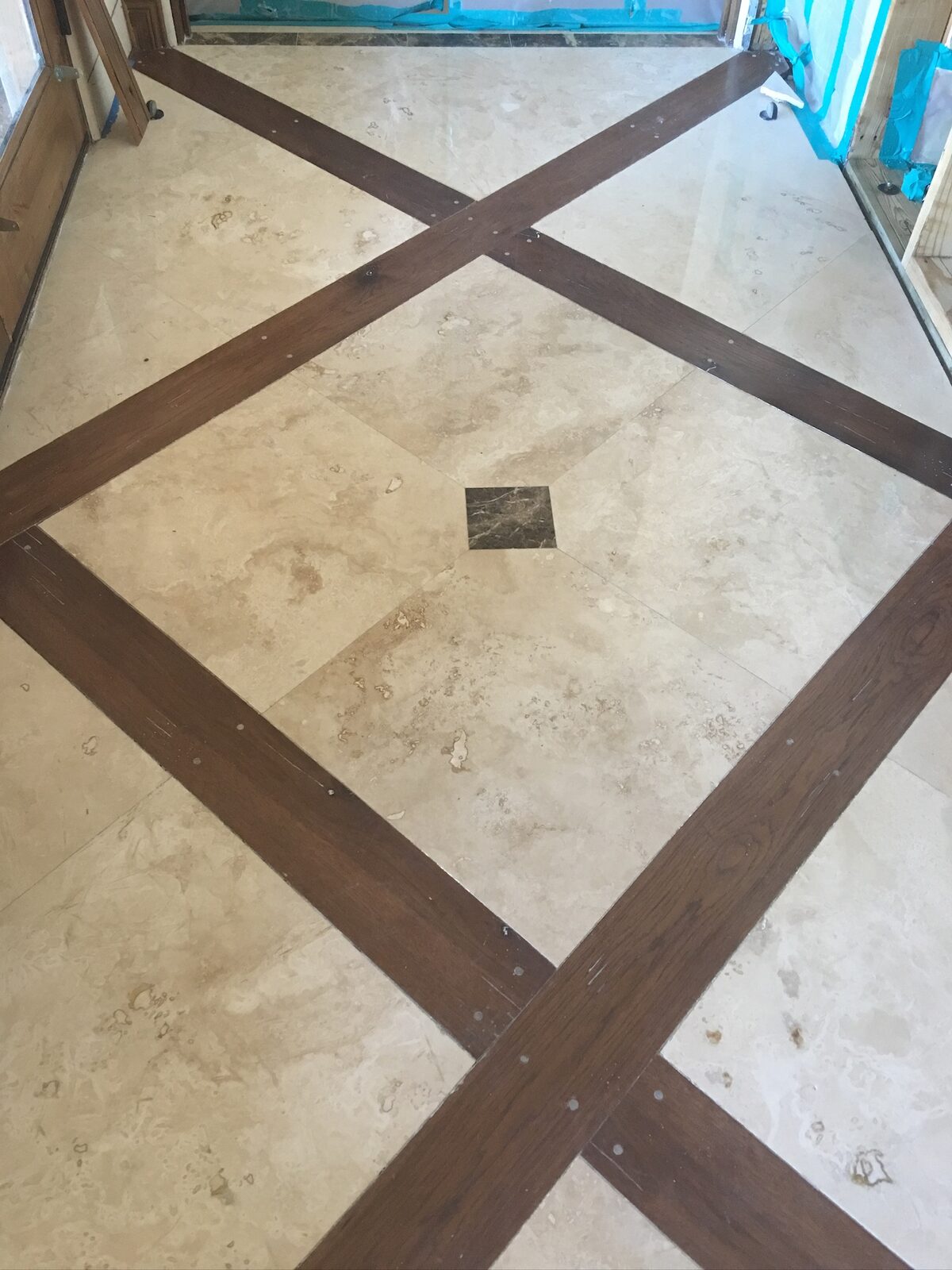
Residential reconstruction work by members of our team. See the full gallery →
More from Gold Water Fire
Abrasive Cleaning Methods for Soot on Framing and Masonry
A look at how abrasive cleaning methods remove soot from wood framing and masonry after a fire, and when each method fits the material.
AC Condensate Line Clogs & the Water Damage They Cause in Phoenix Homes
Why Phoenix AC condensate lines clog every summer, what the water damage looks like, and how to find the source before the ceiling stain spreads again.
Actual Cash Value vs Replacement Cost: Why Your Check Might Not Match the Repair Bill
Confused why your insurance check seems short after fire or water damage? Learn the difference between actual cash value and replacement cost coverage.
Dealing with roof damage and not sure what your options are?
If storm, fire, or water damage has left you needing roof repair or a larger rebuild, Gold Water Fire can walk through what's realistic for your roof. Reach out at (480) 999-3339 or Help@goldwaterfire.com.
Call (480) 999-3339water damage restoration · reconstruction · contact Gold Water Fire