
Hail Damage in Arizona: What Inspectors Look For on Roofs and Soft Metals
You heard the storm hit, maybe even watched the hail bounce off the patio, and now you're standing in the yard looking up at your roof wondering if anything actually happened up there. It's a strange kind of uncertainty. Nothing looks obviously broken from the ground, but you also know Arizona hail can be sneaky, and the idea of a slow leak building somewhere you can't see is hard to shake. That uncertainty is worth taking seriously, not because every storm causes damage, but because the kind of damage hail does is rarely dramatic enough to notice on its own.
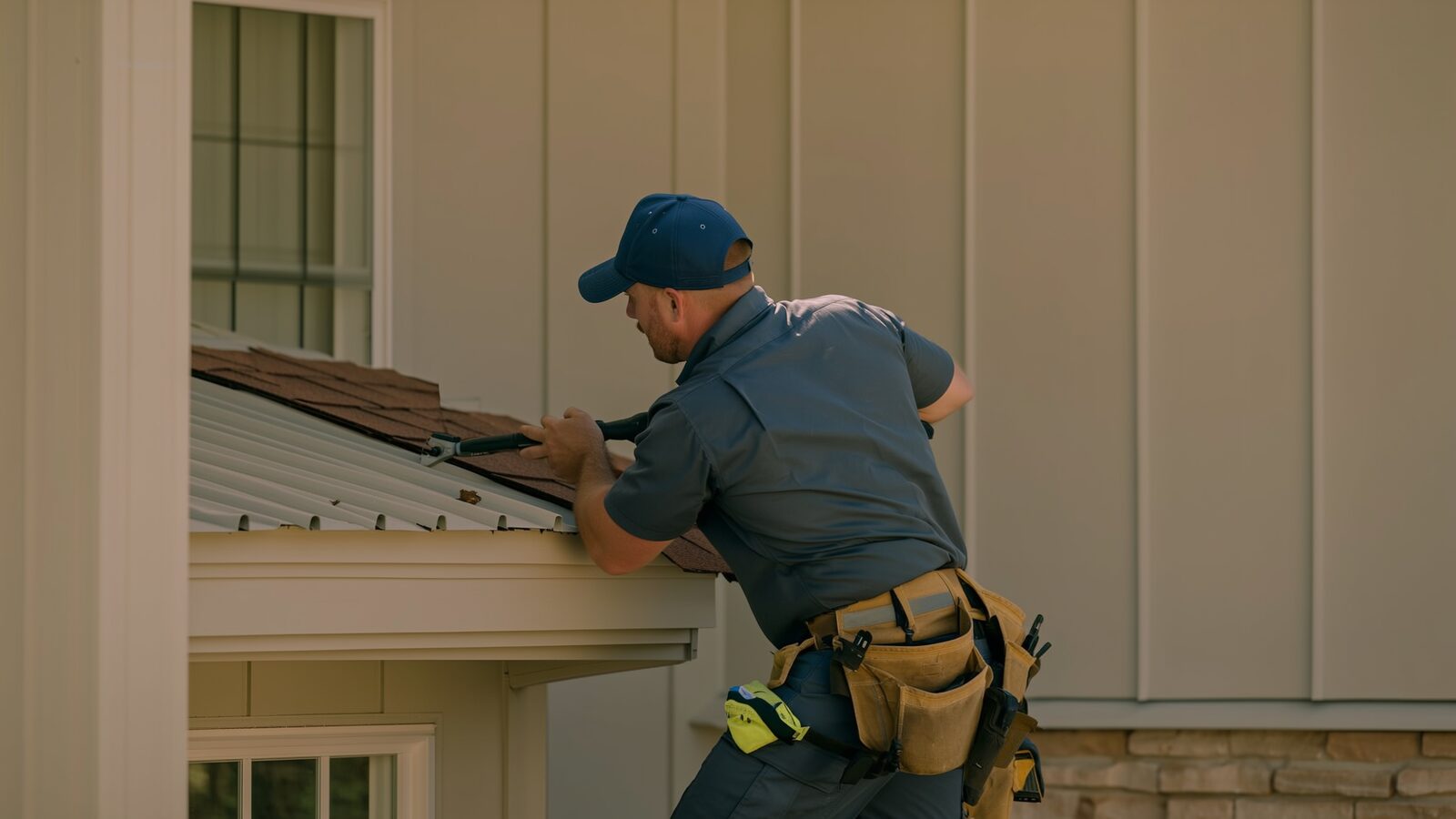
Hail Damage in Arizona: What Inspectors Look For on Roofs and Soft Metals
Why hail damage is easy to miss
Arizona hailstorms tend to be short and localized, often paired with high winds that drive ice at an angle instead of straight down. That means damage can show up on one slope of a roof and not another, or on the north side of a swamp cooler but not the south. Unlike a missing shingle after a windstorm, hail damage is often cosmetic at first: bruising, granule loss, small dents. It doesn't always leak right away, which is exactly why it gets overlooked until a monsoon season later when a ceiling stain finally shows up.
What inspectors check on the roof
A roof inspection after hail usually starts with asphalt shingles, since they're the most common roofing material in the Phoenix metro area. Inspectors look for granule loss (the roof runoff or gutters may show a gritty black residue), soft spots where the mat underneath has been bruised, and cracked or dented shingle edges. Impact marks are often random in pattern and size, which is one way inspectors tell hail damage apart from ordinary wear or foot traffic. They also check ridge caps, vents, and any roof penetrations, since those raised edges take a direct hit and show damage sooner than a flat shingle field.
Soft metals tell the real story
Roofers and adjusters often look at soft metal components first because they bruise more predictably than shingles do. Aluminum or copper gutters, downspouts, roof vents, HVAC housings, and window screens are all soft enough to dent from hail while showing you exactly how big the hailstones were and how hard they hit. If you see small round dents in a gutter or a dented AC condenser fin, that's a strong sign the roof above it took a comparable hit, even if the shingles look fine from a distance. Consistent, evenly spaced dents on multiple metal surfaces around the house is one of the clearer signs that a storm caused real impact damage, not just cosmetic wear.
When to take it further
If you notice granule buildup in gutters, dents in soft metal, or any soft or spongy feeling on the roof deck, it's worth documenting what you see with photos and dates before more storms or sun exposure change the picture. Arizona's intense summer heat can accelerate deterioration of already-weakened roofing material, so a small bruise today can become a bigger problem by next monsoon season. If you're dealing with water intrusion from a damaged roof, our guide on water damage restoration covers what to expect once moisture gets inside a home. If the roofing or siding needs to be rebuilt, reconstruction and rebuild work picks up after the damage assessment is done.
Questions people ask us
How long after a hailstorm can damage still show up?
Cosmetic hail damage like granule loss or bruised shingles doesn't always leak right away. It can take weeks or even another storm season before a slow leak or worn spot turns into a visible problem inside the home.
Can I tell hail damage apart from normal roof wear myself?
It's difficult from the ground. Hail marks tend to be random in size and spacing, while wear patterns from foot traffic or age are usually more uniform. Checking soft metals like gutters and vent caps for dents is often an easier first clue than trying to read the shingles themselves.
Does every hailstorm in Arizona cause roof damage?
No. Many storms produce hail too small or a duration too short to bruise shingles or dent metal. Checking for granule loss, dents in soft metals, and any soft spots on the roof deck is the way to tell whether a specific storm actually caused damage.
What soft metal spots should I check first?
Gutters, downspouts, roof vent caps, and any exposed HVAC housing or fins are good starting points. These materials dent more easily than shingles, so visible marks there often indicate the roof took a comparable impact.
The standard our team works to
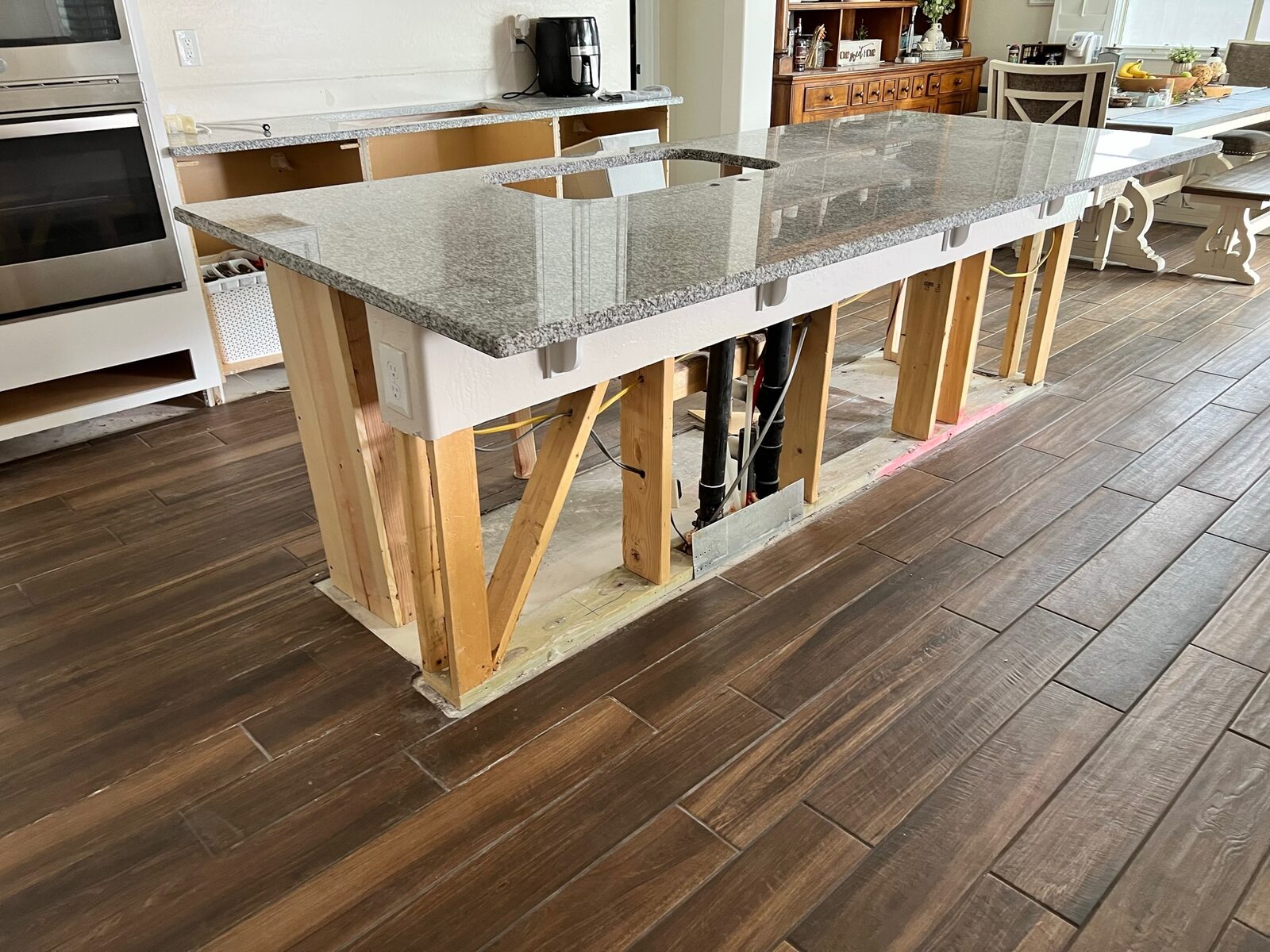
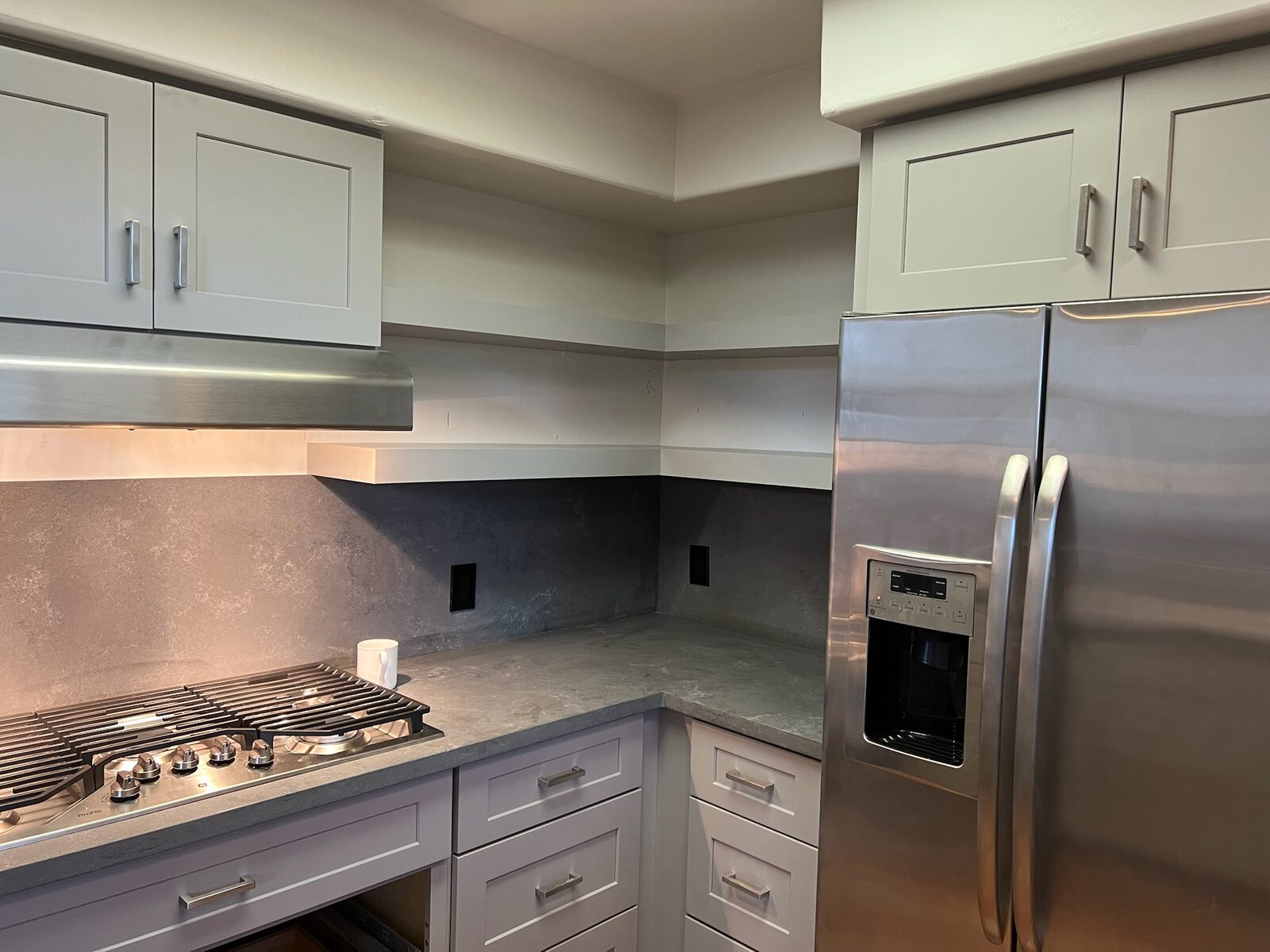
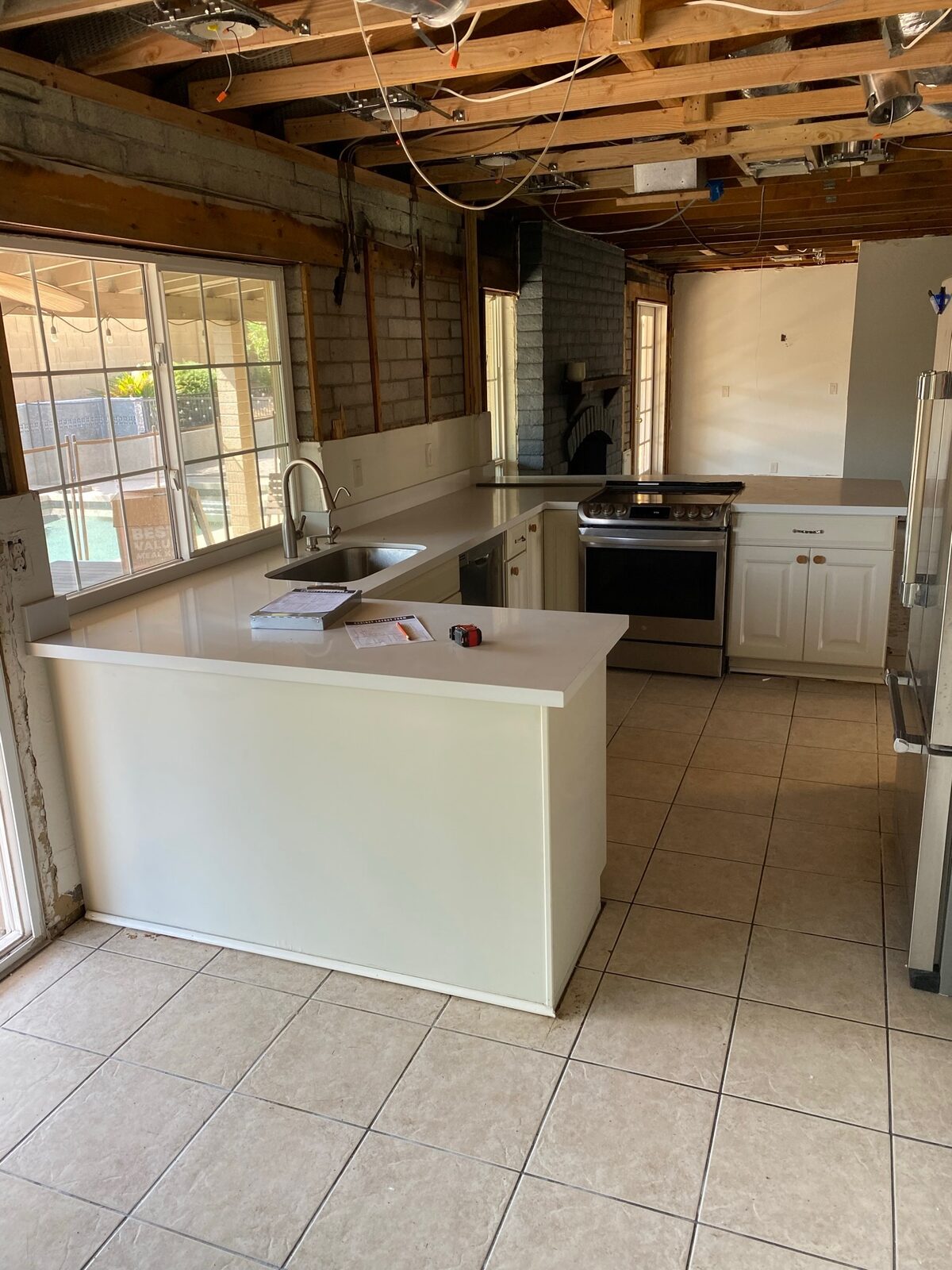
Residential reconstruction work by members of our team. See the full gallery →
More from Gold Water Fire
Abrasive Cleaning Methods for Soot on Framing and Masonry
A look at how abrasive cleaning methods remove soot from wood framing and masonry after a fire, and when each method fits the material.
AC Condensate Line Clogs & the Water Damage They Cause in Phoenix Homes
Why Phoenix AC condensate lines clog every summer, what the water damage looks like, and how to find the source before the ceiling stain spreads again.
Actual Cash Value vs Replacement Cost: Why Your Check Might Not Match the Repair Bill
Confused why your insurance check seems short after fire or water damage? Learn the difference between actual cash value and replacement cost coverage.
Dealing with water damage after a storm?
If a damaged roof has let water into your home, reach out to Gold Water Fire at (480) 999-3339 or Help@goldwaterfire.com to talk through next steps.
Call (480) 999-3339Water Damage Restoration · Reconstruction & Rebuild · Contact Gold Water Fire