
Heat Damage Without Flames: When Radiant Heat Melts Siding and Windows
You look at the side of your house and something is wrong, but there was no fire here. Maybe a neighbor's shed burned down the street, or a car fire happened at the curb, and now your siding has these strange rippled dips in it, or your window frame looks like it's sagging. It's confusing to explain to an insurance adjuster, and even more confusing to explain to yourself. How does something melt without ever catching fire? You're not imagining it, and you're not wrong to be unsettled by it.
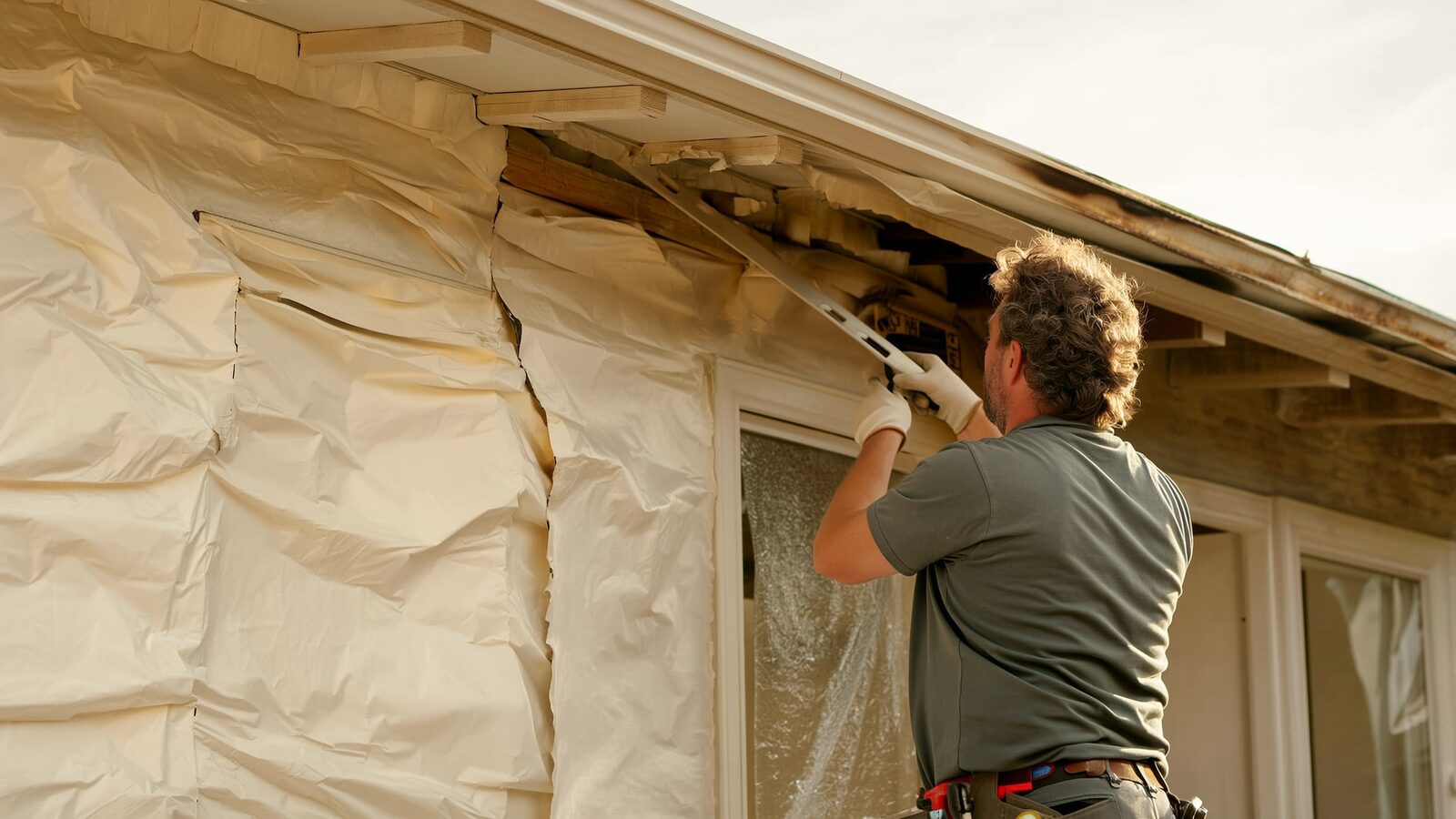
Heat Damage Without Flames: When Radiant Heat Melts Siding and Windows
How heat travels without a flame ever touching your home
Radiant heat moves through the air the same way sunlight does, as invisible energy, not as fire itself. When something burns close to a structure, the heat it throws off can travel dozens of feet and still be intense enough to soften plastic, distort metal, or crack glass. Vinyl siding is especially vulnerable because it starts to deform at temperatures far lower than what's needed to ignite wood. That's why you can end up with melted siding on a wall that never had a flame anywhere near it, while the grass in front of it is untouched.
Line of sight matters
Radiant heat travels in straight lines. Damage often shows up strongest on the side of a structure that faced the fire directly, and tapers off around corners or behind obstructions.
Distance doesn't mean safety
A fire several yards away, in a neighboring yard, a vehicle, or a detached structure, can still radiate enough heat to affect siding, window frames, and eaves on your property.
What melted siding and windows actually look like
Heat-affected vinyl siding usually shows as wavy, rippled, or sunken sections rather than obvious burning or charring. The color may look slightly duller or discolored in patches. Window damage can be subtler: vinyl frames may warp or bow, dual-pane glass can develop a hazy or cracked look between the panes, and seals can fail even when the glass itself still looks clear. None of this necessarily shows soot or smoke smell, which is part of why it gets missed or dismissed at first glance.
Check at eye level and up close
Rippling in siding can be hard to see from a distance or in bright light. Walk the affected side of the house and look at the surface at a low angle to catch subtle waves.
Watch for delayed window failure
A window can look fine right after a nearby fire and fail weeks later as seals give way from heat stress. Fogging between panes is a common delayed sign.
Why this kind of damage gets overlooked
Homeowners and even some initial assessments focus on visible fire and smoke damage, so radiant heat effects on an adjacent or nearby structure can go unnoticed until much later. Insurance claims can also get complicated when there's no scorch mark to point to. The confusion is understandable: it feels strange to file a claim for melted siding when your house never burned. But heat damage from radiant exposure is a recognized category of loss, distinct from direct fire or smoke damage, and it's worth documenting carefully even if the cause feels indirect.
Document before you touch anything
Photograph affected siding, windows, and trim from multiple angles and distances before any cleanup or repair begins. Note the date and, if known, the source and distance of the heat event.
Get a full exterior walk-around
Radiant damage doesn't always stay contained to one wall. Check adjacent siding runs, soffits, gutters, and window trim on the same side of the structure, not just the most obvious spot.
What repair usually involves
Melted or warped vinyl siding generally needs to be replaced rather than repaired, since heat-distorted vinyl doesn't return to its original shape once it cools. Matching existing siding can be a challenge if the product has been discontinued or weathered unevenly compared to new material. Window frames with heat damage often need a full unit replacement if the frame itself has warped, though glass-only replacement may be possible if the frame is intact and only the seal has failed. A proper assessment looks at the structure as a system, siding, trim, windows, and underlying sheathing, since heat that reached the surface may have affected what's underneath it too.
Read more on repair and rebuild
For a look at how larger scale rebuilds are handled after fire-related damage, see Reconstruction & Rebuild.
Understand the fire damage picture fully
Radiant heat exposure is often just one piece of a larger fire event. Fire Damage Restoration covers the fuller picture of what a fire nearby or on the property can affect.
Questions people ask us
Can siding melt from a fire that never touched my house?
Yes. Radiant heat from a nearby fire, whether it's a structure, vehicle, or brush fire, can transfer enough energy through the air to soften or deform vinyl siding without any flame or smoke ever reaching the surface.
How do I know if my windows have heat damage if the glass isn't broken?
Look for warping or bowing in the frame, a hazy or foggy look between panes of dual-pane glass, and seals that no longer feel snug. Some of this damage shows up weeks after the event as heat-stressed seals fail.
Is radiant heat damage covered differently than fire damage on an insurance claim?
Coverage details depend on your specific policy and insurer, so it's worth reviewing your documentation with your adjuster and asking directly how radiant or heat-only exposure is classified under your policy.
Does melted siding always need full replacement?
In most cases, yes, because vinyl that has warped from heat doesn't return to its original shape once cooled. A contractor assessing the damage can confirm whether replacement of the affected sections or the full run is needed.
The standard our team works to
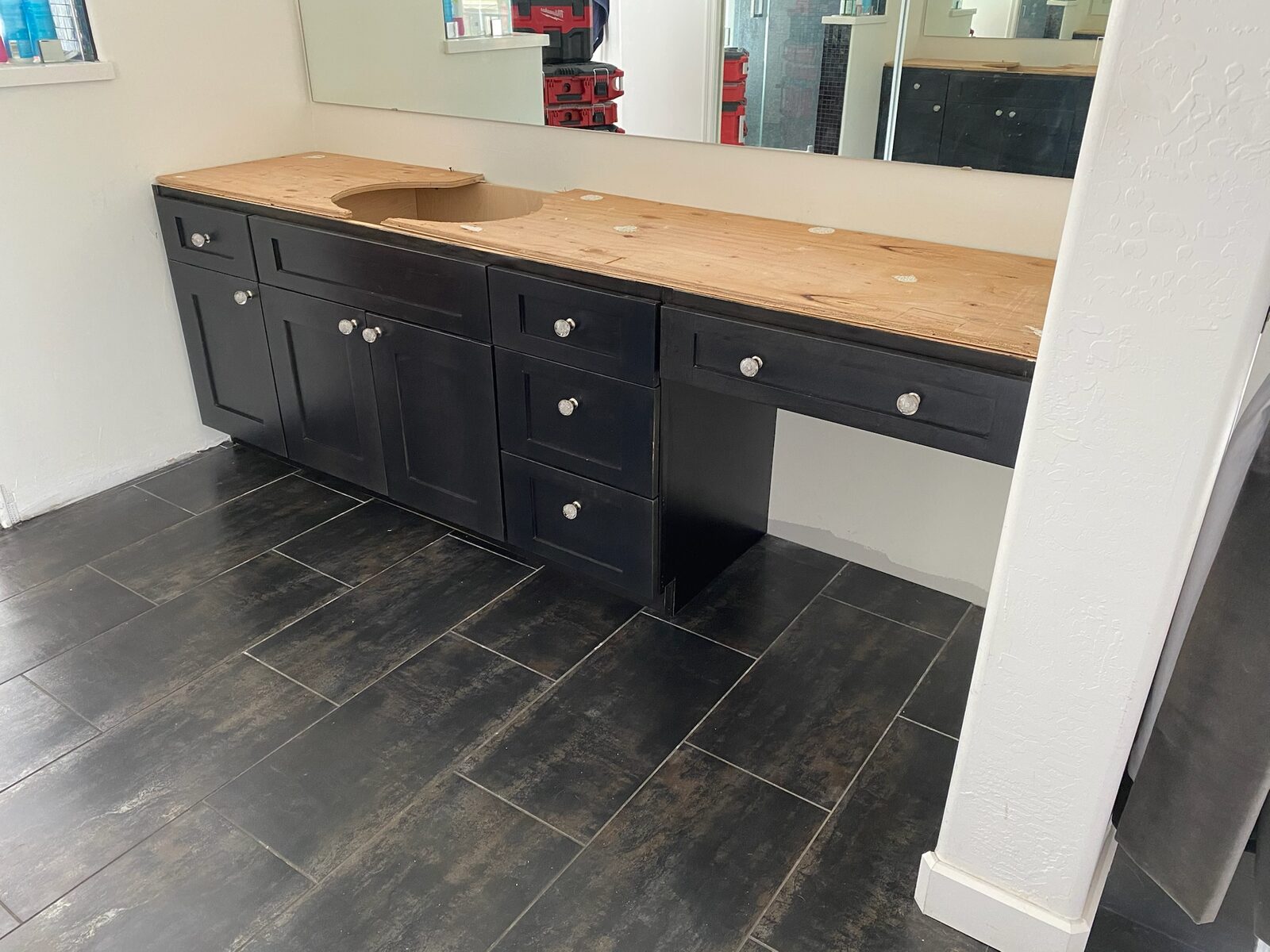
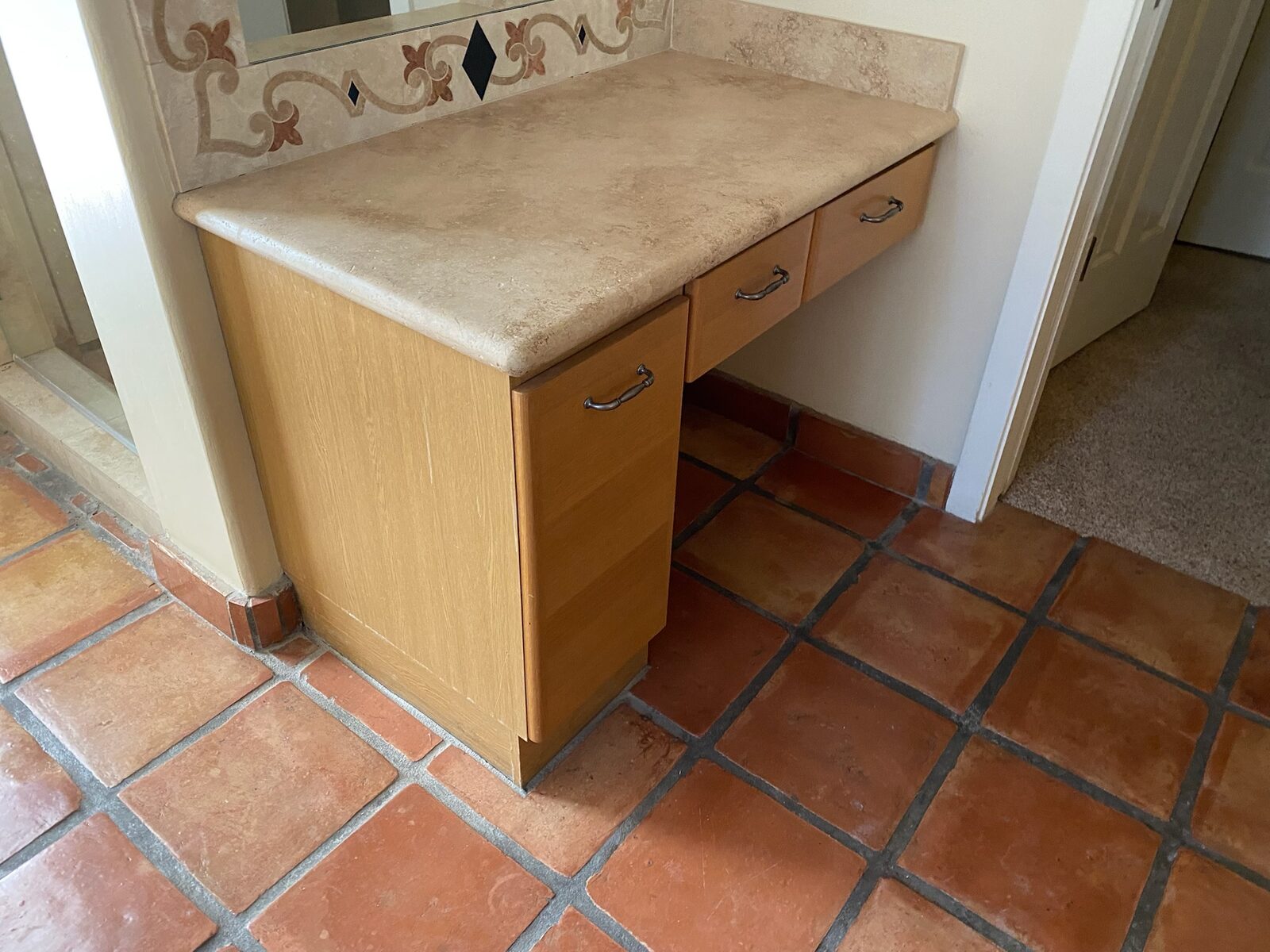
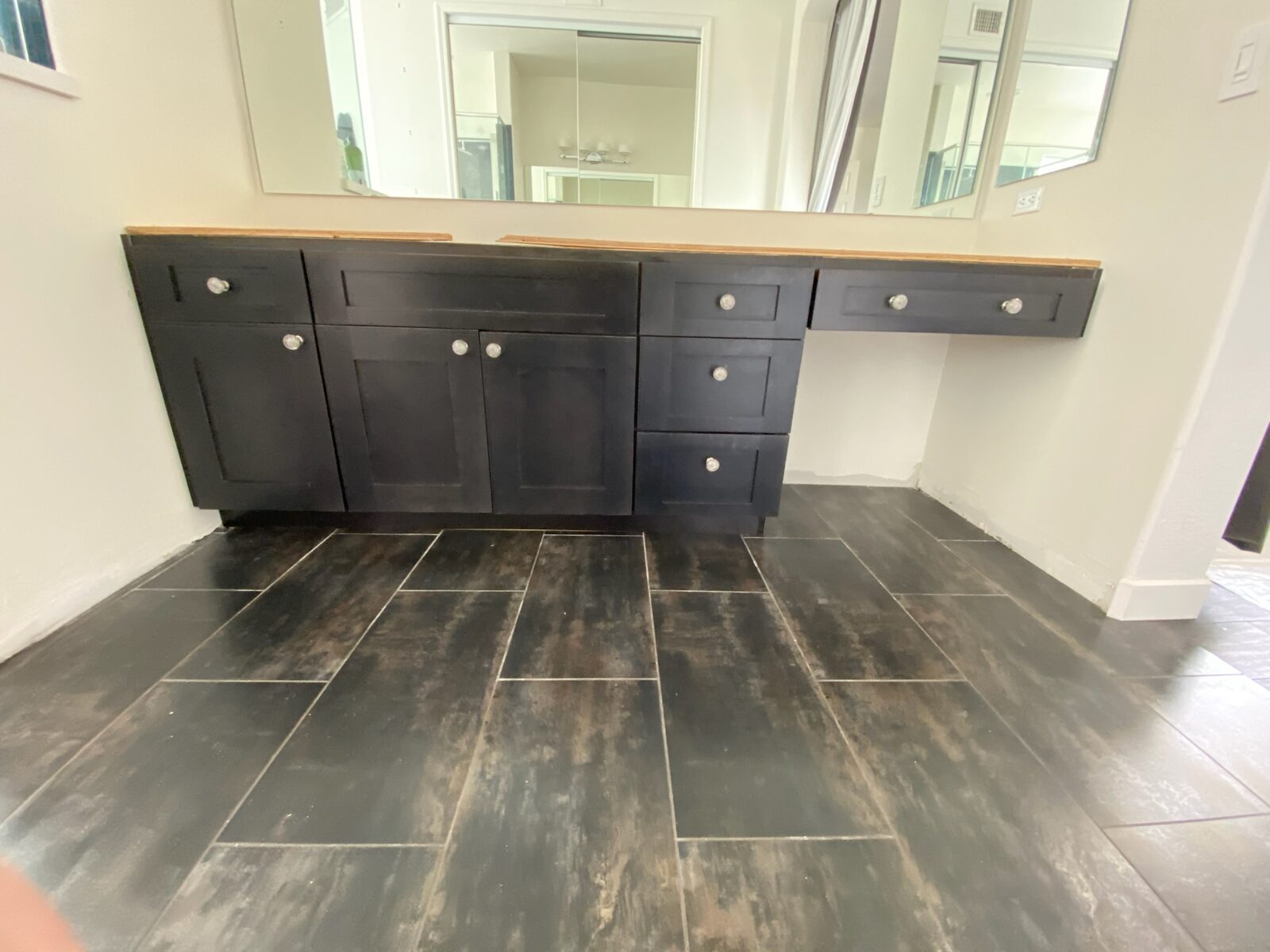
Residential reconstruction work by members of our team. See the full gallery →
More from Gold Water Fire
Abrasive Cleaning Methods for Soot on Framing and Masonry
A look at how abrasive cleaning methods remove soot from wood framing and masonry after a fire, and when each method fits the material.
AC Condensate Line Clogs & the Water Damage They Cause in Phoenix Homes
Why Phoenix AC condensate lines clog every summer, what the water damage looks like, and how to find the source before the ceiling stain spreads again.
Actual Cash Value vs Replacement Cost: Why Your Check Might Not Match the Repair Bill
Confused why your insurance check seems short after fire or water damage? Learn the difference between actual cash value and replacement cost coverage.
Not sure what you're looking at? Let's find out together.
If you're seeing warped siding, foggy windows, or other heat effects without an obvious fire cause, Gold Water Fire can walk the property with you and help you understand what happened. Call (480) 999-3339 or reach out through our <a href="/contact.html">contact page</a>.
Call (480) 999-3339