
Framing Repairs: Sistering, Replacement, and When an Engineer Gets Involved
Finding out that the framing behind your wall, floor, or roof has been damaged is unsettling in a way that surface damage isn't. Drywall and flooring feel replaceable. Framing feels like it's supposed to be the part of the house you never have to think about, the bones holding everything else up. When someone tells you a stud, joist, or rafter has rot, char, or warping, it's normal to feel a little destabilized, and to wonder how bad it really is, whether the whole structure is compromised, and how anyone decides what actually needs to come out versus what can be reinforced in place.
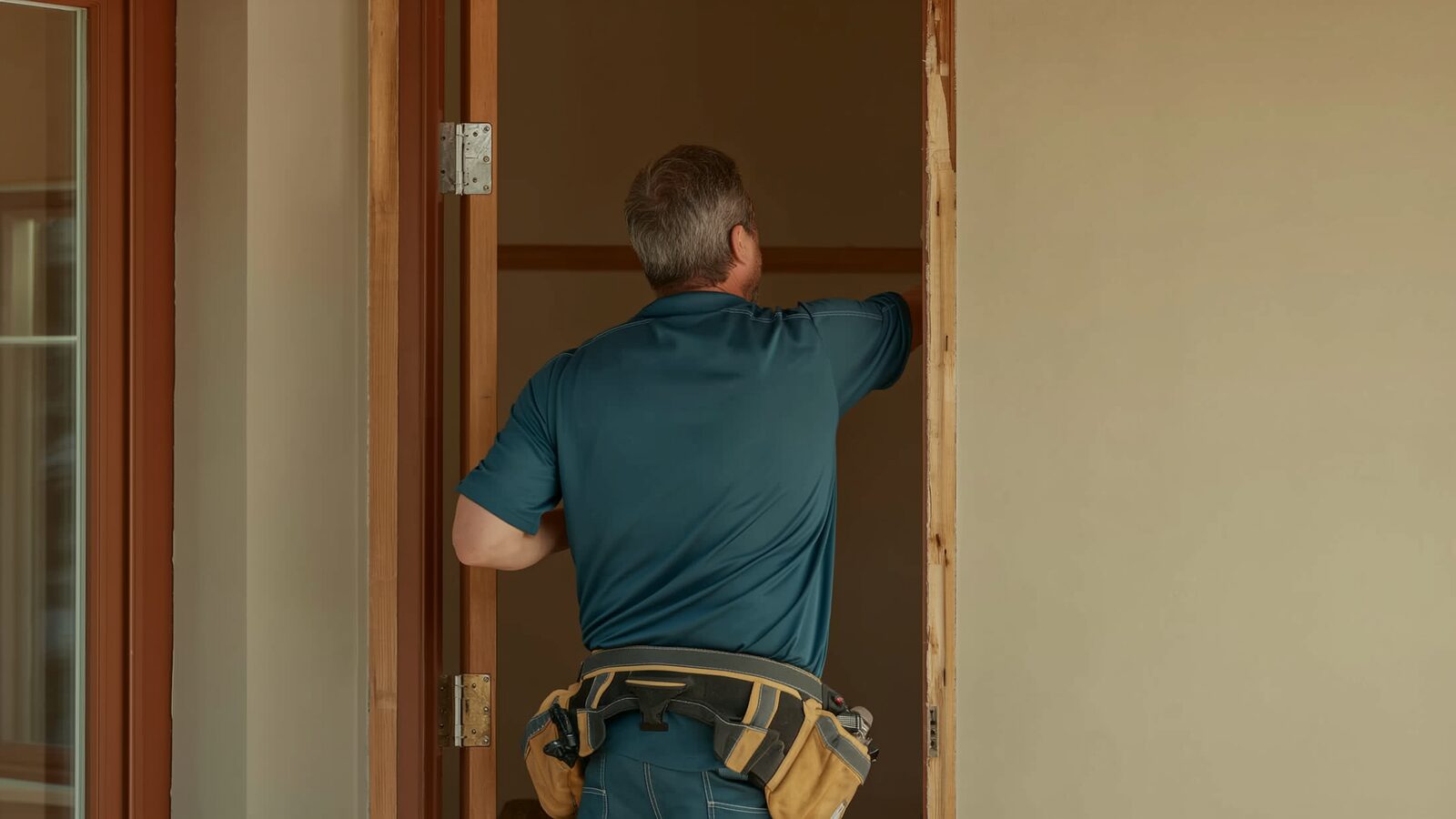
Framing Repairs: Sistering, Replacement, and When an Engineer Gets Involved
Why framing gets damaged in the first place
Wood framing is vulnerable to two main things: sustained moisture and heat. A slow plumbing leak inside a wall cavity can soak a stud or sill plate for weeks before anyone notices a stain or soft spot on the surface, long enough for rot or mold to take hold in the wood fibers. Flooding from outside, a burst pipe, or a roof leak can saturate joists and subfloor framing, and if it isn't dried quickly and thoroughly, the wood can swell, warp, or begin to decay from the inside. Fire damage works differently: even wood that wasn't directly burned can be weakened by prolonged heat exposure, which changes the wood's structural properties even where char isn't visible. In both cases, the damage that matters most is often the damage you can't see by looking at a wall.
Sistering: reinforcing without fully replacing
Sistering is a common repair method where a new piece of lumber, matching the dimension of the damaged member, is fastened alongside the existing stud, joist, or rafter rather than removing it entirely. This works when the damaged framing member still has enough sound wood to hold fasteners and share the load, and when the damage is localized rather than running the full length of the piece. Sistering is often the right call for moderate rot at one section of a joist, or for a stud with surface charring that hasn't compromised its core. It's faster and less invasive than a full tear-out, but it only works if the remaining wood is genuinely structurally sound, not just intact-looking.
When full replacement is the safer path
Full replacement becomes necessary when the damage runs along most or all of a framing member's length, when the wood has lost enough density that fasteners won't hold securely, or when rot has spread to connected framing like a sill plate or header. Fire-damaged framing that's deeply charred or has lost significant cross-section usually needs to come out rather than be reinforced, because heat-weakened wood can fail under load even if it looks intact from one side. Load-bearing walls, main support beams, and roof framing near a compromised area generally call for a more conservative approach: when in doubt, replacing rather than reinforcing protects against a repair that looks solved but isn't.
When a structural engineer needs to be involved
Not every framing repair needs an engineer, but some situations call for one before any repair work begins. If the damaged framing is part of a load-bearing wall, a main beam, or a critical roof truss connection, an engineer's assessment can determine the actual extent of the compromise and specify how the repair needs to be built to carry the original load safely. Structural engineers are also typically required when a permit is needed for load-bearing work, when multiple adjacent framing members are damaged (which changes how the load is distributed across the remaining structure), or when there's any uncertainty about whether a foundation or supporting wall has shifted as a result of the damage. Getting this step right protects both the safety of the repair and its long-term value if the home is ever sold.
Questions people ask us
Can I just cover damaged framing with new drywall instead of repairing it?
Covering damaged framing without repairing it lets the underlying problem continue, whether that's active rot, ongoing moisture, or weakened wood fibers from heat exposure. It also creates issues later if the home is inspected or sold, since covered damage tends to surface eventually.
How do I know if my framing damage is structural or cosmetic?
Surface staining or minor warping isn't always structural, but soft or spongy wood, visible sagging, cracking sounds, or char that goes beyond the surface usually points to a structural issue. A hands-on inspection of the exposed framing is the only reliable way to tell.
Does sistering framing require a permit?
It depends on the scope and whether the framing is load-bearing. Local building departments in the Phoenix metro area vary in what they require, so it's worth checking before work begins, especially on load-bearing walls or roof structures.
What happens if damaged framing gets closed up without being addressed?
Rot and moisture damage can continue spreading to adjacent framing members even after the surface is repaired, and fire-weakened wood doesn't regain strength on its own. Addressing it before closing the wall or ceiling back up avoids a repeat problem down the line.
The standard our team works to
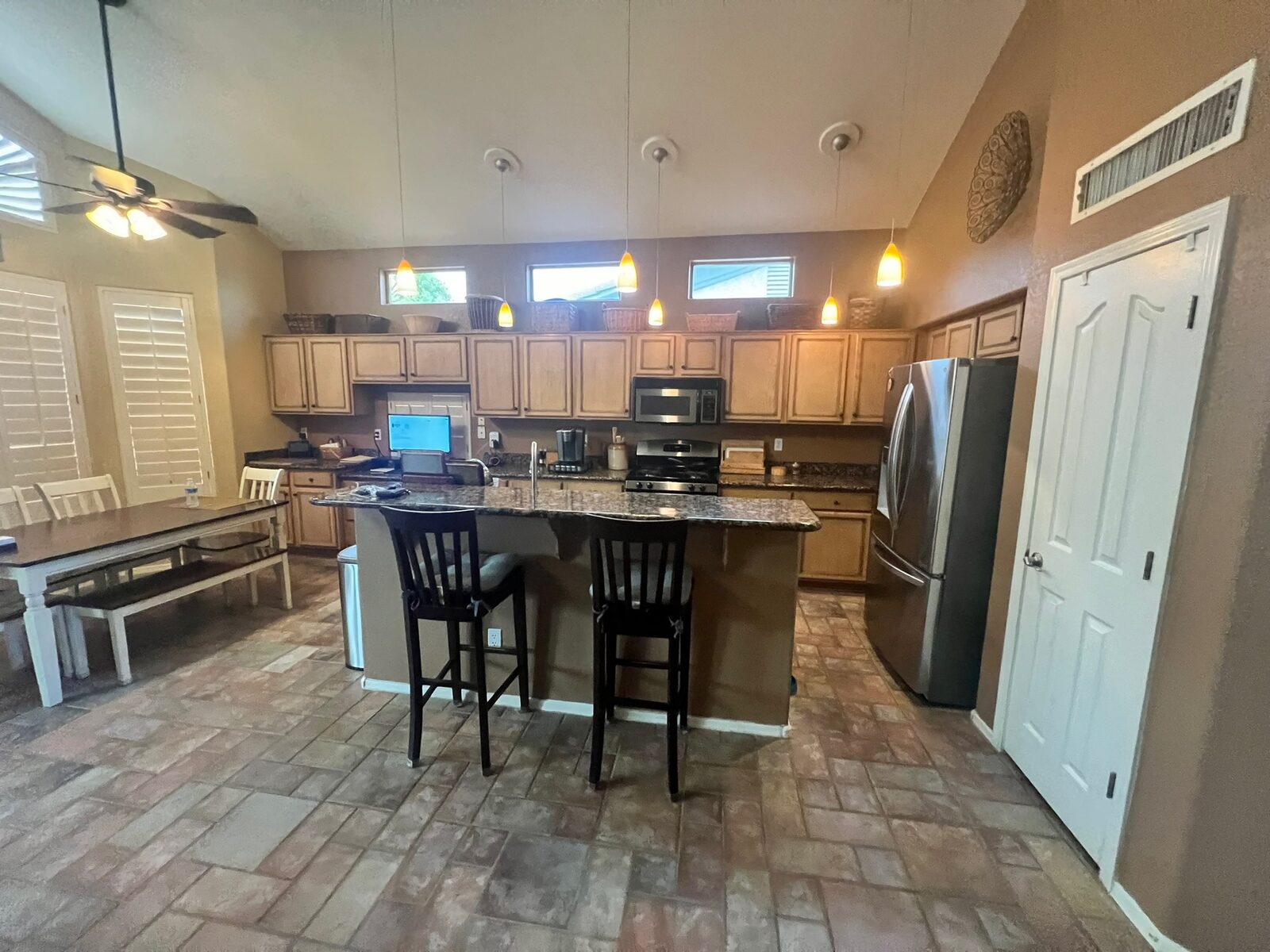
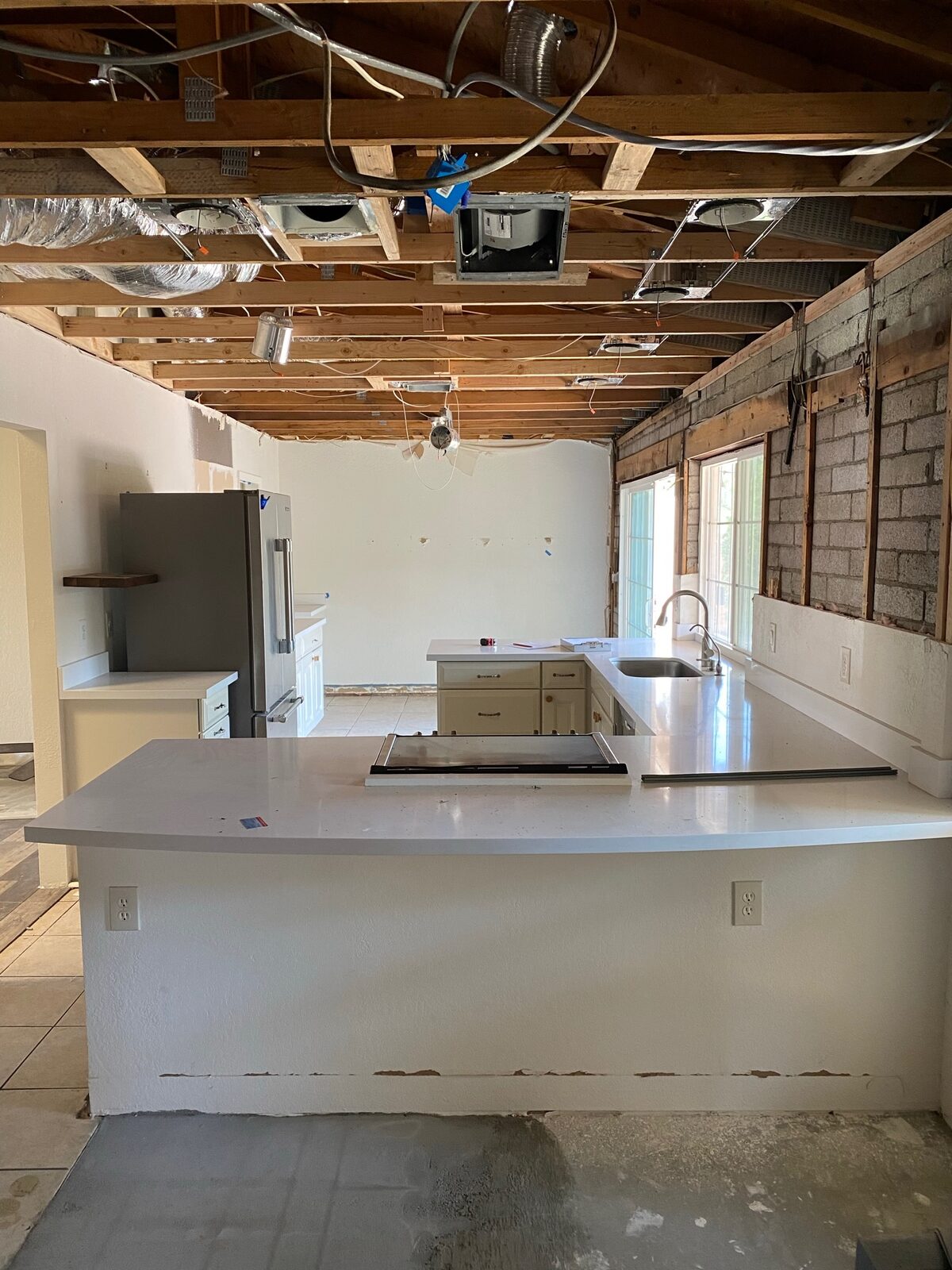
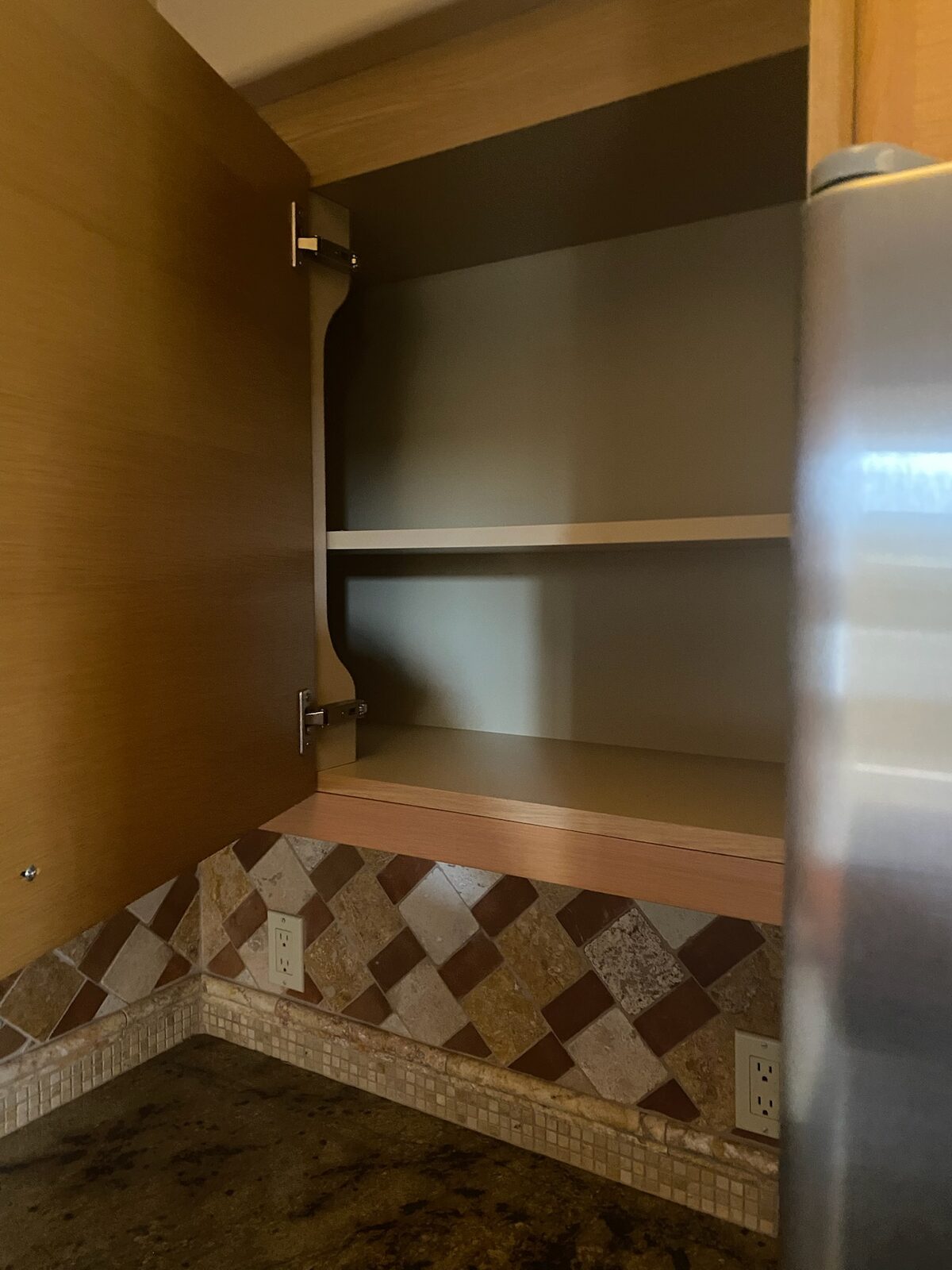
Residential reconstruction work by members of our team. See the full gallery →
More from Gold Water Fire
Abrasive Cleaning Methods for Soot on Framing and Masonry
A look at how abrasive cleaning methods remove soot from wood framing and masonry after a fire, and when each method fits the material.
AC Condensate Line Clogs & the Water Damage They Cause in Phoenix Homes
Why Phoenix AC condensate lines clog every summer, what the water damage looks like, and how to find the source before the ceiling stain spreads again.
Actual Cash Value vs Replacement Cost: Why Your Check Might Not Match the Repair Bill
Confused why your insurance check seems short after fire or water damage? Learn the difference between actual cash value and replacement cost coverage.
Dealing with damaged framing in your home?
If water or fire damage has reached the framing in your Phoenix-area home, Gold Water Fire can assess what's been affected and explain the repair path, from sistering to full reconstruction. Reach out at (480) 999-3339 or Help@goldwaterfire.com.
Call (480) 999-3339Water Damage Restoration · Fire Damage Restoration · Reconstruction & Rebuild · Contact Gold Water Fire