
Insurer Preferred Vendor Programs: What They Are and What Your Choice Rights Are
If you've just filed a claim for water or fire damage and your insurance company already handed you a name, a phone number, and told you someone will "take care of it," you might feel like the decision has already been made for you. That feeling is worth pausing on. You're trying to figure out whether you actually have a say in who walks into your home and does this work, and the answer isn't something most people are told clearly at the moment they need it most.
Insurer Preferred Vendor Programs: What They Are and What Your Choice Rights Are
What a preferred vendor program actually is
Most large insurance carriers maintain a network of contractors they call repeatedly to handle water, fire, and storm claims. These are often referred to as preferred vendor, managed repair, or direct repair programs. Contractors join these networks by agreeing to the insurer's pricing structures, documentation formats, and in many cases, the insurer's own repair estimating software. In exchange, the insurer refers claims volume to them. This arrangement exists to make the claims process faster and more predictable for the insurance company. It can also be genuinely convenient for a homeowner: someone is dispatched quickly, paperwork tends to move through the same system the adjuster uses, and there is less back-and-forth over line-item pricing because the numbers were pre-negotiated. What it does not mean is that the vendor works for you. The contractor's contract, pricing agreement, and ongoing referral relationship are with the insurance company, not with the homeowner. That doesn't automatically make the work worse, but it does mean the incentives in the room are different than if you had chosen the contractor yourself.
You are not required to use the insurer's recommended contractor
In Arizona, as in the rest of the country, a property insurance policy pays for covered repairs; it does not obligate you to hire a specific company to perform them. Your policy is a contract for money to fix covered damage, not a contract that assigns you a contractor. An adjuster or claims rep can recommend a name, sometimes strongly, but a recommendation is not a requirement. If you're told that using an outside contractor will delay your claim, cause a coverage problem, or void something in your policy, ask for that specific policy language in writing. In most standard homeowner policies, no such restriction exists. What can genuinely slow a claim is a mismatch between the scope of work and the scope the insurer approved, which is a documentation issue, not a vendor-choice issue, and it can happen with any contractor, preferred or not.
Why the pricing and scope can differ depending on who you choose
Preferred vendor networks typically work from pricing schedules the insurer sets or heavily influences. That can mean certain line items, like specialized drying equipment, structural drying time, or content manipulation, are priced lower than what an independent estimate would show for the same work in the same market. A contractor working outside the network prices the job based on the actual scope of damage and current material and labor costs, then negotiates that estimate with the insurer directly. Neither approach is automatically dishonest. But it explains why two estimates for what looks like the same water-damaged room can come out different, and why a homeowner sometimes feels caught in the middle of a disagreement between a contractor and an adjuster over what a repair should actually cost.
Questions worth asking before you sign anything
Before you agree to a contractor, whether they came from the insurer's list or you found them yourself, it helps to slow down enough to ask a few direct questions: Who does this company report to, the insurer or me? Am I free to get a second opinion on the scope of damage? Will I see the written estimate before work starts, and does it match what was actually inspected? What happens if the insurer and the contractor disagree on price, who resolves that, and where do I stand while it's unresolved? You can also ask your state's Department of Insurance about your rights as a policyholder if something feels unclear. Arizona homeowners can review their policy's dwelling and additional living expense provisions directly, since those sections govern what's covered regardless of which contractor performs the work.
Questions people ask us
Does my insurance company have to approve the contractor I choose?
No. Your insurer pays for covered repairs according to your policy; it does not have authority to require a specific contractor unless your policy explicitly says so, which is unusual for standard homeowner policies.
Will choosing my own contractor slow down my claim?
Not inherently. Delays usually come from scope disagreements or missing documentation, which can happen with any contractor. Clear photos, moisture readings, and a detailed written estimate help the process move regardless of who you hire.
Can I switch contractors mid-claim if I'm not comfortable with the one the insurer suggested?
Generally yes. You can pause work, request a written scope of what has been done so far, and bring in a different contractor to review or complete the job. Check your specific policy and any signed work authorization for details.
Is a preferred vendor automatically a bad choice?
Not automatically. Some preferred vendors do solid work. The distinction to understand is who they are contractually accountable to, since that shapes how disputes over scope or pricing tend to get resolved.
The standard our team works to
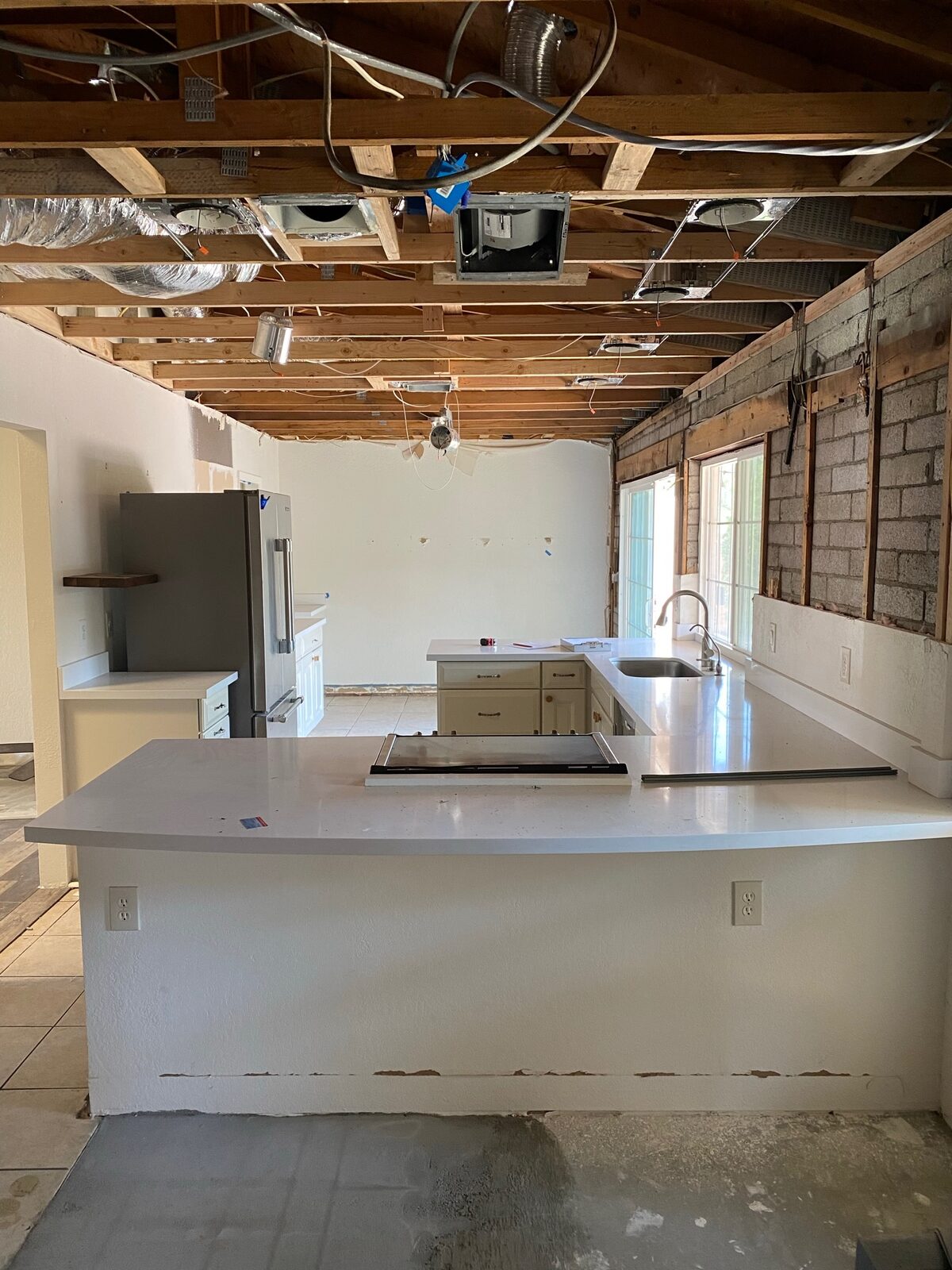
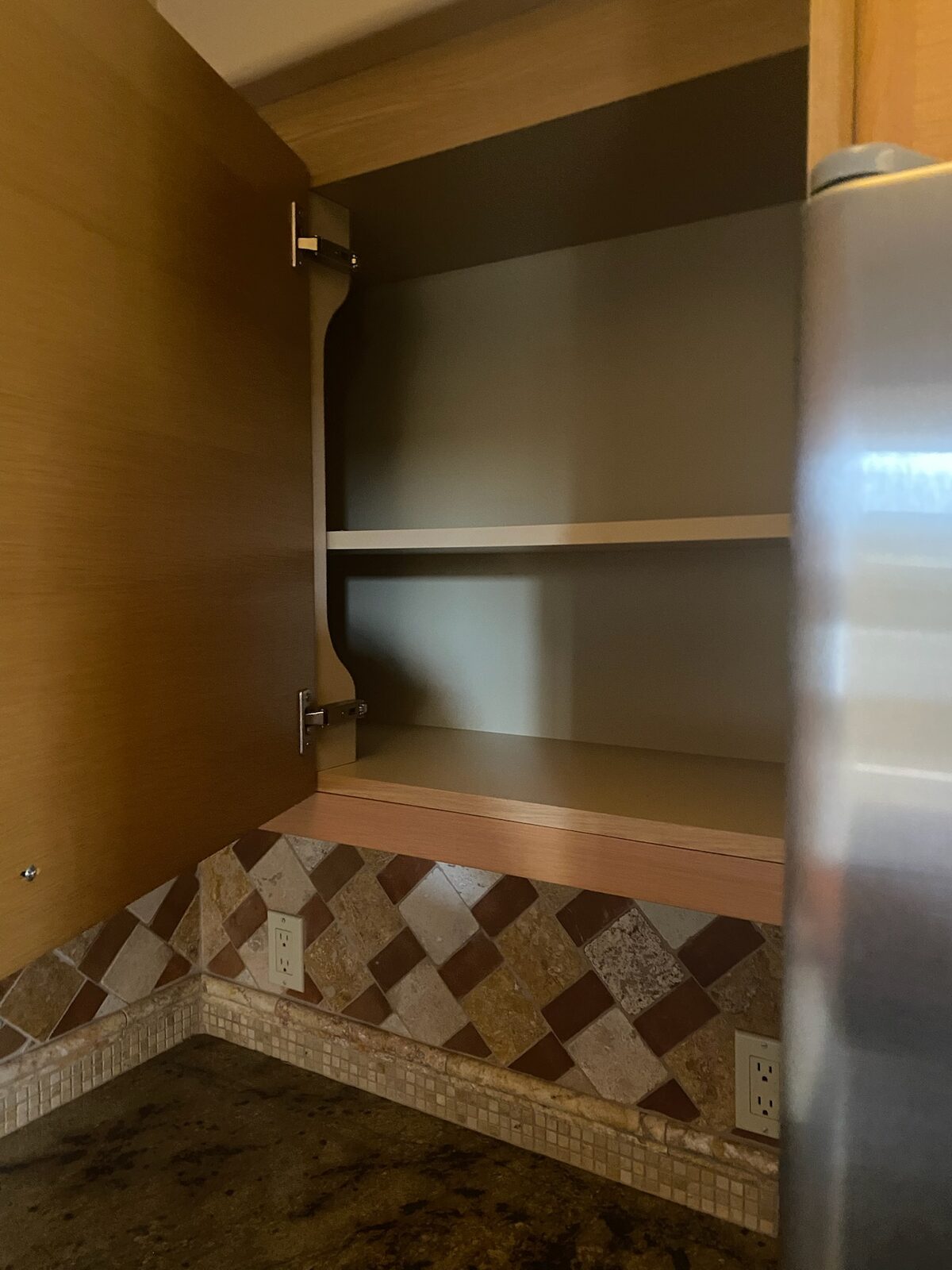
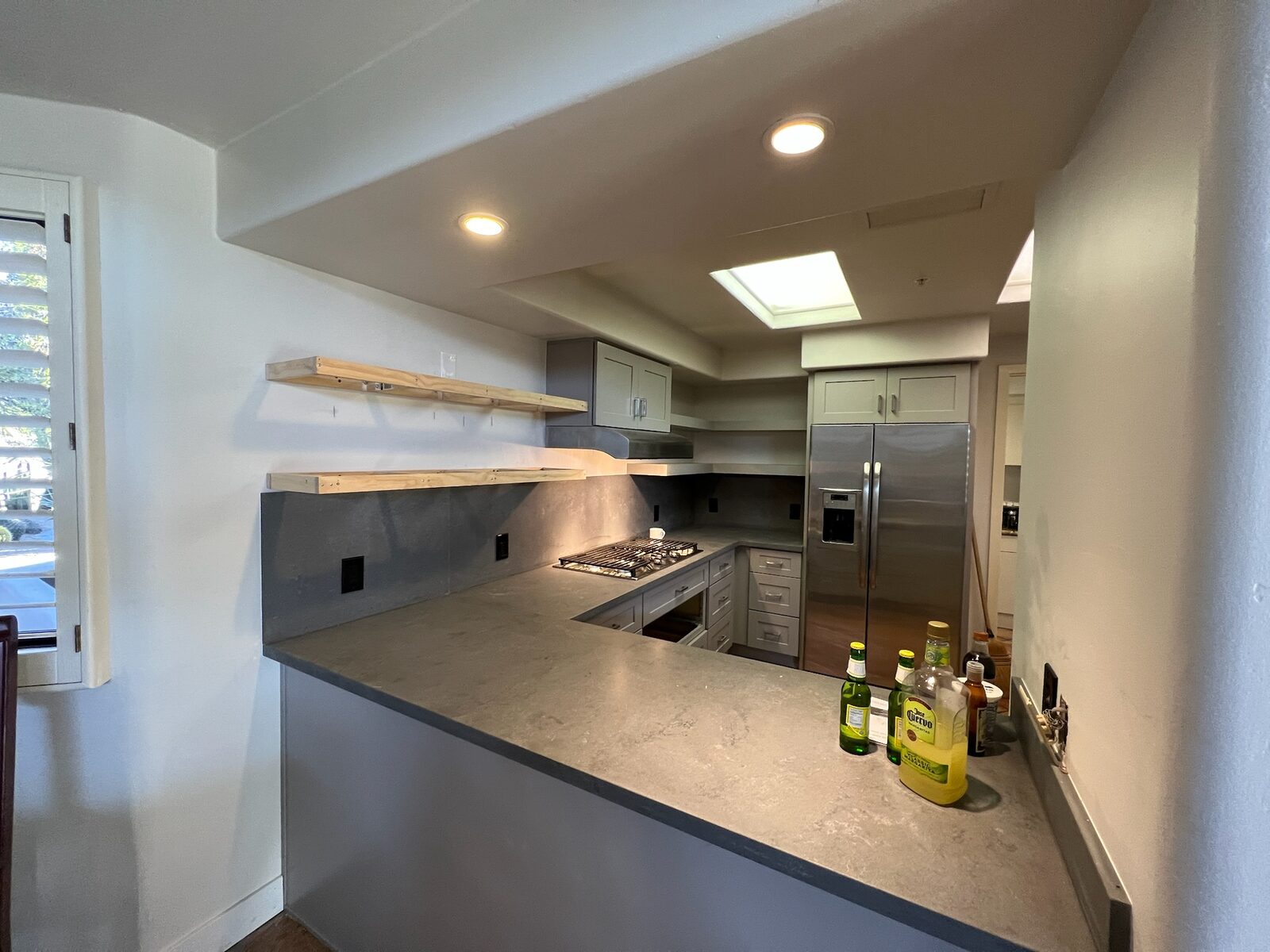
Residential reconstruction work by members of our team. See the full gallery →
More from Gold Water Fire
Abrasive Cleaning Methods for Soot on Framing and Masonry
A look at how abrasive cleaning methods remove soot from wood framing and masonry after a fire, and when each method fits the material.
AC Condensate Line Clogs & the Water Damage They Cause in Phoenix Homes
Why Phoenix AC condensate lines clog every summer, what the water damage looks like, and how to find the source before the ceiling stain spreads again.
Actual Cash Value vs Replacement Cost: Why Your Check Might Not Match the Repair Bill
Confused why your insurance check seems short after fire or water damage? Learn the difference between actual cash value and replacement cost coverage.
Considering your options after a claim?
If you want a second set of eyes on a scope of damage or an estimate, Gold Water Fire can walk the property with you and explain what we see. Reach us at (480) 999-3339 or Help@goldwaterfire.com.
Call (480) 999-3339Water Damage Restoration · Fire Damage Restoration · About Gold Water Fire · Contact Us