
Defensible Space for Desert Homes: What Actually Burns Around a House Here
If you've ever looked at the dry landscaping around your house during a hot, windy stretch and felt a flicker of worry, you're paying attention to something real. Desert living doesn't feel like forest fire country, but the plants, mulch, and structures right up against a house can carry flame faster than most people expect. It's a reasonable thing to think about, especially if a neighbor has had a close call or you've just moved into a property with mature landscaping you didn't choose.
Defensible Space for Desert Homes: What Actually Burns Around a House Here
It's not just wildland fire that this protects against
People in the Phoenix area sometimes assume defensible space is only for homes backing up to desert preserves or mountain foothills. In practice, the same principles apply to a fire that starts from a grill, a discarded cigarette, an electrical fault in a shed, or even a neighbor's yard. The question is always the same: once something ignites, what near the house is going to let that flame keep going and reach the structure itself? Dry desert air and low humidity mean vegetation that looks green can still be surprisingly flammable once it dries out at the root.
What actually burns: the usual fuel sources around a desert property
Some materials common in Southwest landscaping and home design carry fire more readily than homeowners assume.
Ornamental grasses and dry palm fronds
Fountain grass, pampas grass, and similar ornamental grasses dry out into dense, fine fuel that ignites quickly and burns hot. Unpruned palm trees with skirts of dead fronds are one of the most common fire sources on desert properties, since dried fronds can catch from embers and send flaming material upward and outward.
Bark mulch against the foundation
Wood or bark mulch is popular in desert yards for moisture retention, but a bed of mulch pushed right against siding or a wood door gives an ember a place to smolder and then flame up directly against the house. Rock or gravel breaks that path.
Wood fencing and attached structures
A wood fence that runs directly into a house acts like a fuse. If the fence line ignites anywhere along its length, flame can travel the entire run and reach the structure at the point of attachment, regardless of how far away the fire started.
Stored fuel and clutter near walls
Firewood stacks, propane tanks, trash bins, and stored lumber next to exterior walls or under eaves are common ignition points. So are dry leaves and pine needles that collect in gutters, roof valleys, and against the base of walls.
Thinking in zones around the house
Fire science generally breaks defensible space into rings moving outward from the structure. The zone closest to the house, typically the first several feet, is where the strictest rules apply: no combustible mulch against siding, no wood piles, dead plant material cleared regularly, and any shrubs kept well-spaced and pruned so they can't act as a ladder up toward eaves or windows. Moving further out, spacing between trees and shrubs matters more than eliminating landscaping entirely. The goal isn't a barren yard, it's breaking up continuous fuel so fire can't travel unimpeded from the property line to the walls.
Roof and gutter debris matters more than people think
In the Phoenix area, palm fronds, mesquite leaves, and windblown debris collect in gutters and roof valleys during the dry months. That debris sits close to the roofline and eaves, which are among the most vulnerable parts of a house during an ember-driven fire. Clearing gutters and roof surfaces on a regular schedule, especially before the hottest, driest part of the year, closes off one of the more overlooked entry points for fire onto a structure.
If fire has already reached your home
This guide is about prevention, but if a fire has already damaged your property, the priorities shift to stopping secondary damage: smoke residue that continues to etch surfaces, soot in HVAC systems, and water damage from firefighting efforts. You can read more about what that process typically involves on our fire damage restoration page.
Questions people ask us
How far from my house should landscaping be cleared?
General wildfire agency guidance often recommends the most aggressive clearing in the first 5 feet around a structure, with reduced density continuing out to 30 feet or more depending on lot size and terrain. Local fire departments in the Phoenix metro can usually give property-specific guidance.
Are all desert plants low-risk because they're drought-tolerant?
No. Drought-tolerant doesn't mean fire-resistant. Many desert ornamentals, including ornamental grasses and unmaintained palms, dry into fine, flammable fuel. Fire risk depends more on moisture content, density, and maintenance than on whether a plant is considered native or drought-tolerant.
Does defensible space matter if I don't live near open desert or mountains?
Yes. Fires that reach homes in dense neighborhoods often start from a grill, an electrical issue, or a neighboring yard rather than wildland. The same fuel-reduction principles, keeping dry vegetation, mulch, and stored combustibles away from walls, still reduce how far a fire can travel once it starts.
What's the single easiest fix most homeowners overlook?
Gutters and roof valleys. Dried palm fronds, leaves, and windblown debris collecting near the roofline sit close to one of the most vulnerable parts of the house, and clearing them regularly is a low-cost step many people simply forget.
The standard our team works to
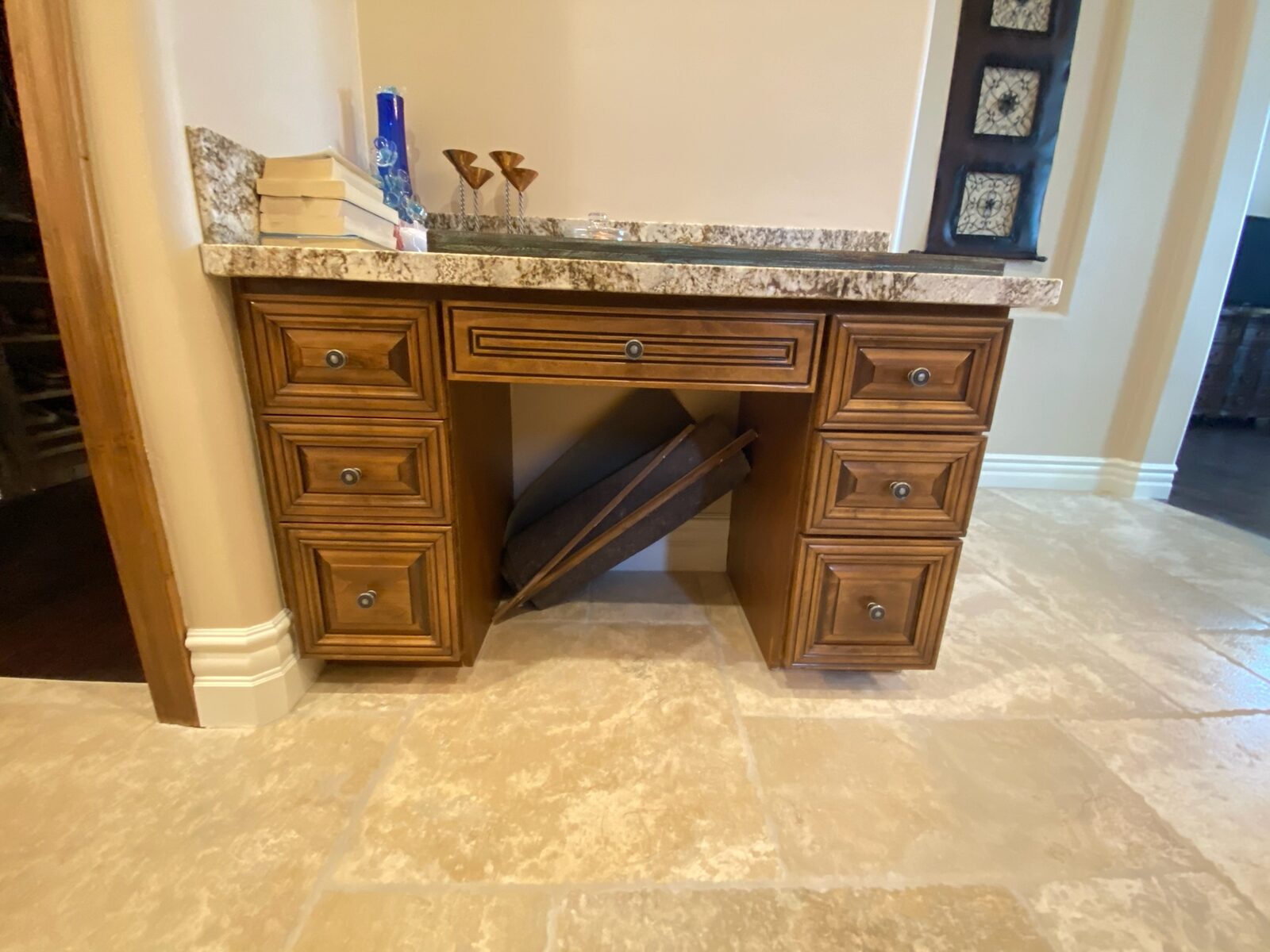
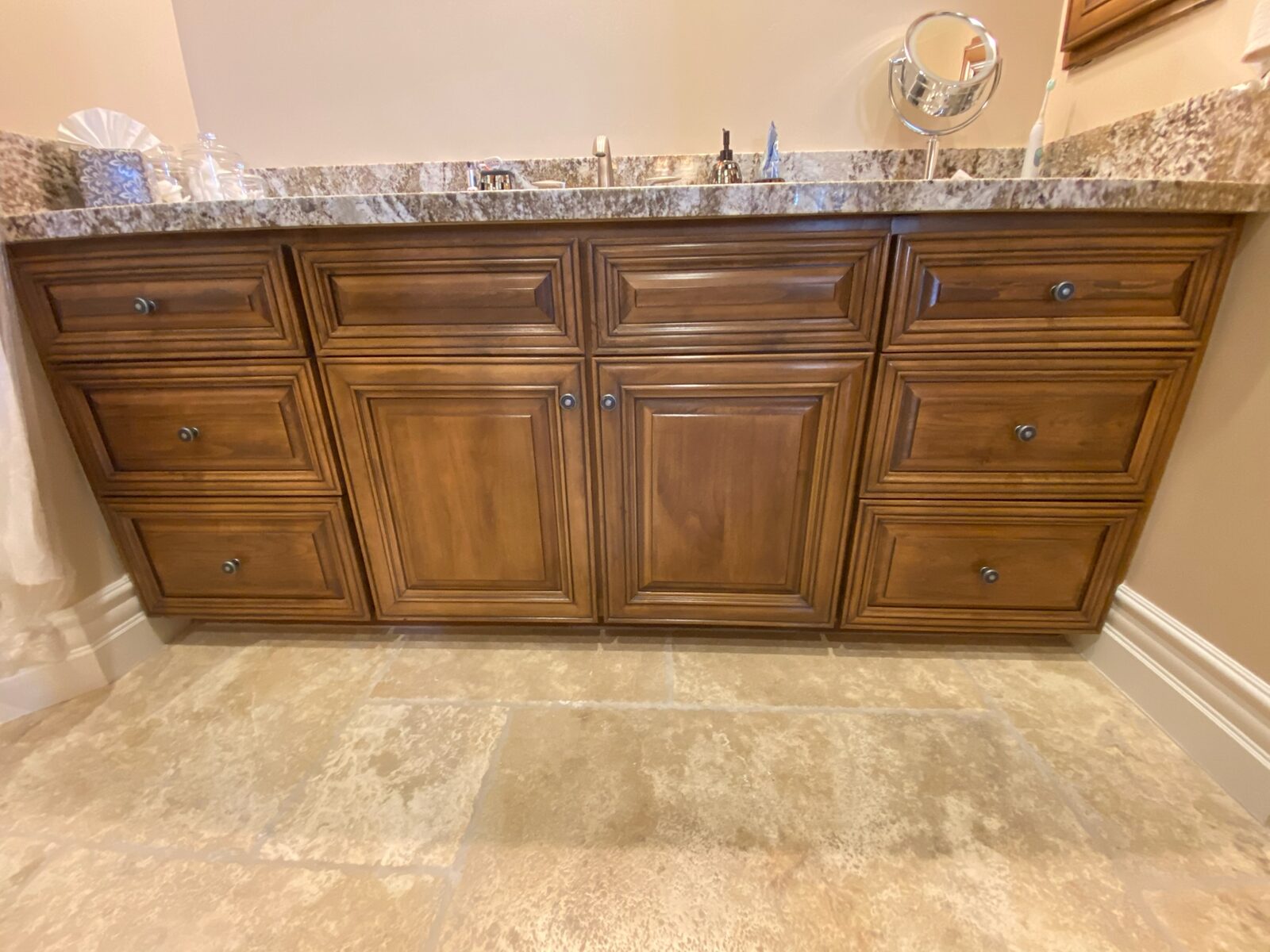
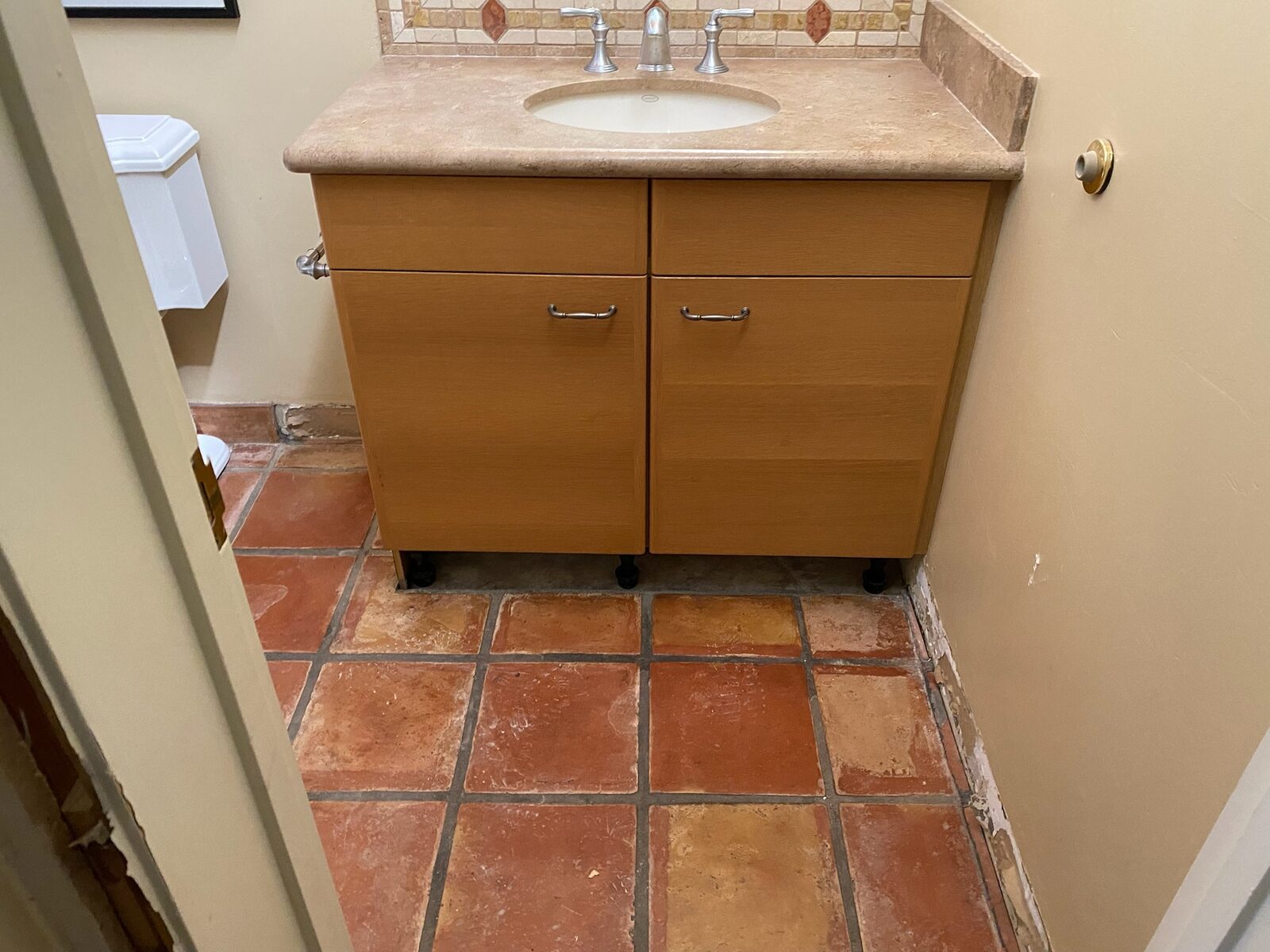
Residential reconstruction work by members of our team. See the full gallery →
More from Gold Water Fire
Abrasive Cleaning Methods for Soot on Framing and Masonry
A look at how abrasive cleaning methods remove soot from wood framing and masonry after a fire, and when each method fits the material.
AC Condensate Line Clogs & the Water Damage They Cause in Phoenix Homes
Why Phoenix AC condensate lines clog every summer, what the water damage looks like, and how to find the source before the ceiling stain spreads again.
Actual Cash Value vs Replacement Cost: Why Your Check Might Not Match the Repair Bill
Confused why your insurance check seems short after fire or water damage? Learn the difference between actual cash value and replacement cost coverage.
Not sure what shape your risk is in right now?
If you want a second set of eyes on your property, or you're dealing with fire damage that's already happened, reach out to Gold Water Fire at (480) 999-3339 or Help@goldwaterfire.com. No pressure, just a conversation about where things stand.
Call (480) 999-3339Fire Damage Restoration · About Gold Water Fire · Contact Us