
How Extreme Heat Contributes to Plumbing Failures
If a pipe has failed at your home during a heat wave, or a water heater picked the hottest week of the year to give out, you're probably wondering why it happened now, out of nowhere, with no warning. It can feel random, or like bad luck, when really there's a pattern behind it. Understanding why heat is hard on plumbing doesn't undo the mess in your kitchen or garage, but it can at least answer the question that keeps circling: why did this happen, and why now.
How Extreme Heat Contributes to Plumbing Failures
Heat doesn't just make pipes warm, it makes materials move
Metal and plastic pipe both expand when they heat up and contract when they cool. In a Phoenix summer, that expansion and contraction cycle happens every single day: attic and exterior temperatures can swing more than 50 degrees between a 4 a.m. low and a 3 p.m. high. Over months and years, that repeated flexing stresses joints, fittings, and solder connections. A connection that was fine in February can develop a slow weep by August, simply from being cycled through heat stress thousands of times.
The parts of a home that take the worst of it
Not all plumbing is exposed to heat equally, and that's part of why failures seem to cluster in the same places.
Attic and exterior supply lines
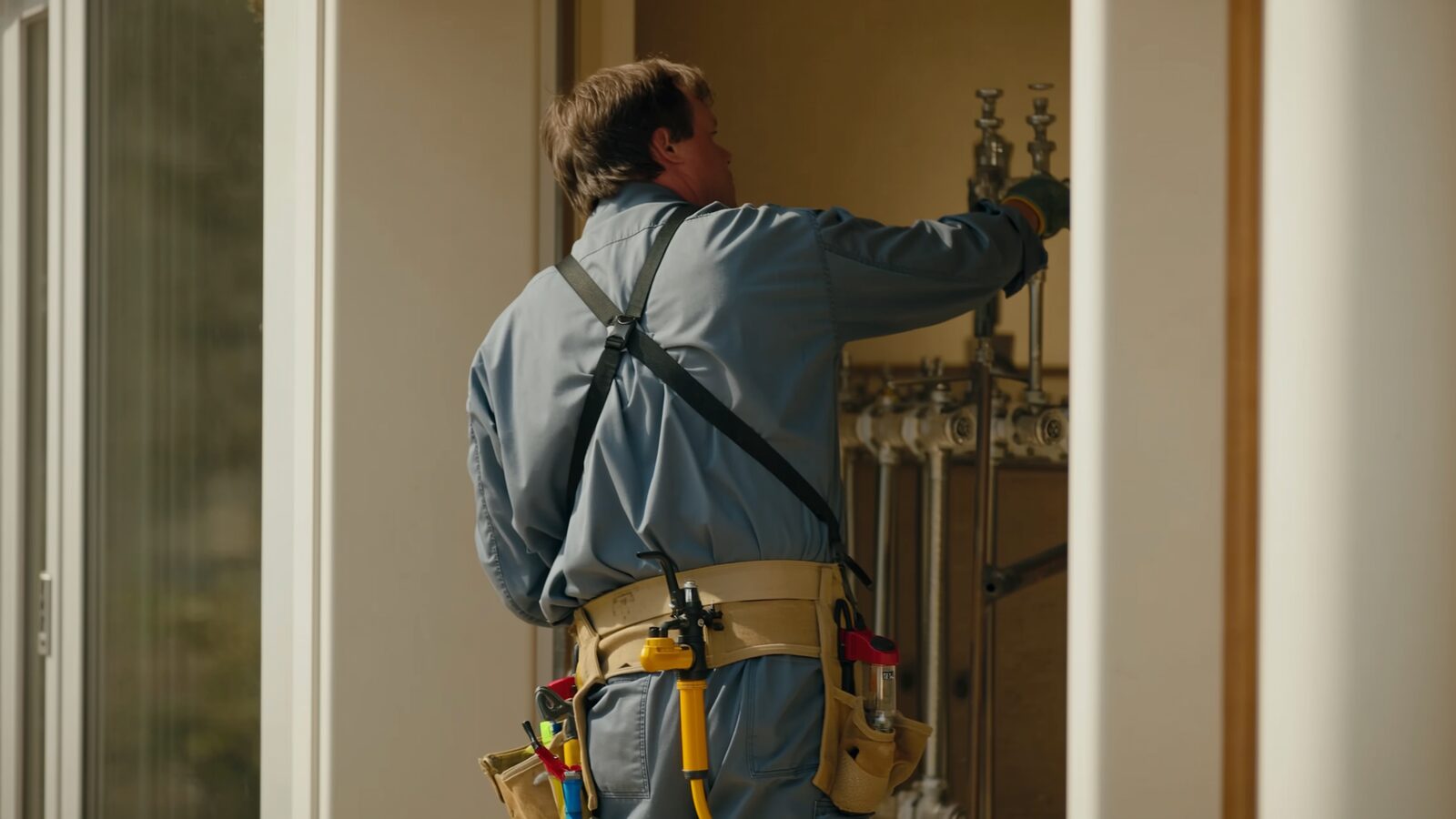
Pipe routed through attics or along exterior walls can sit in triple-digit ambient heat for hours. PEX and copper both soften slightly under sustained high heat, which can accelerate wear at existing weak points like crimp rings and sweated joints.
Water heaters working overtime
Incoming groundwater in the Phoenix area runs warmer in summer, so a water heater has less work to raise it to temperature, but the tank itself sits in a hotter garage or closet, which speeds up corrosion inside older tanks and stresses the pressure relief valve.
Slab and under-slab plumbing
Soil beneath a concrete slab expands and contracts with extreme heat and the swings between irrigation watering and dry stretches. That shifting can put lateral stress on rigid pipe runs beneath the slab, contributing to the slow leaks that often go unnoticed until a floor feels warm or a water bill spikes.
Outdoor fixtures and hose bibs
Exposed valves and hose connections bake in direct sun for months. Rubber washers and seals dry out and crack faster in that kind of heat, which is a common source of slow drips that waste water long before they become a visible problem.
What to watch for before a small problem becomes a flood
A sudden, unexplained rise in the water bill is one of the most reliable early signs of a hidden leak, since it often shows up before any visible water does. Warm or damp spots on flooring, a water heater that's rusting at the base or making popping and rumbling sounds, and reduced water pressure in one part of the house are all worth taking seriously. In a slab-on-grade home, cracking in the flooring near a plumbing wall, or a patch of unusually green or soggy lawn near the house, can point to a leak that's been developing under the surface for a while.
Why failures tend to cluster in the hottest months
Extreme heat doesn't create a weak joint or an aging water heater tank out of nothing, it exposes weaknesses that were already there. That's why plumbing failures in the Phoenix area tend to spike during the longest heat stretches of the year: the stress finally catches up to the parts of the system that were already closest to their limit. Materials that were adequate for years suddenly aren't holding, not because they broke overnight, but because the cumulative heat exposure finally reached a tipping point.
Questions people ask us
Can extreme heat alone cause a pipe to burst, or does it need another factor?
Heat by itself rarely bursts a pipe outright. It's more often a contributing stress that works alongside an existing weak point, like an old joint, a kinked line, or corrosion, and pushes that weak point past its limit sooner than it would have failed otherwise.
Why does my water heater seem more likely to fail in summer?
Hotter ambient temperatures around the tank and warmer incoming groundwater both add stress to internal components and seals. Tanks that are already near the end of their service life often show that stress first during the hottest stretches of the year.
Is a slab leak more common in extreme heat?
Soil movement from heat and watering cycles can add stress to under-slab pipe, which is one reason slab leaks are frequently noticed during summer months, even though the underlying pipe condition may have been developing for a long time.
What should I do if I suspect a hidden leak from heat stress?
Check your water meter for movement when no water is running, look for warm or damp flooring, and note any unexplained jump in your water bill. If you find signs of a leak or active water damage, water damage restoration support can help address the water before it spreads further.
The standard our team works to
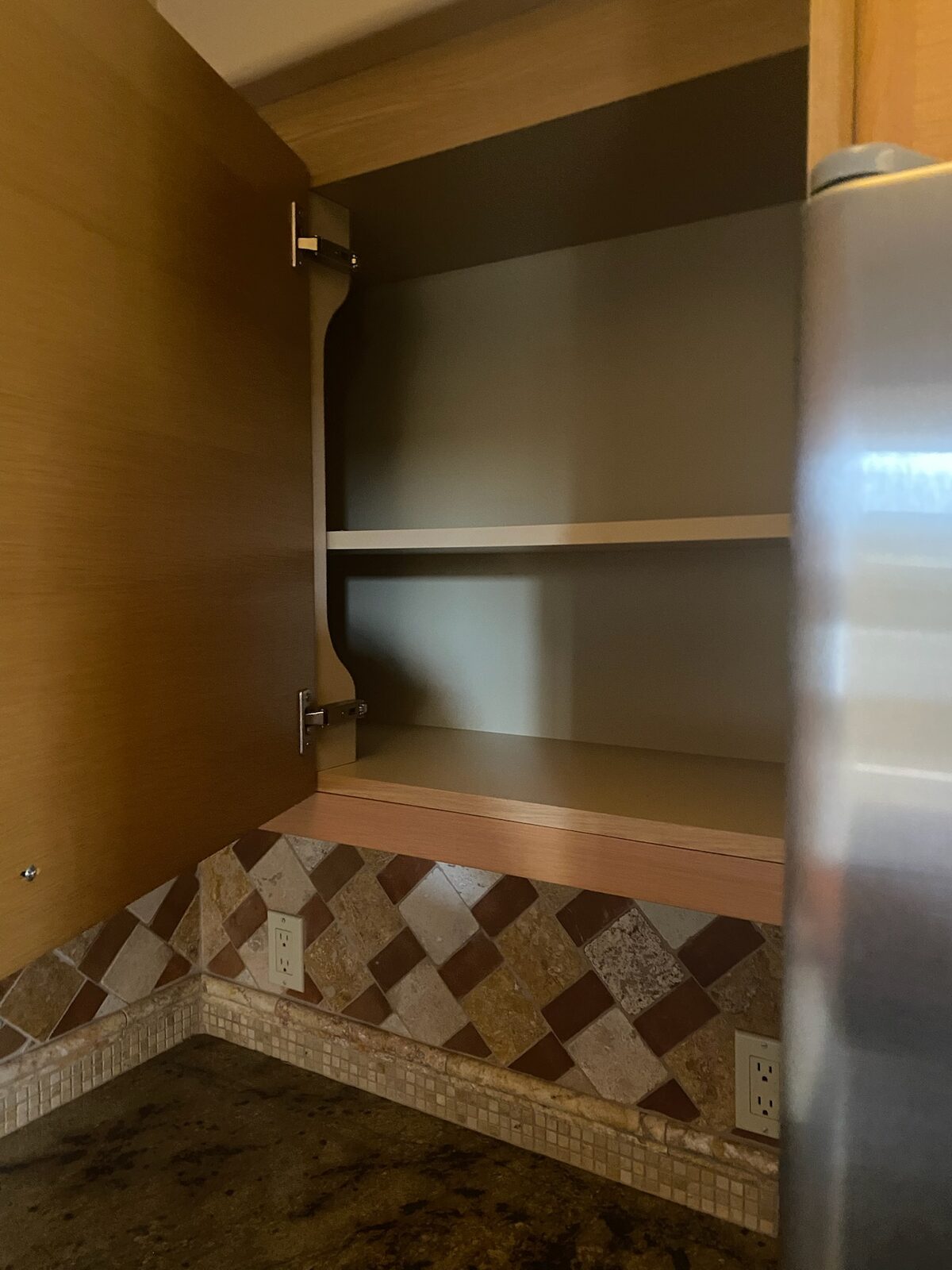
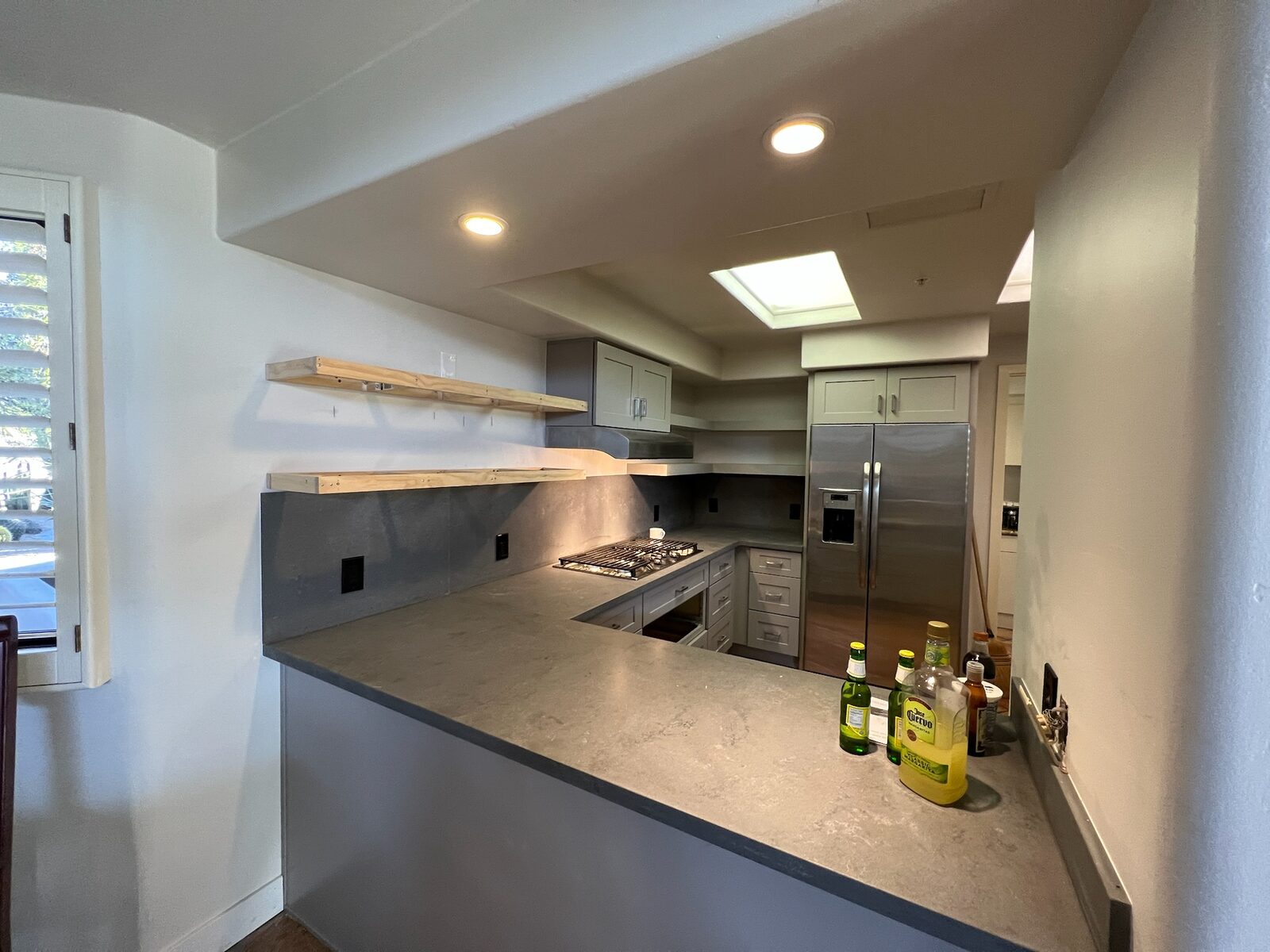
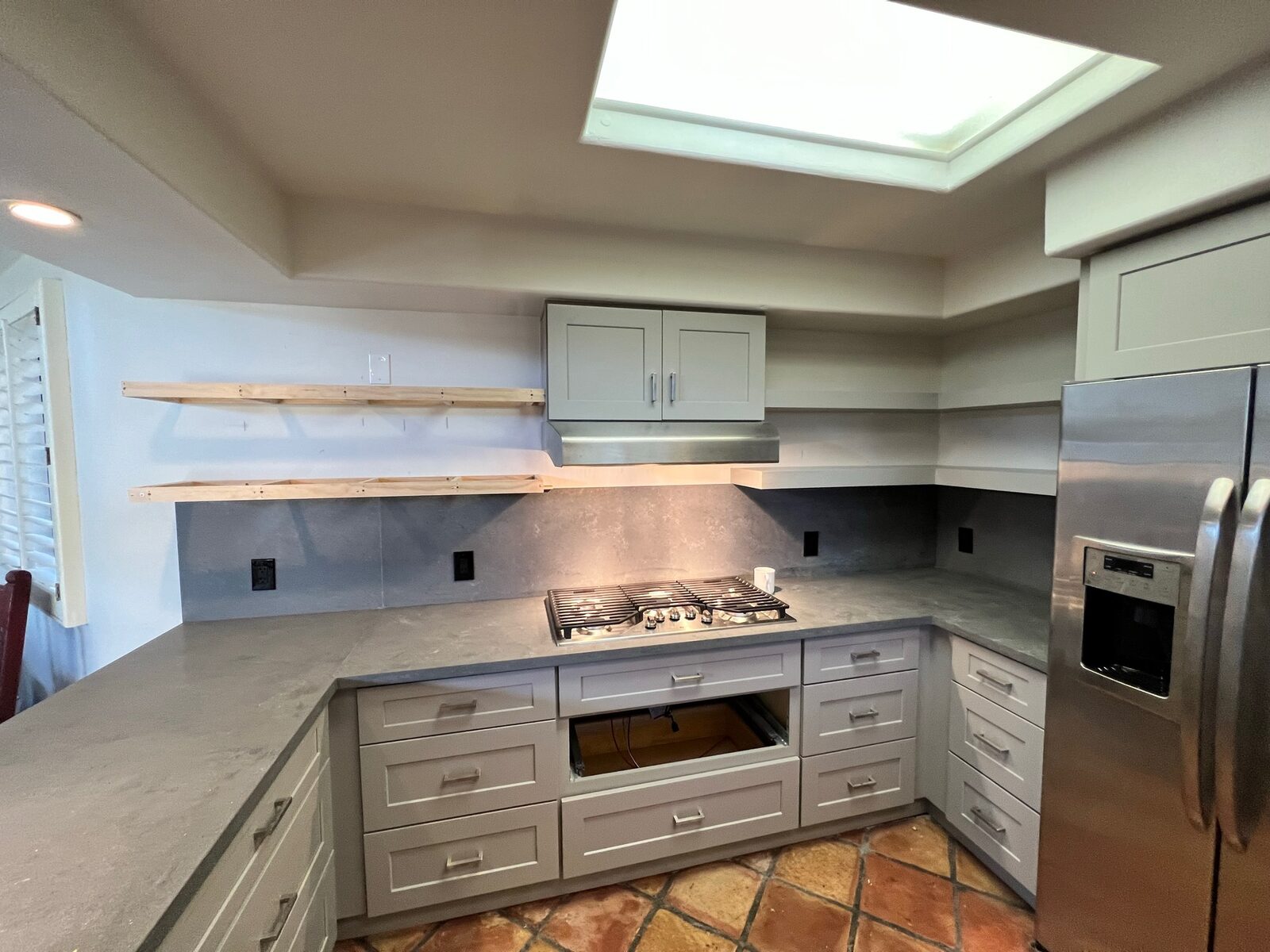
Residential reconstruction work by members of our team. See the full gallery →
More from Gold Water Fire
Abrasive Cleaning Methods for Soot on Framing and Masonry
A look at how abrasive cleaning methods remove soot from wood framing and masonry after a fire, and when each method fits the material.
AC Condensate Line Clogs & the Water Damage They Cause in Phoenix Homes
Why Phoenix AC condensate lines clog every summer, what the water damage looks like, and how to find the source before the ceiling stain spreads again.
Actual Cash Value vs Replacement Cost: Why Your Check Might Not Match the Repair Bill
Confused why your insurance check seems short after fire or water damage? Learn the difference between actual cash value and replacement cost coverage.
Dealing with a leak or water damage from a heat-related plumbing failure?
Gold Water Fire helps Phoenix-area homeowners address water damage from failed pipes and water heaters, and can bring in reconstruction support if the damage runs deeper than the surface. Reach out at (480) 999-3339 or Help@goldwaterfire.com to talk through what you're seeing.
Call (480) 999-3339Water Damage Restoration · Reconstruction & Rebuild · About Gold Water Fire · Contact Gold Water Fire