
Bathroom Exhaust Fans: The Moisture Control Most Homes Underuse
If you've noticed a musty smell in the bathroom, peeling paint near the ceiling, or dark spots creeping along the grout lines, it's easy to wonder what you did wrong. Usually it isn't about cleaning habits at all. It's about air movement, or the lack of it, in a room that produces more moisture than almost any other space in the house.
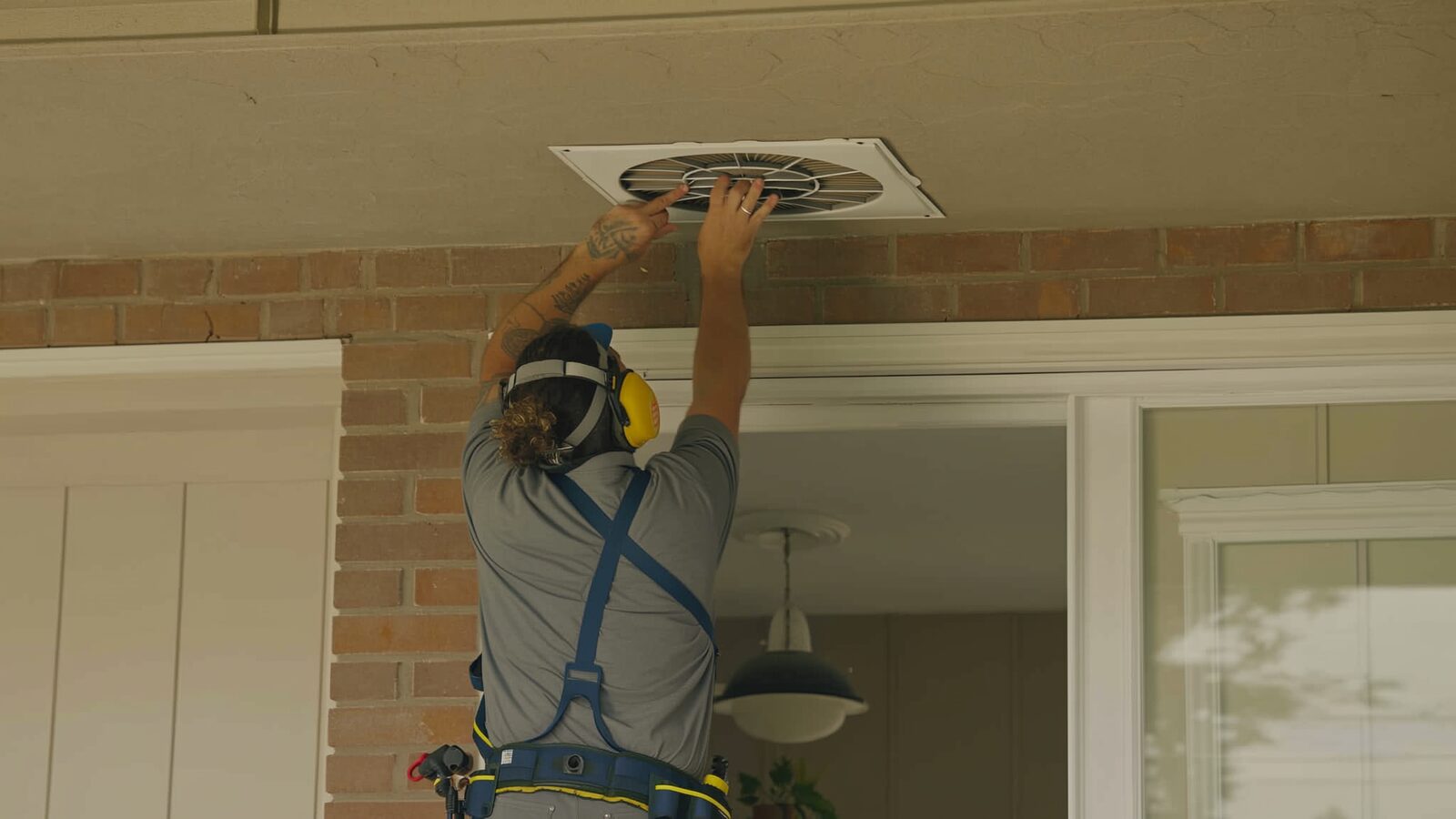
Bathroom Exhaust Fans: The Moisture Control Most Homes Underuse
Why bathrooms hold onto moisture longer than you'd think
A single hot shower can push a bathroom's humidity well above what the rest of the house holds. That moisture doesn't just disappear when you towel off. It settles into paint, grout, drywall, and the wood behind the walls, and it stays there until something moves the air enough to let it evaporate out. In most homes, that something is supposed to be the exhaust fan. When the fan is too small for the room, rarely used, or vented into an attic instead of outside, the moisture has nowhere to go, so it lingers and slowly works its way into materials that aren't built to handle repeated soaking.
Signs your fan isn't keeping up
A few clues are easy to miss because they show up gradually rather than all at once.
Mirror fog that lingers
If the mirror stays fogged for more than a few minutes after a shower, air isn't exchanging fast enough to clear the humidity.
Musty smell that returns
A smell that comes back a day or two after cleaning often points to moisture trapped somewhere the fan isn't reaching, like behind a vanity or under flooring.
Ceiling or wall discoloration
Yellow or brown staining near the fan housing or in ceiling corners usually means moist air is condensing faster than it's being pulled out.
Peeling paint or bubbling drywall
Paint and drywall both fail when they absorb moisture repeatedly over time, which is a slower process than a single leak but just as damaging.
What a properly working fan actually does
An exhaust fan's job is simple: pull humid air out of the room and send it outside before that moisture has a chance to settle. That means the fan needs to run long enough after a shower, not just during it, since humidity keeps rising for several minutes after the water shuts off. It also needs to vent to the exterior, not into an attic or crawlspace, or it's just relocating the moisture problem instead of solving it. A fan that's undersized for the square footage of the bathroom will run constantly and still not clear the air fast enough, which is worth checking if your bathroom feels humid no matter how long the fan runs.
Simple habits that make a real difference
Running the fan during the shower and for a stretch afterward is the single biggest habit that protects a bathroom. Wiping down glass and tile after use cuts down on standing moisture the fan then has to work through. Leaving the bathroom door cracked when possible helps air circulate rather than staying trapped in one small space. None of this requires new equipment, just a shift in when and how long the fan gets used.
When moisture has already gotten into the structure
If discoloration, soft drywall, or a persistent musty smell have already shown up, the moisture may have moved past the surface and into the material underneath. That's a different situation than prevention, and it's worth having someone look at it directly rather than guessing. You can read more about how water damage restoration works, or contact Gold Water Fire if you want a second set of eyes on what you're seeing.
Questions people ask us
How long should a bathroom exhaust fan run after a shower?
Humidity keeps rising for several minutes after the water shuts off, so running the fan until the mirror clears and the air feels dry to the touch is a reasonable guide, even if that means leaving it on well after you've stepped out.
Can a bathroom fan vent into the attic instead of outside?
It shouldn't. A fan that vents into an attic just moves humid air into another enclosed space, where it can condense on rafters and insulation and cause problems that are harder to see and reach than a bathroom ceiling.
Is a musty smell in the bathroom always mold?
Not always, but a smell that keeps returning after cleaning is a sign that moisture is trapped somewhere air isn't reaching, and that's worth investigating rather than masking with cleaning products.
What if the bathroom doesn't have an exhaust fan at all?
Older homes sometimes rely on an operable window instead, which can work if it's used consistently, but it's far less reliable than a fan since it depends on outdoor conditions and how often someone remembers to open it.
The standard our team works to
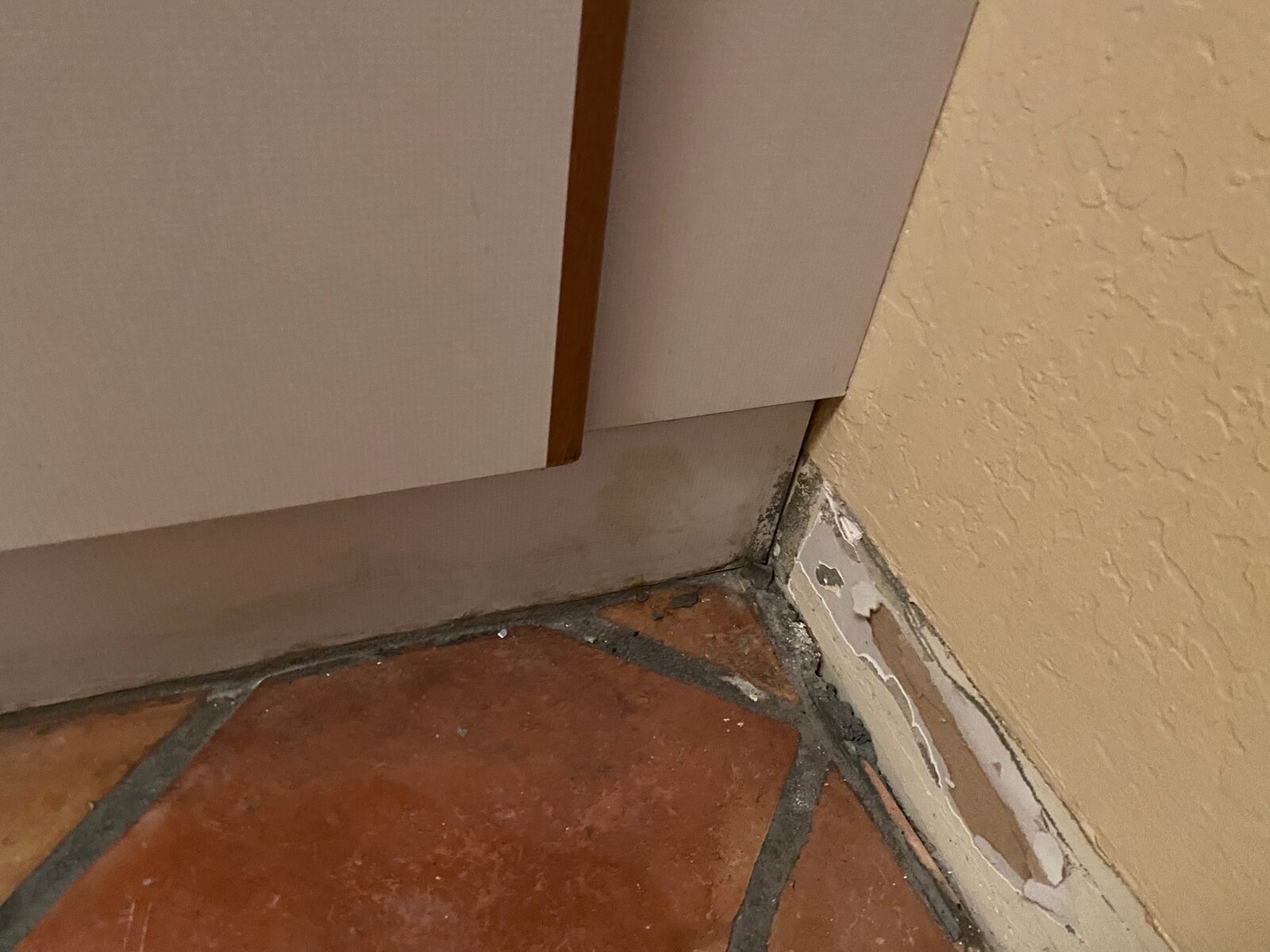
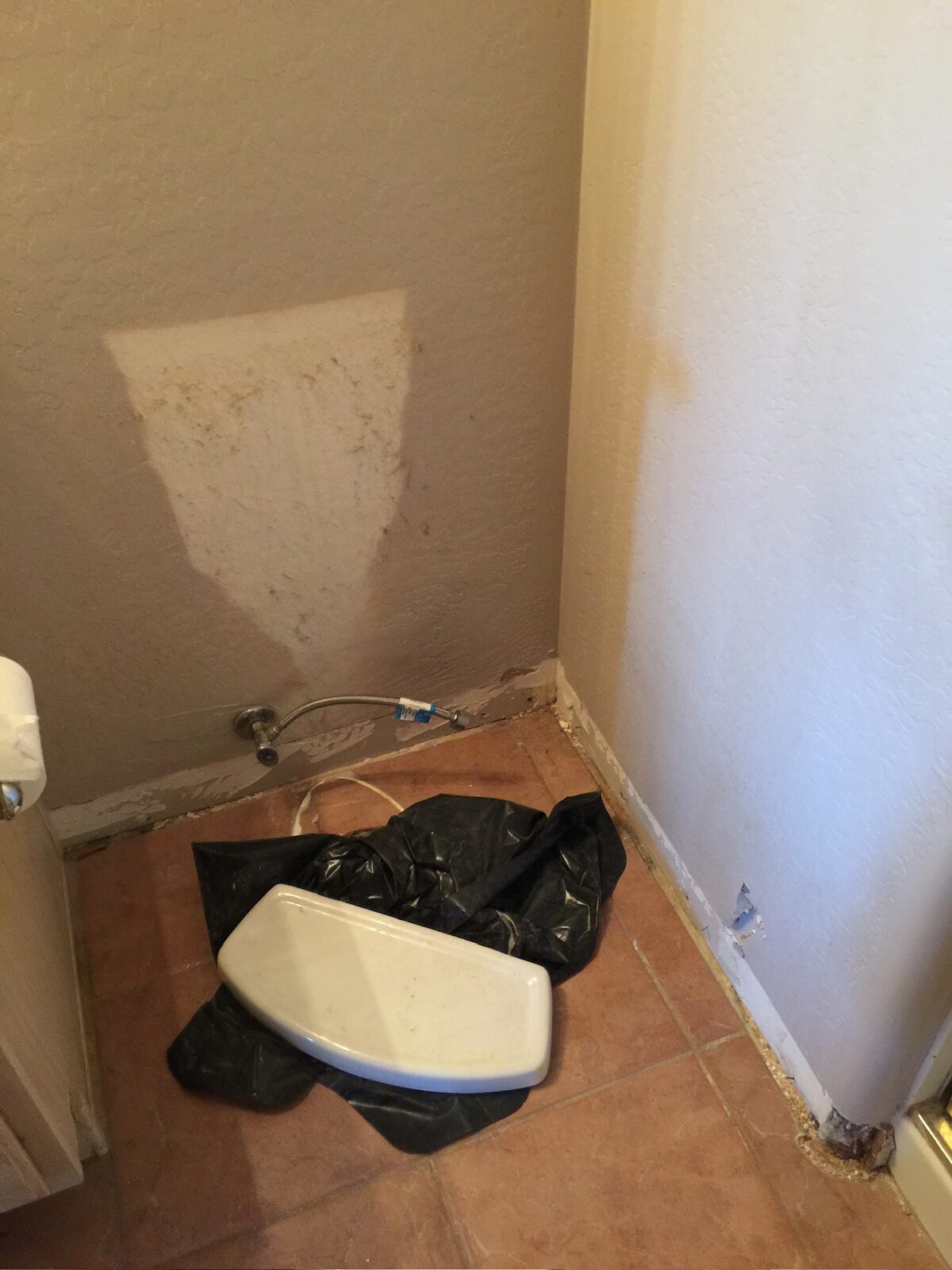
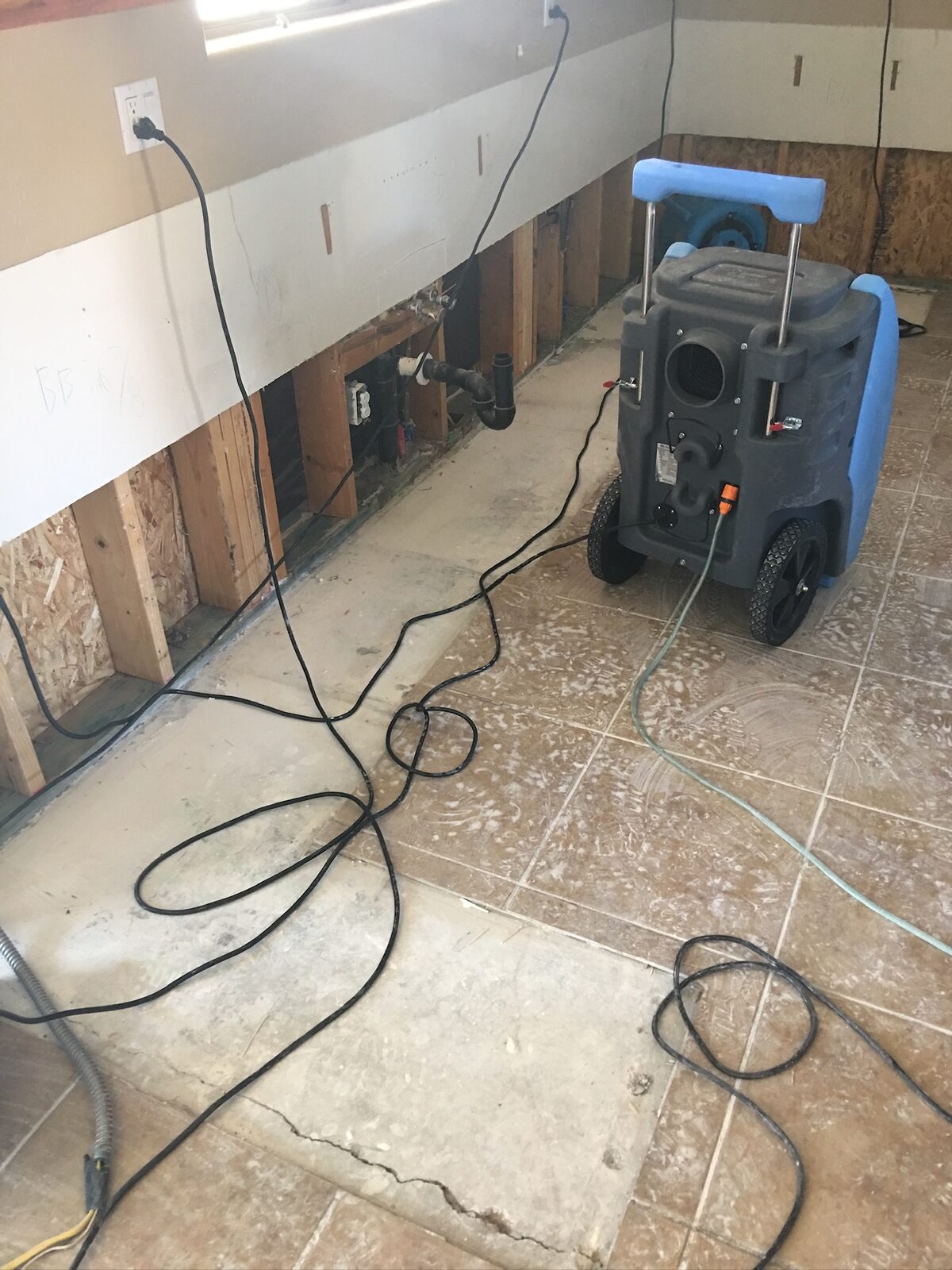
Residential reconstruction work by members of our team. See the full gallery →
More from Gold Water Fire
Abrasive Cleaning Methods for Soot on Framing and Masonry
A look at how abrasive cleaning methods remove soot from wood framing and masonry after a fire, and when each method fits the material.
AC Condensate Line Clogs & the Water Damage They Cause in Phoenix Homes
Why Phoenix AC condensate lines clog every summer, what the water damage looks like, and how to find the source before the ceiling stain spreads again.
Actual Cash Value vs Replacement Cost: Why Your Check Might Not Match the Repair Bill
Confused why your insurance check seems short after fire or water damage? Learn the difference between actual cash value and replacement cost coverage.
Not sure if it's just moisture or something more?
If a bathroom has had ongoing dampness, staining, or a smell that won't go away, it's worth having it looked at directly. Reach out to Gold Water Fire at (480) 999-3339 or Help@goldwaterfire.com and we'll help you figure out what you're dealing with.
Call (480) 999-3339