
What's Under Your Flooring, and When It Has to Come Out
If you've noticed a soft spot when you walk across a room, a floor that feels slightly uneven, or a musty smell that won't go away no matter how much you clean, you're probably not imagining it. It's an unsettling thing to feel your own floor give a little under your weight and not know what's causing it or how bad it might be underneath the surface. Most people don't think about what's beneath their flooring until something feels wrong, and by then it's natural to wonder how long the problem has been developing out of sight.
What's Under Your Flooring, and When It Has to Come Out
What's actually under your flooring
Underneath the visible surface, whether that's tile, hardwood, laminate, or carpet, sits the subfloor: a structural layer, usually plywood or oriented strand board (OSB), that's fastened directly to the floor joists. In older homes you might find tongue-and-groove wood planks instead. Below that structural layer, some flooring types (like tile or vinyl) also use an underlayment, a thinner layer that creates a smooth, stable surface for the finish flooring to sit on. The subfloor itself is doing real structural work. It's what your joists actually support and what everything else in the room rests on, so when it's compromised, the problem isn't cosmetic.
How subfloors get damaged
Water is the most common cause of subfloor failure, and it doesn't have to come from a dramatic flood. A slow leak under a dishwasher, a toilet with a worn wax ring, condensation from an AC unit, or grout lines that have let moisture seep through tile for months can all do it quietly. Plywood and OSB absorb water and swell, then weaken as the wood fibers or glue layers break down. Repeated wetting and drying cycles are often worse than a single soaking event, because the subfloor never fully stabilizes before it's exposed again. Termite and other wood-destroying insect damage can cause similar structural softening without any water involved at all.
The signs that point to subfloor trouble
A few things tend to show up together. Soft or spongy spots when you walk across a floor. Visible sagging or dipping, especially near bathrooms, kitchens, or laundry areas. Squeaking that's new or has gotten noticeably worse. Tile that's cracking or grout that keeps failing even after repair. A persistent musty smell that lingers even when the room looks dry. Flooring that feels slightly bouncy underfoot. Any one of these alone might be minor, but two or three together usually mean the subfloor itself has started to fail, not just the flooring on top of it.
When repair is enough, and when it isn't
Small areas of surface staining or minor swelling that hasn't compromised the wood's strength can sometimes be addressed without a full tear-out. But once wood fibers have broken down, once a subfloor feels soft or spongy underfoot, or once mold has taken hold in the material, patching over it doesn't solve the underlying problem. Subfloor that's been saturated for an extended period usually needs to be cut out and replaced rather than dried and reused, because its structural integrity doesn't fully return even after it dries. A contractor assessing the area will typically check moisture content with a meter and probe suspect spots to see how much give the material has before deciding how much needs to come out.
Questions people ask us
Can a subfloor be dried out instead of replaced?
It depends on how long it was wet and how far the damage progressed. Subfloor caught early, before the wood has softened or swollen significantly, can sometimes be dried in place. Once the material has been saturated for an extended period or shows soft spots, drying alone usually isn't enough because the structural strength doesn't fully come back.
Is a squeaky floor always a subfloor problem?
Not always. Squeaks can come from fasteners that have loosened over time, from normal wood movement, or from gaps between the subfloor and joists. But new or worsening squeaks combined with soft spots or sagging are worth having checked, since that combination often points to subfloor deterioration rather than a simple fastener issue.
How do I know if it's the subfloor or just the flooring on top?
Surface flooring problems, like a single cracked tile or a scratch in hardwood, usually stay isolated to that spot. Subfloor problems tend to show up as sponginess, sagging, or bounce felt through the floor itself, and often affect a wider area rather than one tile or plank.
Does mold under a floor always mean the subfloor is ruined?
Not necessarily, but it's a serious warning sign. Mold growing on or in subfloor material means moisture was present long enough to support growth, which is also long enough to start breaking down the wood. Any subfloor with active mold growth needs to be evaluated for both contamination and structural condition before a repair-versus-replace decision is made.
The standard our team works to
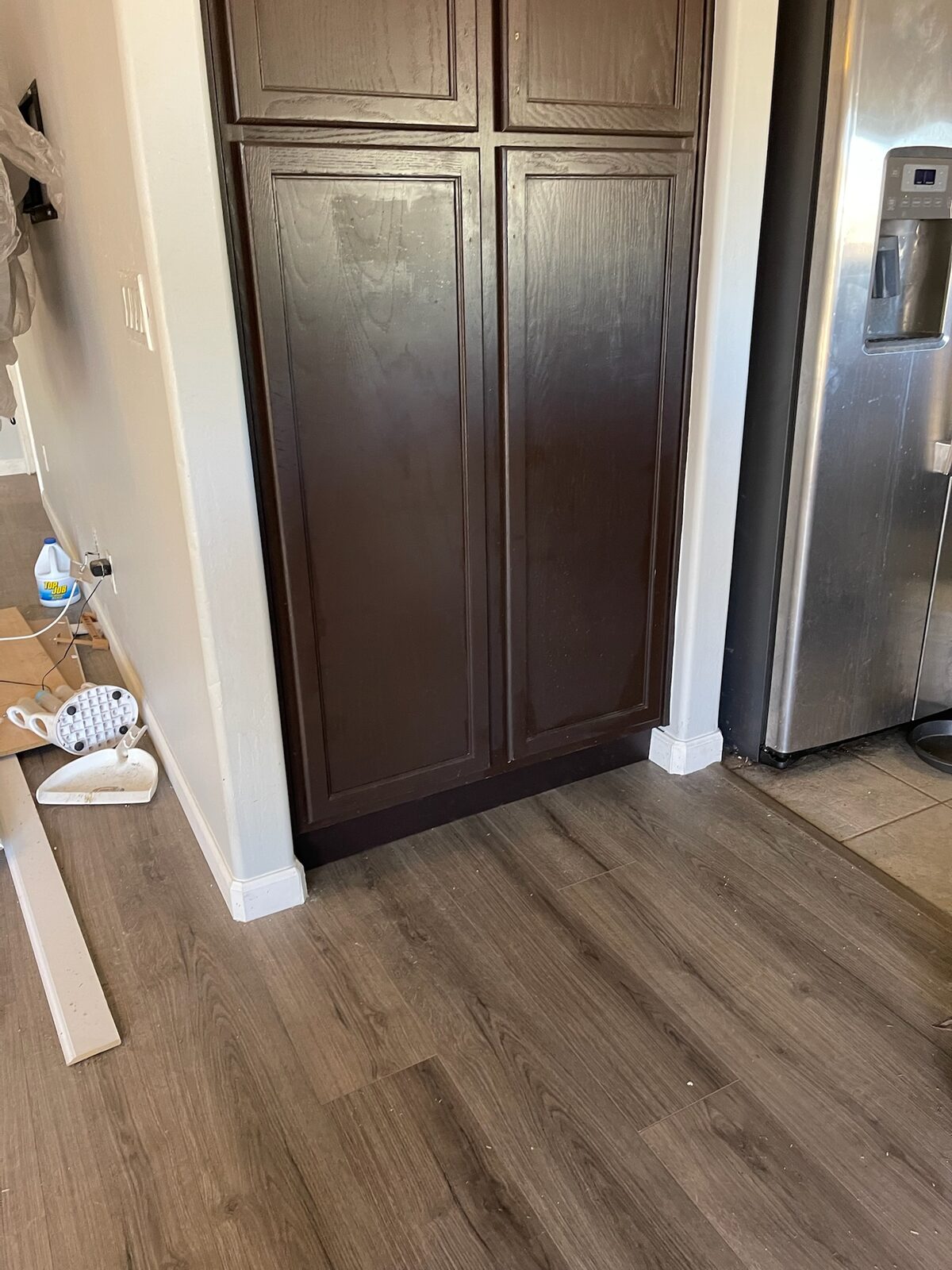
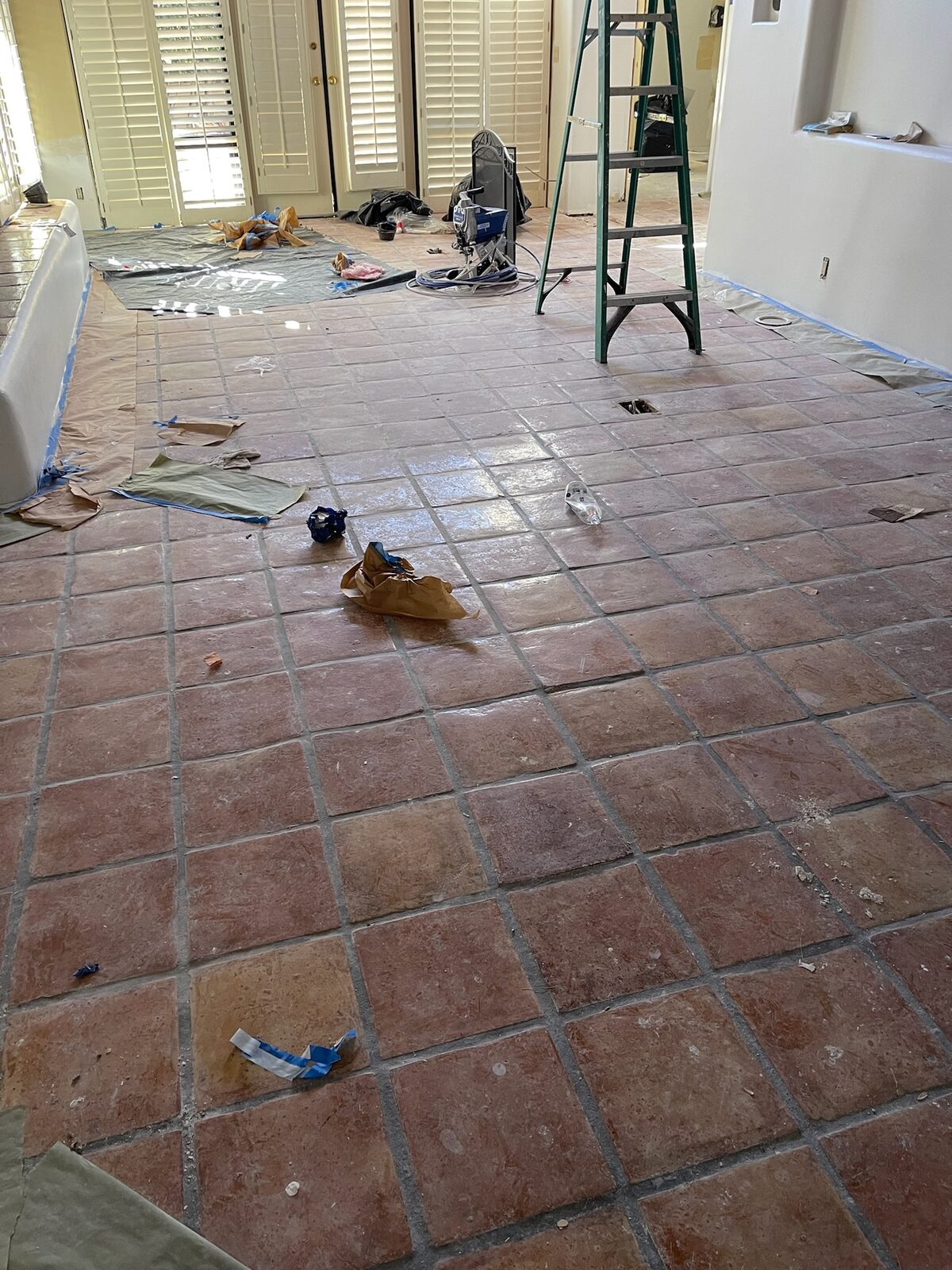
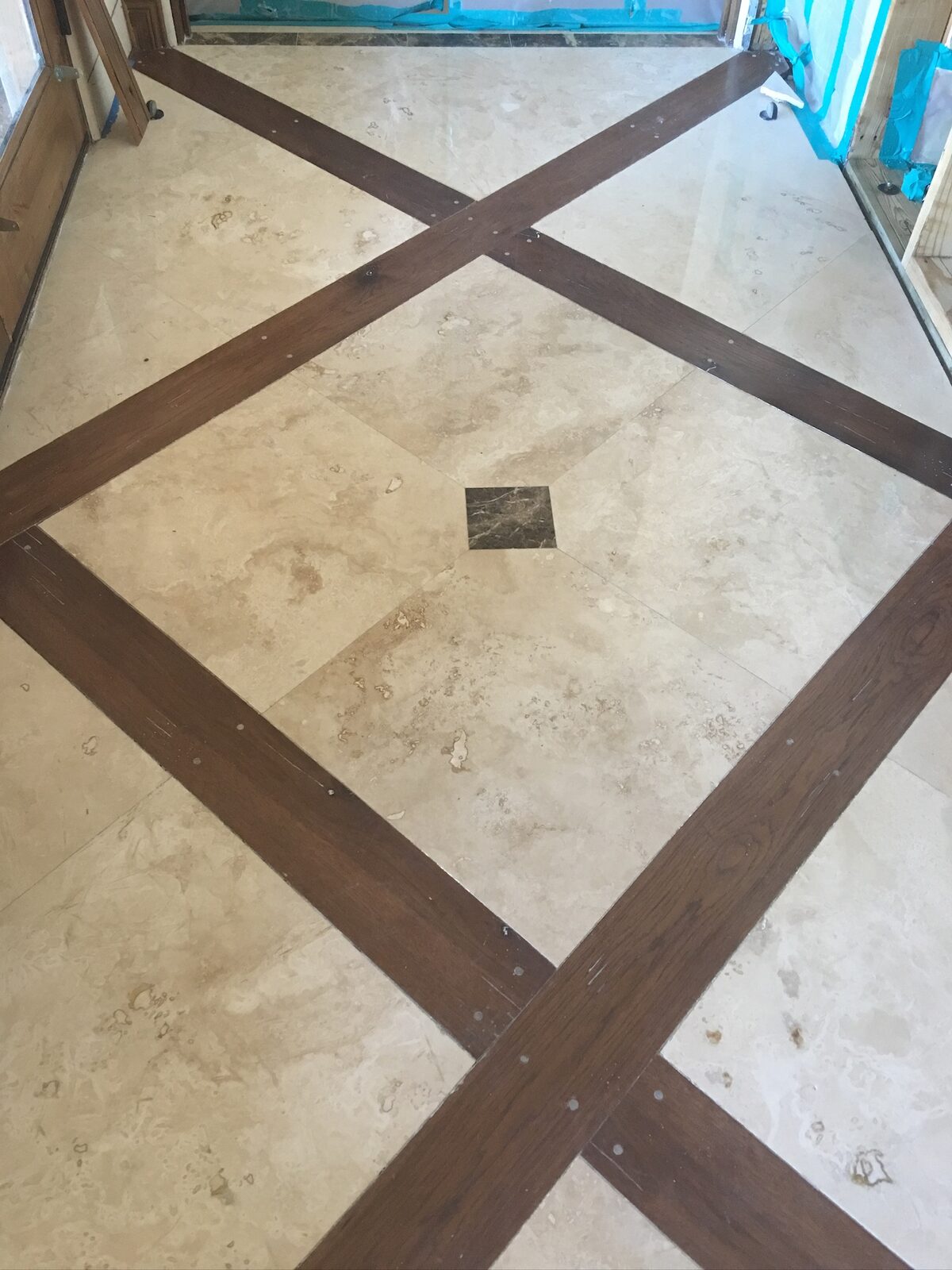
Residential reconstruction work by members of our team. See the full gallery →
More from Gold Water Fire
Abrasive Cleaning Methods for Soot on Framing and Masonry
A look at how abrasive cleaning methods remove soot from wood framing and masonry after a fire, and when each method fits the material.
AC Condensate Line Clogs & the Water Damage They Cause in Phoenix Homes
Why Phoenix AC condensate lines clog every summer, what the water damage looks like, and how to find the source before the ceiling stain spreads again.
Actual Cash Value vs Replacement Cost: Why Your Check Might Not Match the Repair Bill
Confused why your insurance check seems short after fire or water damage? Learn the difference between actual cash value and replacement cost coverage.
Noticed a soft spot or a smell you can't place?
If your flooring feels off and you're not sure why, Gold Water Fire can take a look at what's underneath it. Reach out at (480) 999-3339 or Help@goldwaterfire.com, or visit our <a href="/contact.html">contact page</a> to get started.
Call (480) 999-3339Water Damage Restoration · Reconstruction & Rebuild · About Gold Water Fire