
What a Dust Storm Does to a Home, Inside and Out
You watched the wall of dust roll in, maybe from your window or maybe from a parking lot as you tried to get home before it hit. Afterward the sky cleared and the street looked normal again, but something in the back of your mind is still uneasy. Was it just dust, or did that wind push its way into places it shouldn't have? That question, the not-quite-sure feeling that lingers after a haboob passes, is worth sitting with instead of brushing off.
What a Dust Storm Does to a Home, Inside and Out
What the wind and grit do to the exterior
A haboob isn't just a brown sky. Wind gusts in a strong Phoenix area dust storm can exceed 50 mph, and they carry sand and debris that behaves almost like light sandblasting when it hits a surface for sustained minutes. That abrasive action wears at paint, stucco, and any exposed wood trim, and it can strip the granules off aging asphalt shingles or find the weak edge of a roof tile that was already loose. The same wind pressure that bends palm fronds and rocks patio furniture also tests every seal on the house, window flashing, door thresholds, vent covers, and the joints where a patio cover meets the roofline.
Roof and flashing stress
High wind uplift can loosen shingles, tiles, or the sealant around roof penetrations like vent stacks and swamp cooler ductwork, opening a path for the next rain to get in even if no leak shows up right away.
Paint and stucco wear
Airborne grit acts like a mild abrasive on exterior surfaces. A single storm rarely does visible damage, but repeated haboobs over the years can dull paint, pit soft stucco, and expose bare wood on fascia boards.
Debris impact
Dust storms carry more than dust. Branches, trash cans, loose gravel from decorative yards, and even patio furniture can become airborne and strike windows, screens, or siding hard enough to crack or dent.
Where the dust actually gets in
Even a well-sealed home is not airtight, and a dust storm's wind pressure pushes fine particulate through gaps most homeowners never think about. Dust finds its way in around window frames, under exterior doors, through attic vents, and especially through the HVAC system if the storm hits while the air handler is running. Once inside, it settles into carpet fibers, air ducts, ceiling fan blades, and the inside of light fixtures, places that don't get disturbed during normal cleaning.
HVAC and ductwork
If the air conditioner or evaporative cooler was running during the storm, dust can get pulled directly into the return air and distributed through every duct and vent in the house, not just the room where it entered.
Window and door seals
Weatherstripping that looks fine in normal weather can still let fine dust through under the wind pressure of a haboob. A light film on interior sills after a storm is a sign the seal has some give.
Attic infiltration
Soffit vents and attic gable vents are designed to let air move, which means they can also let dust move, settling on insulation and stored items and sometimes filtering down through ceiling light fixtures or attic access hatches.
Why problems surface days or weeks afterward
The most frustrating part of dust storm damage is timing. A roof seal that got stressed during 50 mph gusts might hold fine until the next monsoon rain finds the weak point. A window seal that let dust through can also let water through during the next storm. Electrical components, especially outdoor outlets, meter boxes, and rooftop HVAC units, can accumulate fine dust that affects airflow or contact points, sometimes causing issues that don't announce themselves until the equipment is under load on a hot day.
Delayed roof leaks
Wind-loosened shingles or tiles don't always leak immediately. The real test comes with the next heavy rain, which is why a post-storm roof check matters even when the ceiling looks dry.
HVAC strain
Dust pulled into a running system can coat coils and filters faster than usual, reducing efficiency and making the unit work harder right when Phoenix summer temperatures are pushing it hardest.
Hidden moisture paths
A compromised seal around a window or roof penetration may not leak water on its own, but it becomes the path water takes during the very next storm, turning a dust problem into a water problem.
A practical walk-through after a haboob
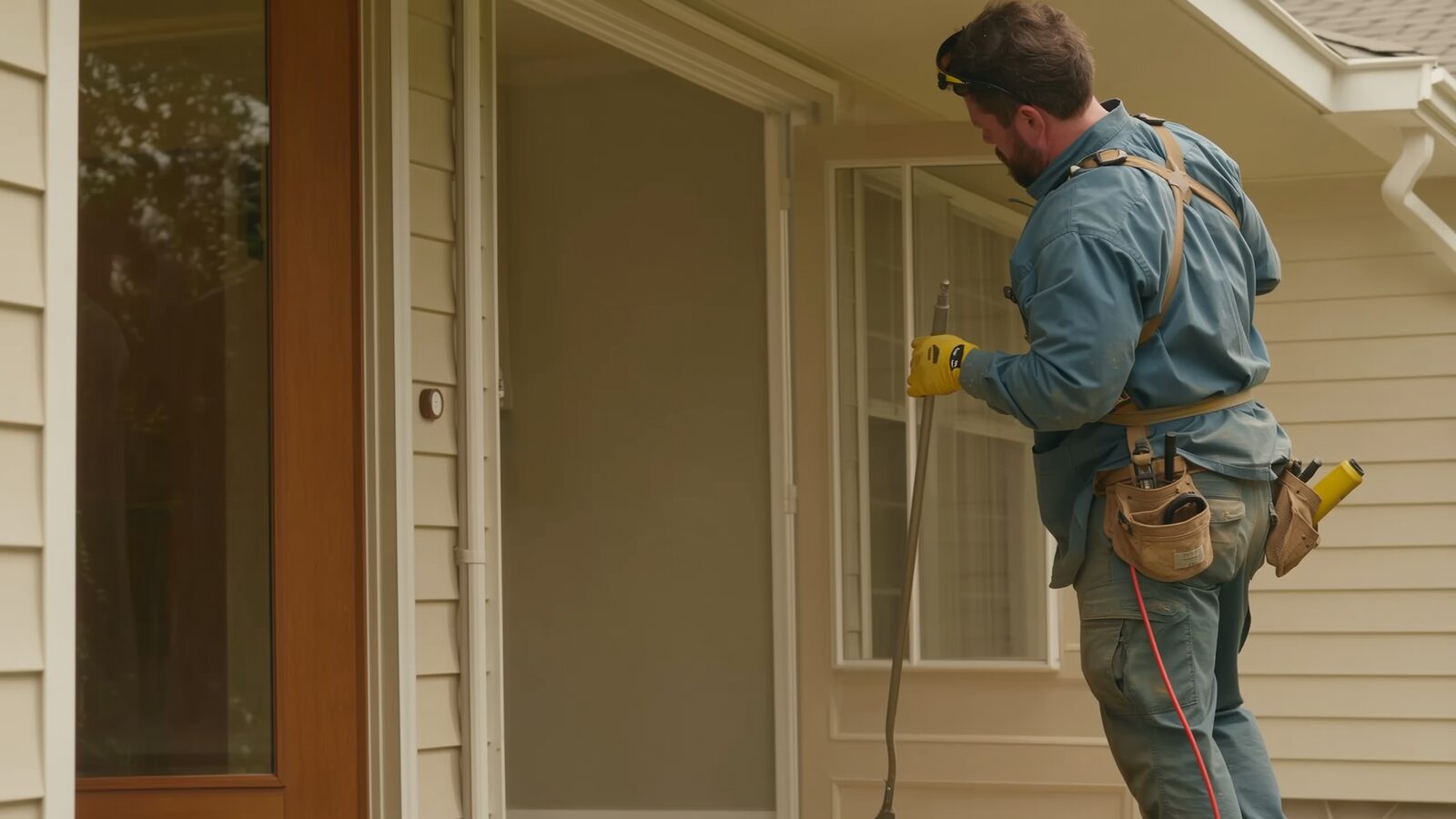
You don't need special equipment to do a basic check after a dust storm passes through. Walk the perimeter of the house and look at roofline, gutters, and any patio cover attachments for anything that shifted. Check window sills and door thresholds inside for a fine film of dust, which tells you where air (and eventually water) is getting past the seal. If you have a swamp cooler or the AC was running during the storm, check the return air filter, since a heavily loaded filter is a quick sign of how much dust got pulled into the system.
Roofline and gutters
Look for shifted tiles, lifted shingle edges, or debris caught in gutters and downspouts that could block drainage during the next rain.
Interior sills and thresholds
A visible dust line on an inside window sill or under a door is a simple, free way to find out which seals in your home are weakest.
HVAC filter and vents
A filter that's noticeably dirtier than expected after one storm is worth noting, especially if you also see fine dust on nearby vent covers or registers.
Questions people ask us
Can a dust storm actually damage a roof, or is it just dirt?
Wind gusts in a haboob can exceed 50 mph, which is enough force to lift shingle edges, shift roof tiles, or stress the sealant around vents and flashing. The dust itself is mostly cosmetic, but the wind behind it can create real openings that show up as leaks during the next rain.
Why does my house smell dusty for days after a storm even though I cleaned?
If dust got pulled into the HVAC system while it was running, it can settle inside the ductwork and get recirculated every time the system turns on, which is different from dust that just settled on visible surfaces and can be wiped away.
Should I check anything specific after a dust storm even if nothing looks wrong?
Yes. Damage from wind and grit often isn't visible right away. A quick look at the roofline, window sills, and your HVAC filter can catch a loosened seal or a heavily loaded filter before it turns into a bigger issue during the next storm.
Is dust storm damage covered by homeowners insurance?
Coverage depends on your specific policy and the type of damage, so it's worth reviewing your policy language or talking to your insurance provider directly about wind and dust related claims.
The standard our team works to
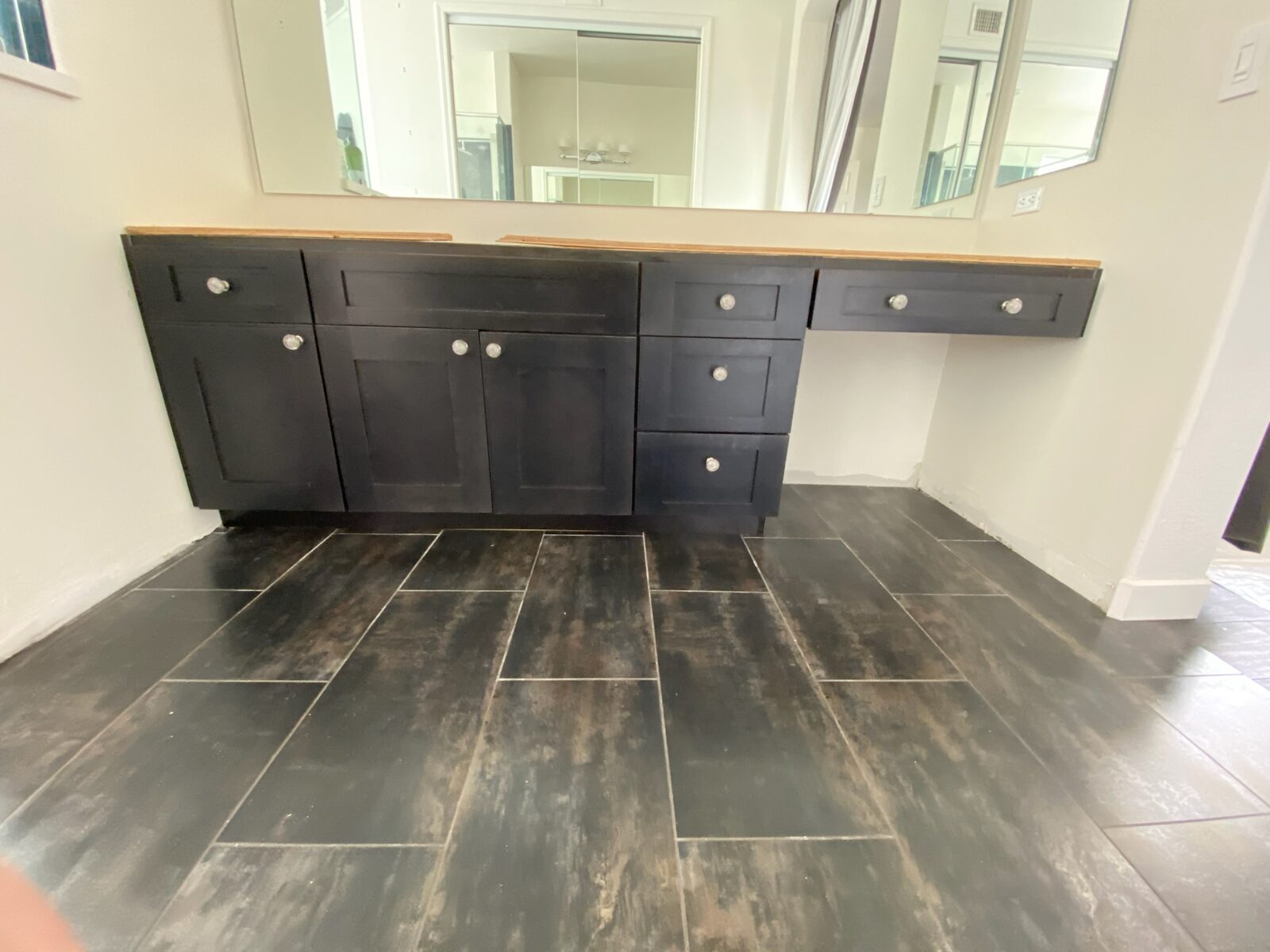
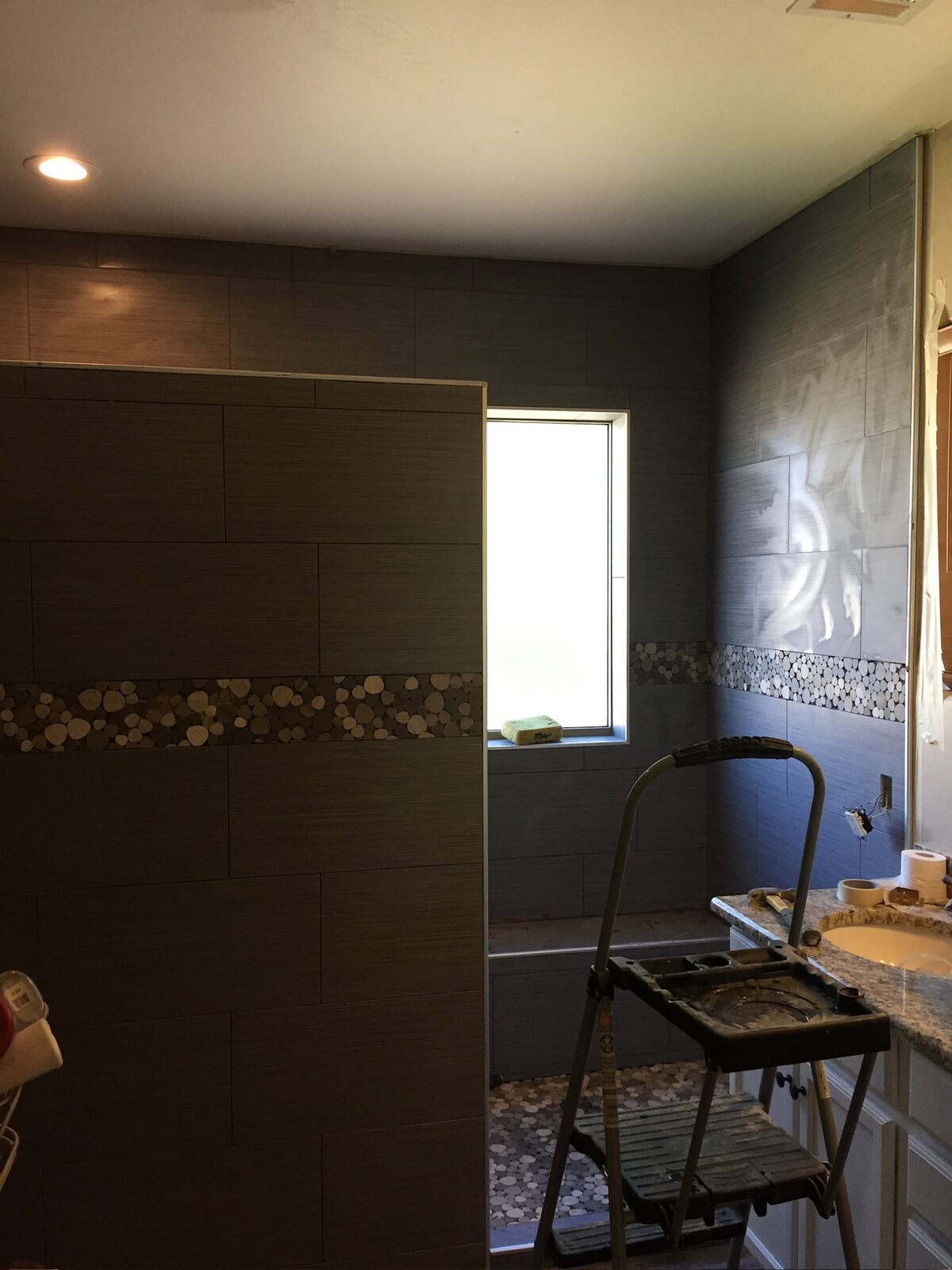
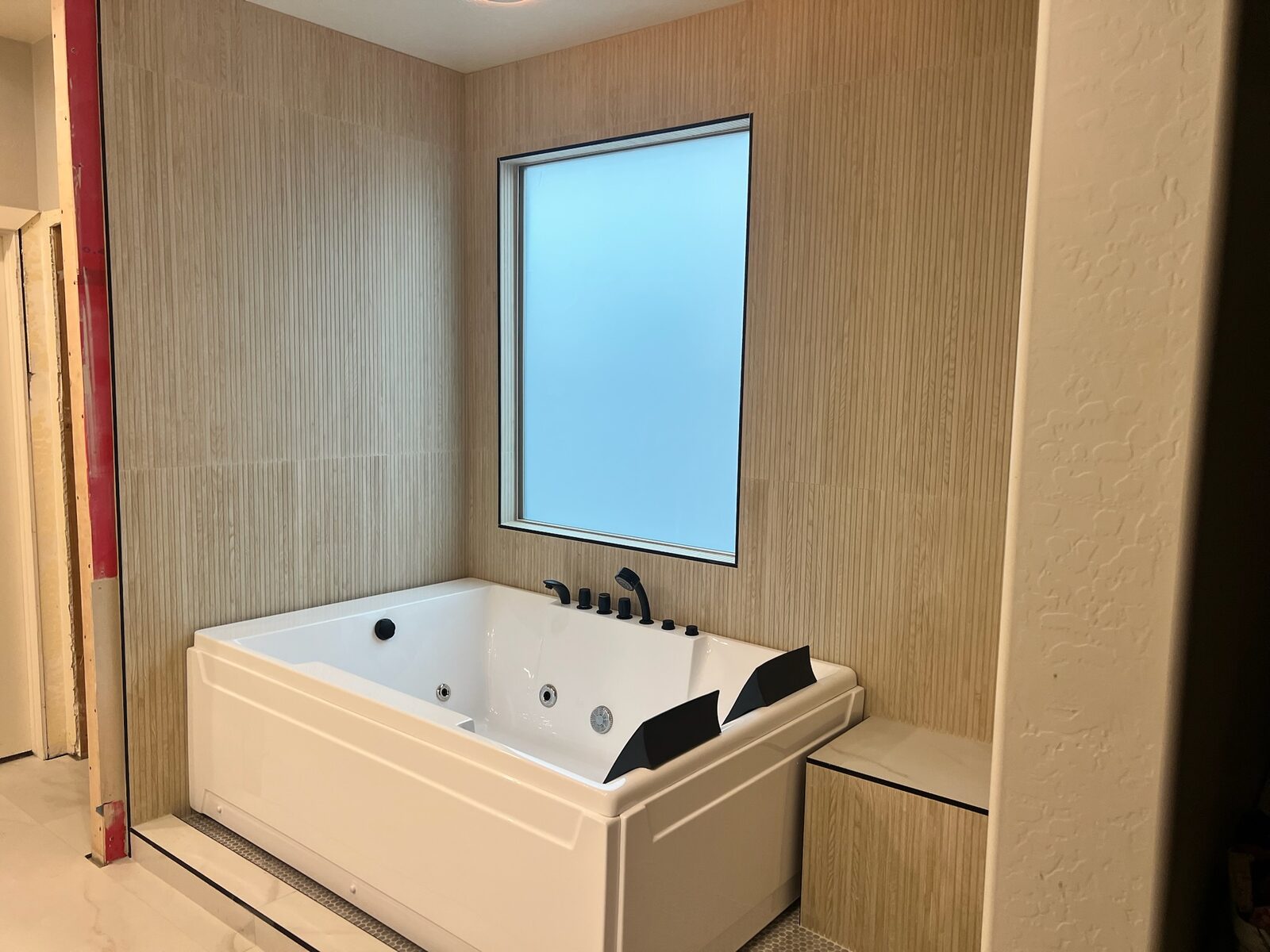
Residential reconstruction work by members of our team. See the full gallery →
More from Gold Water Fire
Abrasive Cleaning Methods for Soot on Framing and Masonry
A look at how abrasive cleaning methods remove soot from wood framing and masonry after a fire, and when each method fits the material.
AC Condensate Line Clogs & the Water Damage They Cause in Phoenix Homes
Why Phoenix AC condensate lines clog every summer, what the water damage looks like, and how to find the source before the ceiling stain spreads again.
Actual Cash Value vs Replacement Cost: Why Your Check Might Not Match the Repair Bill
Confused why your insurance check seems short after fire or water damage? Learn the difference between actual cash value and replacement cost coverage.
Not sure what a recent storm left behind?
If your walk-through turned up a dust line, a loose shingle, or a musty smell you can't explain, it's worth having someone look closer before the next storm finds that same weak spot. Gold Water Fire serves the Phoenix metro area and can talk through what you're seeing. Reach us at (480) 999-3339 or Help@goldwaterfire.com, or visit our <a href="/contact.html">contact page</a>.
Call (480) 999-3339