
Permit Requirements for Home Reconstruction Across Phoenix-Metro Cities
You have been told the word "permit" three or four times now, by three or four different people, and none of them explained it the same way. One said the job was too small to need one. One said the city would shut the work down without it. Someone at your insurance company mentioned it in passing and moved on. So you are sitting with a house that is partly torn open, a stack of paperwork that does not match itself, and a quiet worry you have not said out loud: that you are supposed to already understand this, and you do not. That is not a failure of attention. Permitting in this valley is genuinely fragmented, and the reason it keeps confusing you is that it is confusing.
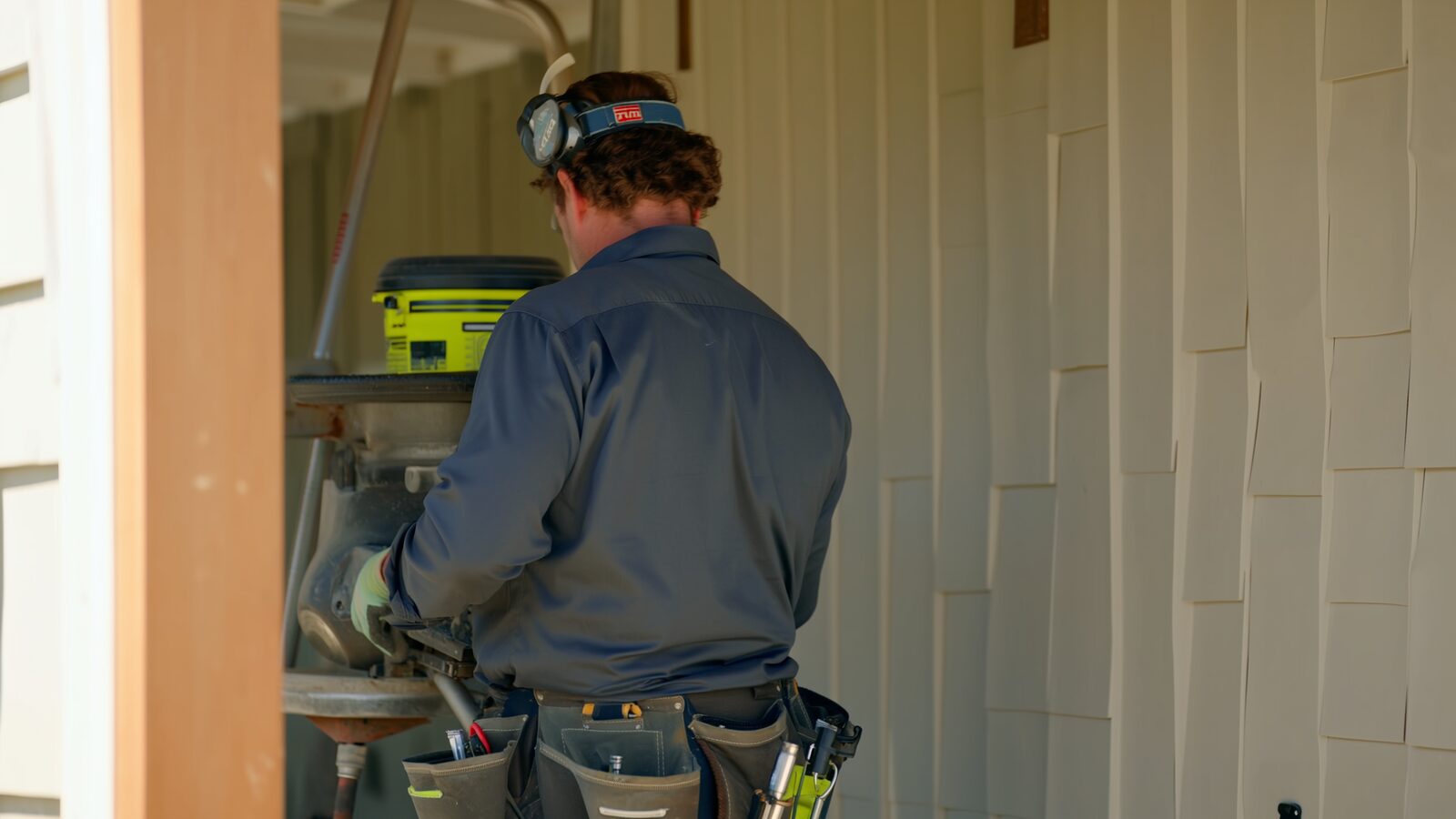
Permit Requirements for Home Reconstruction Across Phoenix-Metro Cities
There is no single Phoenix-area building department
The most common source of confusion is the assumption that "Phoenix" is one jurisdiction with one rulebook. It is not. Each incorporated city runs its own development services or building safety department, issues its own permits, sets its own fees, and staffs its own inspectors. Phoenix, Mesa, Chandler, Scottsdale, Glendale, Gilbert, Tempe, Peoria, Surprise, Avondale, Goodyear, Buckeye, Apache Junction, Queen Creek, and the smaller municipalities like Paradise Valley, Fountain Hills, Cave Creek, El Mirage, Tolleson, and Litchfield Park each handle their own. Unincorporated county islands (and places like San Tan Valley, which is not an incorporated city) fall to Maricopa or Pinal County instead. So a neighbor two miles away, across a city line, can have had a genuinely different experience with the same kind of repair. They were not exaggerating, and neither were you. You were describing two different systems.\n\nWhat they broadly share is a base code. Arizona municipalities generally adopt a version of the International Residential Code with local amendments, which is why the underlying technical requirements rhyme from city to city even when the forms, portals, fee schedules, and review timelines do not.
The line between repair and reconstruction
Permits are generally tied to what you are changing, not to how much it costs or how bad the damage looked. As a rule of thumb across most residential codes, the following categories tend to require a permit:\n\nStructural work. Removing, replacing, or altering load-bearing walls, roof framing, trusses, headers, beams, or foundation elements. Fire that reaches framing members almost always puts a job in this category, because charred structural lumber has to be evaluated and either cleaned and sistered or replaced.\n\nElectrical. New circuits, panel replacement or relocation, rewiring a room, replacing damaged runs. Water and fire both routinely damage wiring inside walls that looked fine from the hallway.\n\nPlumbing. Re-piping, moving fixtures, replacing supply or drain lines in walls, water heater replacement in many cities.\n\nMechanical. Replacing or relocating HVAC equipment, ductwork changes, gas line work.\n\nRoofing, window and door openings, and anything that changes the building envelope or the size of an opening.\n\nWhat usually does not require a permit is like-for-like cosmetic finish work: paint, carpet and flooring, cabinets set in the same location, drywall patching that does not expose or alter structure, and swapping a fixture in an existing location. The trouble in a damage rebuild is that the cosmetic and the structural are tangled together. You start by replacing baseboard and find the bottom plate is rotted. That discovery moves the job across the line, and it is exactly the moment homeowners get caught off guard.
Application, plan review, inspections, final
Most Phoenix-area cities follow a similar sequence, even where the software and the counter staff differ.\n\nFirst, application and submittal. A licensed contractor (or the owner, under owner-builder provisions in some cases) applies through the city portal or in person. Structural changes usually require drawings. Depending on the scope and the city, those drawings may need to be prepared or stamped by an Arizona-registered architect or engineer, most often when framing, beams, or foundations are being altered.\n\nSecond, plan review. The city checks the submittal against code and local amendments. Simple over-the-counter or same-day permits exist in many cities for straightforward trade work like a water heater or panel swap. Full structural review takes longer and can come back with correction comments that need a resubmittal.\n\nThird, inspections in stages. This is the part most people do not expect. Inspections happen during the work, not just at the end, and they happen in order. Typically: rough framing, rough electrical, rough plumbing, rough mechanical, often a combined rough or "cover" inspection, then insulation, then drywall, then finals for each trade and a building final. The practical consequence is that walls cannot be closed up until the rough inspections pass. If drywall goes on early, an inspector can require it opened again.\n\nFourth, final and closeout. Permits that are never finaled stay open. Open permits show up later at sale, refinance, or appraisal, and clearing them years after the fact is harder than closing them at the time. A permit that is left open is one of the quieter ways a rebuild follows a homeowner around.
Historic and HOA overlays
Some neighborhoods carry historic preservation districts or overlay zoning with extra review for exterior changes. An HOA approval is separate from a city permit and does not replace it. You can need both, and each is blind to the other.
Emergency mitigation is different
Immediate work to stop damage, water extraction, drying equipment, tarping, board-up, and removing saturated material, is generally treated as mitigation rather than permitted construction. The permitting question usually arrives with the rebuild phase, not the first 48 hours.
Insurance and permits are separate tracks
An adjuster approving a scope does not authorize the work with the city, and a permit does not obligate an insurer to pay. Permit and plan review fees are commonly a line item in a repair estimate, so it is worth asking whether yours includes them.
Who is allowed to pull the permit
In Arizona, most residential construction above a small dollar threshold requires a contractor licensed by the Arizona Registrar of Contractors, and cities generally want a licensed contractor listed on the permit. You can look up any license number on the ROC website to confirm it is active and what classification it covers. Gold Water Fire holds AZ ROC license #264344, KB-2.\n\nThere is a practical reason this matters beyond compliance. The permit holder is the one who schedules inspections, meets inspectors on site, responds to correction notices, and closes the permit out. If work is done without one, or under an owner-builder permit the homeowner did not intend to manage, that responsibility quietly lands on you.\n\nSequencing is the other reason to sort this out before demolition finishes rather than after. Structural repairs, electrical rough-in, and drywall all sit on the critical path, and a permit applied for late can stall a job that was otherwise ready to move. If you are working through a fire or water loss, the guides on water damage restoration and fire damage restoration cover the mitigation phase, and reconstruction and rebuild covers the phase where permits usually enter the picture.
Questions people ask us
Do I need a permit to replace drywall after water damage?
Replacing drywall by itself is often treated as cosmetic repair and may not require a permit. It changes once the wall is opened and something behind it is altered: wiring, plumbing, insulation in some jurisdictions, or framing members. Because a water loss frequently damages what is inside the wall, this job crosses the line more often than homeowners expect. Confirm with the building department for your specific city, since the threshold is a local decision.
How long does a residential permit take in Phoenix-area cities?
It varies by city and by scope, and no single number applies across the valley. Straightforward trade permits are often issued quickly, sometimes the same day, while work that needs structural plan review takes longer and can add time if the reviewer returns correction comments. The most reliable answer is the current posted review timeline on your own city's development services page.
What happens if reconstruction work was done without a permit?
Cities can issue stop-work notices, require permits after the fact (sometimes at an increased fee), and require that finished work be opened up so an inspector can see what is behind it. The longer-term issue is disclosure: unpermitted work and open permits tend to surface during a sale, refinance, or appraisal, and resolving them later usually costs more than doing it in sequence.
Does my HOA approval count as a permit?
No. An HOA architectural approval and a city building permit are separate processes with separate reviewers and separate criteria. HOA review typically concerns appearance and neighborhood standards. City review concerns building code and safety. For exterior work in a governed community, you may need both, and approval from one does not satisfy the other.
The standard our team works to
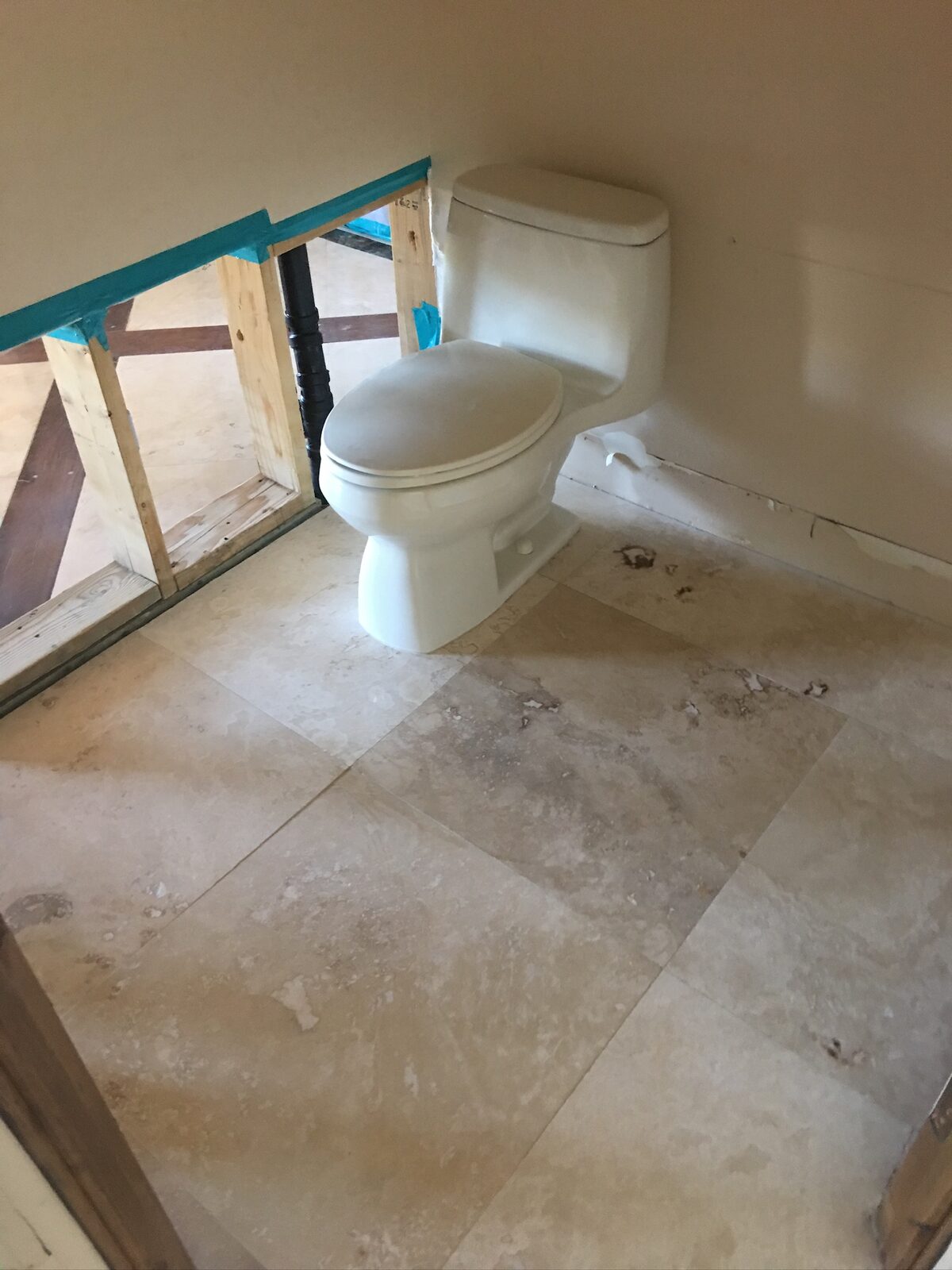
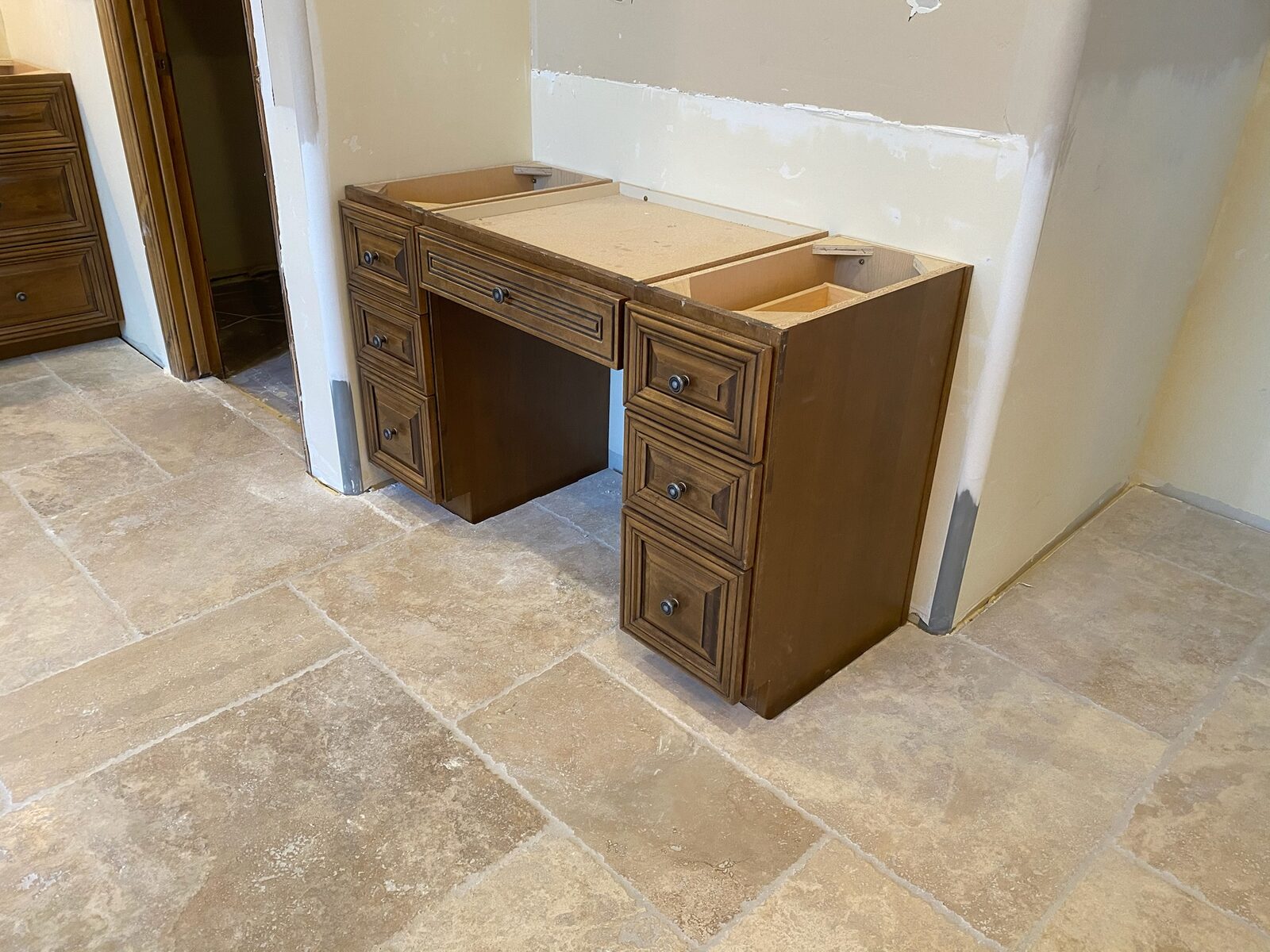
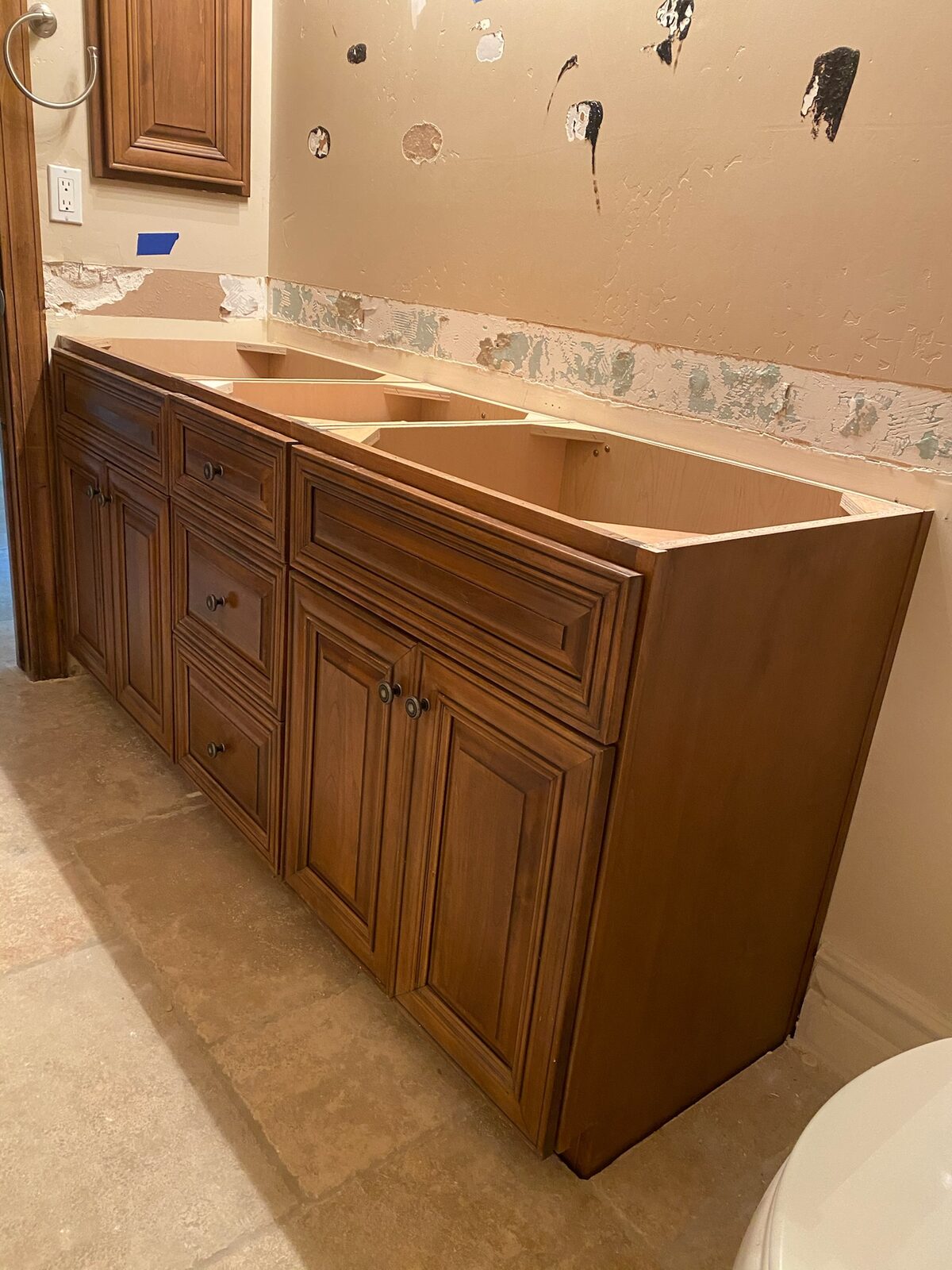
Residential reconstruction work by members of our team. See the full gallery →
More from Gold Water Fire
Abrasive Cleaning Methods for Soot on Framing and Masonry
A look at how abrasive cleaning methods remove soot from wood framing and masonry after a fire, and when each method fits the material.
AC Condensate Line Clogs & the Water Damage They Cause in Phoenix Homes
Why Phoenix AC condensate lines clog every summer, what the water damage looks like, and how to find the source before the ceiling stain spreads again.
Actual Cash Value vs Replacement Cost: Why Your Check Might Not Match the Repair Bill
Confused why your insurance check seems short after fire or water damage? Learn the difference between actual cash value and replacement cost coverage.
Not sure which side of the line your repair falls on
If you are looking at a partly opened wall and cannot tell whether it is a patch or a rebuild, it is worth talking it through before more of it comes apart. Call Gold Water Fire at (480) 999-3339 or email Help@goldwaterfire.com. We work across the Phoenix metro area, from Peoria and Avondale out to Queen Creek, San Tan Valley, and Apache Junction.
Call (480) 999-3339Reconstruction & Rebuild · Water Damage Restoration · Fire Damage Restoration · About Gold Water Fire · Contact Us