
Allowances in a Rebuild Contract: the Placeholder Numbers to Watch
You're staring at a rebuild estimate with a line that says something like "flooring allowance: $4,500" and you don't know if that's generous, tight, or a number someone picked to make the total look smaller. Nobody explained what happens if the tile you actually want costs more. Nobody explained what happens if it costs less, either. You're trying to plan a budget around numbers that were never meant to be final, and that gap between "placeholder" and "what I'll actually pay" is exactly where a lot of homeowners get blindsided partway through a rebuild.
Allowances in a Rebuild Contract: the Placeholder Numbers to Watch
What an allowance actually is
An allowance is a dollar amount built into a contract for a category of material or finish that hasn't been picked yet at signing. Flooring, countertops, cabinets, light fixtures, plumbing fixtures, interior doors, and paint grade are the usual suspects. The contractor has to put some number into the total contract price to give you an estimate, but nobody has walked a showroom or picked a sample yet, so the number is a stand-in. It's not a quote for a specific product. It's a placeholder that gets reconciled later against what you actually select.
Why allowances exist in the first place
A rebuild contract has to have a bottom-line number before construction starts, but selections for finish materials often take weeks and happen after demolition, once you can see the space and get real measurements. Allowances let the contract move forward without waiting on every decision to be finalized. The tradeoff is that the total price on page one is partly a guess dressed up as a number, and that guess only becomes accurate once you've made your choices and reconciled the difference.
The four numbers that quietly do the most damage
Some allowance categories cause more budget pain than others because the gap between the placeholder and reality tends to be widest.
Flooring allowance
Often written as a price per square foot for material only. Installation, underlayment, trim transitions, and removal of existing flooring may or may not be included. Ask what the per-square-foot figure covers before you assume it's the whole job.
Cabinetry allowance
This is usually the single biggest swing in a kitchen rebuild. A stock cabinet line and a semi-custom line can differ by a wide margin, and soft-close hinges, extra drawers, or a different door style push the number further.
Fixture allowances
Plumbing and lighting fixture allowances are often written per unit or as a lump sum for the whole house. A single upgraded faucet or pendant light can eat a large share of a whole-house allowance by itself.
Countertop allowance
Quartz, granite, and laminate price per square foot very differently, and edge profiles, seams, and backsplash treatments are sometimes billed separately from the base allowance.
Questions to ask before you sign anything with an allowance line
Ask whether the allowance figure includes labor and installation or material only. Ask whether tax is included in the stated number. Ask what happens, in writing, if your selection comes in under the allowance: do you get a credit, or does the contractor keep the difference? Ask the reverse too: if you go over, is the overage billed at cost, at a marked-up rate, or as a change order with its own fee? A contract that answers all four of these in plain language is far easier to live with than one that just lists a dollar figure and moves on.
How to pressure-test an allowance before demolition starts
Before signing, take the allowance amount and price it against a real product at a local supplier or showroom. If the flooring allowance is $3 per square foot and the lowest acceptable tile you can find locally runs $5.50, you already know there's a gap coming, and you can decide now whether to raise the allowance, adjust your expectations, or shop harder. Doing this exercise for every allowance line in the contract, even roughly, turns a vague number into a real budget conversation before the walls are open and decisions feel rushed.
Questions people ask us
Is an allowance the same as an estimate?
Not exactly. An estimate is a projected total cost for the whole project. An allowance is a specific placeholder dollar amount for one category of material or fixture inside that total, meant to be replaced by real numbers once you make selections.
What happens if I go over an allowance?
It depends entirely on what the contract says. Some contracts bill the overage at cost, some add a markup, and some treat it as a formal change order with its own paperwork and fee. Get this answer in writing before signing, not after you've picked the tile.
Can I negotiate allowance amounts before signing?
Yes. Allowances are set by the contractor as a working estimate, and you can ask for them to be raised, lowered, or broken out in more detail if a single lump-sum figure is hiding too many categories.
Do allowances apply to structural work too?
Allowances are almost always used for finish materials and fixtures, things you select by look and price, rather than structural framing, electrical rough-in, or plumbing lines, which are typically scoped and priced directly rather than left as a placeholder.
The standard our team works to
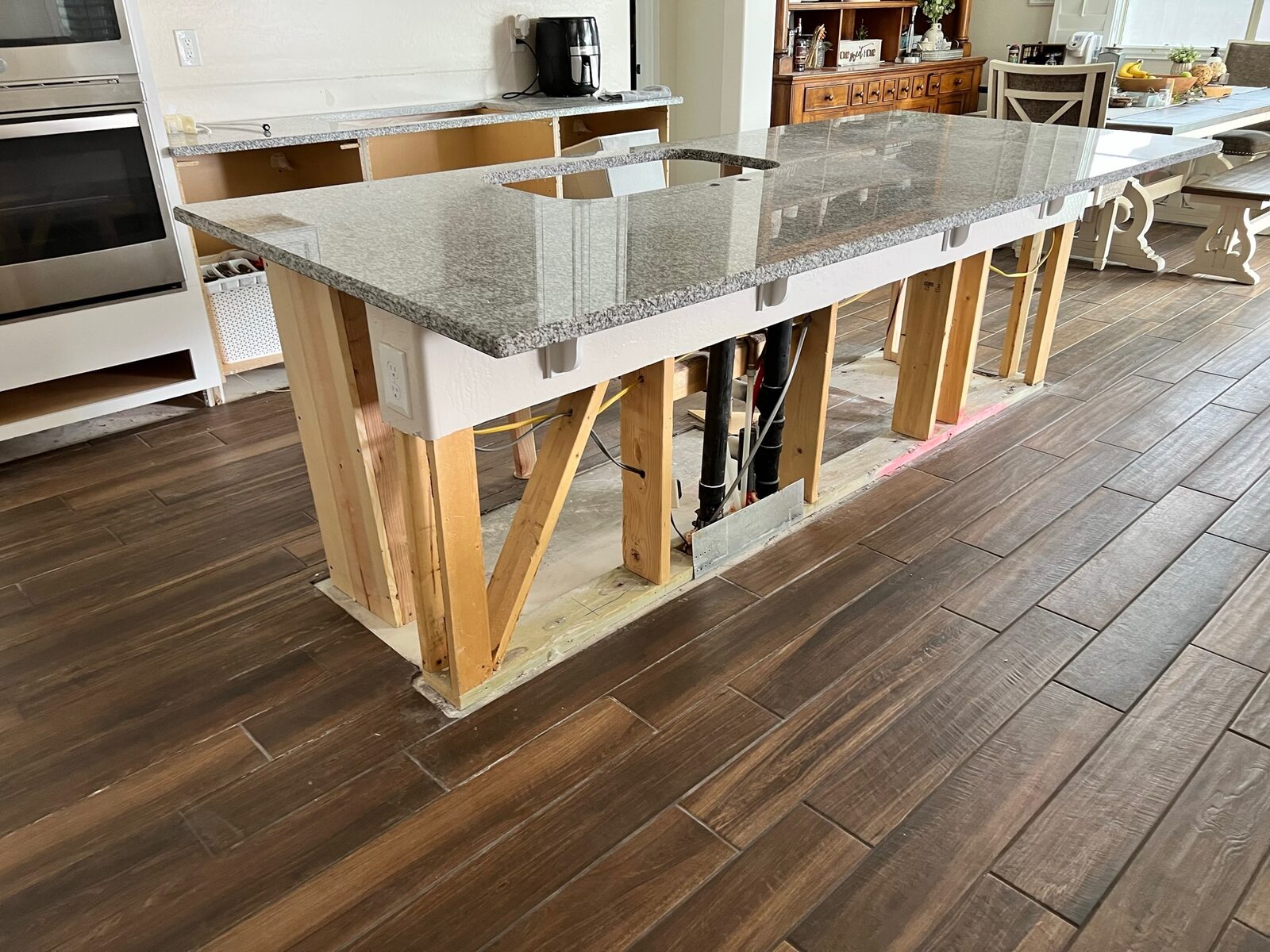
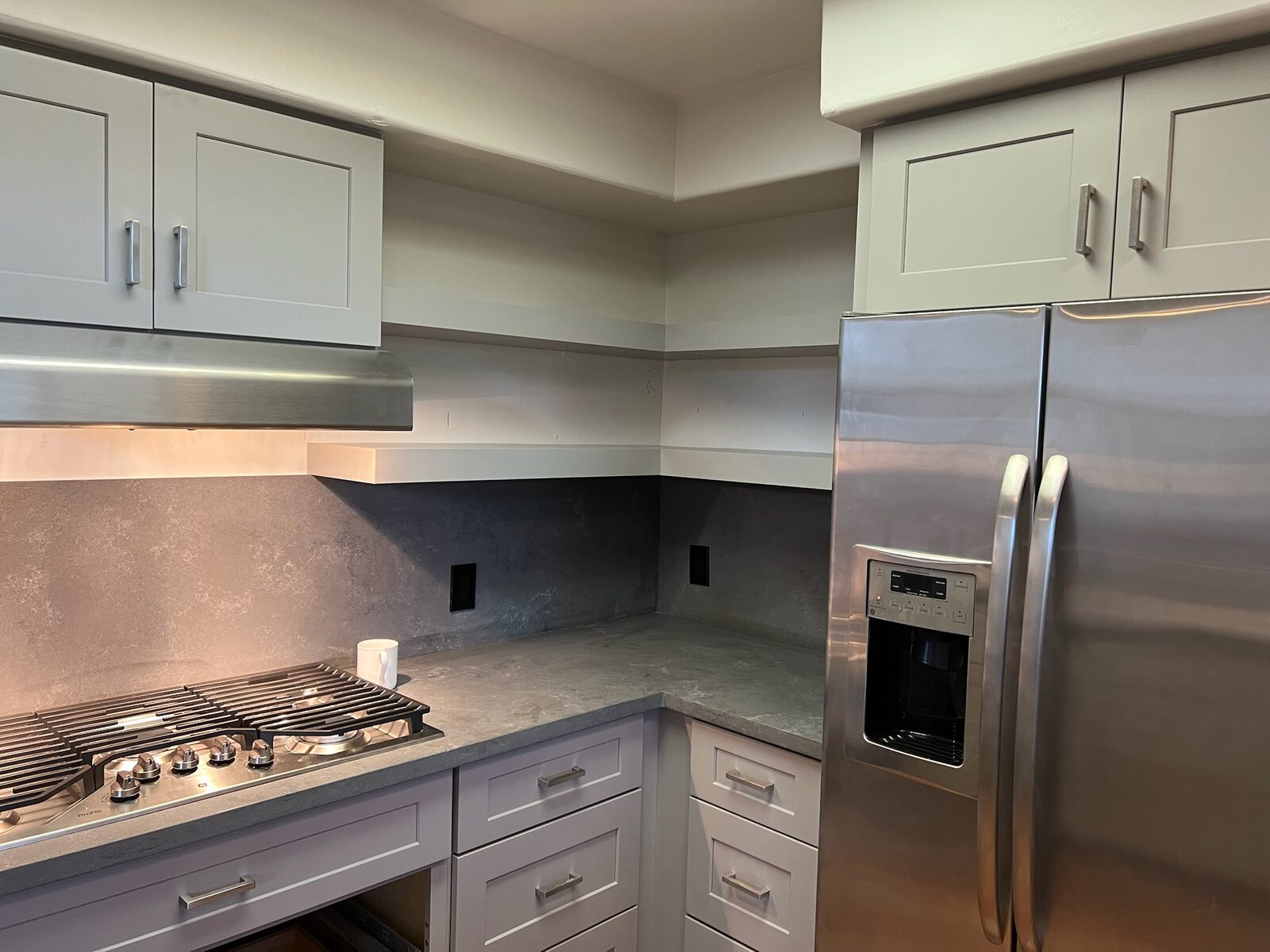
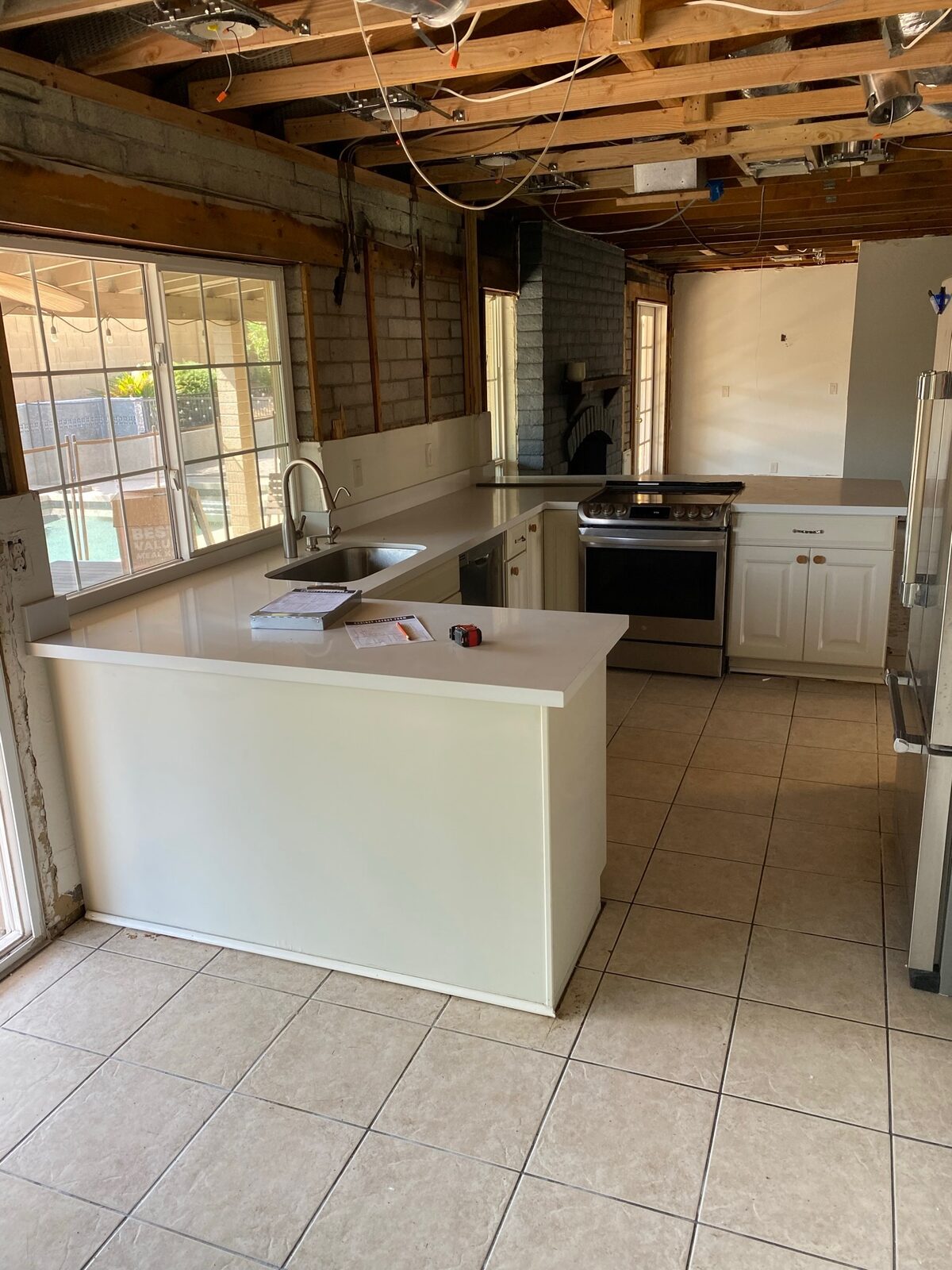
Residential reconstruction work by members of our team. See the full gallery →
More from Gold Water Fire
Abrasive Cleaning Methods for Soot on Framing and Masonry
A look at how abrasive cleaning methods remove soot from wood framing and masonry after a fire, and when each method fits the material.
AC Condensate Line Clogs & the Water Damage They Cause in Phoenix Homes
Why Phoenix AC condensate lines clog every summer, what the water damage looks like, and how to find the source before the ceiling stain spreads again.
Actual Cash Value vs Replacement Cost: Why Your Check Might Not Match the Repair Bill
Confused why your insurance check seems short after fire or water damage? Learn the difference between actual cash value and replacement cost coverage.
Working through a rebuild scope and want it explained plainly?
Gold Water Fire's reconstruction team can walk you through how allowances, selections, and change orders fit into your specific rebuild. Reach out at (480) 999-3339 or Help@goldwaterfire.com.
Call (480) 999-3339Reconstruction & Rebuild services · About Gold Water Fire · Contact Gold Water Fire