
Patching Drywall Versus Replacing a Whole Wall
You're staring at a stain, a crack, or a soft patch on the wall and trying to figure out if it's a quick fix or something bigger. Maybe it's been there a while and you've been telling yourself you'll deal with it eventually. Maybe it just showed up after a leak or a storm and you're not sure how far the damage actually goes behind the surface. Either way, not knowing whether you're looking at a small patch job or a full tear-out is its own kind of stress, especially when the wall looks fine in some spots and worrying in others.
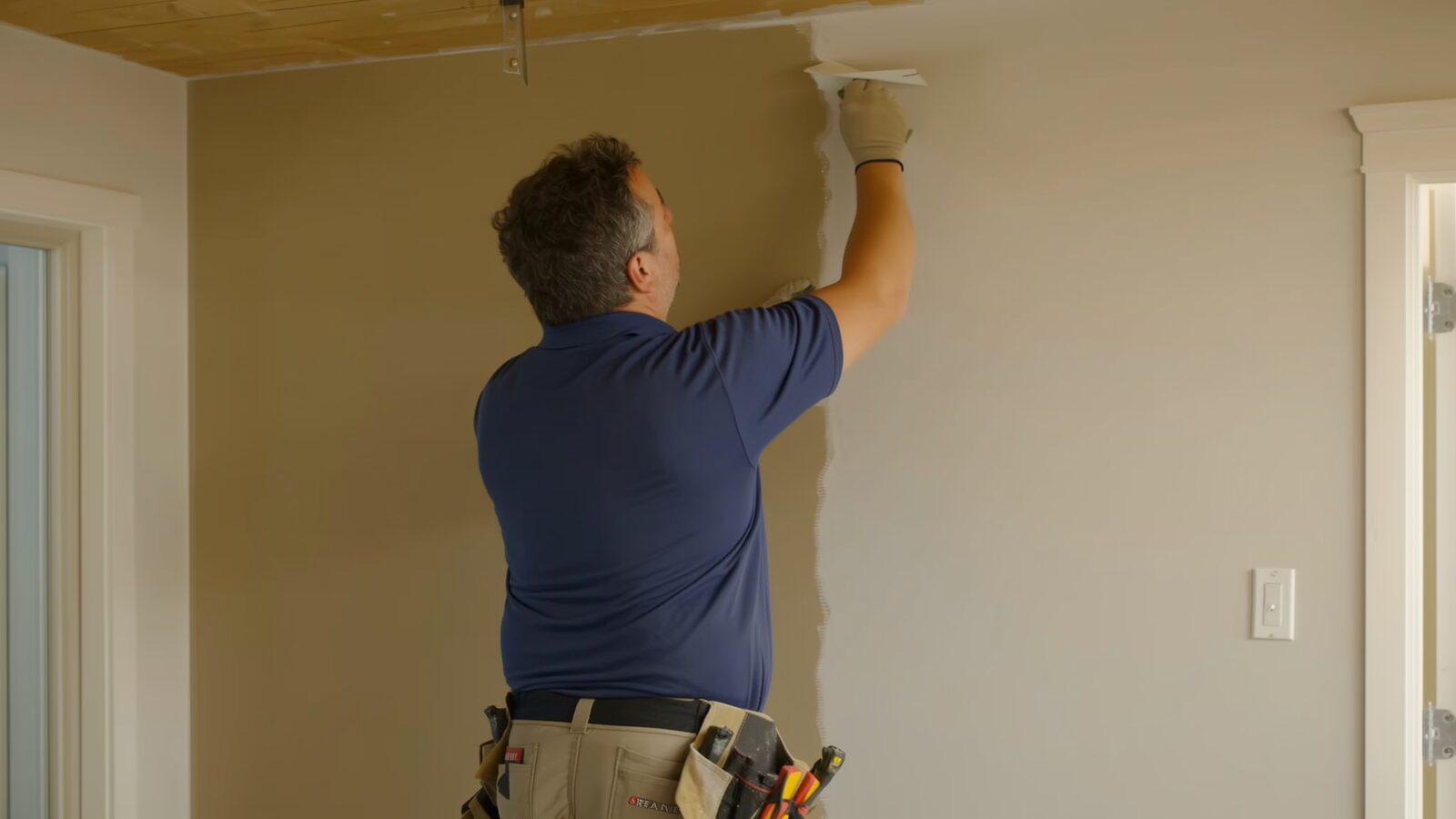
Patching Drywall Versus Replacing a Whole Wall
What a simple patch can actually fix
Drywall patching works well for damage that is contained, cosmetic, and dry. A nail hole, a doorknob dent, a small crack from normal house settling, or a single water spot from a one-time event (like a roof leak that's already been repaired) can usually be cut out and patched with a piece of new drywall, joint tape, and mud. The key requirement is that the surrounding material is structurally sound and completely dry. If you press on the area around the damage and it feels firm, and there's no musty smell or discoloration spreading outward, a patch is often the right call.
Signs the damage goes deeper than the surface
Some warning signs mean the problem isn't just cosmetic. A wall that feels soft or spongy over a wide area, drywall that crumbles or flakes when touched, bubbling or peeling paint across more than a small spot, or a stain that keeps reappearing after you've painted over it are all signs that moisture has traveled further than it looks. Drywall is basically compressed paper and gypsum. Once it absorbs water, it loses structural integrity and doesn't regain it just because the surface dries out. If the damage came from a slow leak behind the wall (a pipe, a window seal, or a roof issue) rather than a single event, there's a good chance the affected area is bigger than what's visible.
Good candidate for a patch
Small, isolated area. Damage came from a one-time event that's already fixed. Wall feels solid to the touch. No lingering odor or recurring stain.
Likely needs more than a patch
Damage spans multiple feet or wraps a corner. Wall feels soft, warped, or bows outward. Stain keeps returning after repainting. Musty smell persists even when the surface looks dry.
Why mold changes the math
Drywall paper is an ideal surface for mold growth once it's been wet for more than a day or two, especially in a warm climate. If mold is visible, or if the wall was wet for an extended period before anyone noticed, patching over it doesn't solve anything. Mold spores can remain in the porous gypsum core even after the surface is cleaned, and painting over a moldy patch just hides the problem temporarily. In these cases, the standard approach is to remove drywall back to clean, dry material, which sometimes means a small section and sometimes means the whole wall depending on how far the contamination spread.
What's behind the wall matters too
Before deciding between a patch and a full replacement, it helps to think about what's inside the wall cavity. Insulation that has absorbed water usually needs to be replaced regardless of how the drywall itself looks, because wet insulation stays wet for a long time and can keep feeding moisture back into new drywall. Electrical wiring or outlets in the affected area should be checked before any repair closes the wall back up. If there's uncertainty about whether water reached the wall's framing, opening up a larger section to inspect is often smarter than patching a small hole and hoping the rest is fine.
When full-wall replacement is the more practical choice
Sometimes replacing a full wall isn't about the damage being more severe. It's about the wall having many smaller issues spread across it, or the drywall being an older type (like the plaster-based drywall common in some older Phoenix-area homes) that doesn't patch cleanly with modern materials. Matching texture on an old wall can also be difficult if only part of it is redone, since drywall texture (knockdown, orange peel, smooth) can be hard to blend seamlessly into an existing surface. In those situations, replacing the full wall often produces a better-looking, longer-lasting result than several patches pieced together. If the damage relates to a broader water or fire event in the home, our water damage restoration and fire damage restoration pages walk through how that kind of damage is typically assessed and addressed, and our reconstruction and rebuild page covers what's involved when a full rebuild is needed.
Questions people ask us
Can I just paint over a water stain instead of patching it?
Painting over a water stain without addressing the moisture source usually just delays the problem. If the leak isn't fully stopped, the stain will bleed through new paint, and if mold is present under the surface, painting over it traps the issue rather than solving it. It's worth confirming the wall is fully dry and the source of the water is resolved before doing any cosmetic fix.
How do I know if drywall damage is bigger than it looks?
Press gently on the wall in a grid pattern around the visible damage. Soft, spongy, or crumbling areas indicate the damage extends beyond what's visible on the surface. A moisture meter, which many contractors and home improvement stores carry, can also detect elevated moisture in drywall that looks dry to the eye.
Does a patched wall look as good as a replaced one?
A well-done patch can be nearly invisible, but matching existing texture and paint sheen takes skill, especially on older walls or textures that have changed over the years. For small, isolated repairs, patching is usually fine. For walls with multiple damaged areas or hard-to-match texture, a full replacement often gives a more even, consistent finish.
Is it more expensive to patch drywall multiple times than to replace the wall once?
It depends on the situation, but repeated patching of a wall with an ongoing moisture issue can end up costing more over time than addressing the root cause once and replacing the affected section. If a wall keeps developing new spots, it's worth investigating why rather than continuing to patch the same area.
The standard our team works to
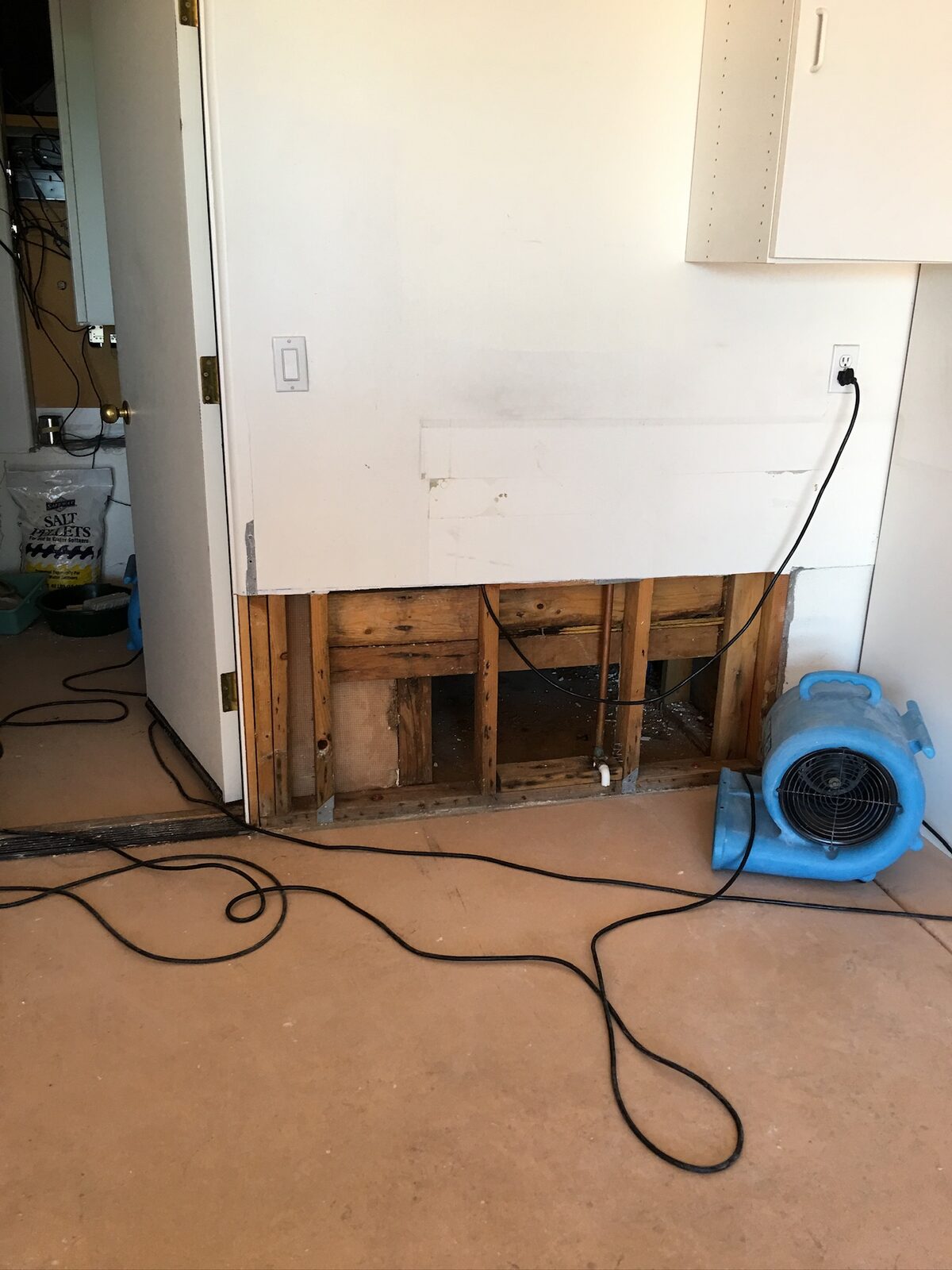
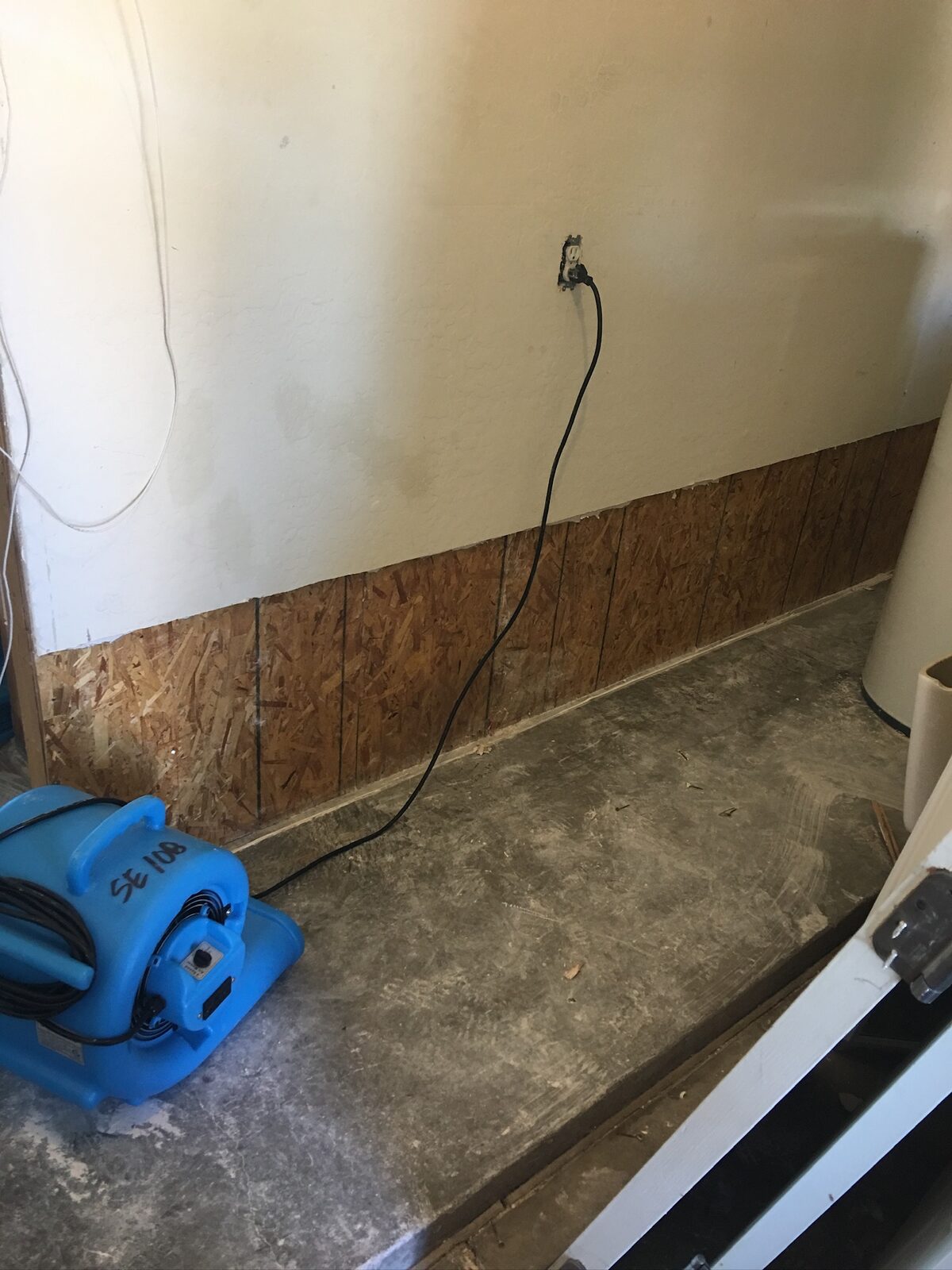
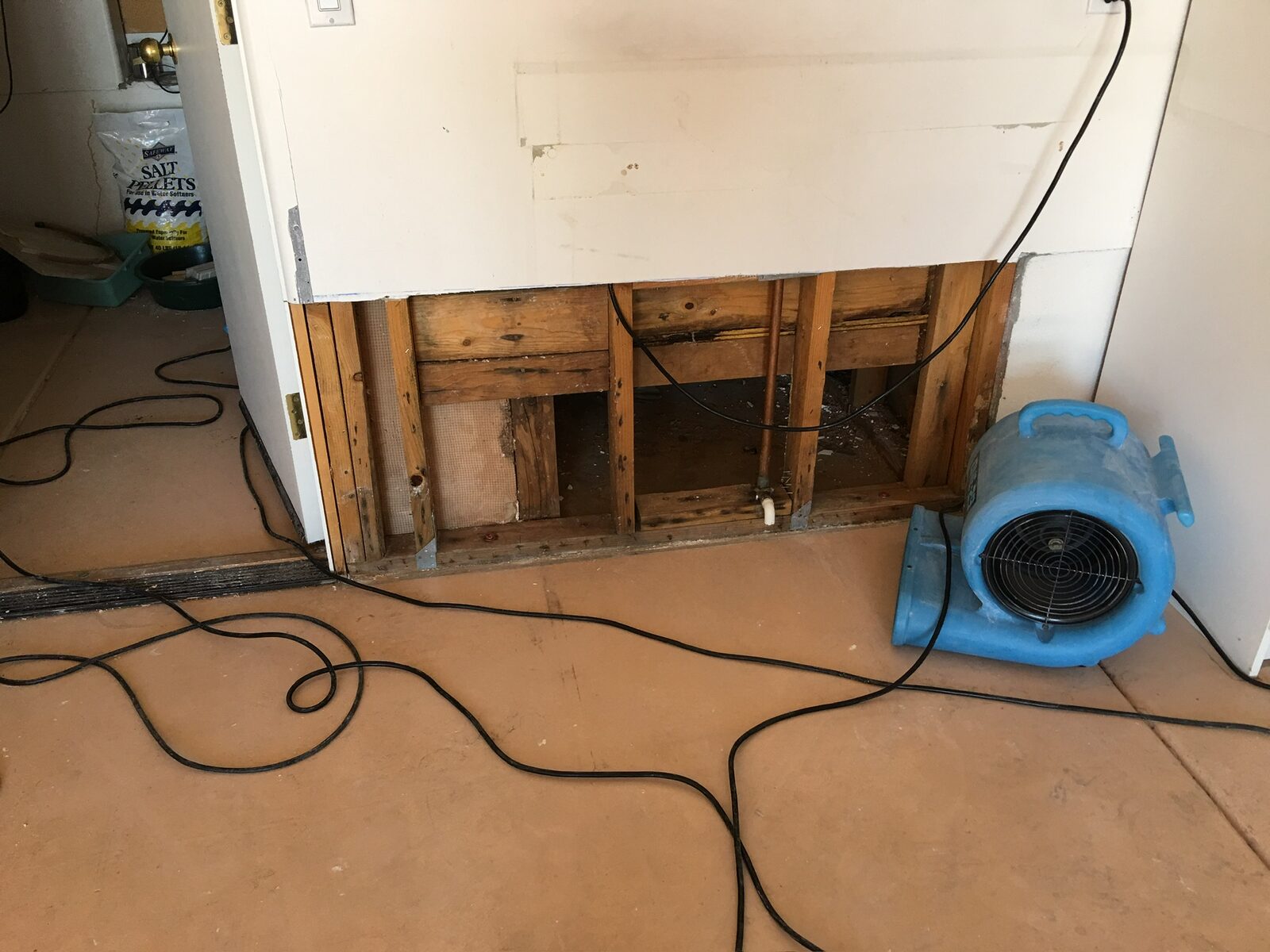
Residential reconstruction work by members of our team. See the full gallery →
More from Gold Water Fire
Abrasive Cleaning Methods for Soot on Framing and Masonry
A look at how abrasive cleaning methods remove soot from wood framing and masonry after a fire, and when each method fits the material.
AC Condensate Line Clogs & the Water Damage They Cause in Phoenix Homes
Why Phoenix AC condensate lines clog every summer, what the water damage looks like, and how to find the source before the ceiling stain spreads again.
Actual Cash Value vs Replacement Cost: Why Your Check Might Not Match the Repair Bill
Confused why your insurance check seems short after fire or water damage? Learn the difference between actual cash value and replacement cost coverage.
Not sure which one your wall needs?
If you're dealing with water or fire damage in a Phoenix-area home and want a clear read on whether a wall can be patched or needs to come out, reach Gold Water Fire at (480) 999-3339 or Help@goldwaterfire.com. You can also see how we approach these situations on our <a href="/about.html">about page</a> or start with our <a href="/contact.html">contact page</a>.
Call (480) 999-3339