
Vacancy Clauses: How an Empty Home Changes What a Policy Covers
Finding out your policy might not cover something because the house was empty is the kind of thing nobody explains to you until it matters. Maybe you inherited a property and haven't moved in yet. Maybe you're between renters, or the house is sitting on the market longer than you expected, or you moved out ahead of a spouse or parent who's still finishing up. Whatever the reason, the home has been quiet for a while, and now there's damage, water pooling somewhere it shouldn't, a pipe that failed, a fire that started for reasons no one was around to catch early. If you're now digging through your policy trying to figure out what "vacant" actually means and whether it applies to you, that confusion is completely reasonable. Insurance language wasn't written for the person living through this.
Vacancy Clauses: How an Empty Home Changes What a Policy Covers
What insurers mean by "vacant" versus "unoccupied"
Most homeowners policies draw a line between a home that is unoccupied and one that is vacant, and the two words carry very different weight even though they sound similar. Unoccupied generally means no one is living there day to day, but the home still has furniture, belongings, and signs of active use, like a vacation property between visits. Vacant typically means the home is both unoccupied and largely empty of personal property, often for an extended stretch of time. Insurers treat vacant homes as a higher risk because there's no one around to notice a leak starting, smell smoke early, or deter someone from breaking in. That higher risk is exactly why vacancy clauses exist: they let the insurer adjust or suspend certain coverage once a home crosses that threshold.
The 30 to 60 day pattern (and why you should read your own policy, not assume it)
A common structure in the industry is a vacancy clause that triggers automatically once a home has been empty for a set number of consecutive days, often somewhere in the 30 to 60 day range. Once that threshold hits, coverage for certain perils can be reduced or excluded entirely, even though you're still paying the same premium. The specific number of days, and which perils get affected, varies by insurer and by state, and it's written into your specific policy documents, not a universal industry rule. If you're not sure where your policy lands, the only reliable answer is to pull the actual document and look for the word "vacancy" in the definitions and exclusions sections, or call your agent and ask directly how many days trigger it for your policy.
Which damages tend to get hit hardest
Vandalism and theft are the perils most commonly excluded once a vacancy clause kicks in, since insurers assume an empty home is more exposed to both. Water damage from things like burst pipes, slow leaks, and appliance failures is also frequently affected, because the assumption is that someone living in the home would have caught the problem before it spread. Fire coverage is sometimes reduced too, though it's more often theft and water damage that get singled out in vacancy language. This is part of why a small water leak in an occupied home might be a minor repair, while the same leak in a home that's been empty for two months can turn into extensive damage to flooring, drywall, and framing before anyone finds it.
Situations that commonly trigger vacancy questions
Certain life events push a home into vacant territory without the owner necessarily realizing it. A property listed for sale that's been staged but empty for a couple of months. A rental unit sitting between tenants longer than planned. An inherited home that hasn't been sorted out yet. A renovation project where the owners moved out before work started and the work has stalled. Seasonal or vacation homes can also drift from unoccupied into vacant if they go long stretches without a visit, without the owner adjusting anything on the policy. None of these situations are unusual, but each one is worth checking against your specific policy language rather than assuming standard coverage still applies.
What to do if you're worried a property might already be vacant under your policy
Start by finding your actual policy document, not a summary or the declarations page, and search for "vacancy" or "vacant" in the text. Many insurers offer a vacant home endorsement or a separate vacant property policy that restores or extends coverage for a fee, and it's worth asking your agent about this directly if a property is going to sit empty for a while, whether that's a listing, an estate, or a stalled renovation. If damage has already happened, document the condition of the property as soon as you're aware of it, including how long it had been vacant and when you or anyone else last checked on it, since that timeline often matters to how a claim gets reviewed.
Questions people ask us
How long can a house sit empty before insurance is affected?
It depends entirely on your specific policy. Many insurers use a threshold somewhere between 30 and 60 consecutive days of vacancy, but the exact number and which coverages it affects are set by your individual policy, not a fixed industry standard. Check your policy document or ask your agent directly.
Is a vacation home considered vacant by my insurer?
Not usually, as long as it's furnished and visited periodically, which typically keeps it in the "unoccupied" category rather than "vacant." If visits become rare or stop for a long stretch, it can drift into vacant territory, so it's worth checking with your insurer if a seasonal property is going unused for months at a time.
Can I still get coverage for a vacant property?
Many insurers offer a vacant home endorsement or a dedicated vacant property policy that restores or extends coverage while the home sits empty. It's usually an added cost, but it's worth asking about before damage happens rather than after.
Does a vacancy clause affect fire damage the same way it affects water damage?
Not always. Vacancy clauses most commonly target theft and vandalism, and frequently affect water damage from things like burst pipes or slow leaks, since no one is present to catch the problem early. Fire coverage can be affected too, but the specifics depend on your policy's language.
The standard our team works to
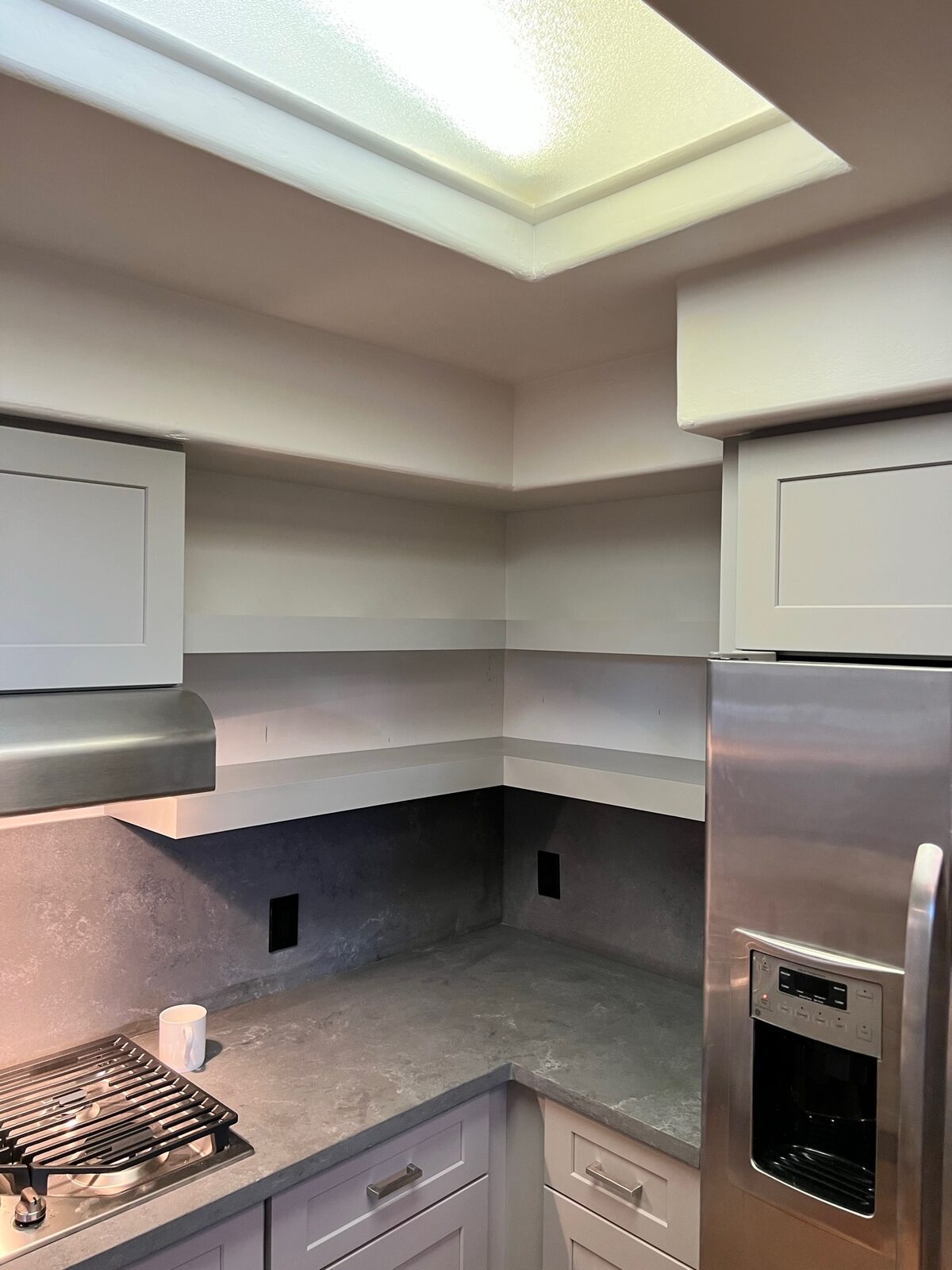
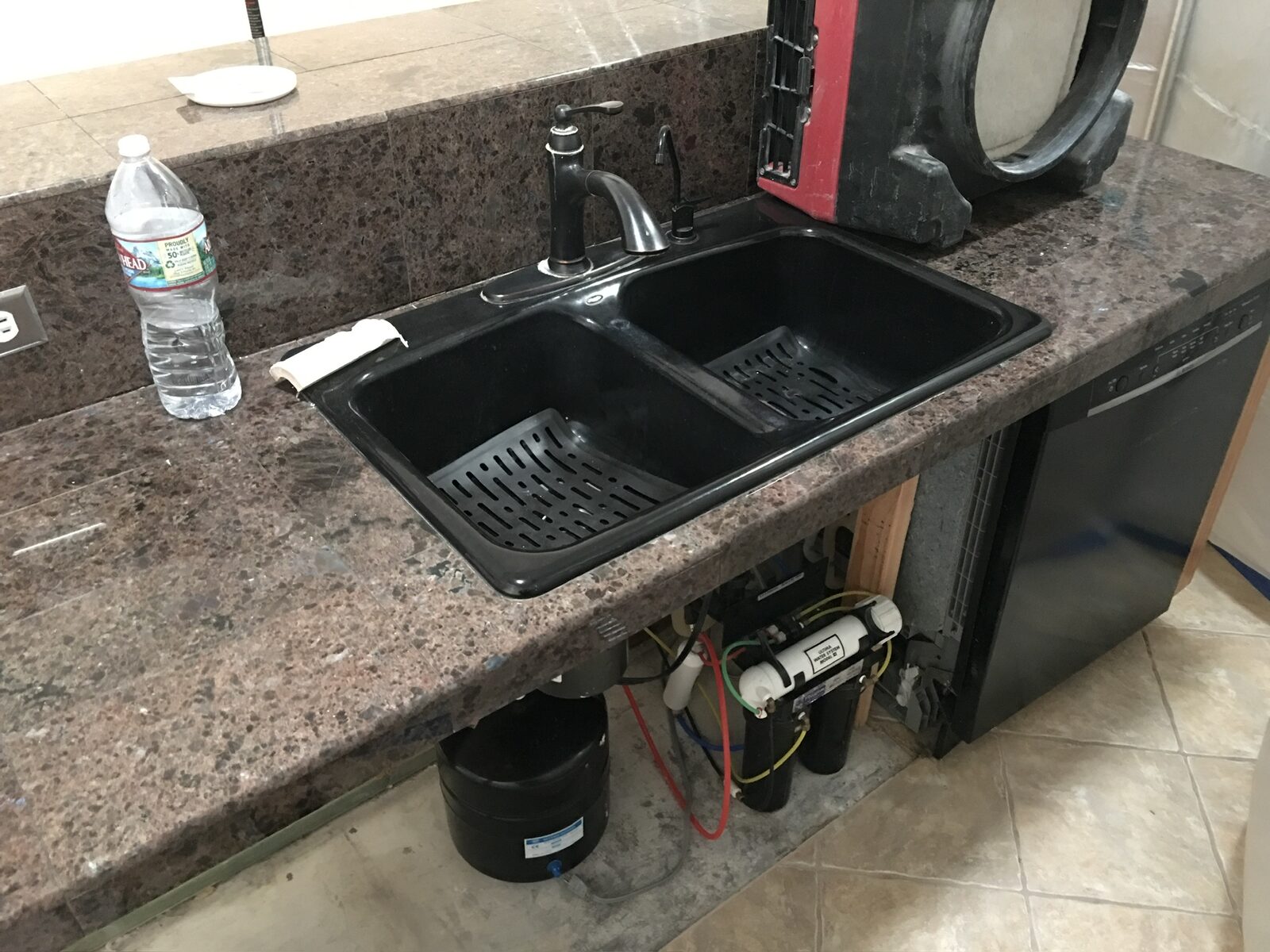
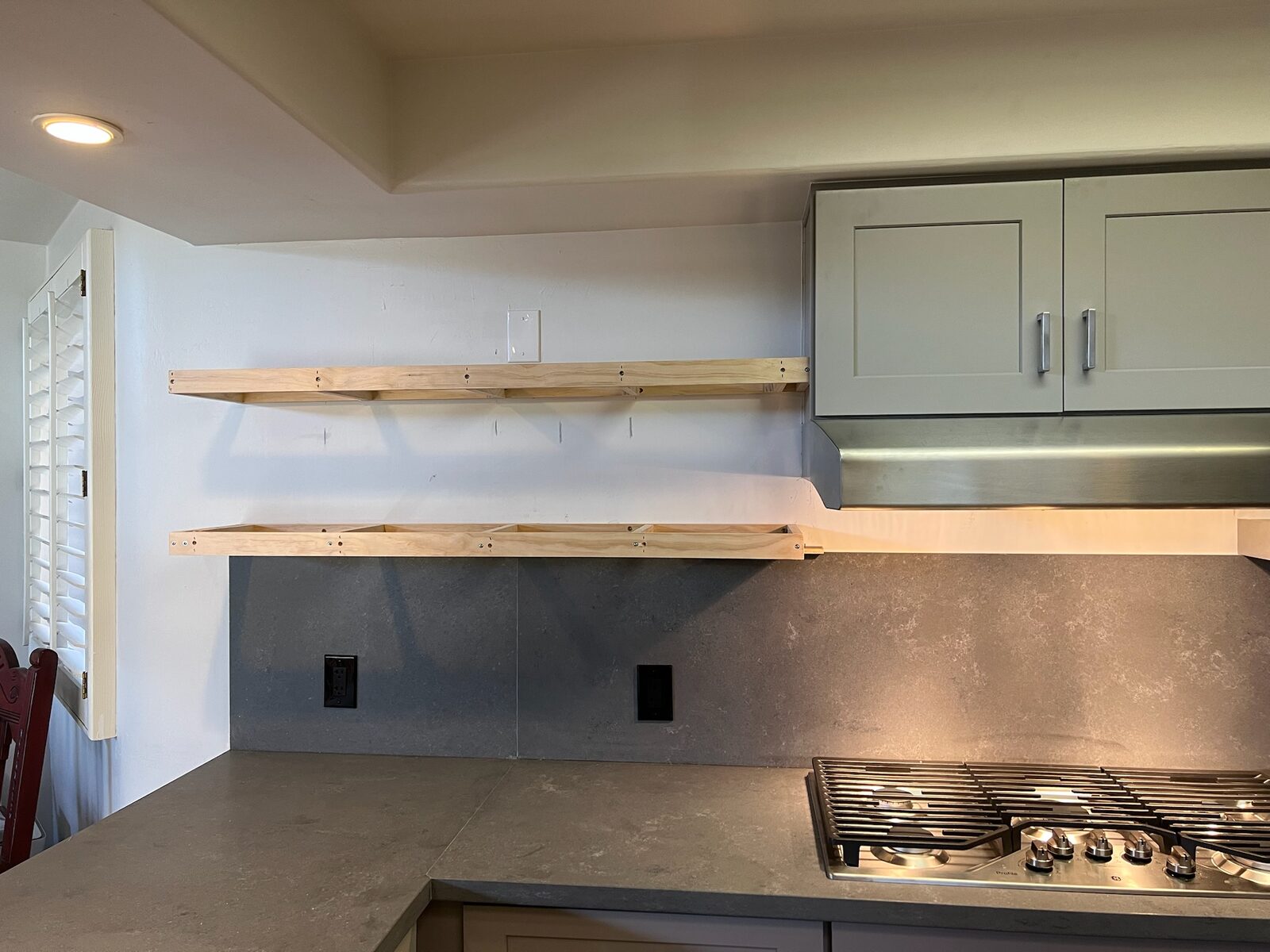
Residential reconstruction work by members of our team. See the full gallery →
More from Gold Water Fire
Abrasive Cleaning Methods for Soot on Framing and Masonry
A look at how abrasive cleaning methods remove soot from wood framing and masonry after a fire, and when each method fits the material.
AC Condensate Line Clogs & the Water Damage They Cause in Phoenix Homes
Why Phoenix AC condensate lines clog every summer, what the water damage looks like, and how to find the source before the ceiling stain spreads again.
Actual Cash Value vs Replacement Cost: Why Your Check Might Not Match the Repair Bill
Confused why your insurance check seems short after fire or water damage? Learn the difference between actual cash value and replacement cost coverage.
If a vacant property already has water or fire damage
Whatever your policy ends up covering, the damage itself still needs to be assessed and addressed. Gold Water Fire works with homeowners across the Phoenix, AZ metro area on water damage restoration, fire damage restoration, and reconstruction, and can help you understand the scope of what happened while you sort out the coverage side. Reach out at (480) 999-3339 or Help@goldwaterfire.com.
Call (480) 999-3339Water Damage Restoration · Fire Damage Restoration · Reconstruction & Rebuild · Contact Gold Water Fire