
How Estimating Software Shapes a Property Damage Estimate
You're holding two estimates for the same damage and they don't match, or maybe you got one number from a contractor and a different number from your insurance company, and you can't figure out why. It feels like it should be simple: something got damaged, someone should be able to say what it costs to fix. Instead you're staring at a printout full of line items, codes, and totals that don't explain themselves, wondering if someone made a mistake, or worse, if someone is trying to shortchange you. That confusion is normal. Most homeowners never see how these estimates get built until they're forced to.
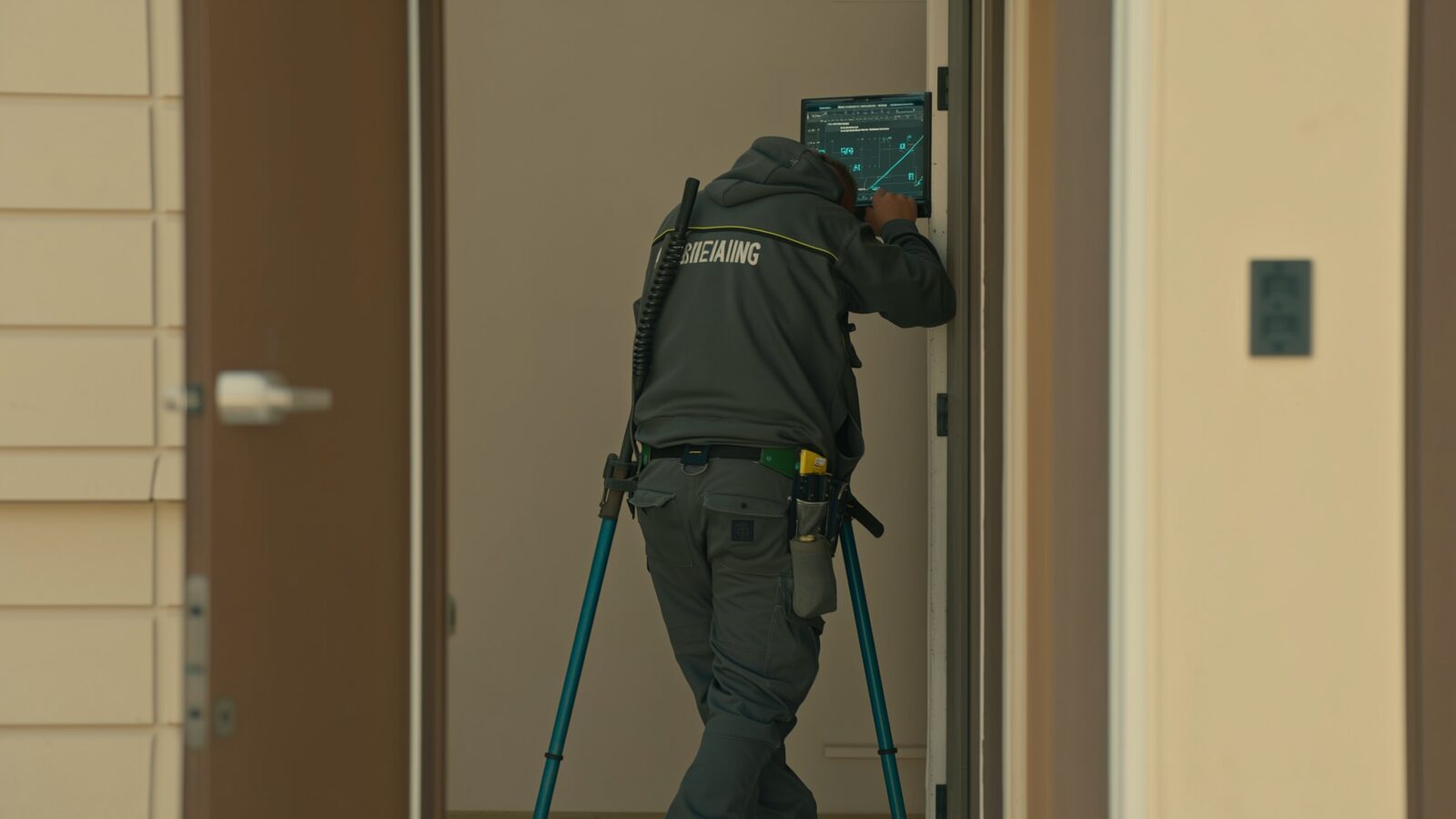
How Estimating Software Shapes a Property Damage Estimate
What estimating software actually does
Most restoration and insurance estimates in the United States are built using line-item estimating software rather than a contractor simply writing a number on a page. This software holds a database of unit costs for thousands of tasks: removing wet drywall, running an air mover for a day, replacing a section of baseboard, painting a ceiling. Each task has a code, a description, and a price that reflects labor, material, and equipment for that specific line. The person building the estimate measures the damaged area, selects the matching line items, and the software calculates a total. This is why estimates often look like long spreadsheets instead of a single lump sum. The structure is standardized, but the choices made while building it are not.
Regional pricing and why location matters
The unit costs in these databases are usually tied to a specific geographic price list, updated periodically to reflect local labor and material costs. A price list for the Phoenix metro area will differ from one for a different region because labor rates, material availability, and even permitting costs vary by location. This is one reason a national average you find online rarely matches an actual local estimate. It's also why two estimators working from the same software, in the same region, should land on similar numbers for the same defined scope of work, even if they've never spoken to each other.
Scope decisions, not just software, drive the total
The software calculates the math correctly almost every time. Where estimates actually diverge is in the scope: what gets included as a line item in the first place. Should a moisture-affected cabinet be listed for replacement or drying? Does the estimate include detaching and resetting a toilet to access flooring underneath, or just the flooring itself? Should the estimate account for matching paint across an entire wall versus just the damaged section? These are judgment calls made by the person measuring and documenting the loss, based on what they observe, what industry drying and repair standards call for, and what they believe is needed to return the property to its pre-loss condition. Two people can look at the same water-damaged room and write two different scopes, which then produce two different totals even though both used the same software correctly.
What to look for when a number doesn't make sense
If an estimate feels off, the software is rarely the problem. Look instead at the scope lines: what's included, what's excluded, and what quantities were measured. Compare the square footage listed against the actual room dimensions. Check whether line items describe removal and replacement of materials, or only one of those steps. If a line item mentions a task you don't recognize, ask what it covers and why it was included, rather than assuming it's padding or an omission. A well-documented estimate should be able to explain, room by room, why each line is there. If you're comparing your estimate against a professional's on a related loss type, our guides on water damage restoration and fire damage restoration outline how scope is typically built for each kind of damage.
Questions people ask us
Does estimating software set the final price of my claim?
The software calculates totals from the line items entered, but it doesn't decide what belongs in the estimate. That scope, what's measured, what's included, and what's excluded, is set by the person documenting the damage. Two estimates can use the same software and pricing database and still land on different totals because the underlying scope differs.
Why did my contractor's estimate and my insurance company's estimate come out different?
Most often the difference comes down to scope, not math. Each side may have measured different areas, included or left out certain repair steps, or interpreted what's needed to restore the property differently. Reviewing the line items side by side, rather than just the totals, usually shows where the two diverge.
Is a higher-priced estimate automatically more thorough?
Not necessarily. A higher total can mean a broader scope of needed repairs, but it can also reflect double-counted work, unnecessary line items, or measurements that don't match the actual space. The way to check is to look at what each line item covers, not just the final number.
Can I ask for a copy of the detailed estimate, not just the total?
Yes. A properly built estimate is broken into line items with quantities and descriptions, and you're entitled to see that detail rather than only a summary total. If you're only given a lump sum, it's reasonable to ask for the itemized version.
The standard our team works to
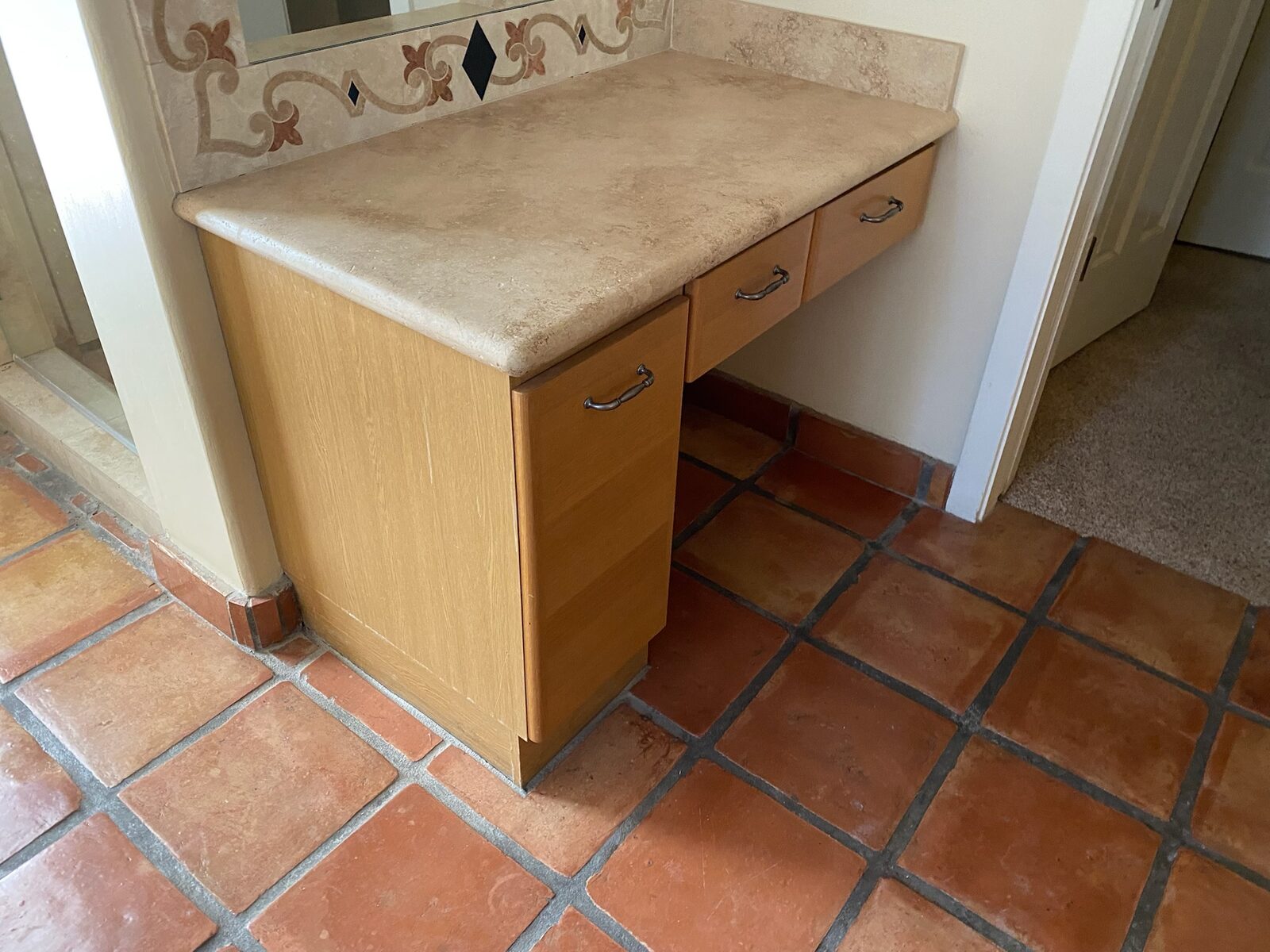
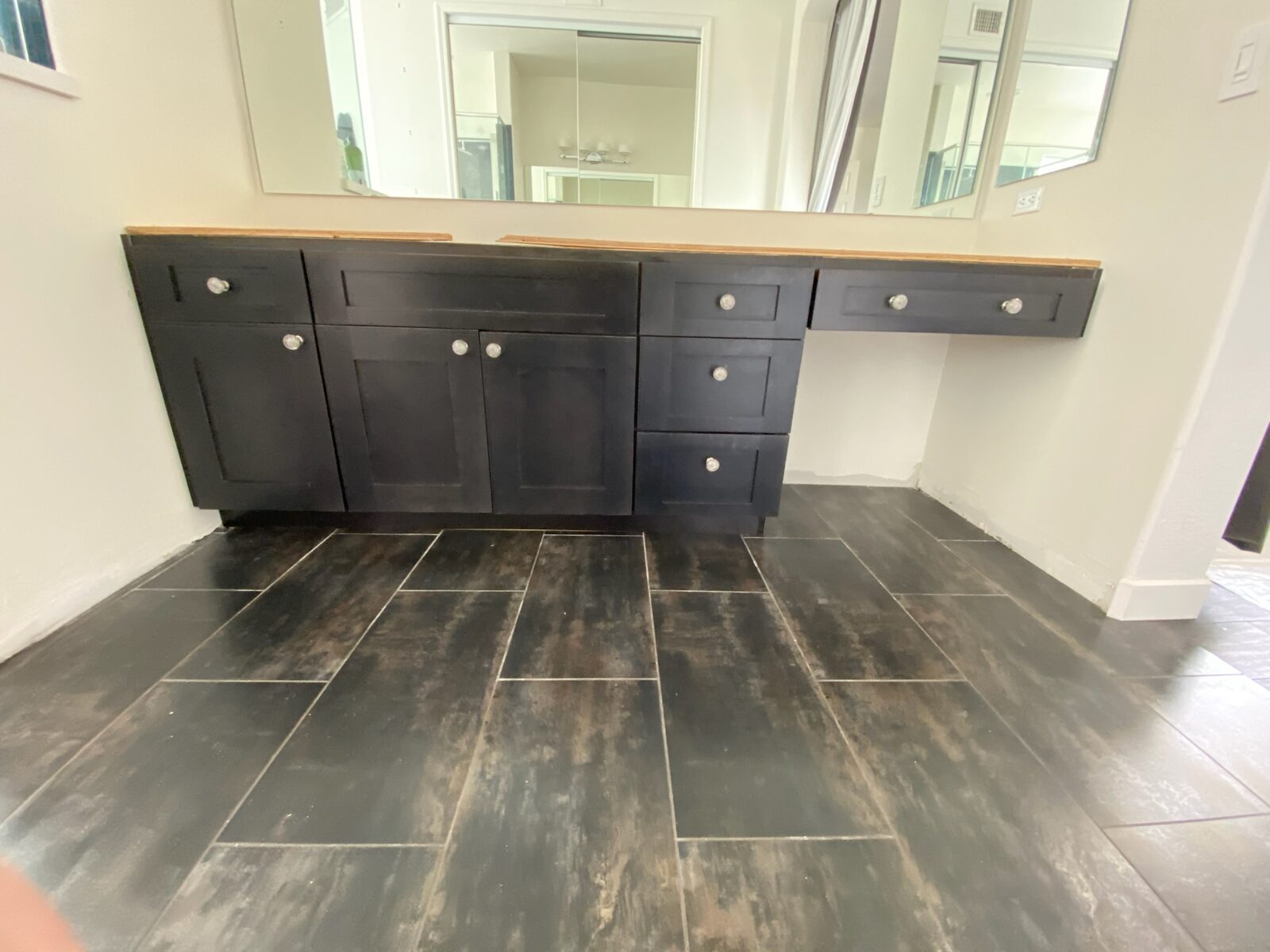
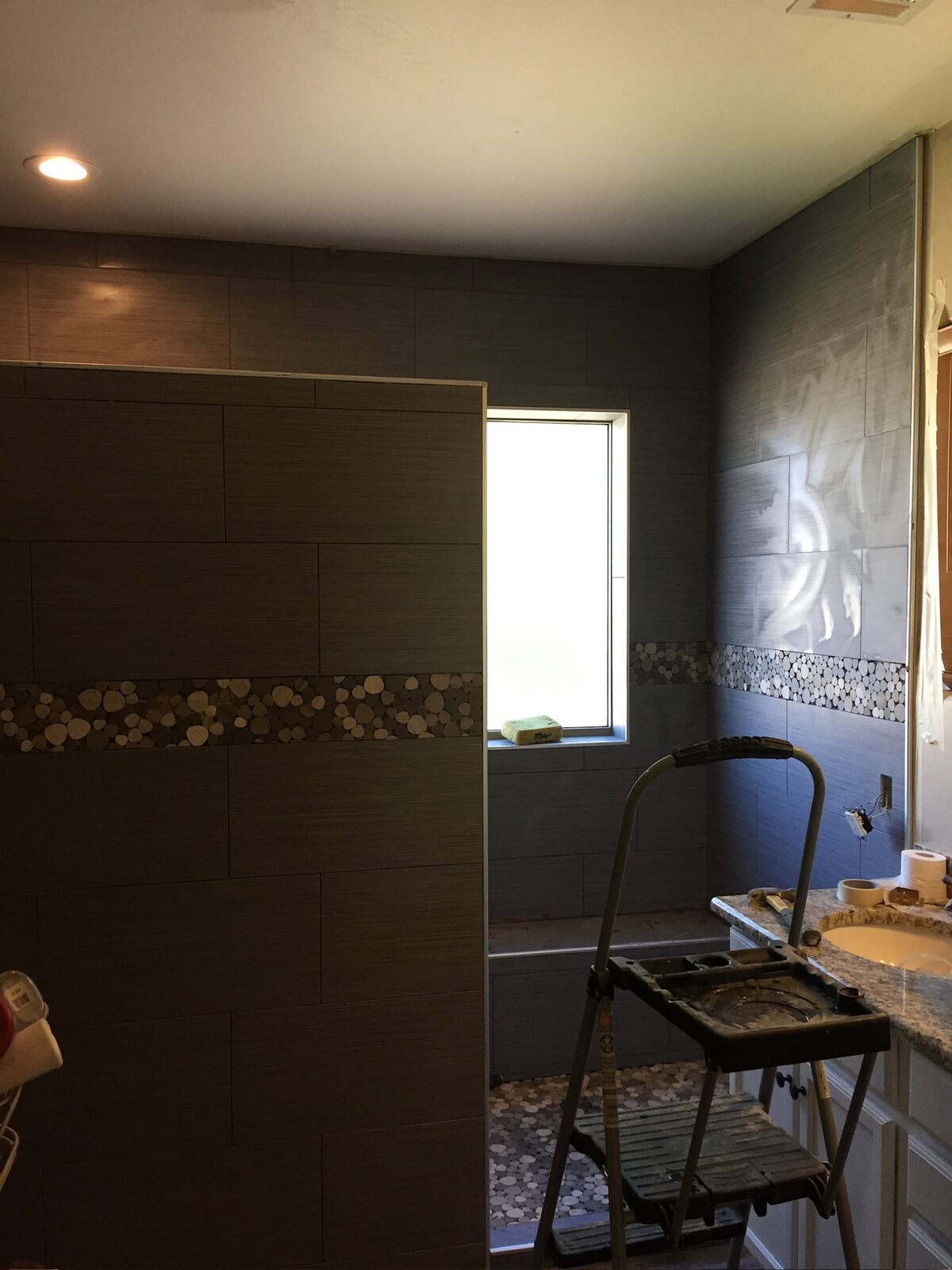
Residential reconstruction work by members of our team. See the full gallery →
More from Gold Water Fire
Abrasive Cleaning Methods for Soot on Framing and Masonry
A look at how abrasive cleaning methods remove soot from wood framing and masonry after a fire, and when each method fits the material.
AC Condensate Line Clogs & the Water Damage They Cause in Phoenix Homes
Why Phoenix AC condensate lines clog every summer, what the water damage looks like, and how to find the source before the ceiling stain spreads again.
Actual Cash Value vs Replacement Cost: Why Your Check Might Not Match the Repair Bill
Confused why your insurance check seems short after fire or water damage? Learn the difference between actual cash value and replacement cost coverage.
Have an estimate you're trying to make sense of?
If you're working through a water or fire damage claim in the Phoenix area and want a second set of eyes on the scope, Gold Water Fire can walk through it with you. Reach us at (480) 999-3339 or Help@goldwaterfire.com.
Call (480) 999-3339Water Damage Restoration · Fire Damage Restoration · Reconstruction & Rebuild · Contact Gold Water Fire