
Multiple Claims in One Year: How Frequency Affects a Homeowner
A second pipe bursts, or a second storm gets into the roof, and it doesn't feel like bad luck anymore. It feels like something is wrong with the house, or wrong with you for not catching it sooner. If you're staring at a second claim in the same year and wondering whether you should even file it, or what it's going to do to your insurance going forward, that hesitation makes sense. Nobody explains this part until you're already living it.
Multiple Claims in One Year: How Frequency Affects a Homeowner
Why a second claim feels different than the first
The first time something goes wrong in a home, most people treat it as an isolated event: a bad valve, a freak storm, a fluke. The second time, in the same calendar year, it starts to feel like a pattern, even when it isn't one. That shift in feeling is real and worth naming, but it's also worth separating from what actually happens on paper. Insurers look at claim frequency using specific, established criteria (loss history reports, underwriting guidelines, state regulations), not gut instinct. Two unrelated events, like a supply line failure in January and a roof leak from a monsoon storm in August, are treated very differently than two claims stemming from the same unresolved issue.
What actually shows up on your record
Every claim you file, paid or not, gets logged in a industry-wide loss history database that insurers pull when you renew a policy or apply for a new one. This is standard practice across the industry, not something specific to any one insurer. That record shows the date, the type of loss (water, fire, wind, etc.), and the amount paid. It does not show fault or explanation. So if a pipe fails in a wall you had no way of inspecting, and then a separate storm damages your roof, both events land in the same file with no note distinguishing 'unavoidable' from 'preventable.' That's part of why the anxiety around a second claim is so disproportionate to what's actually recorded: the database is flat, but your situation isn't.
How frequency can affect premiums and renewal
Generally speaking, insurers use claim frequency, not just claim size, as one factor in renewal decisions and premium calculations. A homeowner with two moderate claims in twelve months can sometimes see a bigger rate impact than a homeowner with one large claim over several years, because frequency is often read as a predictor of future risk. Some insurers may also decline to renew a policy after a certain number of claims within a short window, depending on their internal underwriting rules, which vary by company and by state. None of this is universal or guaranteed. It depends on your carrier, your state's regulations, the type of losses involved, and the specific language in your policy. If you're mid-crisis right now, this is background to understand, not something to solve today.
What's worth doing differently when it's the second claim
The instinct to "just fix it yourself" and skip filing to protect your record is understandable, but it can backfire if the underlying damage isn't fully addressed and resurfaces later as a larger, harder-to-explain problem. A few things genuinely help: get the cause of loss documented clearly and in writing at the time of the incident, keep records of any remediation or repair work performed after the first claim, and ask your adjuster directly (not a generic phone rep) how this claim interacts with the earlier one on your file. If the two losses are unrelated, say so plainly and ask that the file reflect it. If they're related, a documented repair from the first incident is your strongest evidence that you addressed the problem responsibly.
Questions people ask us
Does filing a second claim automatically raise my premium?
Not automatically. Premium impact depends on your insurer's underwriting rules, your state's regulations, the type and cause of each loss, and how the claims are classified in your file. Frequency is one factor among several, not a fixed formula.
Will two unrelated claims be treated the same as two related ones?
They shouldn't be, in principle. A water damage claim from a burst pipe and a wind damage claim from a storm are different loss types with different causes. In practice, the loss history database records both without distinguishing cause, so it helps to have documentation on hand if you need to explain the distinction to an insurer at renewal.
Should I avoid filing a claim to protect my record?
That's a personal and financial decision, but skipping documentation of real damage can leave underlying problems unaddressed, which sometimes leads to bigger, more expensive damage later. Talk to your agent about how a given claim would likely be classified before deciding.
What should I keep documented after a claim is resolved?
Keep the adjuster's report, any photos taken during the claim, invoices or records from repair work, and written notes on the identified cause of loss. This documentation is useful if a second, unrelated issue comes up later in the same year.
The standard our team works to
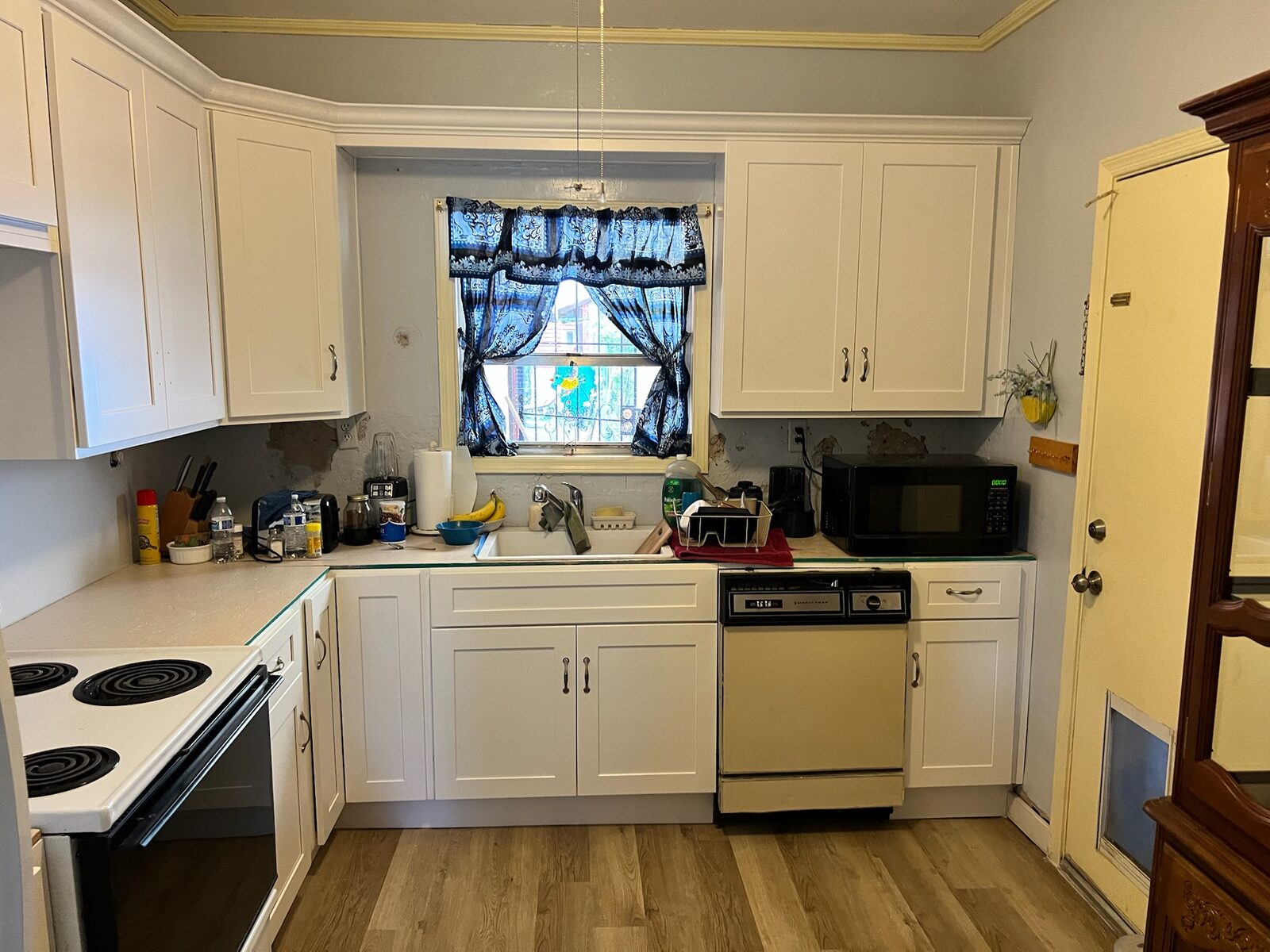
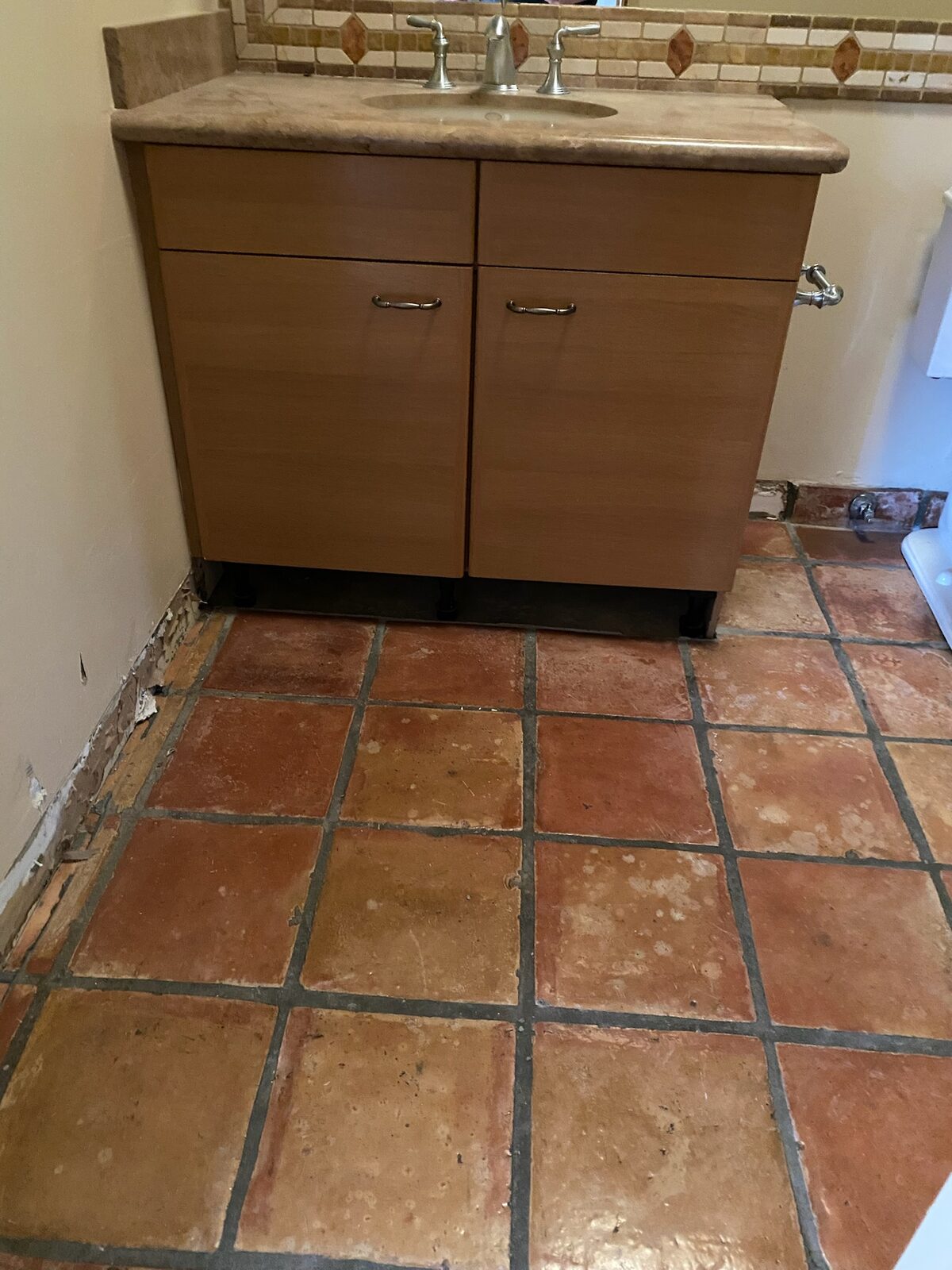
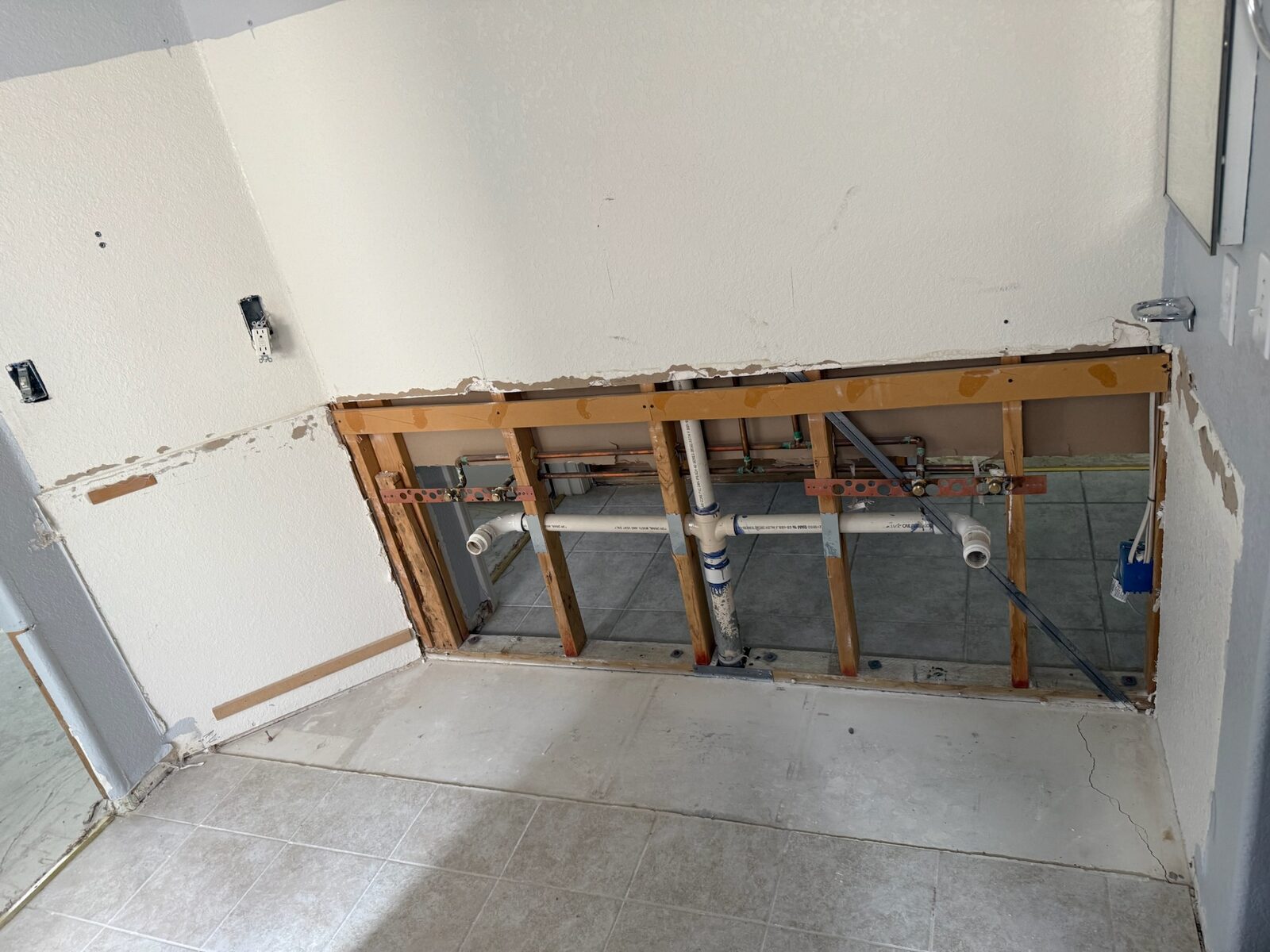
Residential reconstruction work by members of our team. See the full gallery →
More from Gold Water Fire
Abrasive Cleaning Methods for Soot on Framing and Masonry
A look at how abrasive cleaning methods remove soot from wood framing and masonry after a fire, and when each method fits the material.
AC Condensate Line Clogs & the Water Damage They Cause in Phoenix Homes
Why Phoenix AC condensate lines clog every summer, what the water damage looks like, and how to find the source before the ceiling stain spreads again.
Actual Cash Value vs Replacement Cost: Why Your Check Might Not Match the Repair Bill
Confused why your insurance check seems short after fire or water damage? Learn the difference between actual cash value and replacement cost coverage.
Dealing with damage right now?
If water or fire damage just hit your home, whether it's your first claim this year or not, Gold Water Fire can walk the property with you and document what's actually happening before you talk to your insurer. Call (480) 999-3339 or reach out through our contact page.
Call (480) 999-3339Water Damage Restoration · Fire Damage Restoration · Contact Gold Water Fire