
What Happens After a Property Claim Is Denied
Getting a denial letter after a pipe burst or a fire in your home can feel like the ground shifting a second time. First the damage, then the sinking realization that the thing you paid for all those years might not cover it. It is confusing on purpose in a lot of cases: the language is dense, the reasons cited are technical, and it rarely explains in plain terms what you're actually supposed to do next. If you're staring at a letter right now trying to figure out whether this is the end of the road or just a setback, you're not missing something obvious. This stuff is genuinely hard to parse.
What Happens After a Property Claim Is Denied
What a denial letter is actually saying
Insurance denial letters are written by adjusters and claims examiners who are following a specific internal process, and the letter is a formal record of that process, not necessarily the final word. Most denial letters cite one of a handful of reasons: the cause of loss falls under a policy exclusion (common with certain types of water damage, like gradual leaks versus sudden pipe bursts), the damage is attributed to a pre-existing condition, the claim was filed outside the policy's reporting window, or the insurer's inspection found insufficient evidence that a covered event caused the damage. Sometimes it's a mix of these. The letter should reference a specific policy section or exclusion by number or name. If it doesn't, or if the language is vague, that's worth noting because you're entitled to know the exact contractual basis for a denial.
Why claims get denied more often than homeowners expect
A lot of denials come down to how the damage is categorized rather than whether damage happened at all. Water damage claims are especially prone to this: a policy might cover a sudden pipe burst but exclude damage from a slow leak that went unnoticed for weeks, even though both can leave the same soaked drywall and warped flooring behind. Fire damage claims can run into similar issues when smoke or soot damage is present without direct flame contact, or when the cause of ignition is disputed. Documentation gaps are another major factor. If there isn't clear photo or moisture-reading evidence from close to the time of loss, an adjuster has less to work with, and ambiguity tends to get resolved in the insurer's favor, not the homeowner's.
What you can do after a denial
A denial is not automatically final. Most policies allow for an internal appeal, where you submit additional documentation, an independent inspection report, or a written rebuttal addressing the specific exclusion cited. Some states also allow you to request an independent appraisal or file a complaint with the state department of insurance if you believe the denial was handled in bad faith or without a reasonable investigation. Reviewing your policy's actual language (not just the denial letter's summary of it) is a useful first step, since adjusters sometimes cite exclusions more broadly than the policy text supports. Keeping a dated log of every communication, along with your own photos and notes from the day damage was discovered, strengthens any appeal.
Request the full claim file
You can ask your insurer for the adjuster's inspection notes, photos, and the specific policy provisions used to justify the denial. This gives you something concrete to respond to instead of guessing.
Get a second, independent assessment
An inspection from a contractor or restoration company not tied to the insurer can document conditions the original adjuster may have missed or interpreted differently.
Understand your appeal deadline
Policies typically specify a window for disputing a denial. Missing it can close off your options, so this date matters as much as the reason for denial itself.
Why documentation matters more after a denial than before
Once a claim is denied, the burden shifts more heavily onto the homeowner to make the case for coverage. This is where thorough documentation becomes the deciding factor in an appeal. Photos and video from the day damage was found, moisture readings, receipts for any emergency mitigation work, and a written timeline of when the damage was noticed and reported all help rebuild the case. If the damage is ongoing (active water intrusion, spreading smoke odor, structural movement), documenting that progression matters too, since insurers sometimes argue that delayed action worsened the loss. None of this guarantees a reversed decision, but it gives an appeal something solid to stand on rather than a dispute over interpretation alone.
When the damage still needs to be addressed regardless of the claim outcome
One thing a denial doesn't change is the physical condition of the property. Water sitting in a wall cavity or soot residue on HVAC components doesn't wait for an appeal to resolve. Mold can begin developing within days in the right conditions, and smoke residue becomes harder to remove the longer it sits. Homeowners in this situation often have to make a parallel decision: pursue the appeal while also addressing the damage directly, sometimes out of pocket initially, to prevent the loss from getting worse. Understanding the general process for water damage restoration or fire damage restoration can help clarify what needs to happen structurally, separate from whatever is happening with the claim. In cases where the property needs to be rebuilt or repaired regardless of insurance outcome, reconstruction and rebuild work follows its own timeline and considerations.
Questions people ask us
Does a denial mean I have no coverage at all?
Not necessarily. Many denials apply to a specific cause of loss or a specific line item, not the entire claim. It's worth reading the letter carefully to see exactly what was denied and why, since partial denials and full denials are handled differently.
How long do I have to appeal a denied claim?
This depends on your specific policy and state regulations, so there's no single answer. The denial letter or your policy documents should state an appeal window. If it's unclear, contacting your state's department of insurance can clarify the rules that apply.
Should I start repairs before the appeal is resolved?
This is a case by case decision, but ongoing damage like standing water or active mold growth often needs to be addressed regardless of claim status to prevent the loss from worsening. Documenting the damage thoroughly before any repair work begins helps preserve evidence for the appeal.
Can a contractor help with the appeal process?
A contractor or restoration company can provide independent documentation, such as moisture readings, photos, or a written damage assessment, that may support an appeal. They are not a substitute for legal or insurance advice, but their assessment can add useful, specific detail to your case.
The standard our team works to
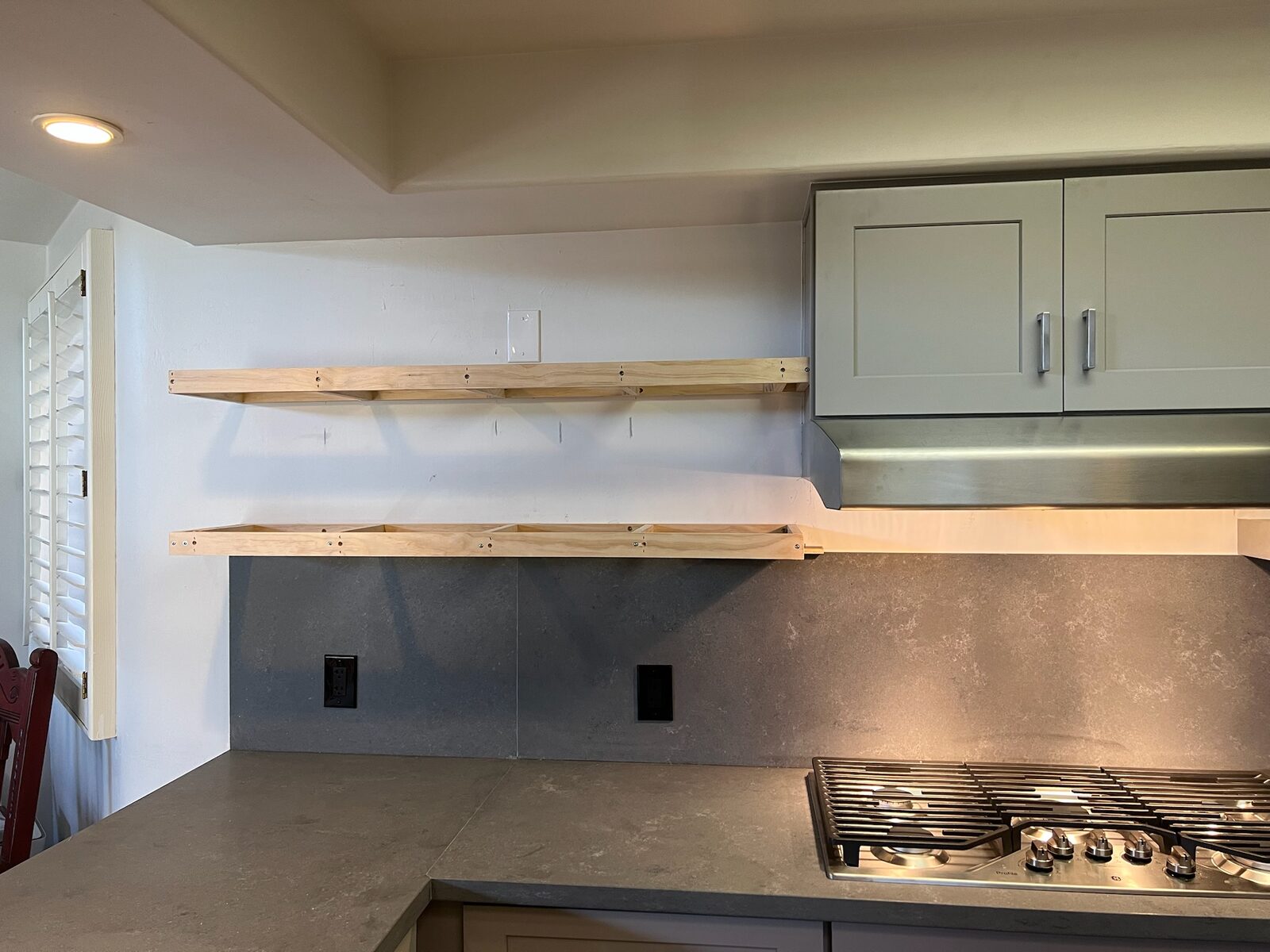
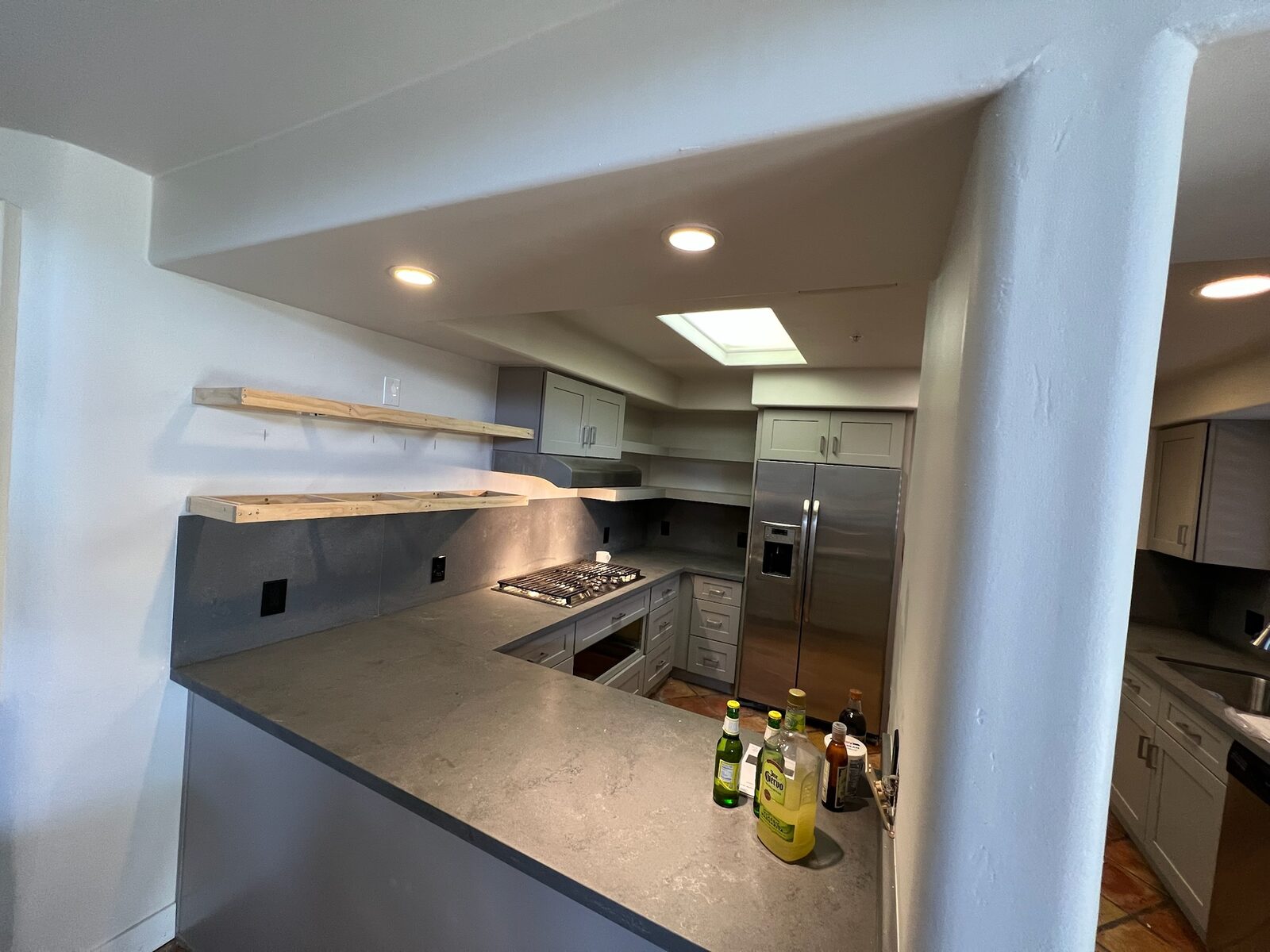
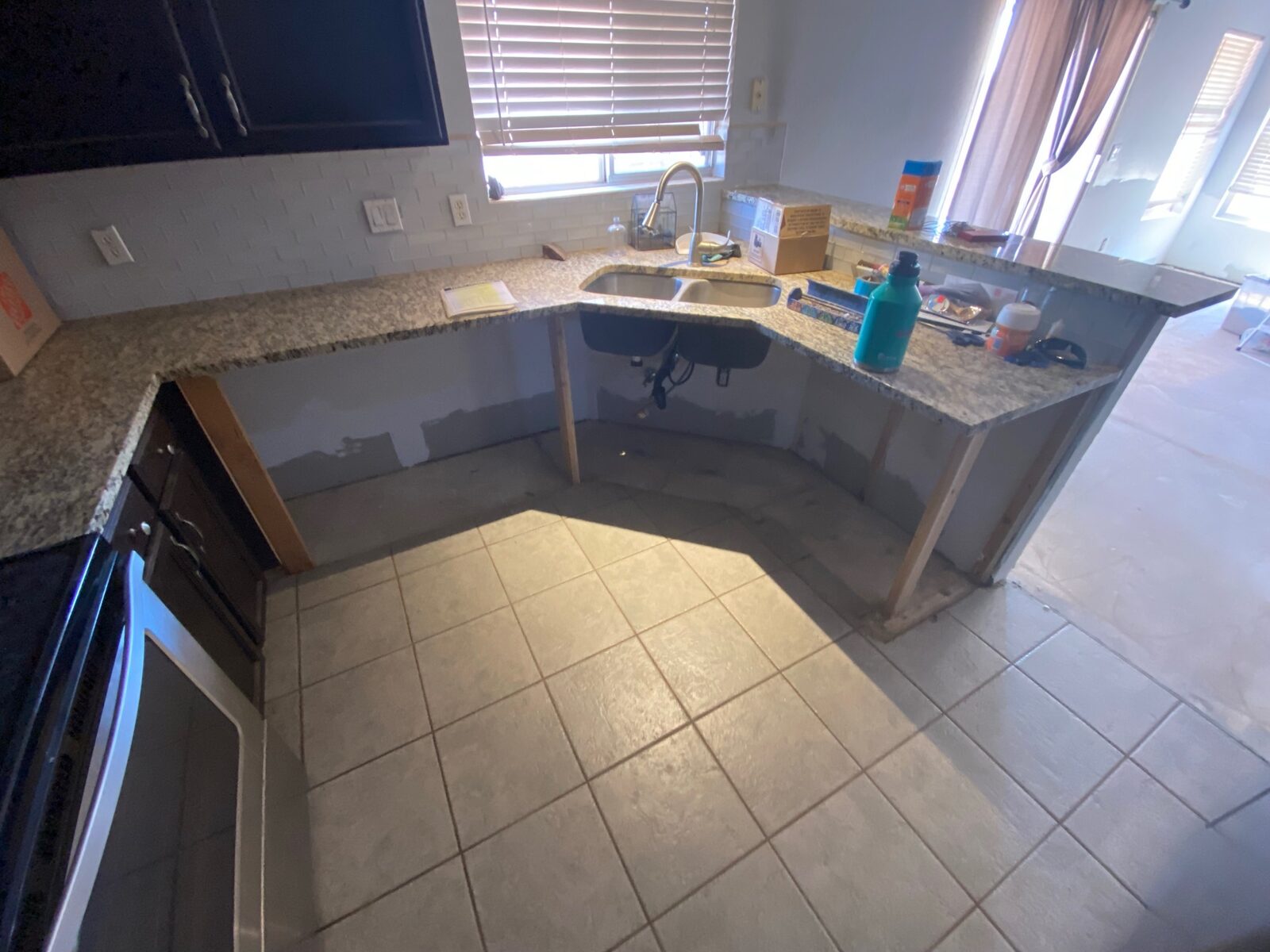
Residential reconstruction work by members of our team. See the full gallery →
More from Gold Water Fire
Abrasive Cleaning Methods for Soot on Framing and Masonry
A look at how abrasive cleaning methods remove soot from wood framing and masonry after a fire, and when each method fits the material.
AC Condensate Line Clogs & the Water Damage They Cause in Phoenix Homes
Why Phoenix AC condensate lines clog every summer, what the water damage looks like, and how to find the source before the ceiling stain spreads again.
Actual Cash Value vs Replacement Cost: Why Your Check Might Not Match the Repair Bill
Confused why your insurance check seems short after fire or water damage? Learn the difference between actual cash value and replacement cost coverage.
Dealing with damage while sorting out a claim dispute
If water or fire damage in your Phoenix area home still needs attention while a claim is under appeal, Gold Water Fire can assess the property and document current conditions. Call (480) 999-3339 or email Help@goldwaterfire.com to talk through what you're facing.
Call (480) 999-3339