
A Realistic Timeline for a Property Damage Insurance Claim, Start to Finish
You filed the claim. Someone came out and took photos. Then the phone stopped ringing, and now you are three weeks in, sleeping in a house with fans running or a hallway sealed off in plastic, and you cannot explain to anyone (including yourself) what is actually happening. That is the part nobody warns you about. Not the damage itself, but the waiting that follows it, and the strange guilt of not knowing whether the silence means something is wrong or means everything is normal. If you have found yourself asking why this is taking so long and getting a different answer from every person you talk to, you are not being impatient and you are not missing something obvious. A claim is not one process. It is several separate processes handed off between people who do not all work for each other, and the gaps between them are where the time actually goes.
The claim is not one clock, it is four
Most of the confusion comes from treating a claim as a single thing with a single finish line. In practice there are four separate tracks running at different speeds. There is the emergency work (stopping the water, drying the structure, removing what cannot be saved), which starts almost immediately and is measured in days. There is the insurance track (adjuster inspection, scope of loss, estimate review, approval), which is measured in correspondence, not calendar days. There is the repair track (materials, trades, permits, inspections), which cannot start until the second track produces an approved scope. And there is your own track: temporary housing, kids, work, pets, the box of things you pulled out of a closet at 2am. Each one moves on its own schedule. When one stalls, the others often keep going, which is why you can feel like nothing is happening while, technically, several things are. Naming which track is stuck is usually the fastest way to stop feeling lost in it.
What actually happens, in order
Every claim moves through roughly the same sequence, even when the sizes differ wildly. A single supply line failure under a sink and a kitchen fire follow the same path. What changes is how long each stage holds.
Day one: report and stabilize
You report the loss and get a claim number. Separately, and often before an adjuster has said anything, emergency work begins: water extraction, containment, shutting off a source, boarding or tarping after a fire. Most policies expect you to prevent further damage rather than wait for permission. Photograph everything before it is moved or torn out, including inside cabinets and under flooring. Those photos matter more later than they feel like they do now.
The first week: drying and documentation
Structural drying runs on daily moisture readings, not on a fixed number of days. Fans and dehumidifiers stay until materials read dry, and how long that takes depends on what got wet. Drywall and carpet release moisture quickly. Hardwood, plaster, tile mortar beds, and anything behind a wall cavity take longer. This is also when contents are inventoried and when a fire loss gets tested for soot and odor spread, which often travels farther than the visible damage.
The adjuster visit and the scope of loss
An adjuster inspects and writes a scope, a line by line list of what will be repaired and at what price. This is the single most important document in your claim, and it is also the most common place things go sideways. Scopes get written before hidden damage is exposed. A wall opens up and there is more behind it. That does not break the claim, it triggers a supplement, which is a revised request. Supplements are routine. They are also one of the biggest sources of unexplained delay, because each one restarts a review cycle.
Approval, then rebuild
Once a scope is agreed, reconstruction can be scheduled: framing, drywall, texture, paint, flooring, cabinets, trim, fixtures. This stage runs on trade availability and material lead times, and some items (custom cabinets, specific tile, certain flooring) are simply not on a shelf. Permits and inspections add fixed steps that cannot be compressed. The rebuild usually takes longer than the drying did, which surprises people who thought the hard part was over.
The delays that nobody announces
Almost none of the long waits in a claim come from someone refusing to work. They come from handoffs. A scope sits in a review queue. A supplement needs a photo that was never taken because the wall was already closed. Mortgage companies hold insurance funds in escrow and release them in draws tied to inspections, which adds a step homeowners rarely see coming. A specialty material has a lead time and the whole schedule waits on one item. Asbestos or lead testing in an older property has to clear before demolition can continue. And after a fire, odor and soot remediation often has to be complete and verified before any finish work begins, because painting over smoke residue does not hold. The useful move is not to push harder on everyone at once. It is to ask one question at each check in: what is the specific next thing this claim is waiting on, and who owns it. A vague status update is not an answer. A named document, a named inspection, or a named delivery date is.
Keeping your own record while it plays out
Keep one folder, digital or paper, with the claim number, the adjuster's name and direct contact, every photo with dates, receipts for anything you bought or paid out of pocket, and a running log of calls with the date and what was said. This is not about distrust. It is that a claim outlives everyone's memory of it, and the person who can produce a photo of what was behind that wall is the person whose supplement gets approved. Write down what rooms you cannot use and what you had to replace to keep living there, because loss of use and contents are separate parts of a policy and are easy to underclaim. If you would rather talk through where your own situation sits right now, you can reach out through our contact page, or read more about how water damage restoration, fire damage restoration, and reconstruction and rebuild work fit together on the same property.
Questions people ask us
How long does a property damage insurance claim take from start to finish?
There is no honest single number, and anyone who gives you one without seeing the property is guessing. A small, contained water loss with no structural repairs can wrap up quickly. A loss involving hidden damage, a supplement, permits, custom materials, or fire odor remediation runs considerably longer. The more useful question is which stage you are in and what that stage is waiting on, because that is what actually determines your finish date.
Why did my claim stop moving after the adjuster came out?
Usually it has not stopped, it has moved into a review stage that produces no visible activity at your house. The adjuster's scope is being written or reviewed, or a supplement was submitted after hidden damage was found and is waiting on a decision. Ask specifically whether a supplement is pending and what documentation it still needs. That one question resolves a surprising number of mystery delays.
What is a supplement, and does it mean something went wrong?
A supplement is a revised request submitted when the actual damage turns out to be more than the original scope covered, which is common once walls, flooring, or cabinets are opened up. It does not mean anyone made a mistake or that your claim is in trouble. It does mean another review cycle, which is why documenting hidden damage with photos before it is covered back up saves real time.
Can repairs start before the insurance company approves everything?
Emergency work to prevent further damage generally proceeds right away, because leaving water sitting or a roof open makes the loss worse. Full reconstruction is different: starting finish work before a scope is agreed can leave you paying for items outside the approved amount. The practical line is stabilize immediately, rebuild once the scope is settled.
The standard our team works to
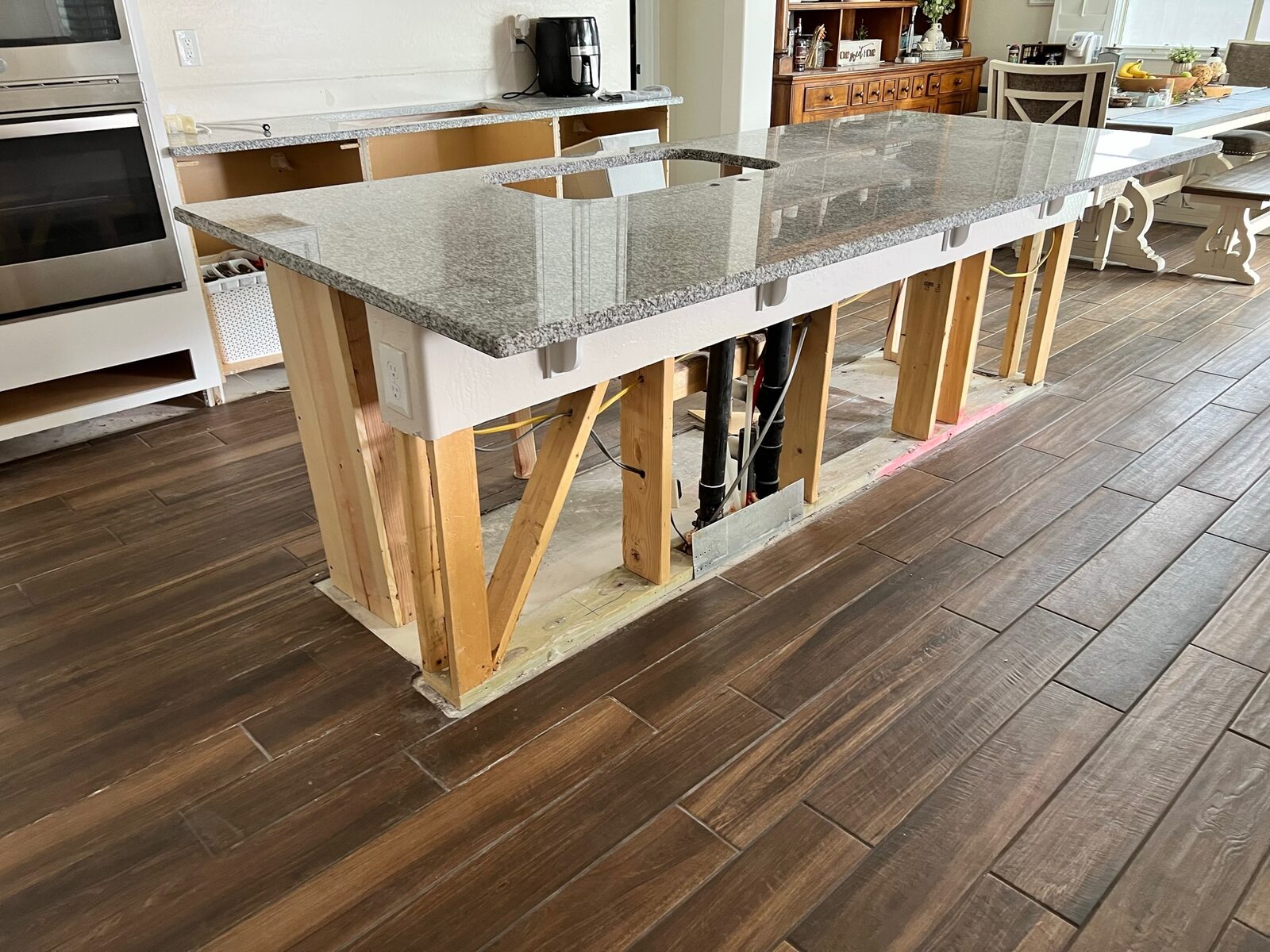
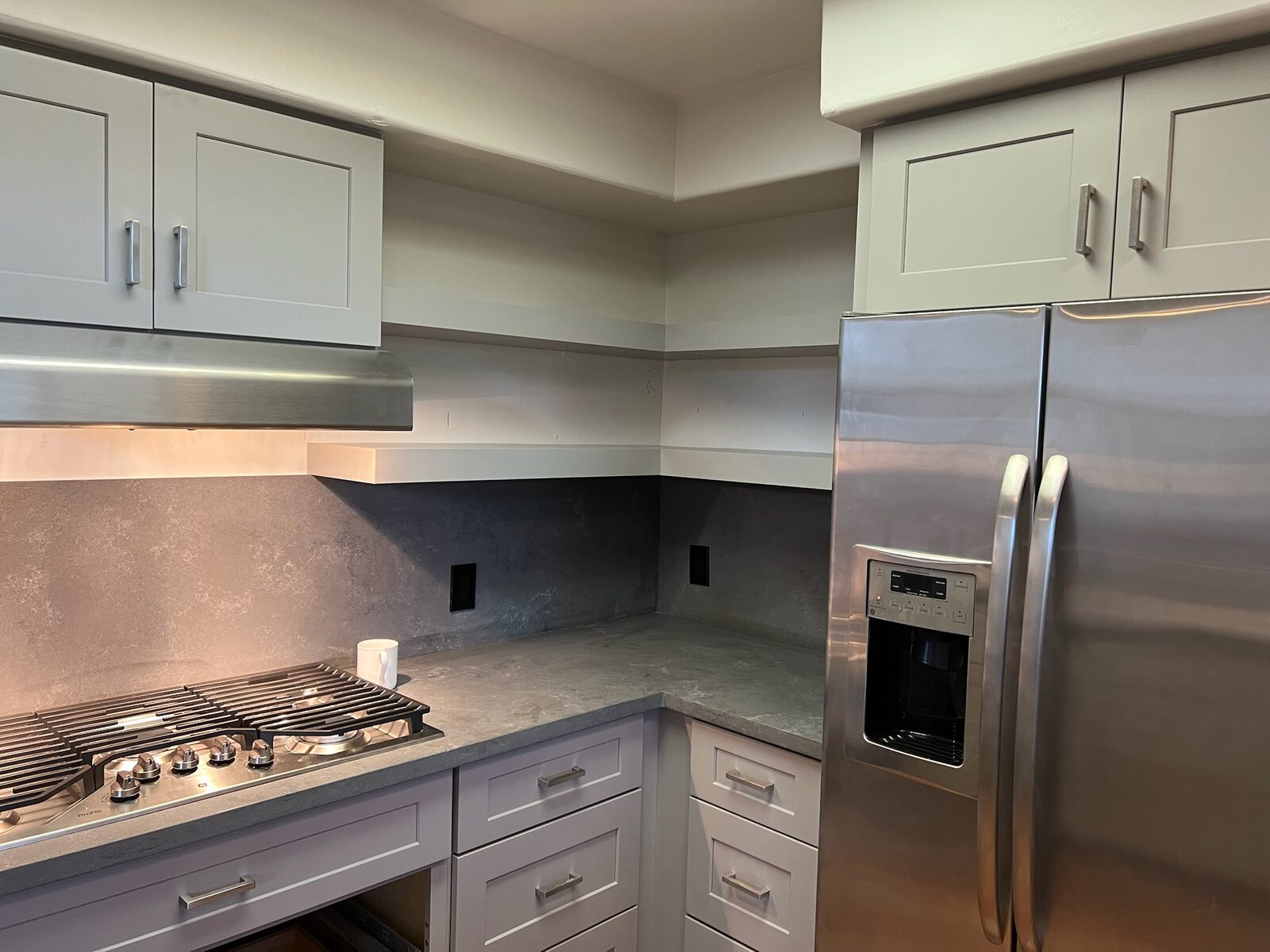
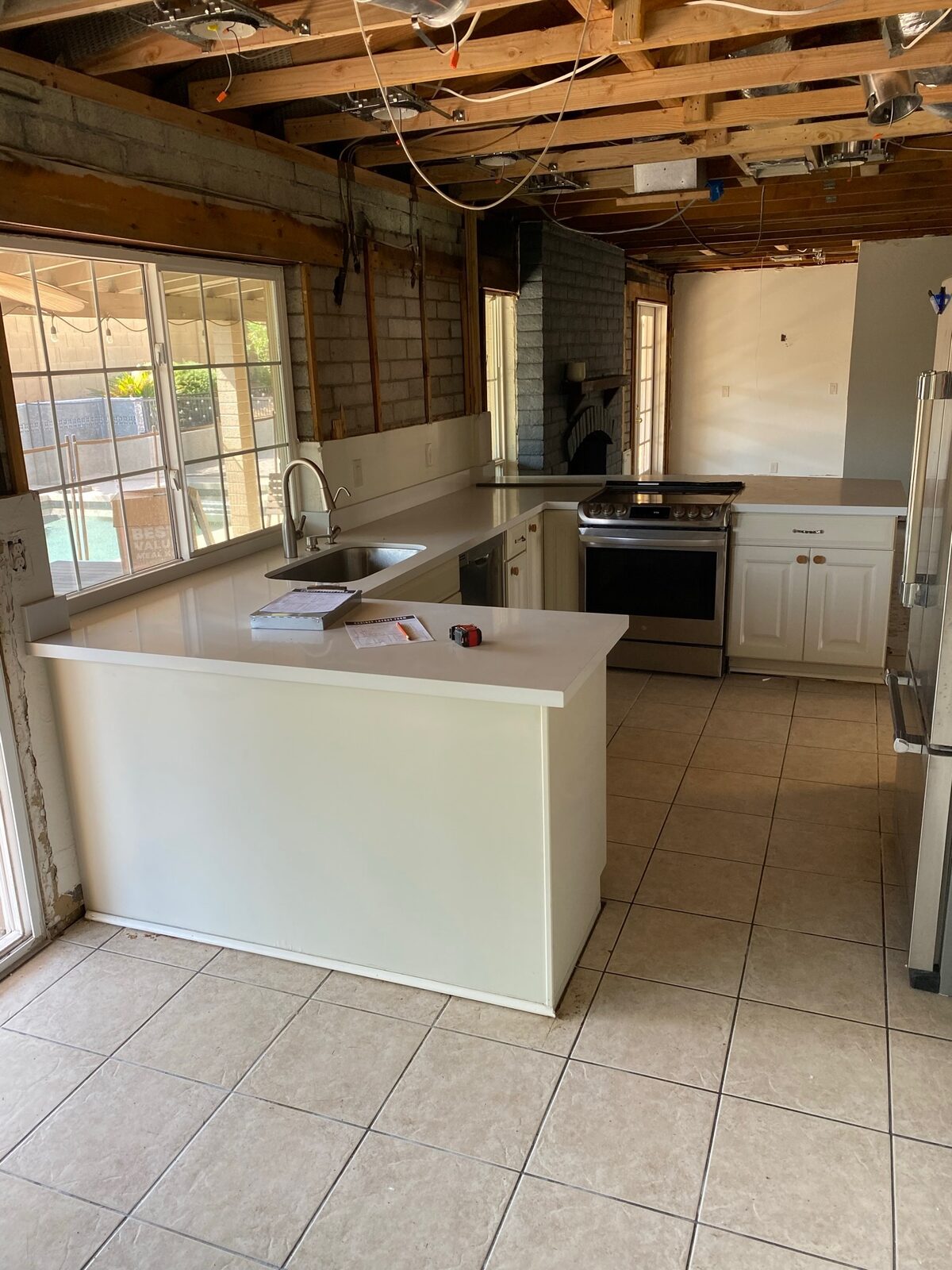
Residential reconstruction work by members of our team. See the full gallery →
More from Gold Water Fire
Abrasive Cleaning Methods for Soot on Framing and Masonry
A look at how abrasive cleaning methods remove soot from wood framing and masonry after a fire, and when each method fits the material.
AC Condensate Line Clogs & the Water Damage They Cause in Phoenix Homes
Why Phoenix AC condensate lines clog every summer, what the water damage looks like, and how to find the source before the ceiling stain spreads again.
Actual Cash Value vs Replacement Cost: Why Your Check Might Not Match the Repair Bill
Confused why your insurance check seems short after fire or water damage? Learn the difference between actual cash value and replacement cost coverage.
If you are not sure what stage your claim is in
Sometimes the most useful thing is just having someone look at where things actually stand and tell you plainly what happens next. Gold Water Fire serves the full Phoenix metro area, from Peoria and Avondale out to Queen Creek, San Tan Valley, and Apache Junction. Call (480) 999-3339 or email Help@goldwaterfire.com.
Call (480) 999-3339Water Damage Restoration · Fire Damage Restoration · Reconstruction & Rebuild · About Gold Water Fire · Contact Us