
What the Adjuster Scopes on the First Visit, and What to Have Ready
The first adjuster visit after a fire or water loss can feel like a test you didn't study for. Someone you don't know is walking through your home with a clipboard or a phone, and whatever they write down seems to matter a lot for what happens next. If you're not sure what they're actually looking at, or what you're supposed to have ready for them, that uncertainty is a normal part of this process, not a sign you're behind.
What the Adjuster Scopes on the First Visit, and What to Have Ready
What the adjuster is actually there to do
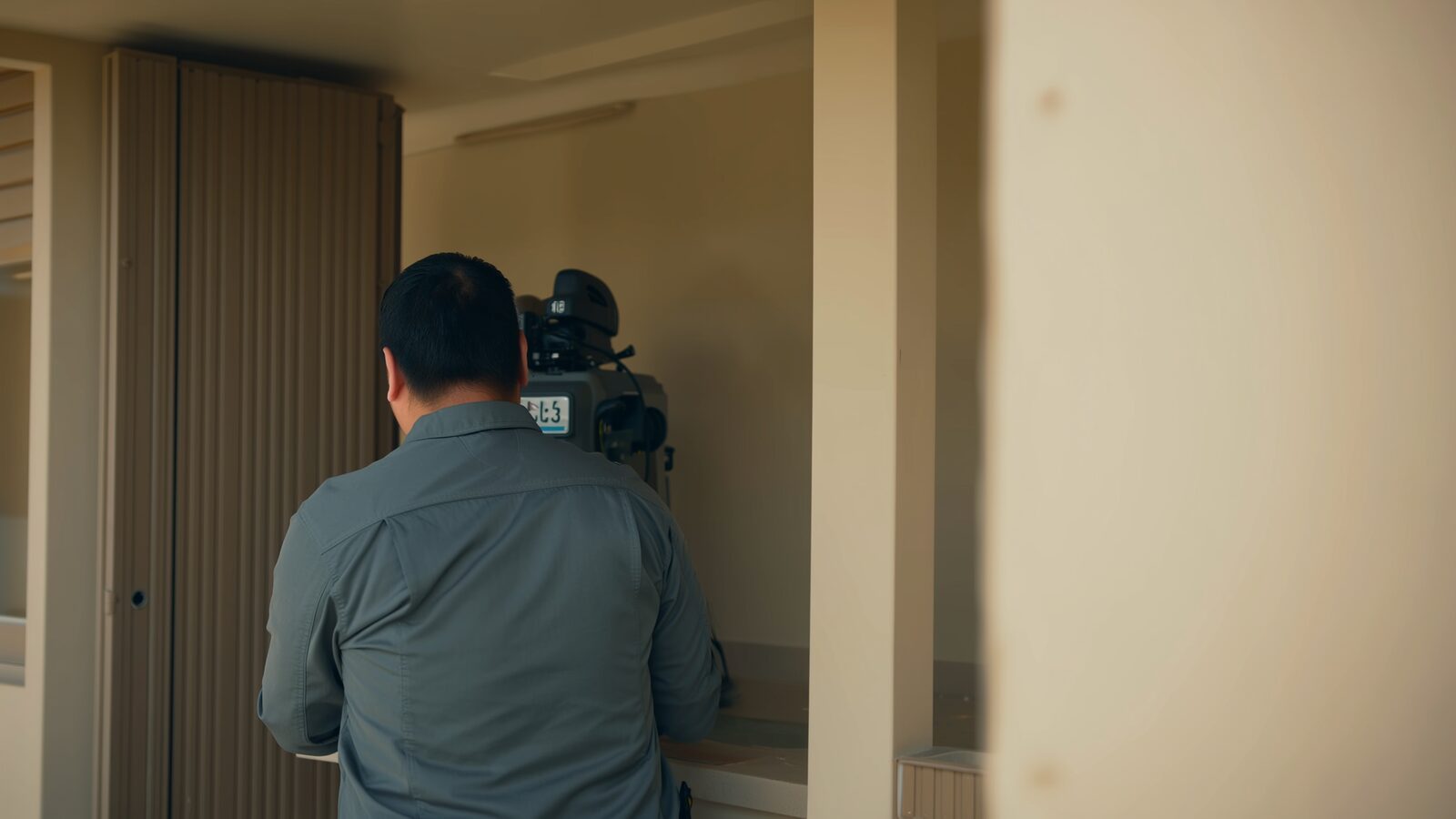
An adjuster's first visit is a fact-finding trip, not a final decision. Their job is to document the cause of loss, the extent of the damage, and the condition of the property at that moment, then compare it against your policy language to figure out what is covered and how the claim should be scoped. They are not there to fix anything or tell you what to do about repairs. Understanding that distinction can lower the stakes of the visit: nothing they say that day is the final word, and you can still ask questions or provide more information afterward.
Areas they typically walk and document
For water damage, an adjuster generally looks at the source of the water if it's still visible or identifiable, the rooms and materials affected (flooring, drywall, baseboards, cabinetry), moisture readings taken with a meter, and any visible mold or staining. For fire damage, they typically look at the origin area if it's known, the extent of char and heat damage, smoke penetration into adjoining rooms, and soot on surfaces and contents. In both cases they usually photograph everything, take measurements of affected square footage, and may test materials to see whether they can be cleaned and dried or need to be removed and replaced. Water Damage Restoration and Fire Damage Restoration both involve this kind of scoping before any work plan is set.
What to have ready before they arrive
A few things can make the visit go smoother and give the adjuster a more complete picture. Photos or video of the damage from right after it happened, before anything was moved or cleaned up, are especially useful if conditions have changed since then. Have your policy number and any prior correspondence with the insurance company on hand. If you've already had a contractor look at the damage, any notes, moisture readings, or a written scope from that visit can support what the adjuster sees firsthand. A simple list of damaged or destroyed personal property, even a rough one, is easier to build now than to reconstruct later from memory.
Questions worth asking while they're there
It's reasonable to ask the adjuster to walk you through what they're documenting and why, especially if a material or area gets flagged in a way you don't understand. You can ask what happens next in the claims timeline, whether a second visit is expected, and who to contact with follow-up questions or new information. If something seems missed, mentioning it on the spot is easier than trying to add it after the fact. None of these questions are confrontational, they're just part of making sure the record matches what actually happened to your home.
Questions people ask us
Does the adjuster decide right away what's covered?
Usually not on the spot. The first visit is mostly about documenting the damage. Coverage decisions typically come after the adjuster reviews their notes against your policy, which can take time.
Should I start cleaning up before the adjuster comes?
It helps to document damage with photos or video first. Once that's done, taking reasonable steps to prevent further damage, like removing standing water, is generally expected, but check with your insurer if you're unsure what to leave in place.
What if I disagree with what the adjuster wrote down?
You can raise it with your insurance company. Having your own documentation, such as photos, moisture readings, or a contractor's written scope, gives you something concrete to point to if the initial scope missed something.
Do I need a contractor present for the adjuster visit?
It's not required, but having your own record of the damage, whether from a contractor visit or your own photos, can be useful to compare against what the adjuster documents.
The standard our team works to
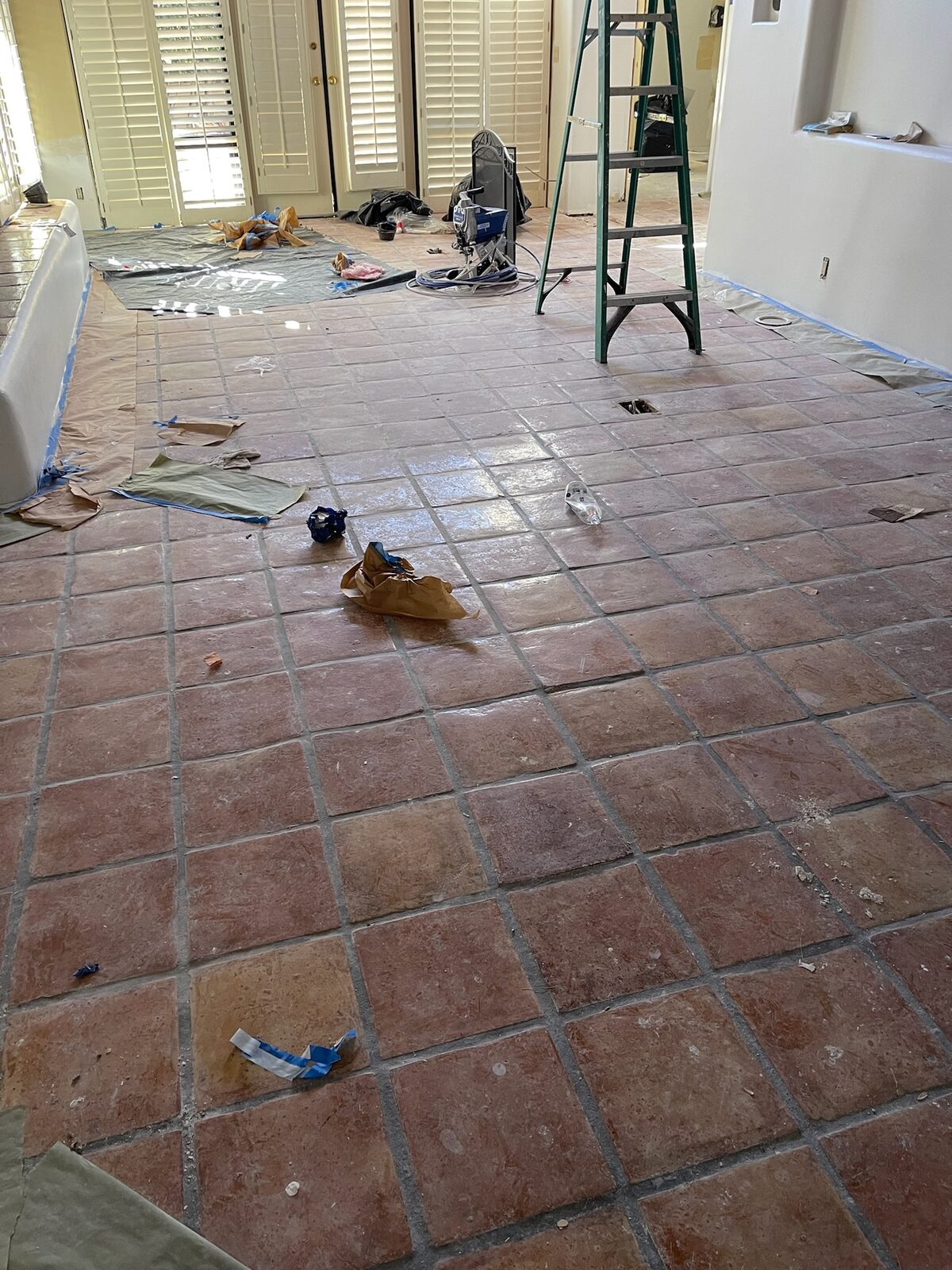
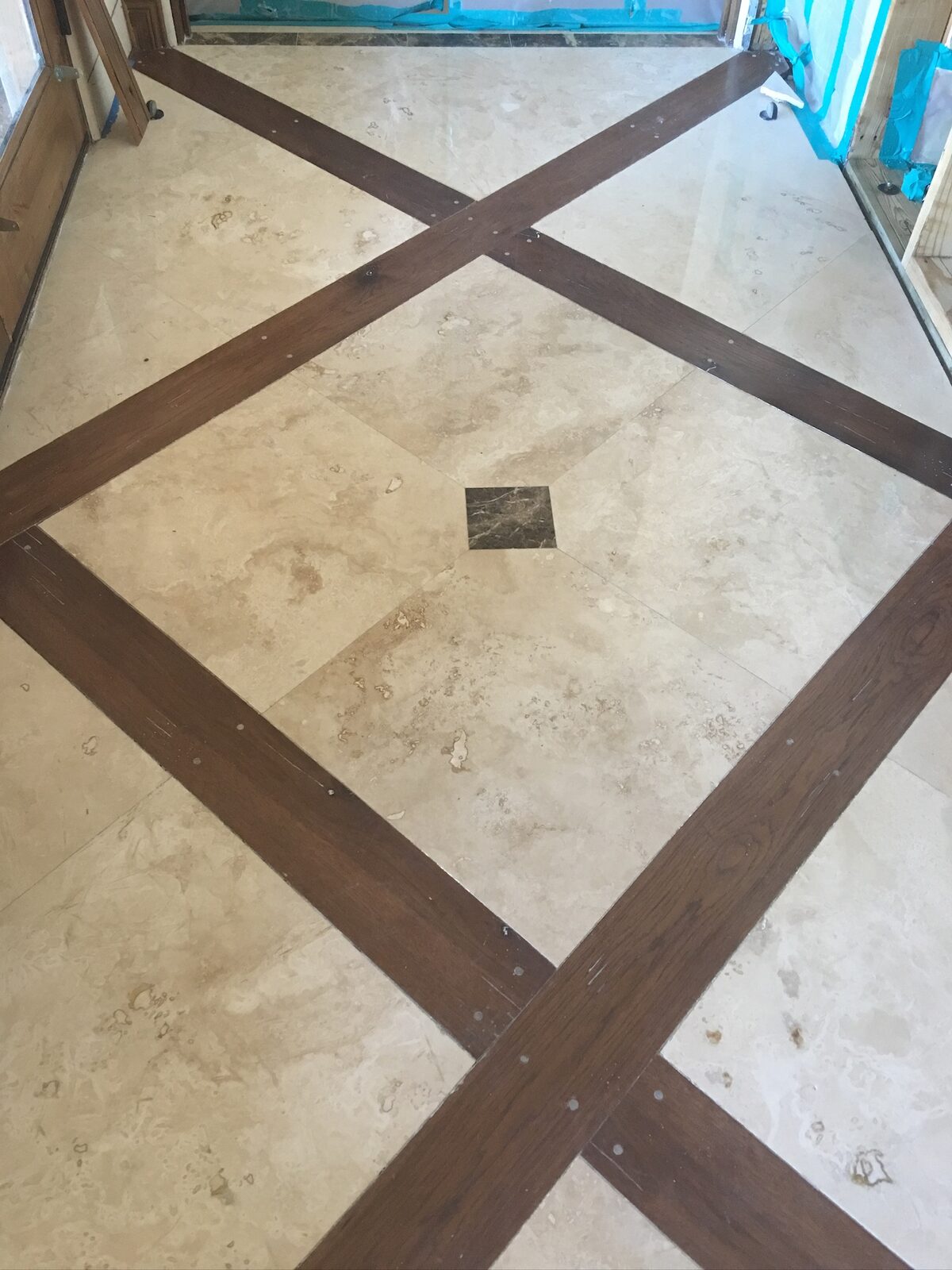
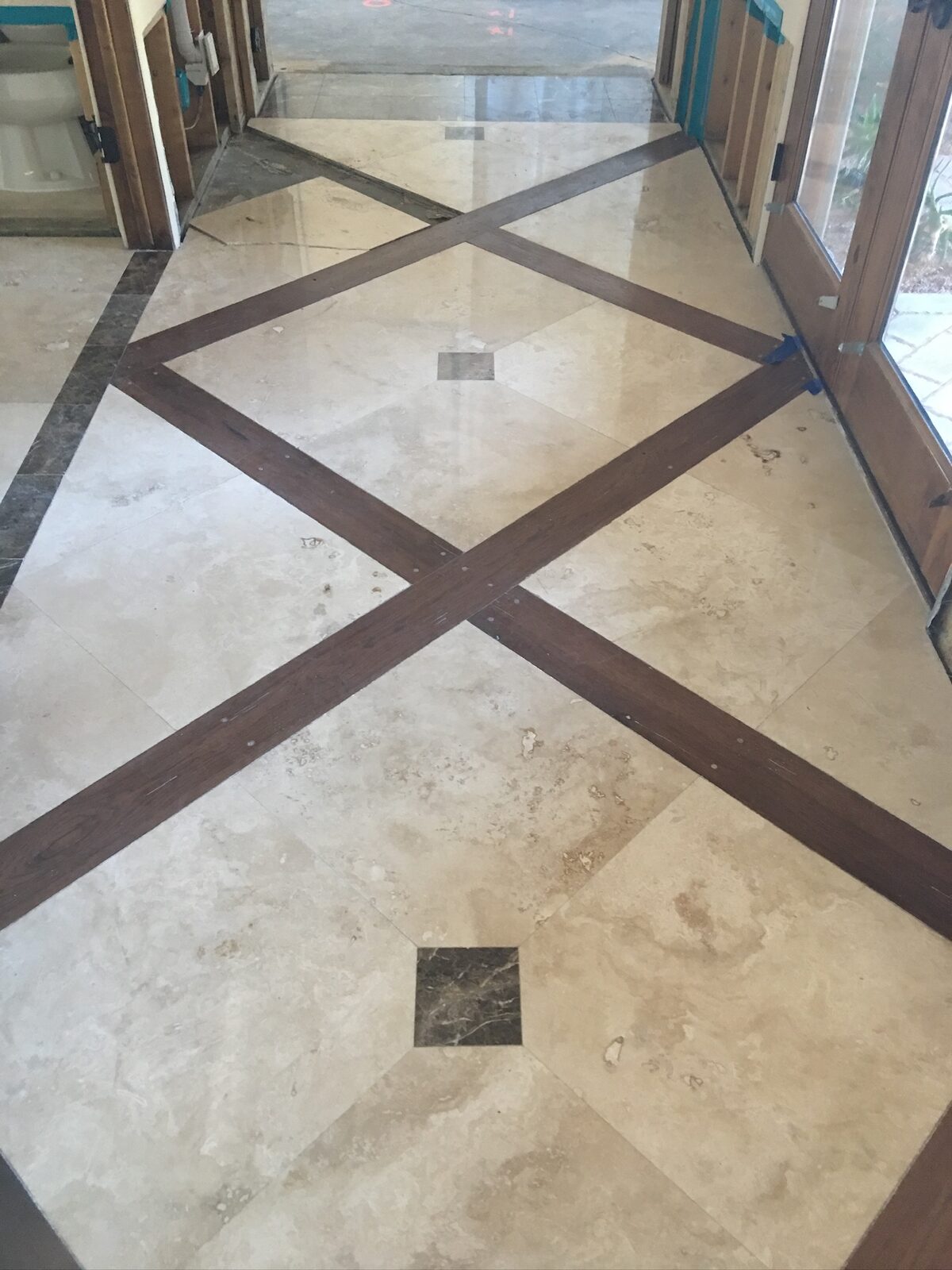
Residential reconstruction work by members of our team. See the full gallery →
More from Gold Water Fire
Abrasive Cleaning Methods for Soot on Framing and Masonry
A look at how abrasive cleaning methods remove soot from wood framing and masonry after a fire, and when each method fits the material.
AC Condensate Line Clogs & the Water Damage They Cause in Phoenix Homes
Why Phoenix AC condensate lines clog every summer, what the water damage looks like, and how to find the source before the ceiling stain spreads again.
Actual Cash Value vs Replacement Cost: Why Your Check Might Not Match the Repair Bill
Confused why your insurance check seems short after fire or water damage? Learn the difference between actual cash value and replacement cost coverage.
Not sure what your damage looks like on paper yet?
If you want a second set of eyes on the damage before or after the adjuster visits, Gold Water Fire can walk through it with you. Call (480) 999-3339 or reach out through the <a href="/contact.html">contact page</a>, no pressure, just a look at where things stand.
Call (480) 999-3339Water Damage Restoration · Fire Damage Restoration · Contact Gold Water Fire