
How a Homeowners Insurance Fire Claim Typically Proceeds, Step by Step
Somewhere between the fire being out and the house being livable again, there is a stretch of time nobody warns you about. The emergency part had structure to it: sirens, instructions, people telling you where to stand. Then everyone leaves, and you are holding a claim number and a phone that keeps ringing with names you do not recognize. Weeks pass and you cannot always say what moved. You answer the same questions twice, you get a check that does not match the number you were told, and you start to wonder whether you are missing something obvious that everyone else already understands. You are not. A fire claim is a slow, document-heavy process that mostly happens out of your sight, and almost nobody explains its shape to you before you are standing inside it.
How a Homeowners Insurance Fire Claim Typically Proceeds, Step by Step
What is actually happening while nothing seems to happen
A fire claim is not one decision. It is a sequence of separate determinations, each made by a different person, and each one has to finish before the next can start. Coverage gets confirmed. The loss gets inspected. A scope of damage gets written. That scope gets priced. The price gets reviewed. Money gets released in pieces, tied to stages of work. When the process feels stalled, it is usually sitting on one of those handoffs, waiting on a document or a signature or a second opinion. Knowing which step you are on is most of what makes the wait bearable, because you can finally ask a question that has an answer.
The usual sequence, start to finish
No two claims run identically, and Arizona homes add their own wrinkles (flat roofs, block construction, and stucco all change how repairs get scoped). But the order below holds for most residential fire losses, and it is worth reading once so you can locate yourself on it.
1. First notice of loss
You call your carrier and open the claim. They assign a claim number and, usually, a desk adjuster or a field adjuster. Write down the claim number, the adjuster's name, direct line, and email, and the date of every call from here forward. This log becomes the single most useful document you own.
2. Emergency mitigation begins
Most policies require you to prevent further damage. After a fire that means board-up, roof tarping, and extracting the water the fire department used, because standing water and smoke residue keep doing damage after the flames are out. This work generally starts before the adjuster arrives and is billed to the claim separately from the rebuild.
3. Adjuster inspection
The adjuster walks the property, photographs it, and takes measurements. This is the visit where things get missed: smoke that traveled inside wall cavities, heat damage to wiring, subfloor saturated from firefighting water, HVAC ductwork holding soot. Be present if you can, and point at anything that looks or smells wrong even if you cannot explain why.
4. Scope of damage is written
Someone writes the list of everything that must be repaired or replaced, room by room, line by line. Your contractor typically writes one and the insurer writes one, and the two rarely match on the first pass. This is normal, and it is the step where careful documentation pays for itself.
5. Estimate and negotiation
The scope is priced, usually in standardized estimating software. Differences get discussed between your contractor and the adjuster: whether a ceiling can be sealed or must be replaced, whether flooring can be feathered in or must run to a break point. You do not have to run this conversation yourself, but you should be told what is being disputed.
6. Payments and the rebuild
Funds usually arrive in stages, and often the first check is the actual cash value, with the remaining recoverable depreciation released after the work is completed and invoiced. If you have a mortgage, the lender is typically named on the check and holds the funds, releasing them against inspections. Then reconstruction runs: permits, framing, mechanical, drywall, finishes, final walkthrough.
Terms that show up in your paperwork
ACV, actual cash value, is replacement cost minus depreciation, the reduced amount often paid first. RCV, replacement cost value, is the full cost to rebuild; the gap between the two is recoverable depreciation, generally released after the work is done. Your deductible comes off the total once, not per trade. Additional living expense, ALE, is the coverage that pays for a hotel or rental and reasonable added costs while your home is unlivable, and it usually requires receipts. Contents means your belongings, handled on a separate inventory from the structure. Code upgrade or ordinance and law coverage pays the extra cost when current building code requires more than what existed before, which matters in older Phoenix-area homes with outdated electrical. A supplement is a revised request submitted when something hidden is found after work begins, which is common once drywall comes off.
Things worth doing early, and one thing worth knowing
Photograph everything before anything is moved or cleaned, including closets and the inside of cabinets. Do not throw away damaged items until they have been documented and released, even if they smell. Keep every receipt from the day of the fire, including hotel, meals, and clothing, because ALE reimbursement depends on them. Ask for the insurer's estimate in writing, in full, not a summary page. And know that you choose who repairs your home; a preferred vendor list is a suggestion, not a requirement. If you want to talk through where your claim currently sits, reach out. Gold Water Fire handles fire damage restoration, the water damage left behind by suppression, and the reconstruction that puts the house back together, across the Phoenix metro area from Peoria and Avondale out through Gilbert, Queen Creek, and San Tan Valley. You can also read more about who we are.
Questions people ask us
How long does a fire insurance claim take?
It varies widely with the size of the loss, how quickly the scope is agreed on, whether permits and code upgrades are involved, and how fast your mortgage lender releases funds. A small kitchen fire and a whole-structure loss are not the same project. Rather than watching a calendar, ask your adjuster and your contractor which specific step the claim is sitting on, because that question usually gets a real answer.
Do I have to use the contractor my insurance company recommends?
No. You choose who works on your home. Insurers keep preferred vendor lists and may offer one, but the decision is yours as the policyholder. What matters is that whoever you hire writes a clear, itemized scope and communicates directly with the adjuster, so the estimate discussion happens between people who both speak that language.
Why was my first check smaller than the estimate?
Most policies pay actual cash value first, which is the replacement cost minus depreciation, and your deductible comes off as well. The withheld portion is called recoverable depreciation and is generally released once the work is completed and invoiced. If you have a mortgage, the lender may also be named on the check and release the funds in draws tied to inspections.
What if damage is found after work starts?
That is common. Once drywall, flooring, and cabinets come out, hidden smoke travel, charred framing, or water-damaged subfloor often shows up. Your contractor documents it and submits a supplement, which is a request to add the newly discovered items to the approved scope. Nothing should be quietly absorbed or quietly skipped; ask to see any supplement that gets filed.
The standard our team works to
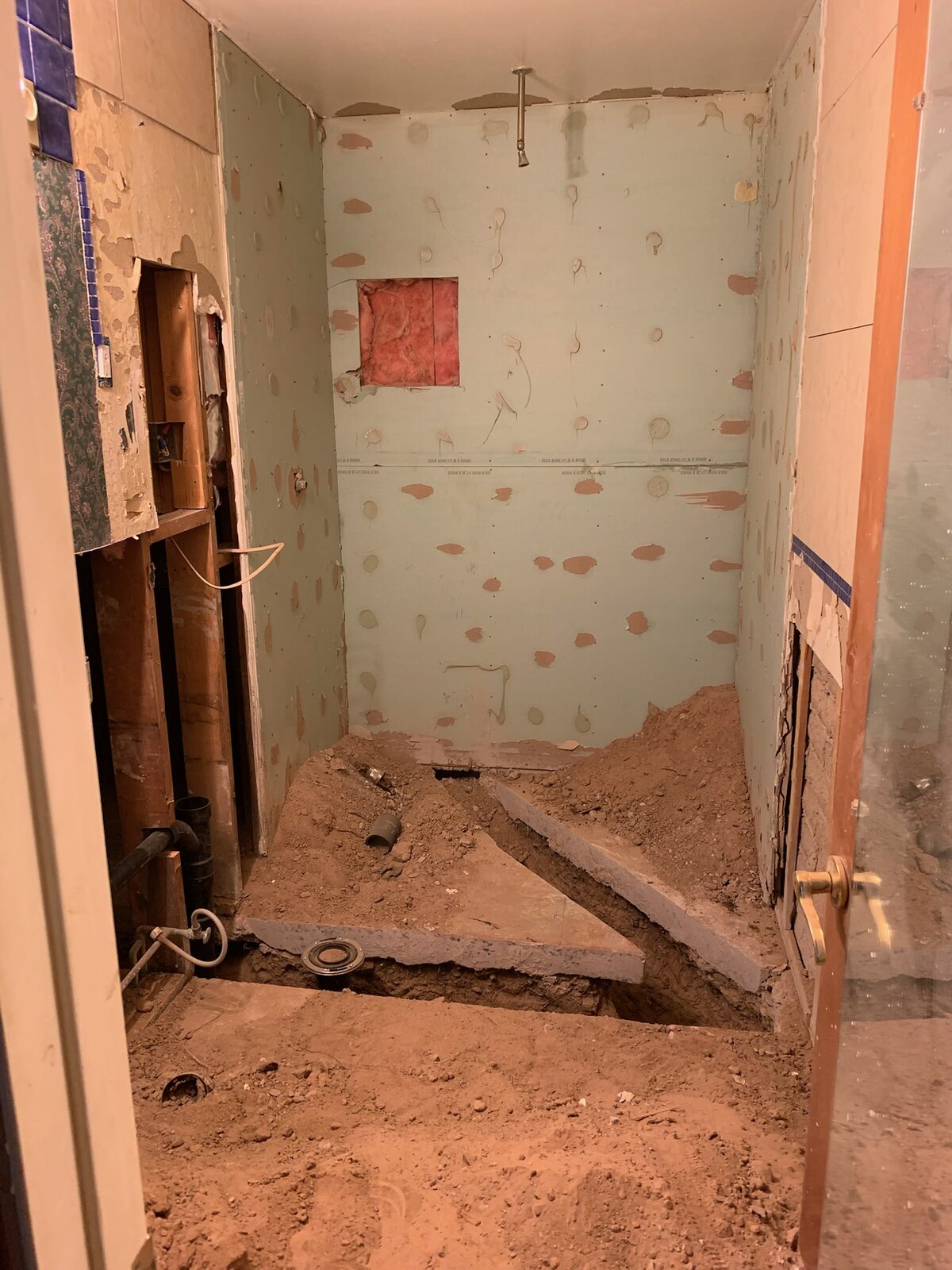
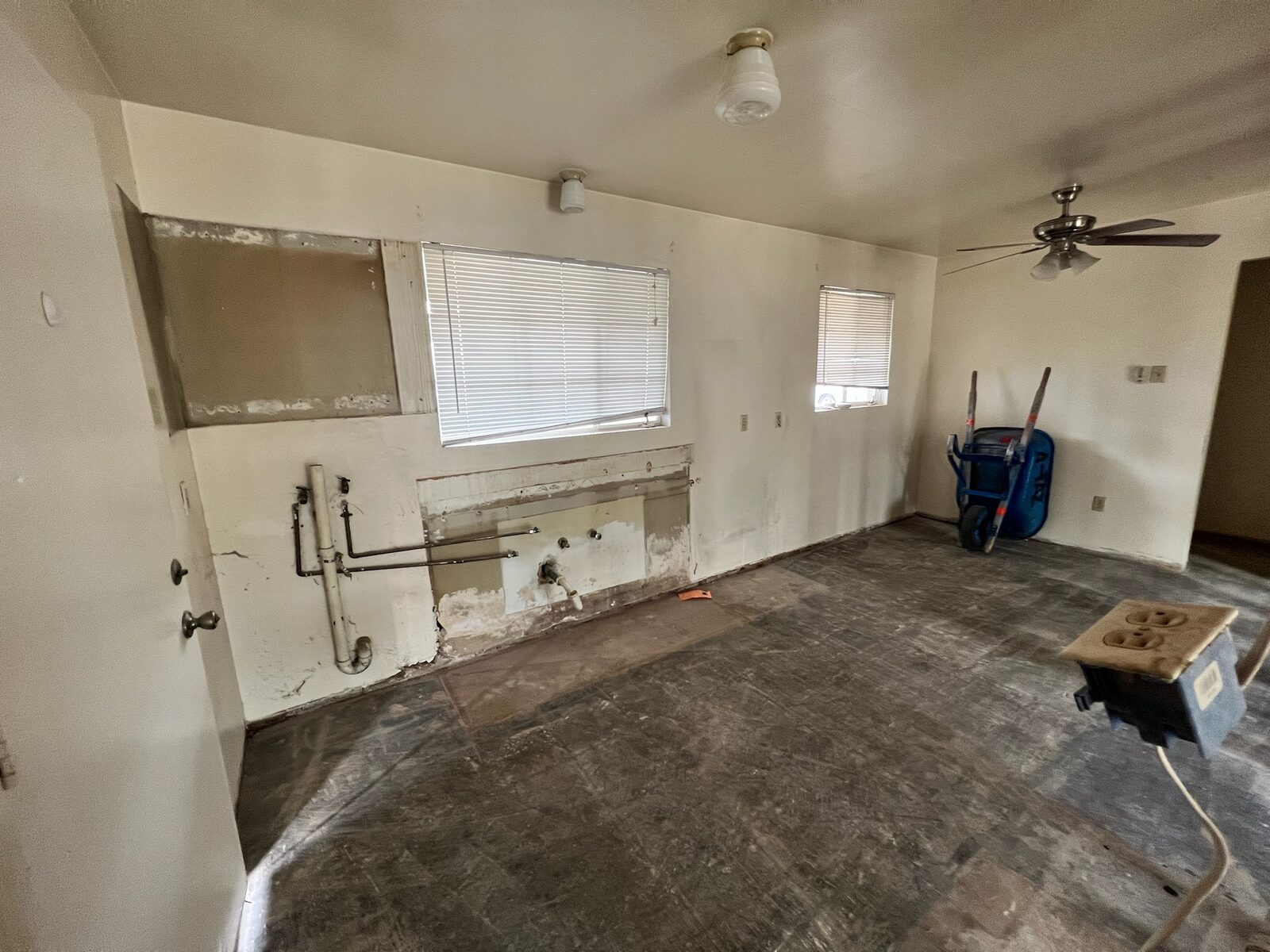
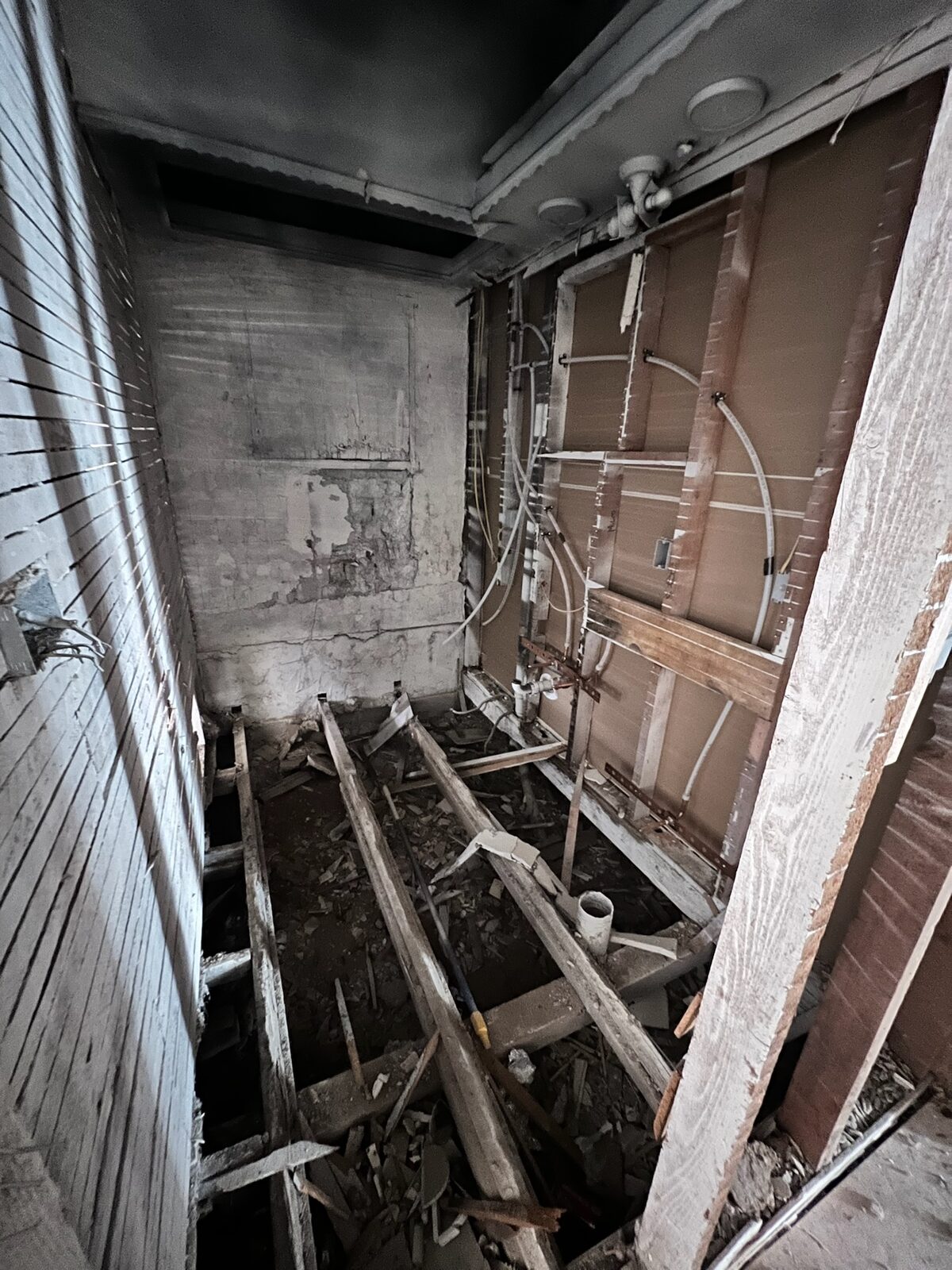
Residential reconstruction work by members of our team. See the full gallery →
More from Gold Water Fire
Abrasive Cleaning Methods for Soot on Framing and Masonry
A look at how abrasive cleaning methods remove soot from wood framing and masonry after a fire, and when each method fits the material.
AC Condensate Line Clogs & the Water Damage They Cause in Phoenix Homes
Why Phoenix AC condensate lines clog every summer, what the water damage looks like, and how to find the source before the ceiling stain spreads again.
Actual Cash Value vs Replacement Cost: Why Your Check Might Not Match the Repair Bill
Confused why your insurance check seems short after fire or water damage? Learn the difference between actual cash value and replacement cost coverage.
If you are not sure where your claim stands
You can call (480) 999-3339 or email Help@goldwaterfire.com and describe what has happened so far. We will tell you plainly what step it sounds like you are on and what usually comes next. Gold Water Fire, 221 E Willis Rd Ste 8, Chandler, AZ 85286. AZ ROC #264344, KB-2.
Call (480) 999-3339Fire Damage Restoration · Water Damage Restoration · Reconstruction & Rebuild · Contact Us · About Gold Water Fire