
Plumbing Work During Reconstruction, and What Gets Inspected
If you're staring at open walls weeks after a leak was supposedly fixed, wondering why the plumber isn't the one closing everything back up, that confusion is normal. Water damage repair and plumbing repair are not the same job, and the handoff between them is rarely explained clearly to the person who actually lives in the house. You just want to know when this ends and whether the pipe problem is actually gone for good.
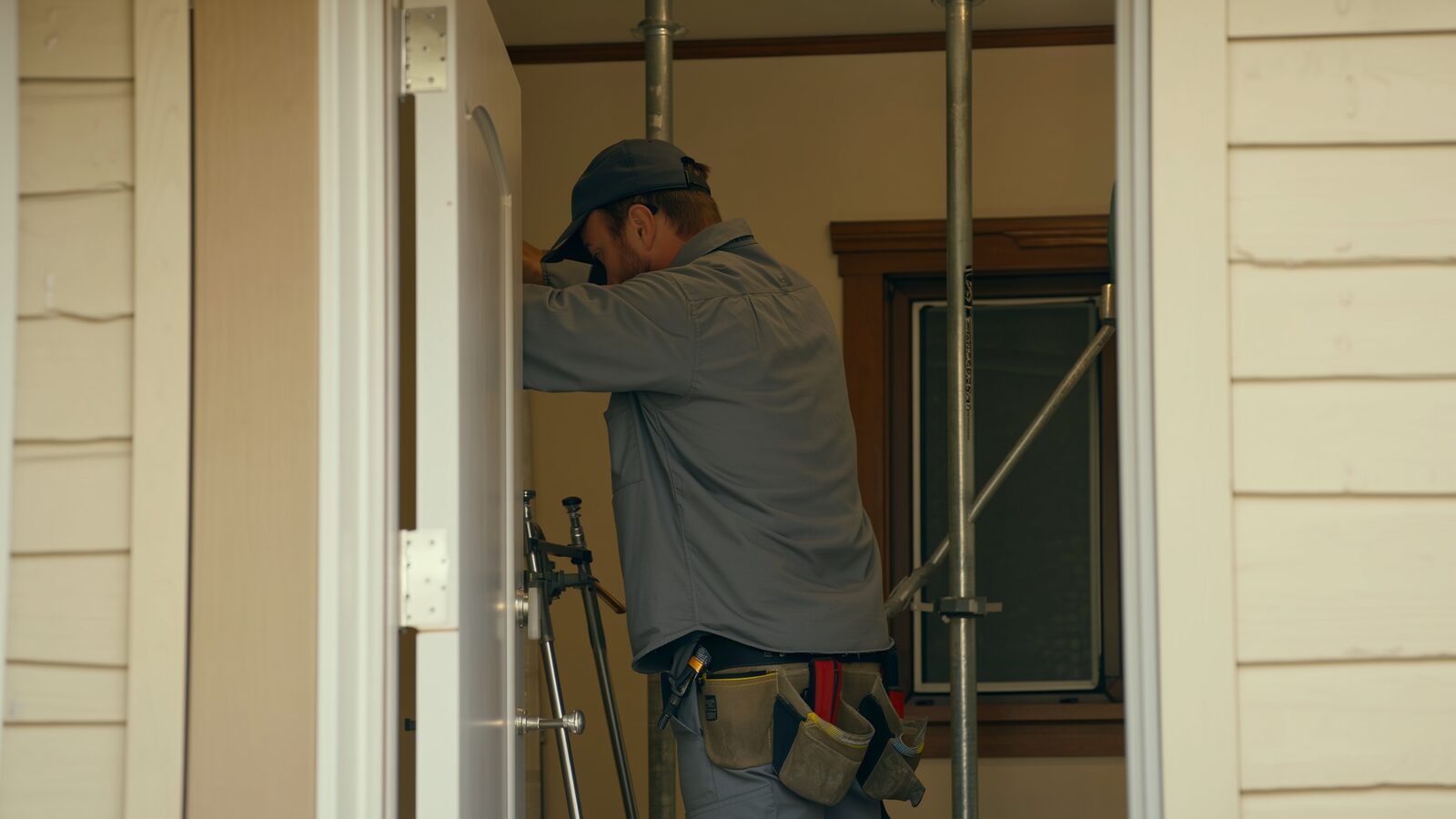
Plumbing Work During Reconstruction, and What Gets Inspected
Why plumbing and reconstruction are two separate jobs
A plumber's job is to find the failure point in the pipe, fitting, valve, or supply line and stop the leak. Once that's done, their scope is technically finished. But the water that leaked out doesn't just disappear. It travels along framing, under flooring, and behind drywall, often much further than the visible wet spot suggests. Reconstruction picks up from there: drying the structure, removing anything saturated beyond repair, and rebuilding it. The two trades often need to coordinate closely, because you can't safely close up a wall until both the leak is fixed and the framing behind it has actually dried out, not just looked dry.
What typically happens to plumbing before rebuild starts
Before any wall, floor, or ceiling goes back together, the plumbing in that area usually gets pressure tested to confirm the original failure point was the only one and that the repair is holding under normal water pressure, not just gravity. Supply lines, drain lines, and any fittings disturbed during the leak or during demolition get checked for slow drips that wouldn't show up in a quick visual look. If old galvanized or polybutylene piping is exposed during this process, it's common for that section to get flagged, since these older materials are known to fail again even when a single leak point has already been patched.
What inspectors and code officials look at
Depending on the scope of work and local permitting requirements, a rough-in inspection may need to happen before walls are closed, checking that pipe slope, venting, and fitting connections meet code. A final inspection after rebuild typically checks fixture connections, shutoff valve access, and that any water heater or main line work meets current code, which may differ from what was originally installed if the home is older. Permits and inspections exist specifically to catch problems while the walls are still open, since almost nothing is harder to find, or more expensive to fix, once drywall and flooring are back in place.
Signs the plumbing side isn't actually finished
A musty smell that returns after drying, discoloration reappearing on a ceiling or baseboard, or a water bill that stays high after the visible repair are all signs worth raising before reconstruction moves forward. Moisture meters and sometimes thermal imaging are used during reconstruction specifically to confirm framing and subfloor are dry all the way through, not just on the surface, because trapped moisture behind new drywall becomes a mold problem instead of a plumbing problem.
Questions people ask us
Does the same company handle the plumbing repair and the reconstruction?
Sometimes, but not always. A licensed plumber typically handles the pipe repair itself, while a restoration and reconstruction contractor handles the drying, demolition, and rebuild around it. Coordination between the two is what determines how smoothly the job goes.
Why do walls stay open longer than expected after a leak?
Walls usually stay open until the affected framing and insulation have fully dried and, if required, until a rough-in inspection has passed. Closing a wall too early can trap moisture that leads to mold or a second round of demolition later.
Is a permit always required for plumbing work during reconstruction?
It depends on the scope of the work and local jurisdiction rules. Repiping, moving fixtures, or water heater replacement more often require a permit than a like-for-like fitting repair. A licensed contractor can confirm what your specific job requires.
What older pipe materials tend to cause repeat leaks?
Galvanized steel and polybutylene piping are both known to degrade over time and can fail again in a different spot even after one leak is patched. If either is found during reconstruction, it's worth asking about the condition of the rest of the run.
The standard our team works to
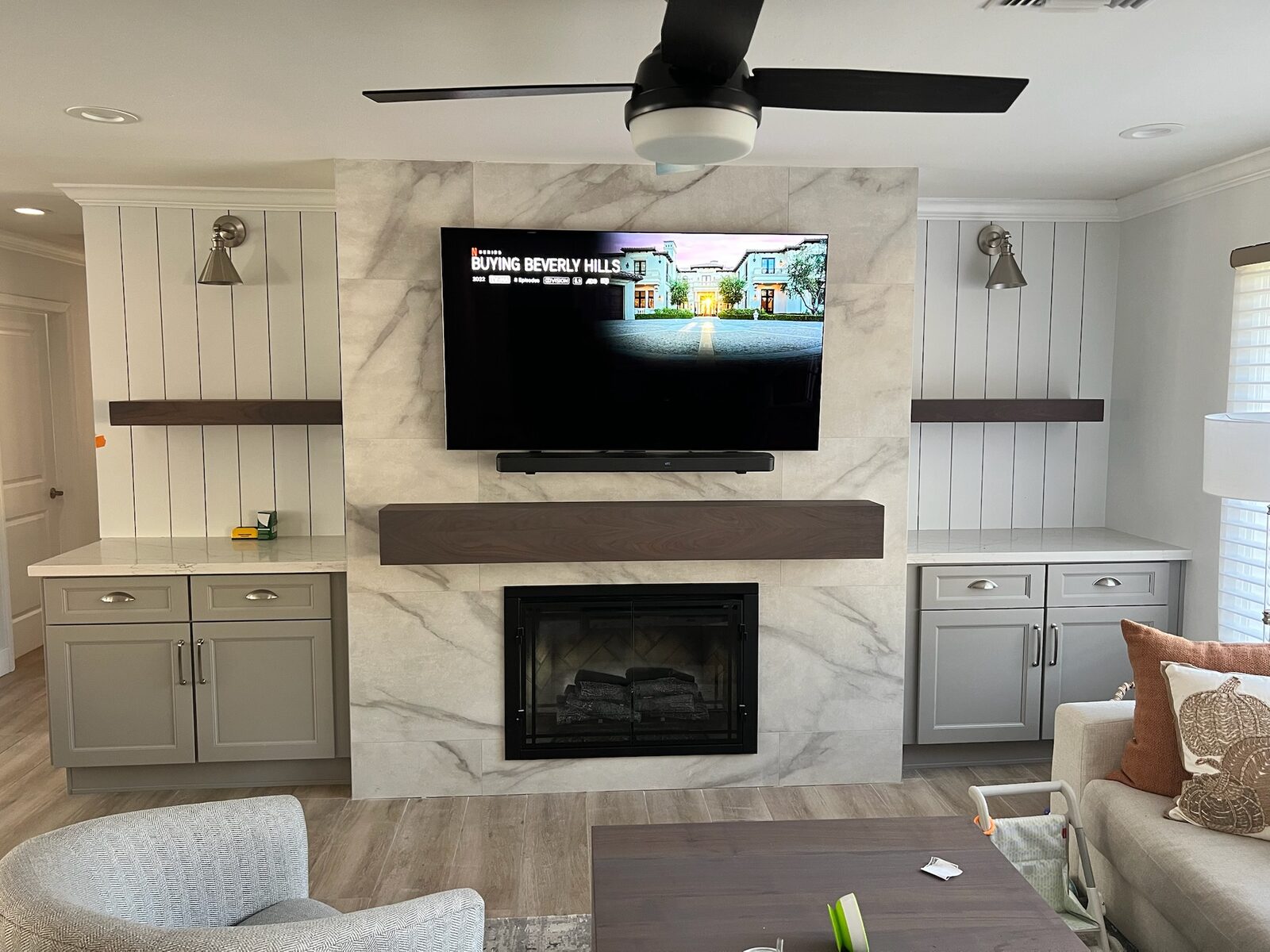
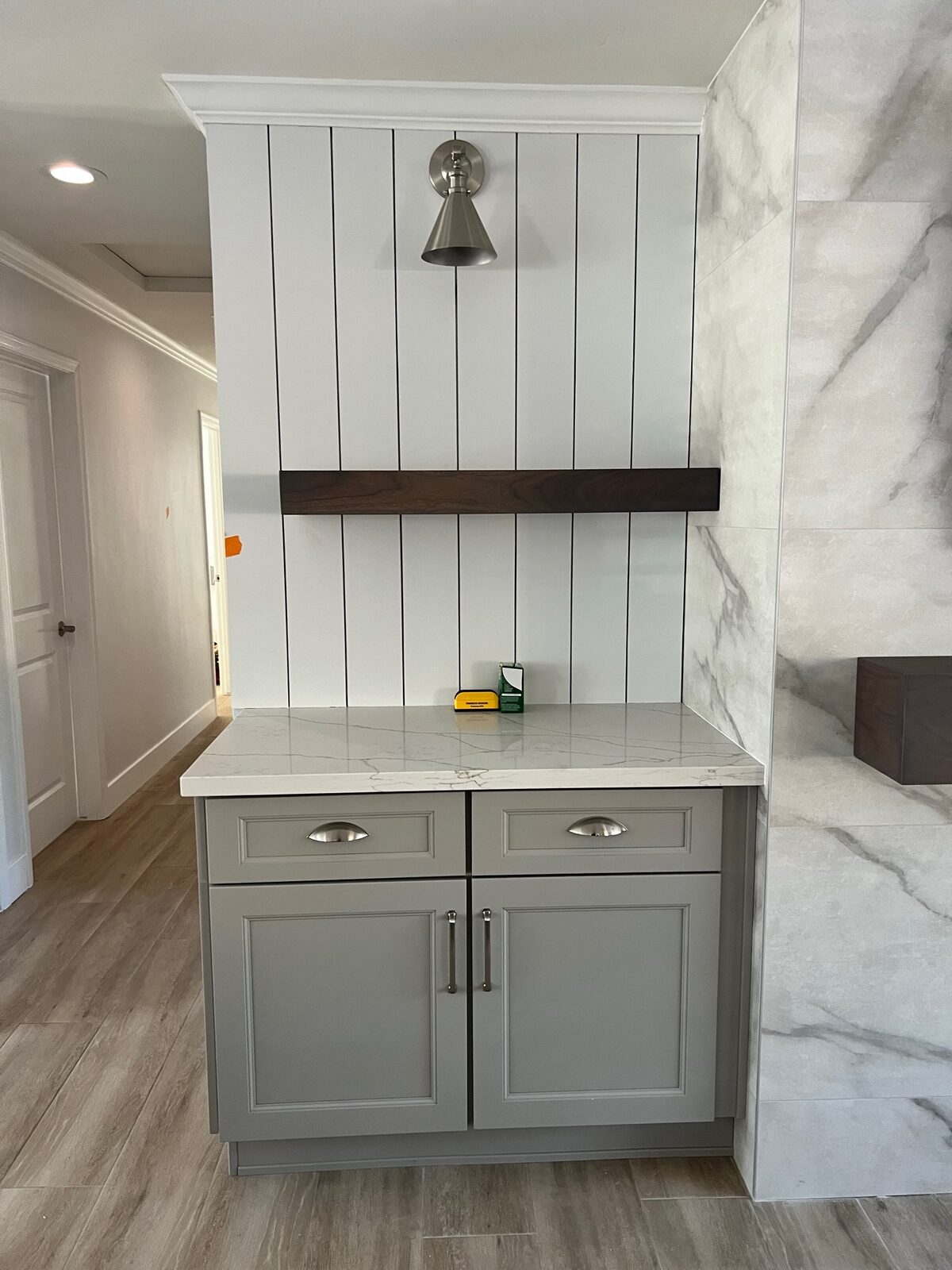
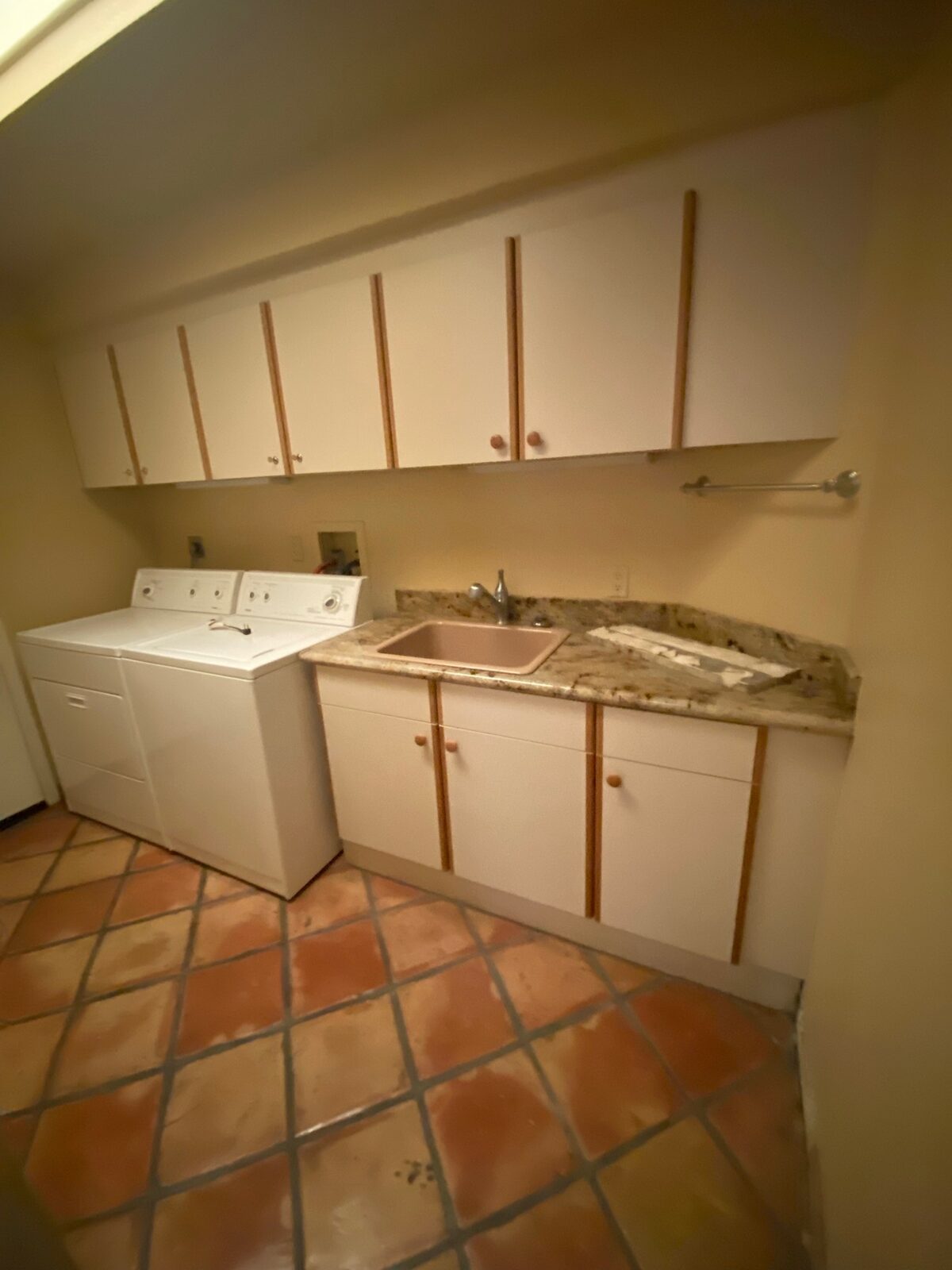
Residential reconstruction work by members of our team. See the full gallery →
More from Gold Water Fire
Abrasive Cleaning Methods for Soot on Framing and Masonry
A look at how abrasive cleaning methods remove soot from wood framing and masonry after a fire, and when each method fits the material.
AC Condensate Line Clogs & the Water Damage They Cause in Phoenix Homes
Why Phoenix AC condensate lines clog every summer, what the water damage looks like, and how to find the source before the ceiling stain spreads again.
Actual Cash Value vs Replacement Cost: Why Your Check Might Not Match the Repair Bill
Confused why your insurance check seems short after fire or water damage? Learn the difference between actual cash value and replacement cost coverage.
Not sure what stage your repair is actually at?
If you're dealing with water damage and trying to understand what still needs to happen before your walls close back up, Gold Water Fire can walk through it with you. Call (480) 999-3339 or reach out through the contact page.
Call (480) 999-3339Water Damage Restoration · Reconstruction & Rebuild · Contact Gold Water Fire · About Gold Water Fire