
How Long a Full Room Reconstruction Takes After Mitigation Is Done
The fans came out. The moisture readings came back dry. Someone shook your hand and said the mitigation part was finished, and then the house went quiet. And now you are standing in a room with the drywall cut out at knee height, subfloor showing, a door leaning against the wall in the hallway, and nobody can tell you when it will look like a room again. That waiting is its own kind of hard. It is not the emergency anymore, so nobody treats it like one, but you are still living around a hole in your house, still stepping over it every morning, still explaining it to people who visit. If you have been asking yourself why this stage feels so much slower and less clear than the first one, you are not imagining it. The two phases run on completely different clocks, and almost nobody explains that difference to homeowners until they are already living inside it.
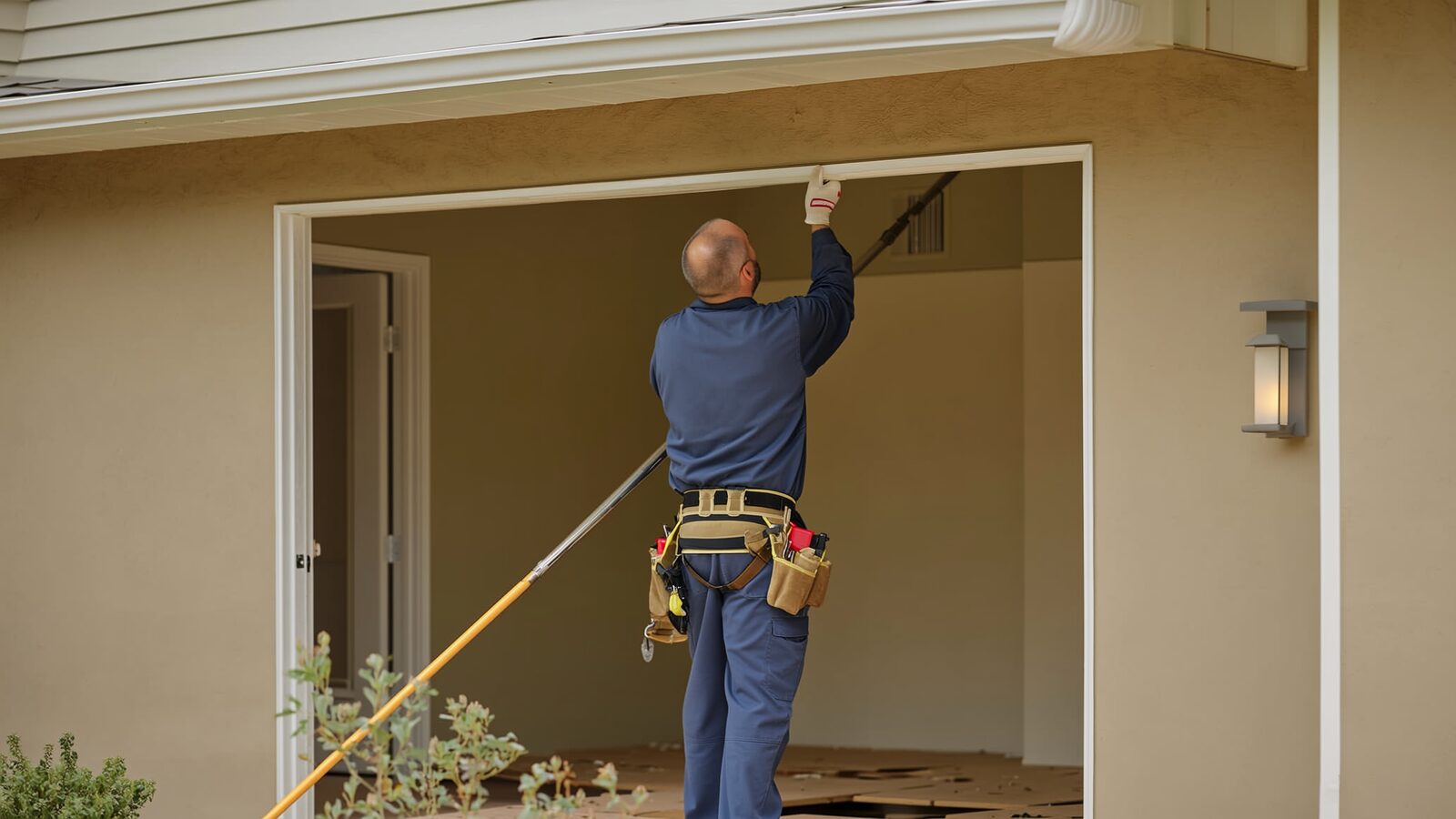
How Long a Full Room Reconstruction Takes After Mitigation Is Done
Mitigation is measured in hours. Reconstruction is measured in trades.
Mitigation has a finish line you can read off a meter. Water gets extracted, air movers and dehumidifiers run, moisture content in the framing and subfloor drops to a target, and the equipment leaves. It is urgent, it is continuous, and it is largely one crew doing one thing. Reconstruction is a different animal. It is a sequence of separate trades, each of which has to finish before the next can start, and each of which has its own material lead time and its own drying or curing time. Drywall goes up, then tape and mud, then sanding, then primer, then paint. Flooring cannot go down until the substrate is flat and the paint is done. Trim goes on after flooring so the base sits on the finished surface. You cannot compress that order by hiring more people, because the constraint is not labor, it is sequence and cure time. That is the honest reason a room that got dried out in a few days can sit half finished for weeks.
What actually has to happen, step by step
Knowing the order helps, because it lets you see where a project actually is instead of just seeing an unfinished room. A typical single room rebuild after water or fire mitigation runs roughly like this.
Scope and approval
Before a single board goes up, someone has to write the scope of repairs and get it agreed to. If insurance is involved, this is often the longest and least visible stretch: line items get reviewed, questions come back, supplements get filed for things nobody could see until the wall was open. Work generally does not start until the scope and the money are settled, and this stage is largely out of the contractor's hands.
Rough trades and inspections
If the damage reached electrical, plumbing, or HVAC inside the wall or ceiling, those get repaired while the cavity is still open. Depending on the scope and jurisdiction, permits and rough inspections may apply, and an inspection has to be scheduled and passed before anything gets closed up. Insulation goes back in last in this phase.
Drywall, texture, and paint
Hanging drywall is fast. Finishing it is not. Joint compound goes on in coats, and each coat has to dry before the next one, then it gets sanded, then textured to match the existing walls, then primed and painted. Texture matching in Arizona homes (knockdown, orange peel, or a hand texture) often takes a second pass to blend into the surrounding untouched wall so the repair does not read as a patch.
Flooring, trim, and finishes
Flooring is where material availability bites. Tile, plank, and carpet all have lead times, and if the existing product is discontinued you are into a conversation about how far the replacement has to extend to look intentional. After flooring comes baseboard, casing, doors, caulk, touch up paint, fixtures, and the final clean. The punch list at the end is small work but it is real work.
The things that actually lengthen or shorten a rebuild
Anyone who gives you a firm calendar date before the scope is settled is guessing. What can be described honestly is the list of variables, because those are what you will feel. Size and complexity of the room. A bathroom with tile, a shower pan, plumbing fixtures, and a vanity has far more trade handoffs than a bedroom that needs drywall, paint, and carpet, even though the bathroom is a smaller space. How far the damage traveled. Water follows framing and gravity. A rebuild that started as one room often turns out to involve the adjoining hallway, a shared wall, or the ceiling below, and the scope grows once things are open. Insurance approval speed. Every supplement, every request for photos, every adjuster review adds calendar days that no crew can work around. Material lead times. Cabinets, specialty tile, and discontinued flooring are the usual delays. Standard paint and drywall are not. Matching existing finishes. Blending new work into old flooring, old texture, and old paint sheen sometimes means extending the repair beyond the damaged area, which is more work but is the difference between a repair that disappears and one you see forever. Permits and inspections. When structural, electrical, or plumbing work is involved, the schedule includes waiting for a third party. Whether one company handled both phases. When the mitigation crew and the rebuild crew are separate companies, the handoff itself costs time: new walkthrough, new scope, new relationship with your adjuster. When it is the same team carrying the job from demolition through final paint, that gap does not exist.
How to get a real answer about your own timeline
You are allowed to ask for specifics, and a good contractor should be able to give them without hedging into vagueness. Ask for the sequence, not just an end date. A schedule that lists drywall week, paint week, flooring week tells you far more than a single number, and it lets you tell whether things are on track. Ask what the current bottleneck is. At any moment there is exactly one thing holding the job. It is usually insurance approval, a material order, or an inspection. Knowing which one it is turns a frustrating silence into information. Ask what has been ordered and when it is expected. Long lead materials should be ordered early, not when the crew is ready for them. Ask who to call. One name, one number. Repeating your story to a new person each week is exhausting when you are already tired. Keep your own record. Photos of the damage before demolition, the scope document, and any written change to it. If the scope grows later, that record is what supports the conversation with your carrier. If you are in the Phoenix metro area and stuck in the gap between drying and rebuilding, you can talk it through with us on our contact page or read more about how the water mitigation phase works and what fire and smoke cleanup involves before the rebuild begins.
Questions people ask us
Why can nobody give me an exact completion date?
Because the two biggest variables are usually outside the builder's control: how quickly the insurance scope gets approved, and how quickly ordered materials arrive. A contractor can commit to their own labor sequence with confidence. Committing to a date that depends on an adjuster's review queue and a supplier's shipping schedule is a promise they cannot keep. A better question is which step the job is on right now and what is holding the next one.
Does a bigger room always take longer than a small one?
No. What drives the schedule is the number of trade handoffs and cure times, not square footage. A large bedroom might need drywall, texture, paint, carpet, and base, which is a short list. A small bathroom might need plumbing, waterproofing, tile setting, grout cure, fixtures, and finish carpentry, which is more steps and more waiting even though the room is smaller.
Can the rebuild start before mitigation is completely finished?
Some prep can overlap, like writing the scope, ordering long lead materials, and selecting finishes. But nothing should be closed up until moisture readings in the framing and substrate have reached a dry standard. Sealing a wall over damp material is how you get hidden mold and a second demolition later. Waiting for confirmed dry readings is not delay, it is the only way the finished work lasts.
Should the same company do both the mitigation and the reconstruction?
It is not required, but it removes a handoff. When one company carries the job through, the people who opened the wall are the people who close it, the scope does not have to be rewritten from scratch, and there is no gap where each side is waiting on the other. Gold Water Fire handles water and fire mitigation as well as reconstruction and rebuild, so the job does not change hands partway through.
The standard our team works to
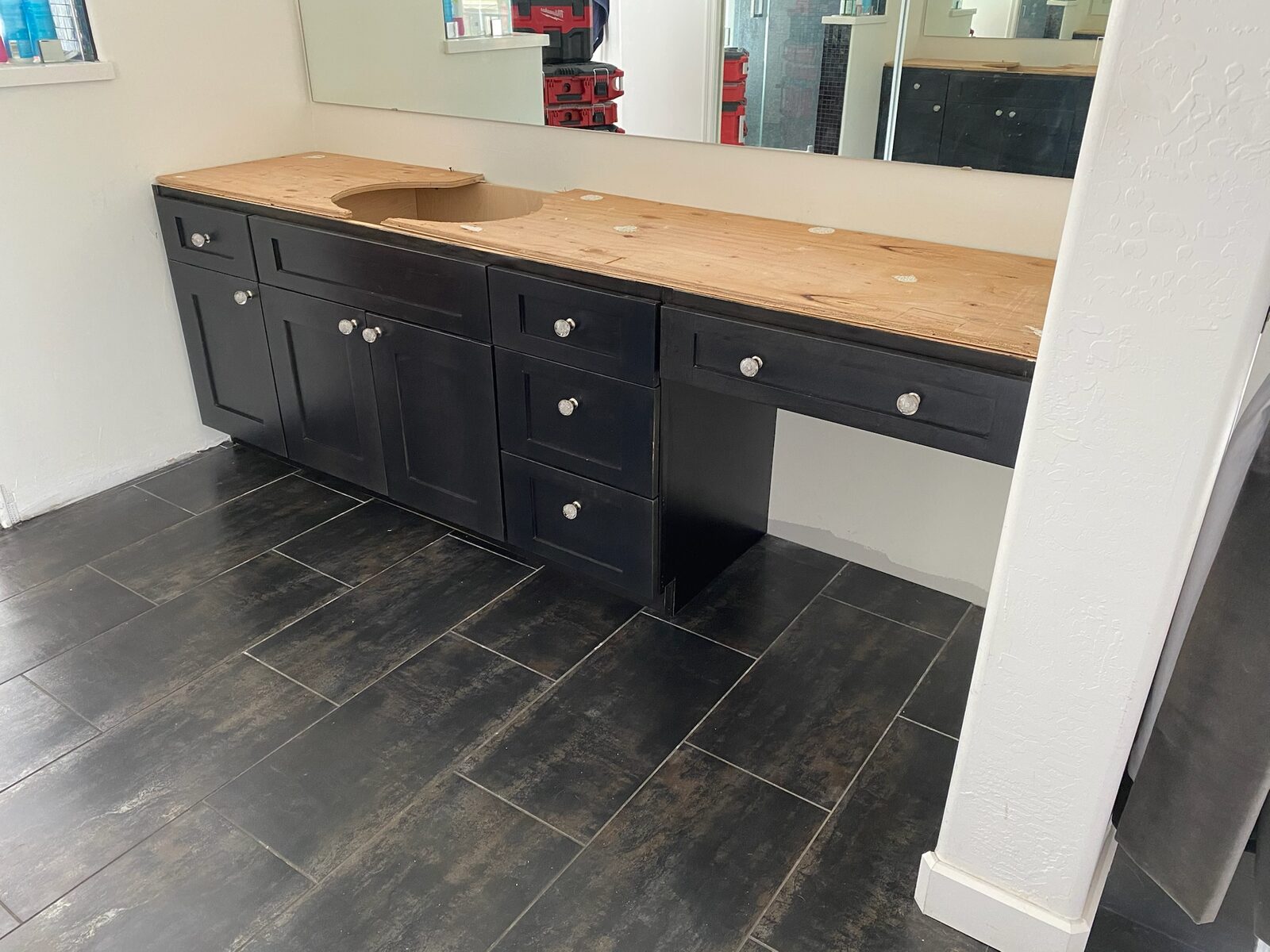
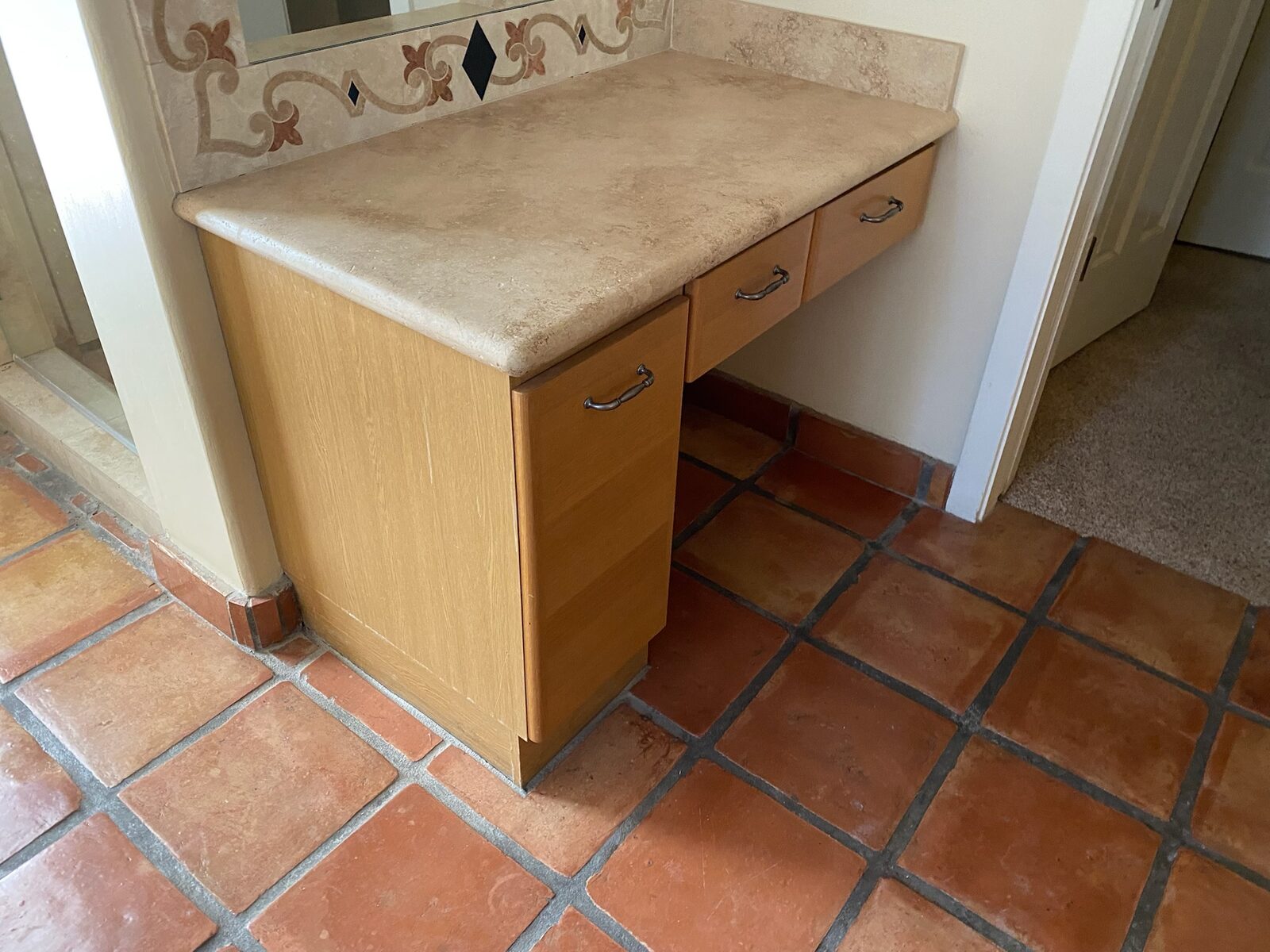
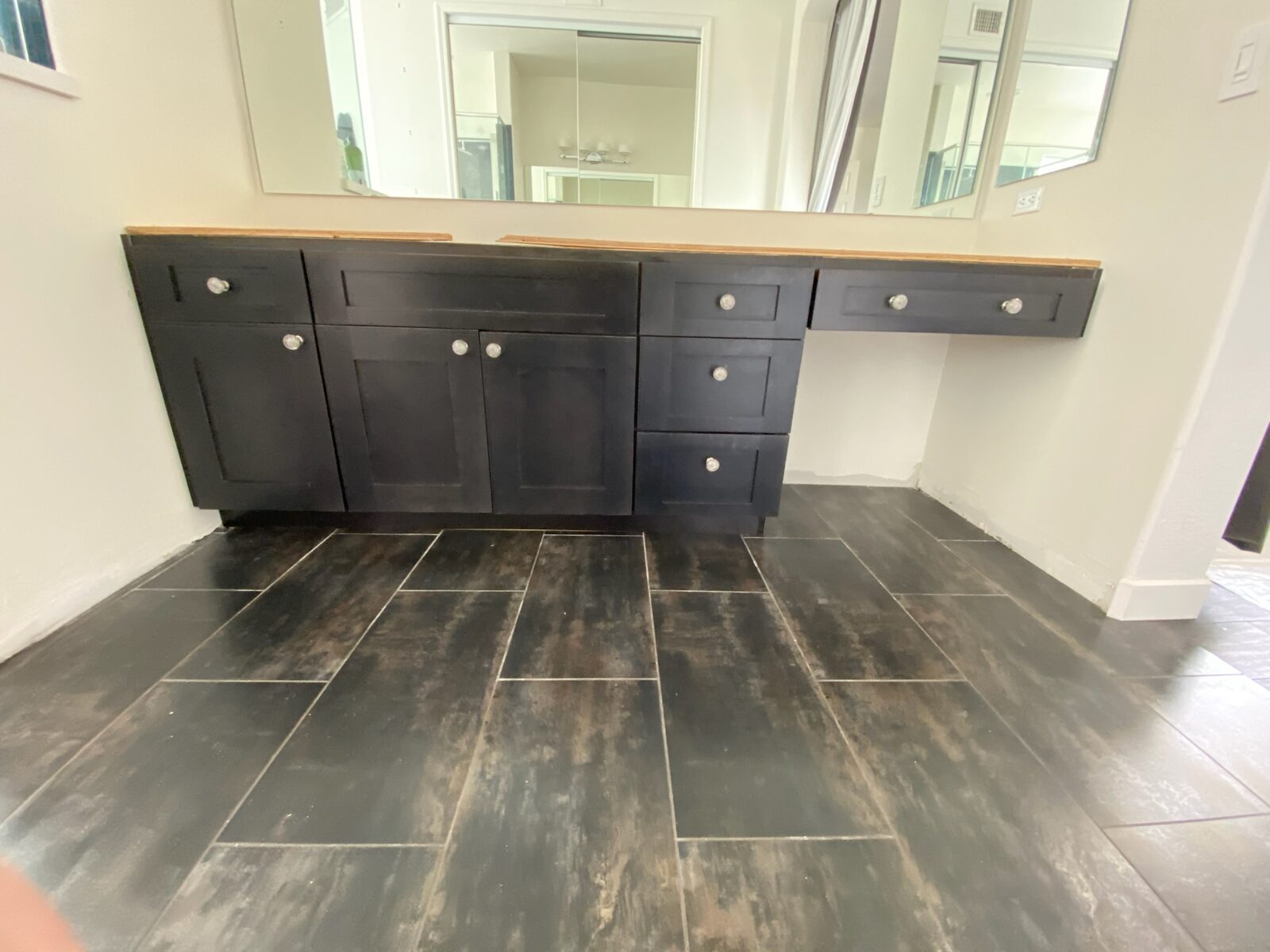
Residential reconstruction work by members of our team. See the full gallery →
More from Gold Water Fire
Abrasive Cleaning Methods for Soot on Framing and Masonry
A look at how abrasive cleaning methods remove soot from wood framing and masonry after a fire, and when each method fits the material.
AC Condensate Line Clogs & the Water Damage They Cause in Phoenix Homes
Why Phoenix AC condensate lines clog every summer, what the water damage looks like, and how to find the source before the ceiling stain spreads again.
Actual Cash Value vs Replacement Cost: Why Your Check Might Not Match the Repair Bill
Confused why your insurance check seems short after fire or water damage? Learn the difference between actual cash value and replacement cost coverage.
If your house is stuck between dry and finished, tell us where it stands
You can describe what has already been done, what is still open, and where the insurance conversation is, and we will walk you through what the remaining sequence actually looks like for your room. Call Gold Water Fire at (480) 999-3339 or email Help@goldwaterfire.com. We work throughout the Phoenix metro area, from Peoria and Avondale out to Queen Creek, San Tan Valley, and Apache Junction. AZ ROC #264344 KB-2.
Call (480) 999-3339Reconstruction & Rebuild · Water Damage Restoration · Fire Damage Restoration · About Gold Water Fire · Contact Us