
Water Damage Restoration in Phoenix, Arizona
You found the water sometime after it started. Maybe it was a dark line creeping across the baseboard in the hallway, or a section of tile that felt warm underfoot, or the sound of the water heater letting go in the garage. Right now you're standing in a house that smells like a wet towel, trying to figure out what you're allowed to touch, whether the flooring is ruined, and what this is going to do to your week. That is a genuinely bad afternoon, and the uncertainty is usually worse than the water itself.
Water Damage Restoration in Phoenix, Arizona
How Phoenix homes actually get wet
Phoenix does not flood the way a river town floods. The water damage here comes from the building and from a handful of very specific weather events. Slab leaks are the big one. Most of the city's postwar and mid-century housing (the ranch tracts across Maryvale, Sunnyslope, Arcadia, and the older Camelback East neighborhoods) was built on post-tension or conventional slabs with copper supply lines run underneath. Phoenix groundwater and soil chemistry are hard on buried copper, and decades of pinhole corrosion eventually shows up as a warm spot on the floor, a hot water bill that jumped for no reason, or carpet that wicks damp along one wall. Homes from the 1970s through the early 1990s in Ahwatukee, Deer Valley, and North Phoenix often have polybutylene or early plastic fittings that fail at the crimp. Monsoon season, roughly July through September, brings the second pattern. A short, violent storm dumps an inch of rain in twenty minutes onto a low-slope or flat foam roof that was designed for a dry climate. If the scuppers are blocked with dust and palm debris, the water ponds and finds a seam. Blowing rain during a haboob also drives water sideways into stucco cracks and window flashing that never leak in a normal rain. The third pattern is the mechanical one. Water heaters in unconditioned Phoenix garages live at 120 degrees-plus every summer and fail early. Refrigerator ice-maker lines, washing machine hoses, and R/O systems under the kitchen sink all fail quietly and can run for days if the house is empty, which is common with seasonal residents who leave in May and come back in October. The fourth is the seasonal freeze people don't expect. A hard overnight low in December or January can split an exposed hose bibb, an unwrapped pool equipment line, or a pipe in an uninsulated exterior wall. It thaws by 10 a.m. and starts spraying while you're at work.
What restoration involves, step by step
Water damage work follows a sequence, and knowing the sequence makes the whole thing less alarming. First, the water stops. That means locating and shutting the source: the main at the street or the side of the house, an angle stop, or the water heater's cold inlet. Nothing else matters until that is done. Second, extraction. Standing water gets pulled with truck-mounted or portable extraction units. On carpet over pad, the pad almost always comes out; carpet itself can often be saved if it is addressed quickly and the water was clean. Third, assessment. Moisture meters and thermal imaging map how far the water actually traveled, which is usually farther than the visible stain. Water runs along the top plate, down inside wall cavities, and under cabinet toe-kicks. Drywall gets checked for wicking height. In Phoenix, a slab leak means the moisture is coming from underneath, so the assessment includes the slab itself and any flooring adhesive. Fourth, the water gets categorized. Clean water from a supply line is Category 1. Water from a dishwasher, washing machine, or a leak that has sat long enough to grow is Category 2. Sewage backup or long-standing contaminated water is Category 3, and Category 3 materials generally come out rather than get dried. Fifth, controlled drying. Air movers create surface evaporation and dehumidifiers pull that moisture out of the air. Arizona's low outdoor humidity helps, but it does not do the job on its own. A sealed, air-conditioned house holds moisture in the cavity. Drying is monitored with daily readings until materials are back to a dry standard, not until they look dry. Sixth, the rebuild. Baseboard, drywall, texture, paint, cabinetry, and flooring go back. Matching Phoenix-standard knockdown or orange-peel texture and blending it into an existing wall is its own skill, and that is where reconstruction and rebuild work picks up.
What to do before anyone arrives
Shut off the water at the main if you can find it. In most Phoenix homes it is at the street in a concrete meter box near the sidewalk, or on the exterior wall near the hose bibb on the side of the house. Kill power to the affected rooms at the breaker if water is anywhere near outlets, baseboards with wiring, or the panel itself. Do not walk through standing water to reach a panel. Photograph everything before you move it: wide shots of each room, then close-ups of the source, the flooring, and any damaged contents. Insurance adjusters ask for this and it is much harder to reconstruct later. Get furniture legs off wet carpet. Aluminum foil or plastic under the legs stops wood stain and metal rust from transferring permanently into the fibers. Do not run your home HVAC to try to dry the house if the water may be contaminated. You'll move spores and odor through every duct. And do not pull up tile or tear out drywall yourself before it has been documented and categorized. Call your insurance carrier and open a claim, even if you are not sure you will use it. Getting a claim number early keeps your options open. Gold Water Fire handles water damage restoration across Phoenix and the surrounding metro. If the damage involved a fire, sprinkler activation, or extinguisher discharge, fire damage restoration covers that side of the work.
Phoenix and the surrounding metro
Gold Water Fire works throughout the Phoenix metro area, from central and downtown Phoenix out through Ahwatukee, Deer Valley, Desert Ridge, Laveen, and Estrella, and across to Scottsdale, Tempe, Mesa, Glendale, Chandler, Gilbert, Paradise Valley, Peoria, and the surrounding communities. The service area runs roughly from northwest Peoria to southeast Avondale, southwest to San Tan Valley, northwest to Apache Junction, and outlying areas further than that. The shop is at 221 E Willis Rd Ste 8, Chandler, AZ 85286. The company is licensed in Arizona under AZ ROC #264344 · KB-2. Co-founded by Jim Bennett and Jake Taylor. Brandon Gurr, previously of Gurr Brothers Construction, is Construction Manager and leads the reconstruction side. You can read more about the team, or get in touch directly.
Questions people ask us
How do I know if I have a slab leak in my Phoenix home?
Common signs are a warm or hot spot on the floor, the sound of running water when every fixture is off, an unexplained jump in the water bill, damp carpet or wicking along a baseboard with no fixture nearby, or cracked and loose tile in one area. A quick check: turn off every fixture and appliance in the house, then watch the small sweep dial on the water meter at the street. If it moves, water is going somewhere.
Can wet drywall and flooring in Arizona just dry out on their own?
Not reliably. The outdoor air here is dry, but a closed, air-conditioned house holds moisture inside wall cavities and under flooring where no air moves. Materials can feel dry on the surface while the cavity behind them stays wet for weeks, long enough for microbial growth and for drywall paper and MDF baseboard to lose structure. Controlled drying with air movement and dehumidification is what actually gets materials back to a dry standard, and it is verified with meter readings rather than by feel.
Why do Phoenix homes flood during monsoon season if it barely rains here?
It is the intensity, not the total. A monsoon cell can drop a large volume of rain in under half an hour onto roofs and drainage designed around a dry climate. Flat and low-slope roofs common in Phoenix pond when scuppers and drains are clogged with dust, gravel, and palm debris, and haboob winds drive rain sideways into stucco cracks and window flashing that never leak in a normal storm.
Will my homeowners insurance cover the water damage?
That depends on the policy and the cause. Sudden and accidental events (a burst supply line, a failed water heater, a pipe splitting in a freeze) are commonly covered, while long-term seepage, gradual leaks, and groundwater flooding are commonly excluded. Policies also differ on whether they pay to access a slab leak versus repair the pipe itself. Open a claim early, document everything with photos, and ask your adjuster specifically what the policy says about the cause you are dealing with.
The standard our team works to
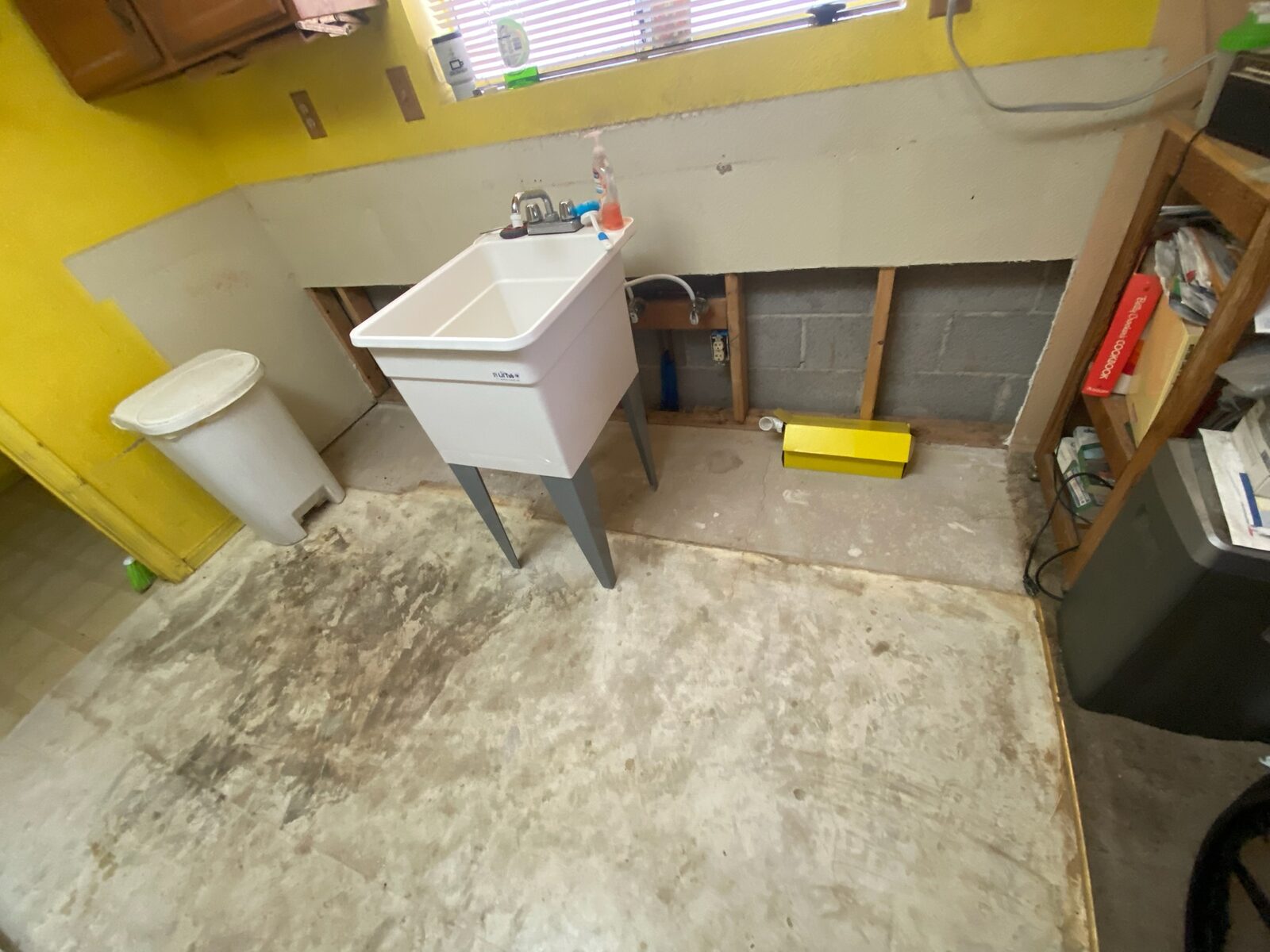
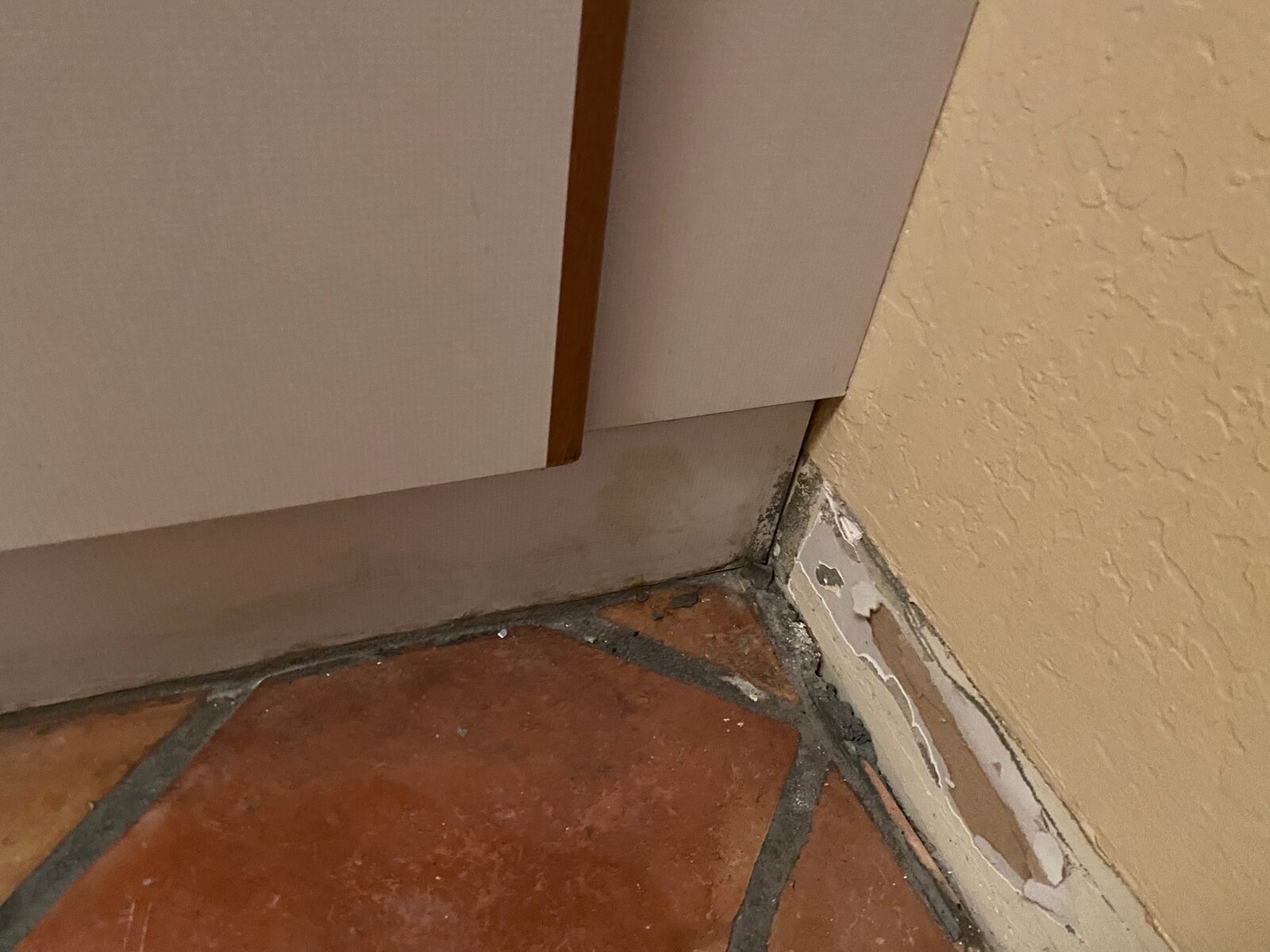
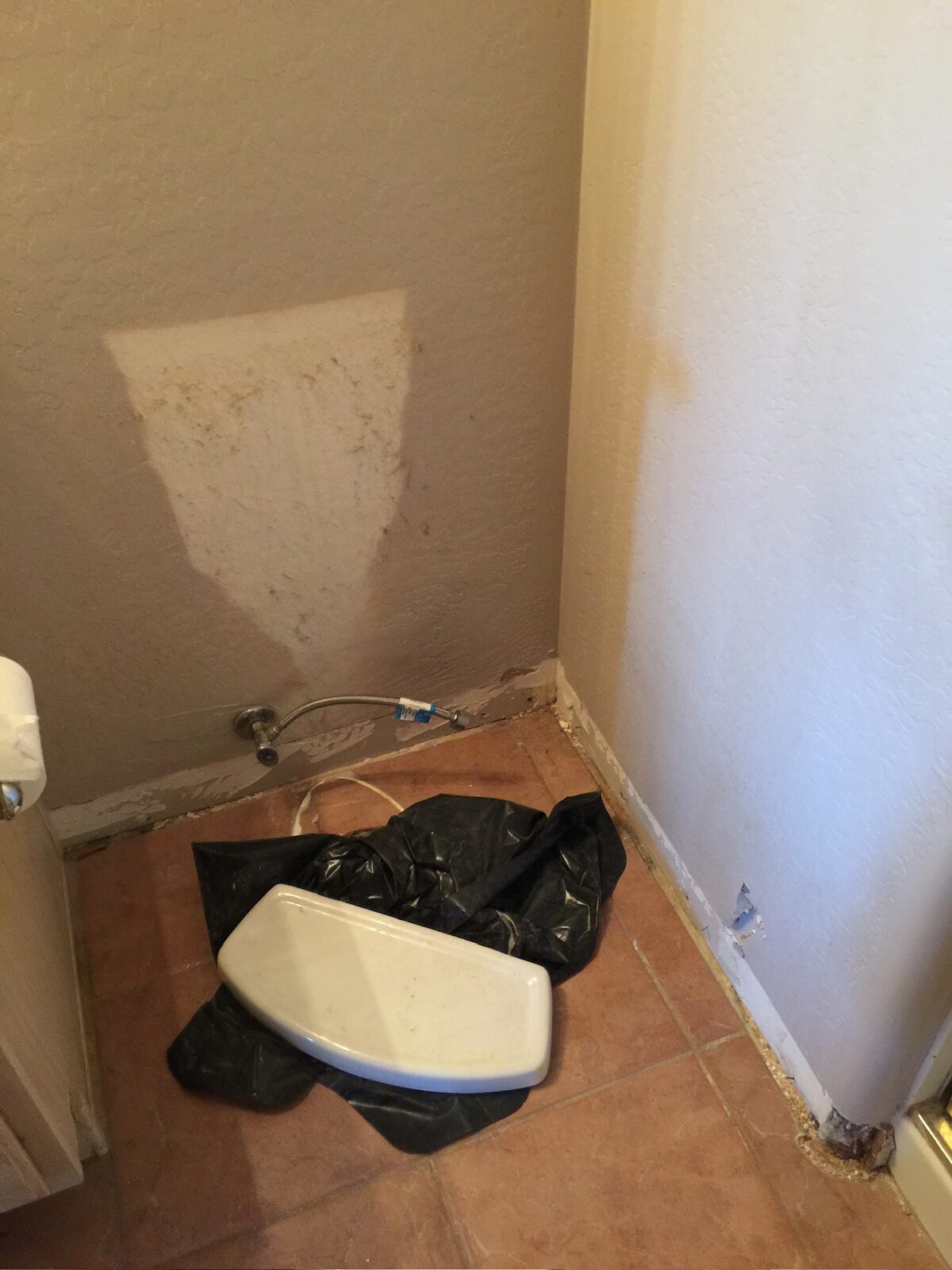
Residential reconstruction work by members of our team. See the full gallery →
More from Gold Water Fire
Fire Damage Restoration in Apache Junction, AZ
Fire and smoke damage restoration for Apache Junction homes, from board-up and soot cleanup through rebuild. Gold Water Fire, AZ ROC #264344. Call (480) 999-3339.
Reconstruction & Rebuild in Apache Junction, AZ
Rebuilding a damaged Apache Junction home after water or fire: framing, drywall, stucco, cabinets and flooring put back by Gold Water Fire. Call (480) 999-3339.
Water Damage Restoration in Apache Junction, AZ
Water damage restoration for Apache Junction homes, from slab leaks and monsoon flooding to failed water heaters. Call Gold Water Fire at (480) 999-3339.
Water in your Phoenix home right now?
Shut the water off at the main, then call Gold Water Fire at (480) 999-3339 or email Help@goldwaterfire.com. Tell us where the water came from and how far it has spread, and we'll walk you through what to do until someone gets there.
Call (480) 999-3339Water Damage Restoration · Fire Damage Restoration · Reconstruction & Rebuild · About Gold Water Fire · Contact