
Fire Damage Restoration in Phoenix, Arizona
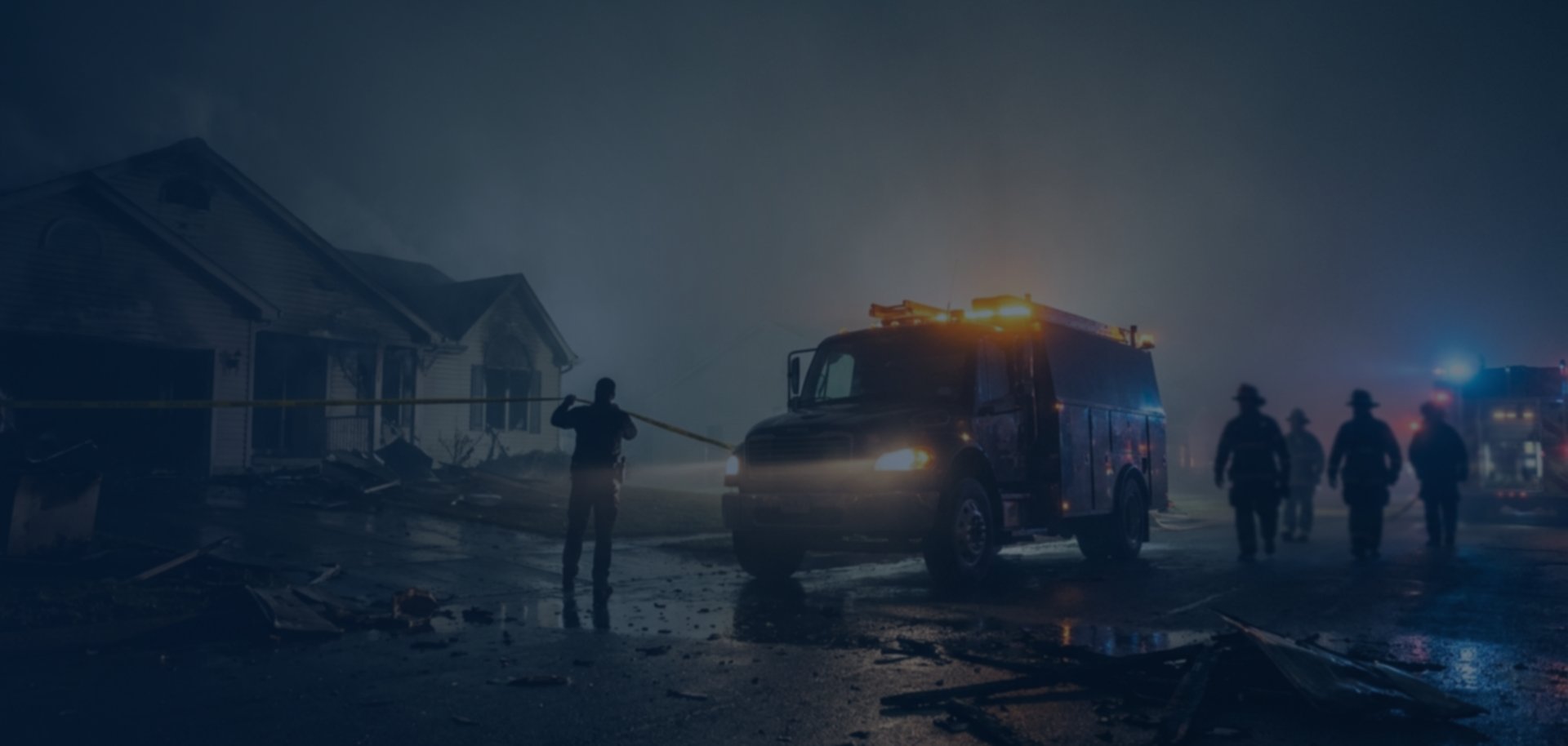
The fire is out, the trucks have left, and now you are standing in a house that does not smell or look like yours anymore. Everything is wet from the hoses. There is black film on walls the flames never touched. Somebody handed you a card and told you to call your insurance company, and you are not sure what happens between right now and having a home again. That gap, between the emergency being over and the house being livable, is where most people feel the most lost, and it is a completely reasonable place to feel stuck.
Fire Damage Restoration in Phoenix, Arizona
What makes Phoenix house fires behave the way they do
Phoenix housing stock spans a wide range, and the era of the house changes what a fire does to it. Central and south Phoenix neighborhoods (Encanto, Coronado, Willo, Garfield) hold a lot of pre-1960 construction: wood lath and plaster, original wood floors, shallow attics, and in many cases knob-and-tube or early cloth-insulated wiring that has been added onto over decades. Smoke in those homes travels through wall cavities and lath gaps and lands in places far from the ignition point. The postwar and 1970s–80s tracts across Maryvale, Alhambra, Sunnyland and much of north Phoenix bring different problems: flat or low-slope roofs, blown-in attic insulation that holds odor like a sponge, and evaporative coolers that pull outside air (and smoke) through the whole house if they are running when a fire starts. Newer construction on the north and far-west edges of the city uses more synthetic materials in carpet pad, cabinetry and framing adhesives, and those burn into an oily, acidic soot that etches aluminum window frames, chrome fixtures and appliance finishes if it sits. Seasonally, Phoenix has two distinct fire pressure points. Summer is the long one: 110-degree stretches from June through August push air conditioning systems, older service panels and extension-cord loads to their limits, and rooftop package units on flat-roof homes fail hot. Then there is the monsoon: July through September lightning and blowing dust, with outflow winds that can knock down service drops and start attic fires. The other spike is around holidays and cool nights when space heaters, fireplaces that have not been swept in years, and outdoor fire pits on covered patios come back into use. Phoenix's dry air is a factor throughout: low humidity means smoke odor bonds fast to porous surfaces, and it also means the drywall and framing soaked by fire hoses can look dry on the surface within a day while staying wet inside the wall.
What fire restoration actually involves after the department leaves
Fire damage is really three problems stacked on each other, and they have to be handled in order. The first is water. Suppression puts hundreds of gallons into a structure, and that water goes down through floor systems and sideways into wall cavities. If it is not extracted and dried, you get microbial growth in the same walls you are about to clean soot off. That is why fire work usually starts with the same equipment and process as water damage restoration: extraction, controlled demolition of unsalvageable materials, and monitored drying. The second is soot and residue. Different fires leave different residues, and they are cleaned differently. Dry, powdery soot from a fast, hot fire is removed mechanically (chemical sponges, HEPA vacuuming, dry cleaning of surfaces) because introducing liquid first smears it into the substrate. Wet, greasy protein residue from a kitchen fire is nearly invisible and clings to cabinet interiors, ceilings and the tops of door casings, and it needs degreasing agents and time. Acidic soot from burned plastics and electronics is corrosive, so metal fixtures, HVAC coils, hinges and appliance housings get attention early before pitting sets in. The third is odor, and it is the one people underestimate. Smoke particles are small enough to enter porous materials: insulation, carpet pad, subfloor, unsealed framing, the paper face of drywall. Cleaning the visible surface does not remove what is inside the material. Real odor work means removing what cannot be cleaned, cleaning and deodorizing the ductwork so the HVAC system stops recirculating the smell, treating remaining surfaces, and in many cases sealing framing and subfloor before anything new goes back on top. If a house still smells like smoke on the first hot afternoon after the work is done, something in that sequence was skipped.
From cleanup to a finished house
Once the structure is dry, clean and odor-free, what is left is construction: drywall, texture, paint, trim, cabinets, flooring, sometimes framing and roof deck. Matching a Phoenix home's existing finishes matters here: the knockdown and orange-peel wall textures common across valley tract homes have to be blended so the repair does not read as a patch, and older central-Phoenix homes often need plaster and original-profile trim handled rather than simply replaced with modern stock. Gold Water Fire handles the cleanup and the rebuild, so the job does not change hands halfway through. Brandon Gurr, our Construction Manager, leads the reconstruction and rebuild side, and Johnny is our Reconstruction Team Lead on site. We hold AZ ROC license #264344 · KB-2. You can read more about the crew on our about page, or see the full scope of fire damage restoration work we do.
Where we work in and around Phoenix
We cover the full Phoenix metro: central and south Phoenix, Ahwatukee, north Phoenix and Deer Valley, plus Scottsdale, Tempe, Mesa, Chandler, Gilbert, Glendale, Peoria, Paradise Valley, Cave Creek, Avondale, Goodyear, Tolleson, Surprise, Buckeye, Litchfield Park, El Mirage, Fountain Hills, Apache Junction, Queen Creek and San Tan Valley.
Working with your insurance carrier
Fire claims involve documentation of what was damaged, what was cleaned, what had to be removed and what is being rebuilt. We document the work as we go and communicate directly with adjusters so the scope and the file line up.
Who you will talk to
Kristine handles our office, and Brooke schedules water and mitigation work. Co-founders Jim Bennett and Jake Taylor are part of a small enough team that you are not passing through a call center to reach someone who knows your job.
What to do, and what not to do, in the first hours
Do not re-enter the structure until the fire department clears it. Electrical, gas and structural conditions after a fire are not always visible. Do not run the HVAC system. If the air handler cycles on, it pulls soot through the ducts and distributes it into rooms the fire never reached. Shut it off at the thermostat and at the breaker if you can do so safely. This is especially relevant in Phoenix homes with evaporative coolers, which move a very high volume of outside air through the house. Do not wipe soot off walls, ceilings or upholstery with a damp cloth or household cleaner. On dry soot, wiping presses it into the paint or fabric and turns a cleanable surface into one that has to be replaced. Do take photographs of everything before anything is moved, including closed cabinets and closets. Do open windows if outside conditions allow and the structure has been cleared. Do move undamaged clothing, documents, medications and electronics out of the smoke-affected area, and set aside anything irreplaceable so it can be handled separately. Do call your insurance carrier to open the claim, and write down the claim number and adjuster's name. If there is standing water from suppression, note that in Phoenix's summer heat a closed-up wet house reaches conditions favorable to microbial growth quickly. Time matters more here than the outside air being dry would suggest.
Questions people ask us
Why does my house still smell like smoke after it looks clean?
Because smoke odor lives inside porous materials, not on top of them. Carpet pad, insulation, drywall paper, unsealed framing and subfloor absorb smoke particles, and surface cleaning does not reach them. Ductwork is another common culprit. If the HVAC ran during or after the fire, the system holds residue and redistributes the smell every time it cycles. Lasting odor removal means removing what cannot be cleaned, cleaning the duct system, treating remaining surfaces and sealing framing and subfloor before new finishes go on.
Do I have water damage too, even though the problem was a fire?
Almost always, yes. Suppression water runs down through floor assemblies and into wall cavities, and in Phoenix's dry air the surfaces can feel dry within a day while the framing and drywall behind them are still wet. Fire jobs are handled with extraction and monitored drying first, before soot cleanup, so you are not sealing moisture behind newly cleaned or newly rebuilt walls.
Can smoke damage a room the fire never reached?
Yes. Smoke follows air movement: up stairwells, through return-air pathways, into wall and attic cavities, and through the gaps in older lath-and-plaster construction common in central Phoenix. A running HVAC system or evaporative cooler will move it through the entire house. It is normal to find soot film and odor in rooms that show no fire damage at all.
Do you handle the rebuild, or just the cleanup?
Both. After mitigation and cleaning, the same company handles drywall, texture, paint, trim, cabinetry and flooring, including matching existing wall textures and finishes. Brandon Gurr, our Construction Manager, leads that side of the work. Gold Water Fire holds AZ ROC license #264344 · KB-2.
The standard our team works to
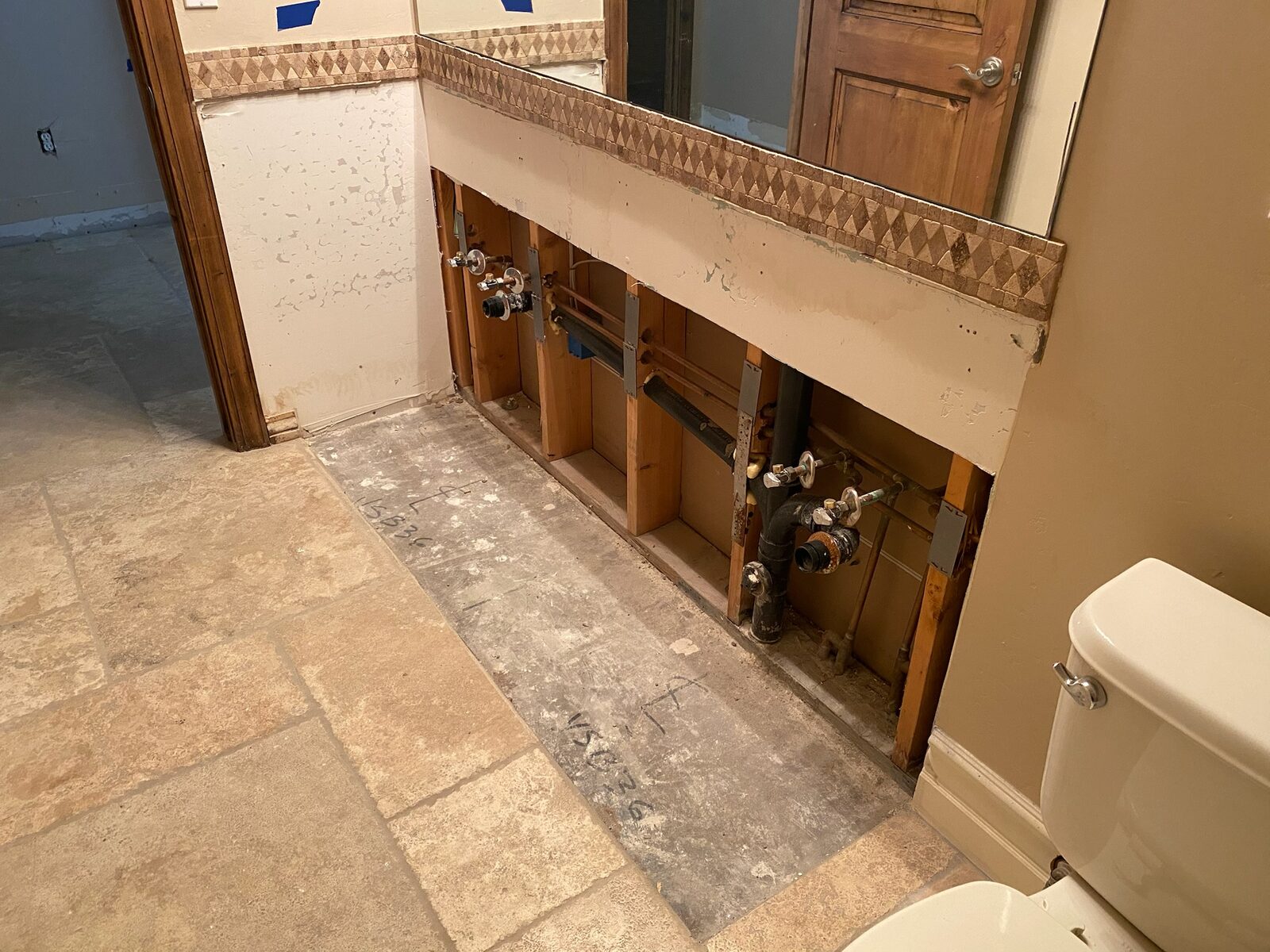
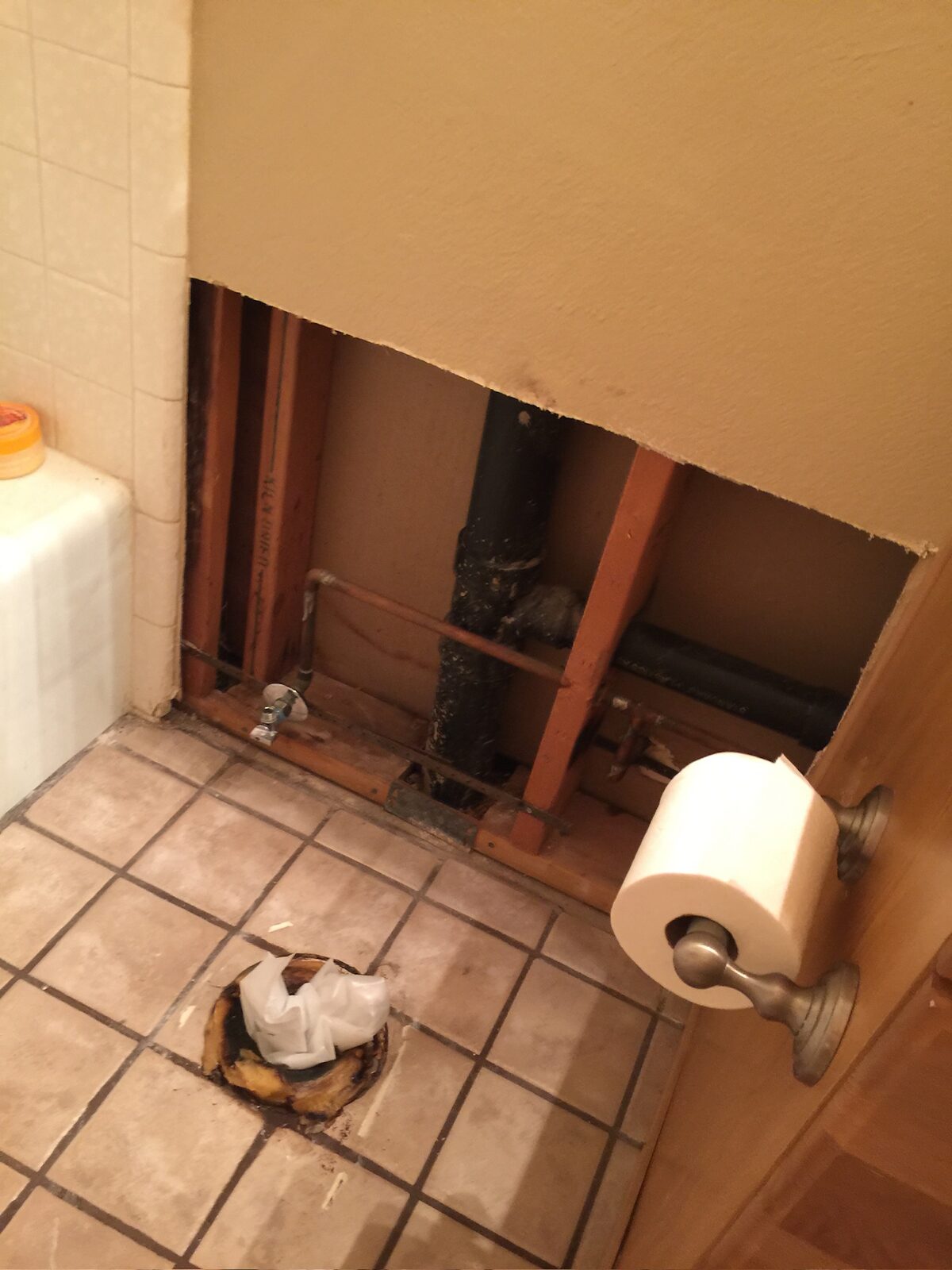
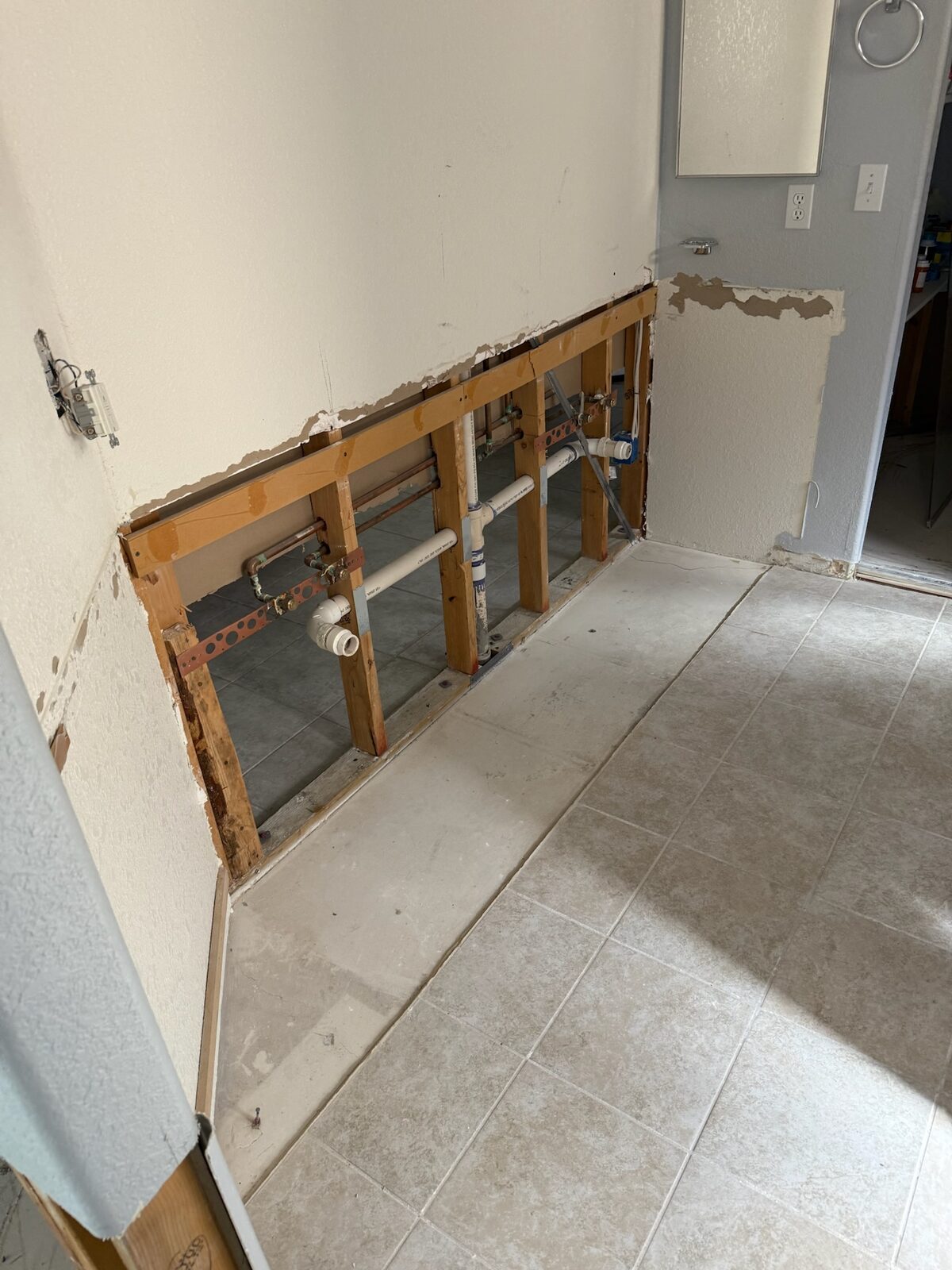
Residential reconstruction work by members of our team. See the full gallery →
More from Gold Water Fire
Fire Damage Restoration in Apache Junction, AZ
Fire and smoke damage restoration for Apache Junction homes, from board-up and soot cleanup through rebuild. Gold Water Fire, AZ ROC #264344. Call (480) 999-3339.
Reconstruction & Rebuild in Apache Junction, AZ
Rebuilding a damaged Apache Junction home after water or fire: framing, drywall, stucco, cabinets and flooring put back by Gold Water Fire. Call (480) 999-3339.
Water Damage Restoration in Apache Junction, AZ
Water damage restoration for Apache Junction homes, from slab leaks and monsoon flooding to failed water heaters. Call Gold Water Fire at (480) 999-3339.
Talk to someone about your Phoenix fire damage
Call (480) 999-3339 or email Help@goldwaterfire.com and tell us what happened. We will walk you through what needs to happen first, what your insurance carrier will need, and what the path back to a finished home looks like. You can also reach us through our contact page at /contact.html.
Call (480) 999-3339Fire Damage Restoration · Water Damage Restoration · Reconstruction & Rebuild · About Gold Water Fire · Contact Us