
Reconstruction & Rebuild in Gilbert, AZ
The drying equipment is gone, the fans have stopped, and now you are standing in a house with the baseboards pulled off, drywall cut at the two-foot line, and half a kitchen. Someone told you the "mitigation phase" is complete, which is technically true and does not feel like progress. You have an adjuster asking for a scope, a contractor who has not called back, and a family living around plastic sheeting in a house that was fine two weeks ago. That gap between damage stopped and home restored is where most people start losing sleep, and it is not because you did anything wrong.
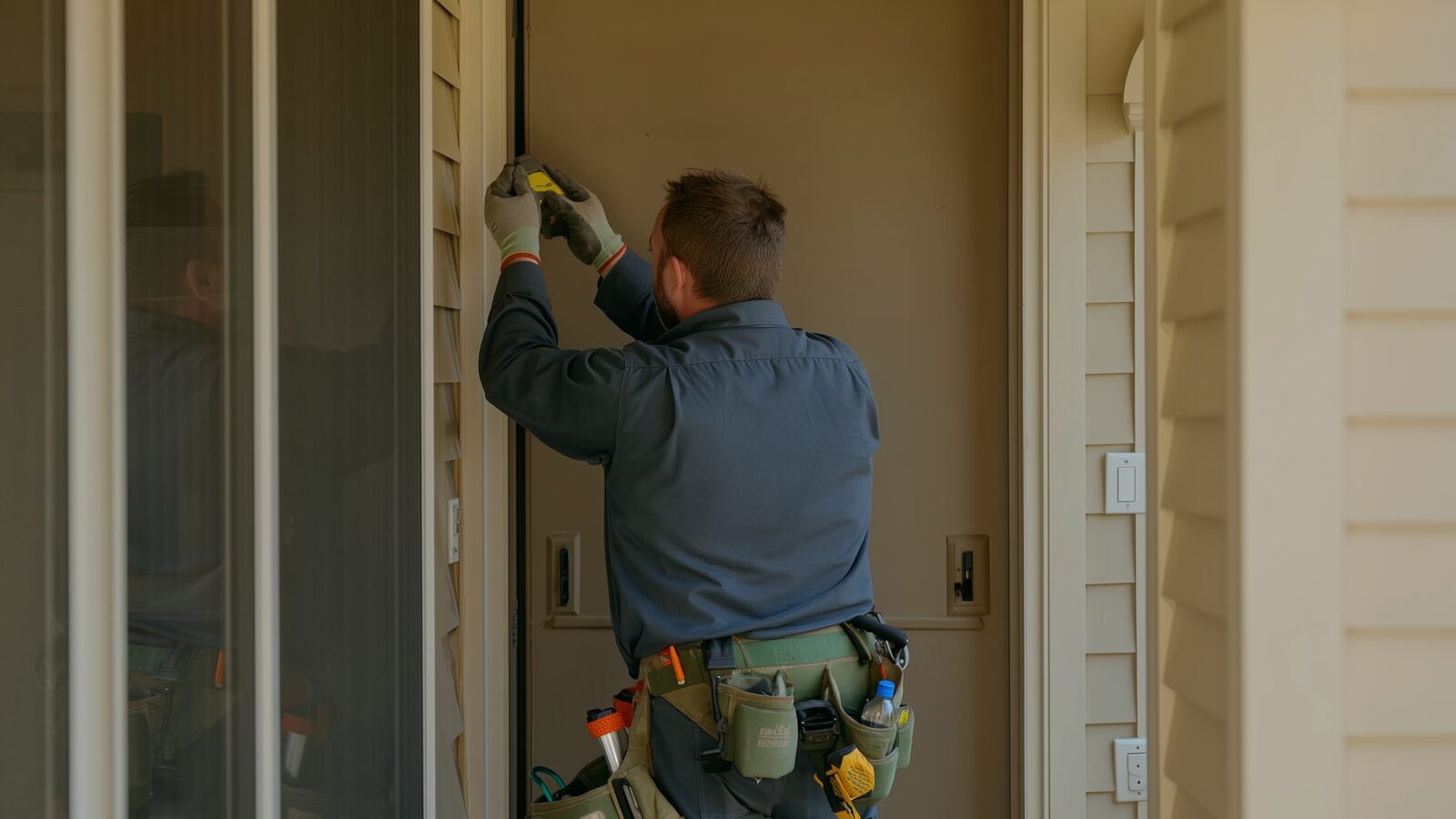
Reconstruction & Rebuild in Gilbert, AZ
What rebuilding a Gilbert house actually involves
Gilbert grew fast, and the rebuild details follow the decade a house was built in. The big subdivisions that filled in from the late 1990s through the mid 2000s (Val Vista Lakes, Islands, Seville, Power Ranch, Layton Lakes, Higley Groves) are largely two story wood frame with slab on grade, engineered truss roofs, and interiors that lean heavily on builder-grade materials selected in volume. That matters at rebuild time because the exact tile, the exact cabinet door profile, and the exact 4-inch bullnose edge were often builder-exclusive runs that are no longer stocked. Matching becomes a real task rather than a line item, and on an open-concept floor plan a tile that is close but not correct reads as wrong across the whole first floor. Older Gilbert, the ranch and block homes near the Heritage District and along the historic townsite grid off Gilbert Road, is a different problem. Those houses often have painted CMU walls, low-slope built-up or foam roofs, and cast iron or early ABS drain lines. When water damage hits there, the repair reaches into structure and plumbing, not just finish. And on the far east and south edges toward Queen Creek and the Higley corridor, newer construction on expansive clay soils means slab movement is already part of the conversation, so a slab leak repair has to be closed out with an eye on how the floor sits, not just whether the pipe stopped leaking.
Why so many Gilbert rebuilds start in July and January
Two seasons drive most of the interior damage that turns into reconstruction here. Monsoon season, roughly July through September, brings microbursts with wind that lifts tile and drives rain sideways under it, plus dust storms that pack soil into scuppers and roof drains on flat-roofed sections. The rain that follows has nowhere to go, so it backs up and finds the ceiling. Gilbert also sits in a flat, engineered drainage grid with retention basins in nearly every subdivision, which handles volume well until a basin fills and the overflow path runs across a yard toward a garage that sits at grade. The second wave is winter. Cold snaps in December and January freeze the exposed copper or PEX serving hose bibs, pool equipment, soft water loops, and the water heaters that many Gilbert builders placed in unconditioned garages or second-floor closets. A second-story supply line failure is the worst version of this, because water travels down through the ceiling, the wall cavity, and the ground-floor flooring before anyone hears it. The mitigation is straightforward. The rebuild afterward is two floors of finish work in one house.
Monsoon roof entry
Wind-lifted tile and blocked scuppers push water into ceilings and the top of exterior walls. Rebuild usually means drywall, insulation, ceiling texture, and paint that has to blend into existing surfaces.
Second-floor supply failure
A failed line upstairs damages the floor it is on and the ceiling below. Flooring, drywall, cabinets, and trim across two levels typically have to be sequenced in the right order.
Slab leak on clay soil
Repairing the pipe means opening the slab. Closing it out means patching concrete, resetting flooring, and rebuilding whatever cabinetry or wall sat over the trench.
Kitchen and garage fires
Smoke does not stay in one room. Rebuild scope often includes sealing framing, replacing insulation, and refinishing surfaces well beyond where the flames reached.
The part that makes trusting this to someone else reasonable
Reconstruction is a different trade from drying a house out. It needs a scope an adjuster can read, permits where the Town of Gilbert requires them, and licensed trades scheduled in an order that does not force rework. Doing it yourself usually means acting as your own general contractor at the worst possible time, chasing a framer, an electrician, a drywall crew, a tile setter, a painter, and a cabinet shop, and absorbing every delay personally. At Gold Water Fire, Brandon Gurr is our Construction Manager and leads reconstruction and rebuild work, and Johnny is our Reconstruction Team Lead. Kristine handles the office side, and Brooke handles water and mitigation scheduling, so the same company that stabilized the house carries it through to finished. We hold AZ ROC license #264344, KB-2, and we work the full Phoenix metro from our Chandler shop at 221 E Willis Rd Ste 8, which puts Gilbert a short drive away. If mitigation has not happened yet, start with water damage restoration or fire damage restoration, and see the full scope of our reconstruction and rebuild work or read about our team.
Questions people ask us
Do I need a permit to rebuild after damage in Gilbert?
It depends on the scope. Replacing drywall, flooring, paint, and trim in kind generally does not require a permit, while structural framing changes, electrical or plumbing rerouting, and re-roofing typically do. The Town of Gilbert building safety division makes that call, and a licensed contractor should pull and manage the permits rather than leaving it to you.
My insurance scope does not cover what I think the rebuild needs. What now?
That is common, because the first scope is often written before anything is opened up. Hidden damage behind drywall, in wall cavities, or under flooring is usually documented as a supplement with photos, measurements, and line-item detail, then submitted to the adjuster. Keep every piece of documentation from the mitigation phase, including moisture readings and photos, because it supports the supplement.
Can you match tile and cabinets from a 2003 Gilbert subdivision?
Discontinued builder-grade materials are one of the hardest parts of any rebuild in these neighborhoods. Options usually include sourcing overstock, pulling material from a low-visibility area like a closet or pantry to patch a visible space, or replacing a full continuous run so the transition falls at a natural break instead of mid-room. We will walk you through the tradeoffs before anything is ordered.
Which parts of the Phoenix area do you serve besides Gilbert?
We cover the full Phoenix metro area, roughly northwest to Peoria, southeast to Avondale, southwest to San Tan Valley, northwest to Apache Junction, and outlying areas further than that. That includes Mesa, Chandler, Queen Creek, Tempe, Scottsdale, and Phoenix itself.
The standard our team works to
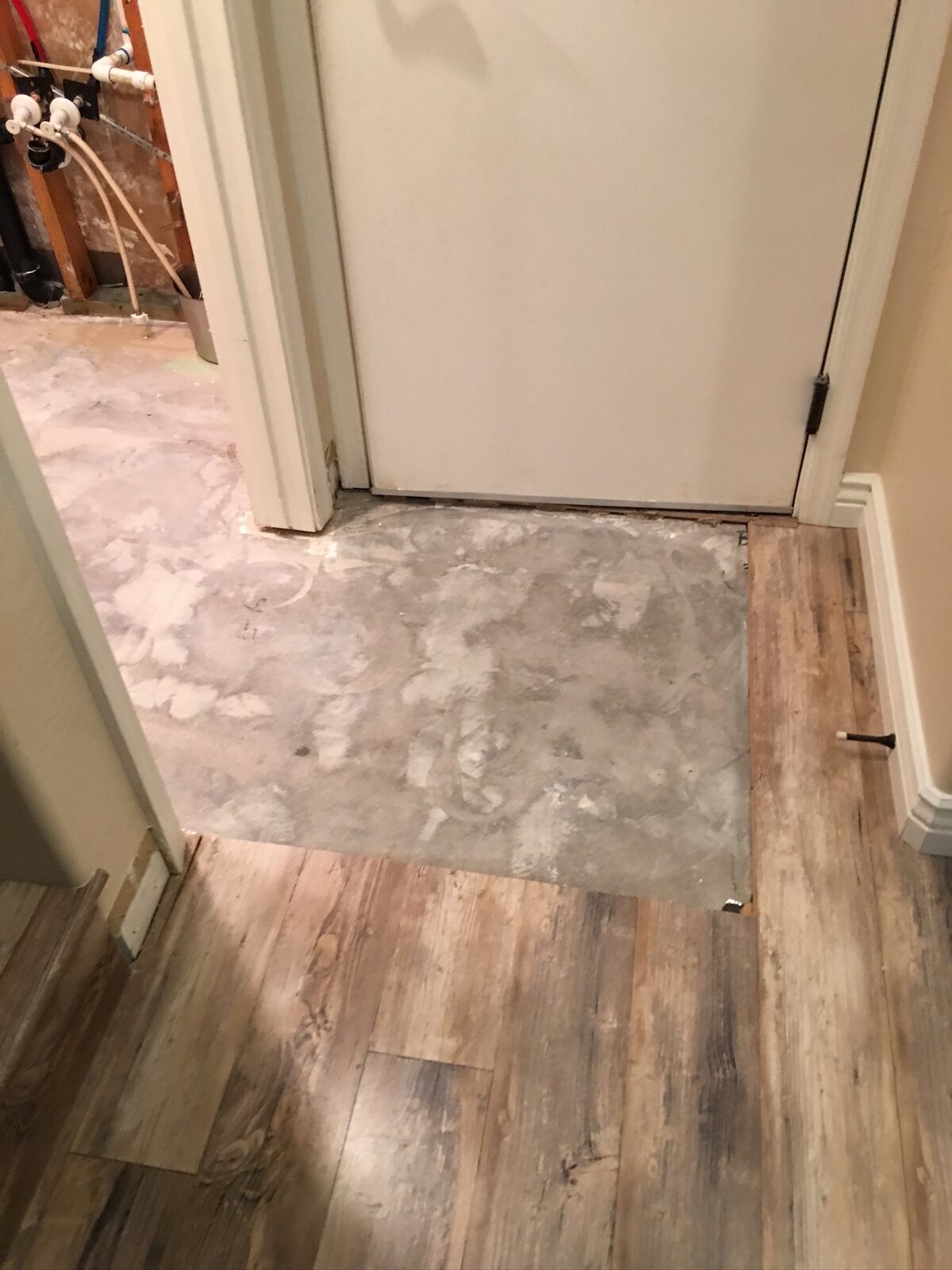
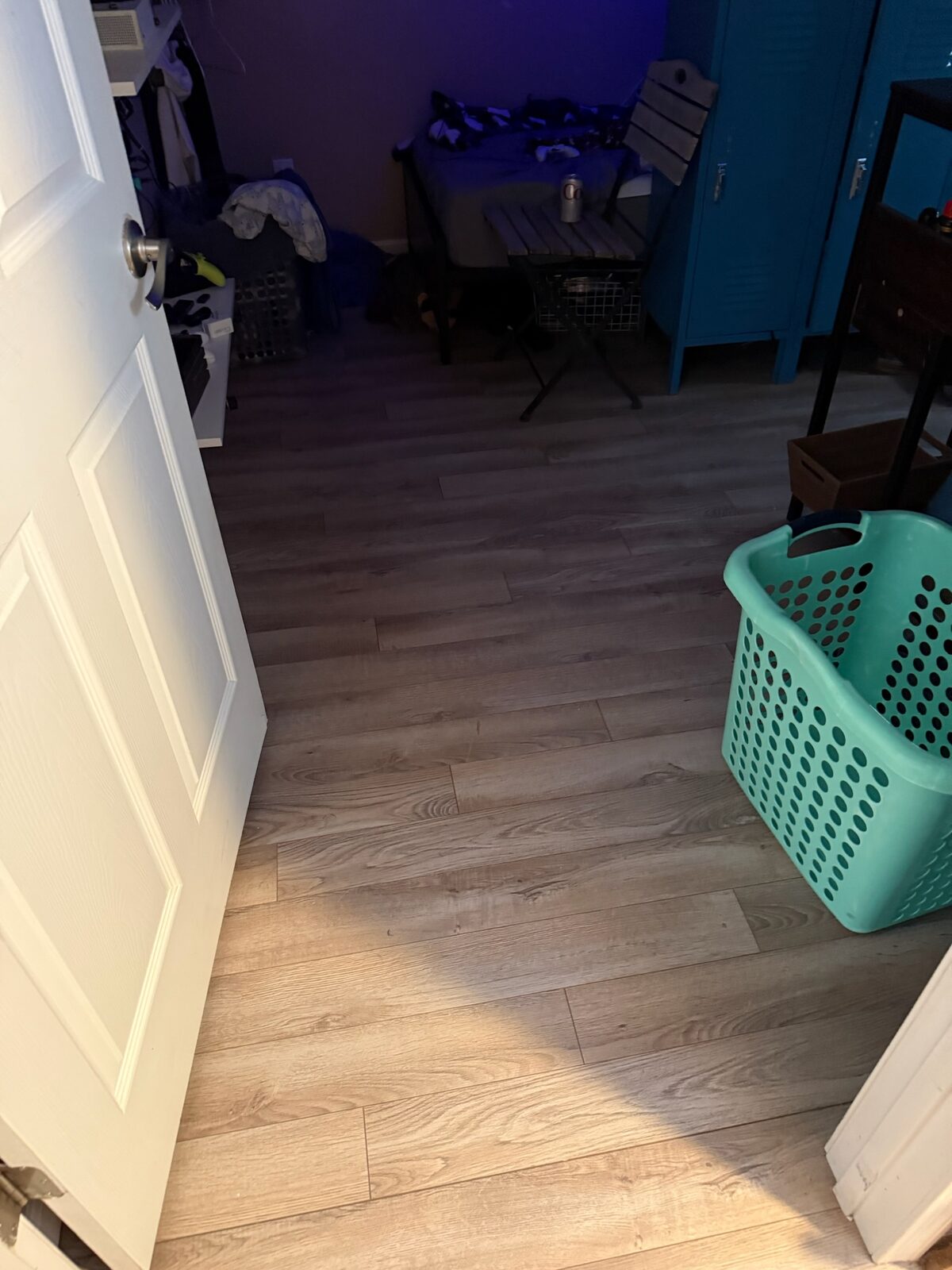
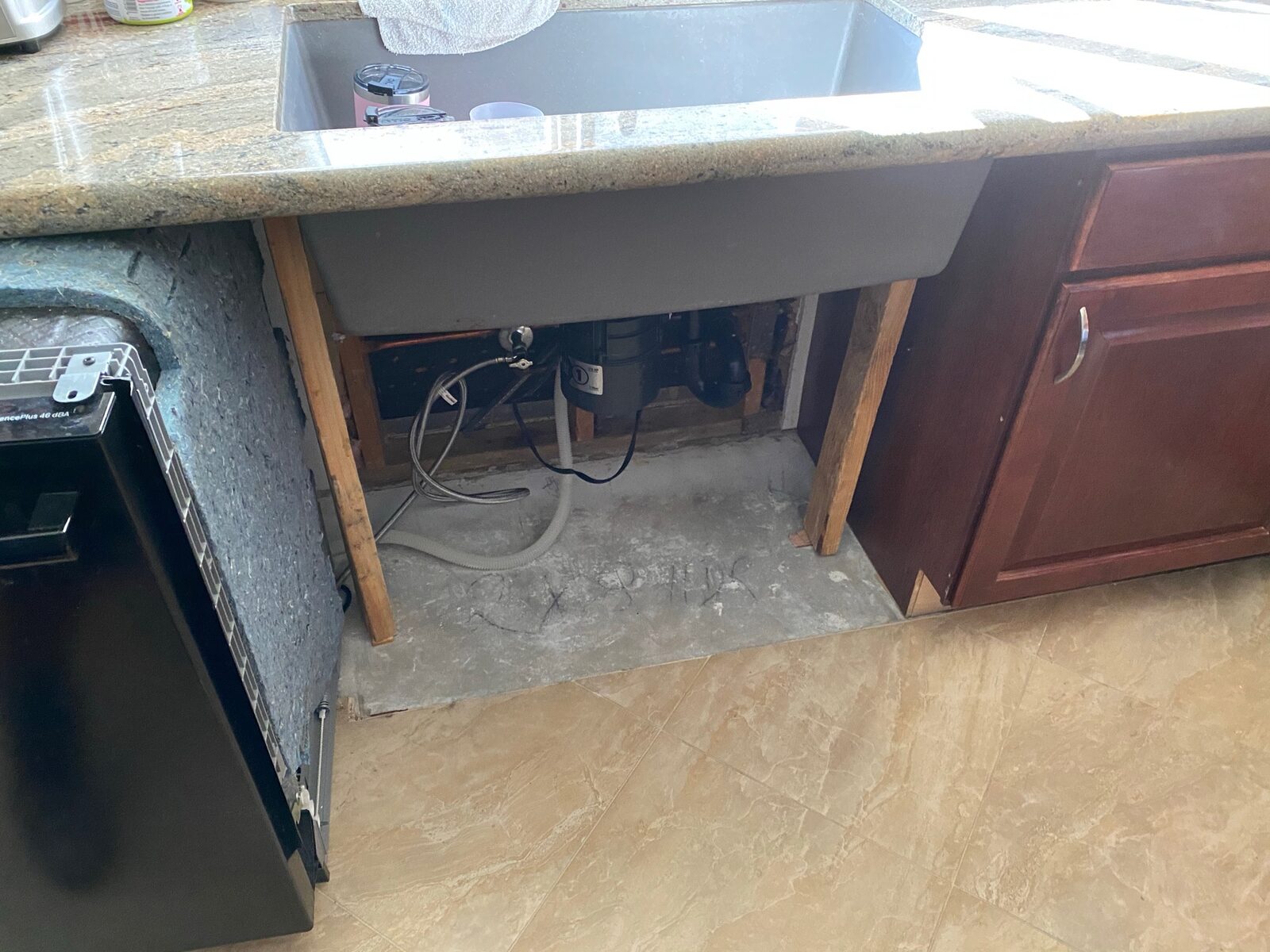
Residential reconstruction work by members of our team. See the full gallery →
More from Gold Water Fire
Fire Damage Restoration in Apache Junction, AZ
Fire and smoke damage restoration for Apache Junction homes, from board-up and soot cleanup through rebuild. Gold Water Fire, AZ ROC #264344. Call (480) 999-3339.
Reconstruction & Rebuild in Apache Junction, AZ
Rebuilding a damaged Apache Junction home after water or fire: framing, drywall, stucco, cabinets and flooring put back by Gold Water Fire. Call (480) 999-3339.
Water Damage Restoration in Apache Junction, AZ
Water damage restoration for Apache Junction homes, from slab leaks and monsoon flooding to failed water heaters. Call Gold Water Fire at (480) 999-3339.
Let someone else carry the rebuild from here
Tell us what happened and what the house looks like right now, and we will walk the scope with you before you commit to anything. Call (480) 999-3339 or email Help@goldwaterfire.com.
Call (480) 999-3339Reconstruction & Rebuild · Water Damage Restoration · Fire Damage Restoration · About Gold Water Fire · Contact Us