
Fire Damage Restoration in Tolleson, Arizona
The fire is out, the trucks are gone, and now the house is quiet in a way it has never been. You have probably already walked through it once with a flashlight, moved a few things, opened windows, and realized the smell follows you out to the car. Somewhere in the middle of calling the insurance company and figuring out where everyone is sleeping tonight, you are also being asked to make decisions about drywall and framing that nobody should have to make on a day like this. That is a lot to carry at once, and it is normal to be standing there unsure which problem to touch first.
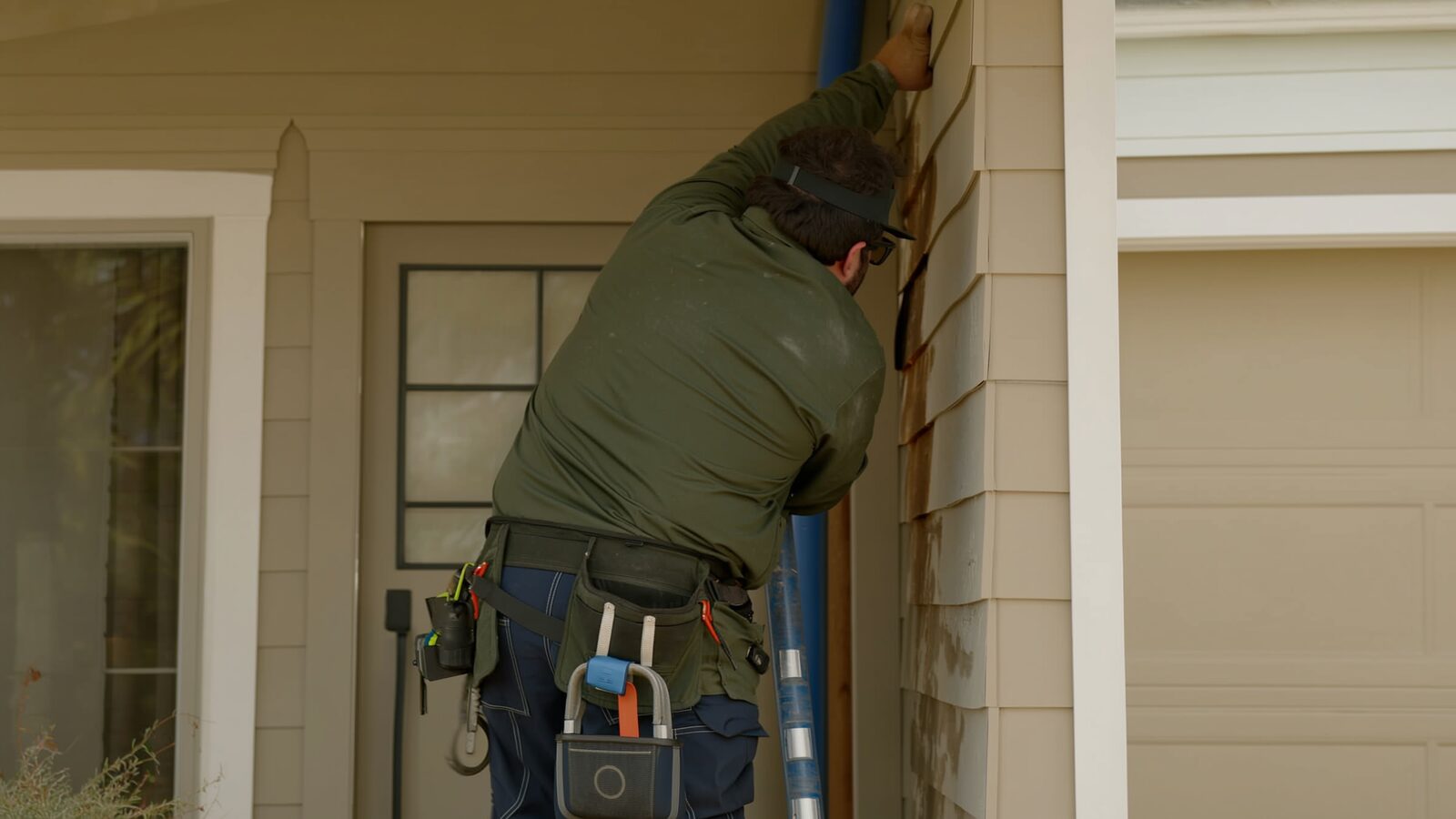
Fire Damage Restoration in Tolleson, Arizona
What fire damage tends to look like in Tolleson houses
Tolleson is an older West Valley town wrapped around the rail line and 91st Avenue, and its housing tells that story. There are small post-war and mid-century blocks near downtown and the school district campuses, a run of 1970s and 1980s ranch homes, and then newer subdivisions built out toward Riverside and the 10 during the 1990s and 2000s boom. Each era fails differently in a fire. In the older stock you often find original single-pane aluminum windows that crack and drop out under heat, lath or thin drywall over 2x4 framing, cellulose or older batt insulation in the attic that holds smoke odor like a sponge, and cloth or early plastic-sheathed branch wiring that has to be inspected rather than assumed good. Homes from the newer tracts have engineered roof trusses with metal plate connectors, and heat that never touched the shingles can still weaken those plates from the attic side, which is why a roof that looks fine from the street is not proof of anything. The other Tolleson-specific factor is what is around the houses. This is a town with produce cooling and distribution facilities, industrial yards, and truck traffic close to residential streets, so garages and side yards here are commonly used as real workshops and storage: paint, thinners, pool chemicals, fuel cans for landscaping equipment, spare tires. When those burn, the smoke is not clean wood smoke. It is loaded with soot that is oily and acidic, and it moves through the shared wall into the house and up into the attic. That changes the cleanup from wiping surfaces to neutralizing and sealing.
Why the timing of the year matters out here
Fire risk in the West Valley follows the calendar in ways that are easy to trace. Late spring through the summer, air conditioning runs nearly nonstop, which loads older 100-amp and early 150-amp panels and any aging aluminum or undersized branch circuits for months at a time. Attic temperatures over a Tolleson roof can push far past what the wire insulation and old fixture cans were rated for when they were installed, and failures show up at splices, at recessed lights buried under blown insulation, and at overworked condenser disconnects. Monsoon season brings the second pattern. Lightning and grid surges take out surge-sensitive equipment, and the outages that follow send people to generators, extension cords, and candles. Generators run too close to the house or in a garage are a recurring cause of both fire and carbon monoxide calls across the Phoenix metro. Then in winter, the risk moves indoors: space heaters on old two-prong outlets, fireplaces used a handful of nights a year without a sweep, and holiday cooking. Blowing dust from the surrounding farm fields and open lots also matters here more than in central Phoenix, because dust settles into furnace and air handler compartments and on heating elements, and it gives smoke residue extra grit to bond to after a fire.
What actually has to happen, in order
Fire restoration is sequential, and skipping ahead is where homeowners lose money. First comes making the structure safe and stable: power and gas verified off where needed, board-up or tarping so the next monsoon cell does not add water damage to a fire loss, and a walk to identify anything structurally compromised. Second is water. Suppression water and a hole in the roof mean saturated drywall, insulation, and flooring, and in Arizona heat that becomes a microbial problem in a matter of days, which is why fire jobs so often overlap with water damage restoration from day one. Third is inventory and separation of contents: what is salvageable, what needs off-site cleaning, what is a documented loss for the claim. Fourth is removal of the materials that cannot be cleaned, because porous items that absorbed smoke will keep releasing odor no matter what is sprayed on them. Fifth is cleaning of what stays, which for soot means dry methods before wet ones so the residue is lifted rather than smeared, plus attention to HVAC ducts, the coil, and the attic where smoke traveled. Sixth is odor: hard surfaces cleaned and, where framing was affected, sealed with a product designed to lock in residual odor. Only then does rebuild make sense. You can read more about how the fire damage restoration and reconstruction and rebuild phases connect.
Why handing this specific part off is reasonable
You know your house. You do not have to know how to argue a scope line with an adjuster, or how to tell whether the smoke in the hallway closet is a cleaning problem or a demolition problem. That is a narrow, learnable trade, and it is what Gold Water Fire does. Gold Water Fire is licensed in Arizona under ROC #264344, KB-2, which is a general residential license, so the same company that does the cleanup can also put the house back together. Brandon Gurr, our Construction Manager, leads the reconstruction side and came to us from Gurr Brothers Construction, and Johnny is our Reconstruction Team Lead. Brooke handles water and mitigation scheduling, and Kristine in the office is who you will talk to about paperwork. Co-founders Jim Bennett and Jake Taylor built the company so those two halves, mitigation and rebuild, do not get handed between strangers halfway through your claim. We serve the full Phoenix metro area, from Peoria in the northwest across to Avondale and Tolleson, out to San Tan Valley and Apache Junction, and areas beyond that. More about the team is on our about page.
Questions people ask us
Should I go back in and start cleaning the smoke myself?
Wiping soot with a wet cloth or household cleaner usually pushes it deeper into paint, grout, and porous surfaces, which makes the professional cleaning harder and sometimes turns a cleanable wall into a replacement. It is also worth knowing that soot from burned plastics, paint, and stored chemicals is not something to breathe while sorting through a room. Take photos, remove anything you need for the next few days if it is safe to enter, and hold off on cleaning until the scope is documented for your claim.
My roof looks fine from the street. Does that mean the structure is okay?
Not necessarily. In homes with engineered roof trusses, common in the newer Tolleson subdivisions, heat inside the attic can weaken the metal connector plates without leaving obvious damage on the shingles. In older homes near downtown Tolleson, framing members and old wiring above the ceiling also need to be looked at directly. A visual check from the yard is not enough either way.
Why is there water damage when the fire was small?
Suppression water goes wherever it can, down wall cavities, under flooring, into the ceiling below. Combine that with an opened roof or broken windows and a monsoon storm, and a limited fire becomes a whole-house moisture problem. Drying has to start early, which is why fire and water work usually run together on the same job.
Do you handle the rebuild, or just the cleanup?
Both. Gold Water Fire holds AZ ROC #264344, KB-2, and our reconstruction work is led by Construction Manager Brandon Gurr with Johnny as Reconstruction Team Lead, so cleanup, odor control, and putting the house back together stay with one company.
The standard our team works to
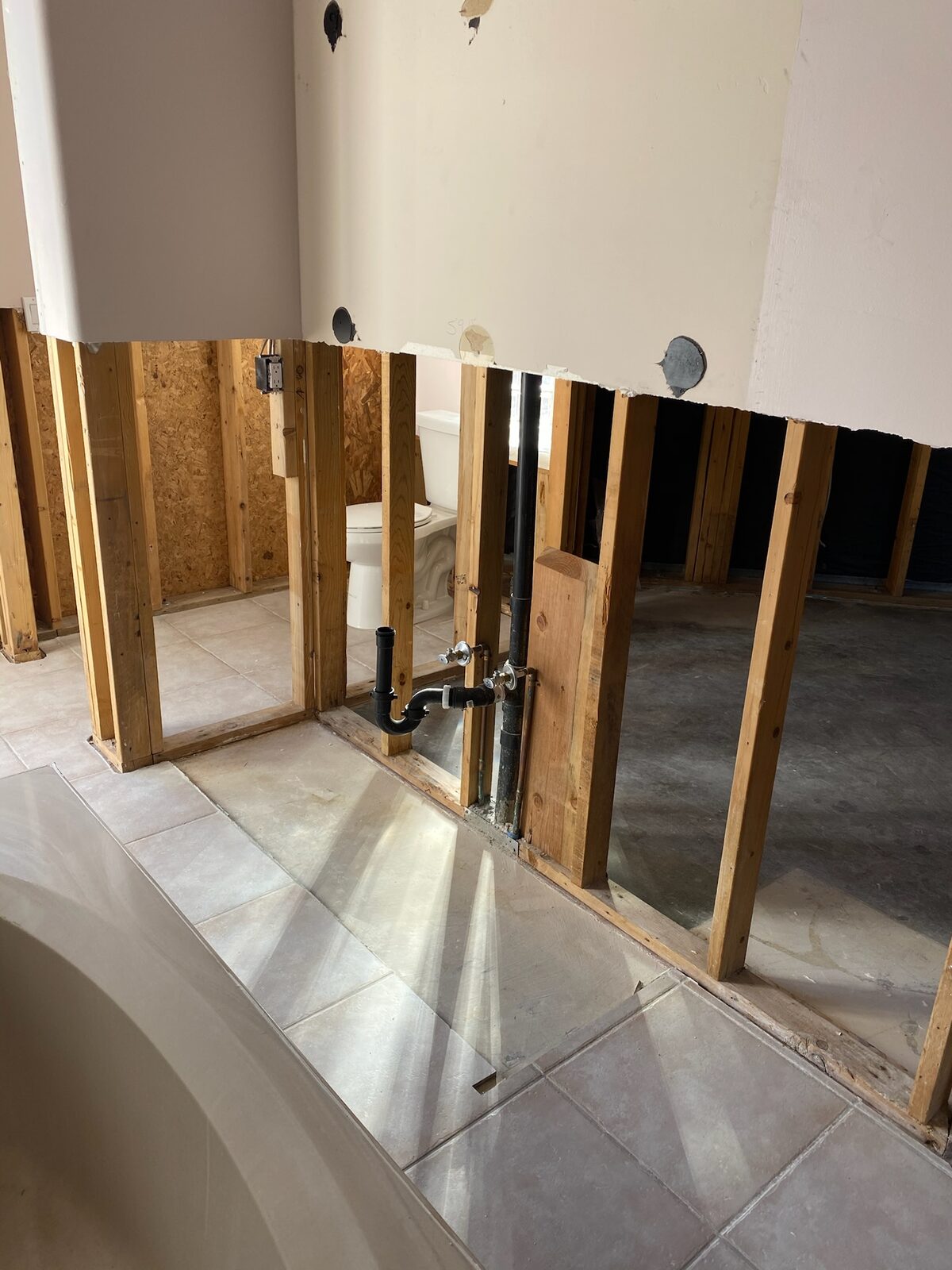
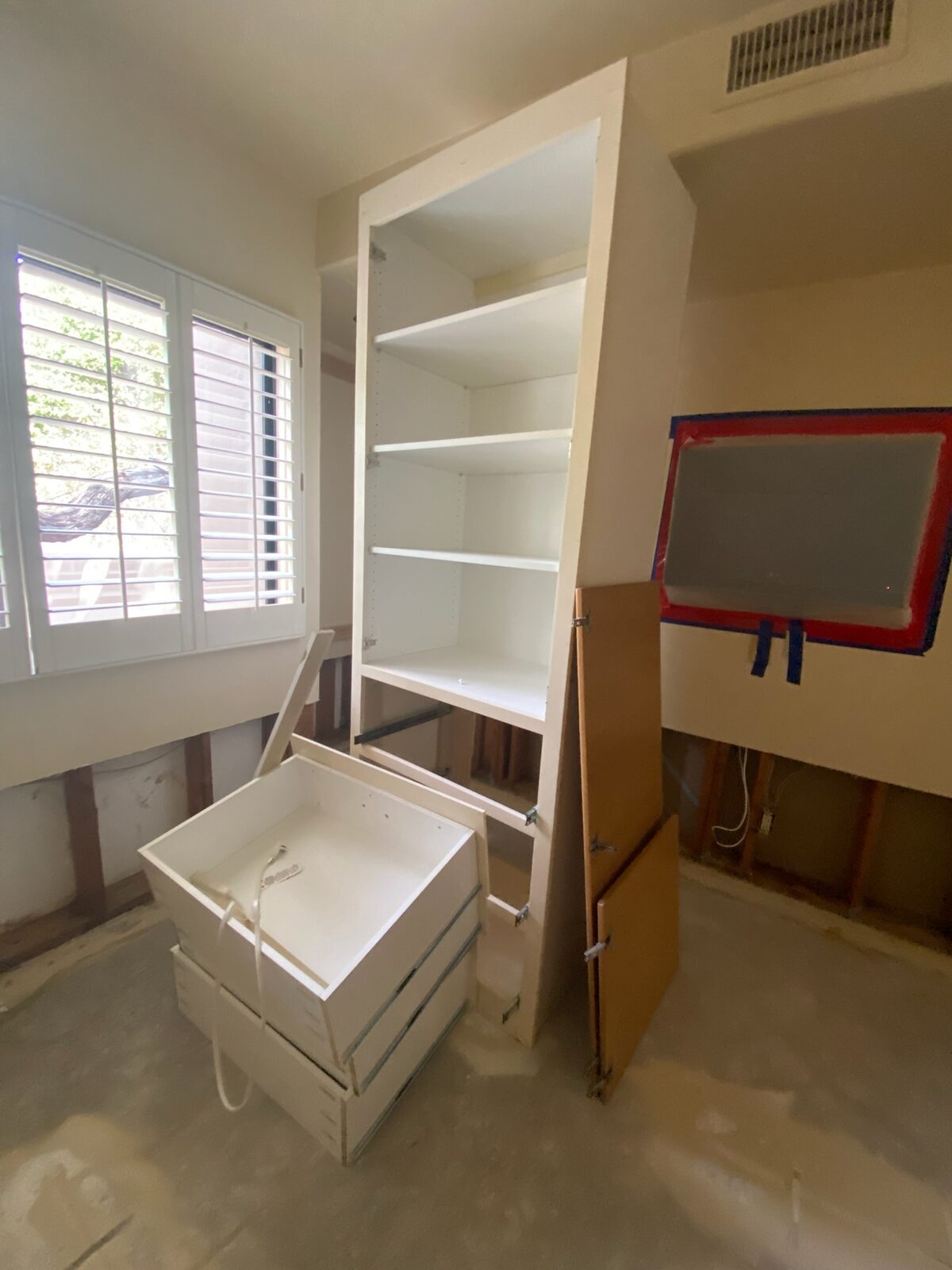
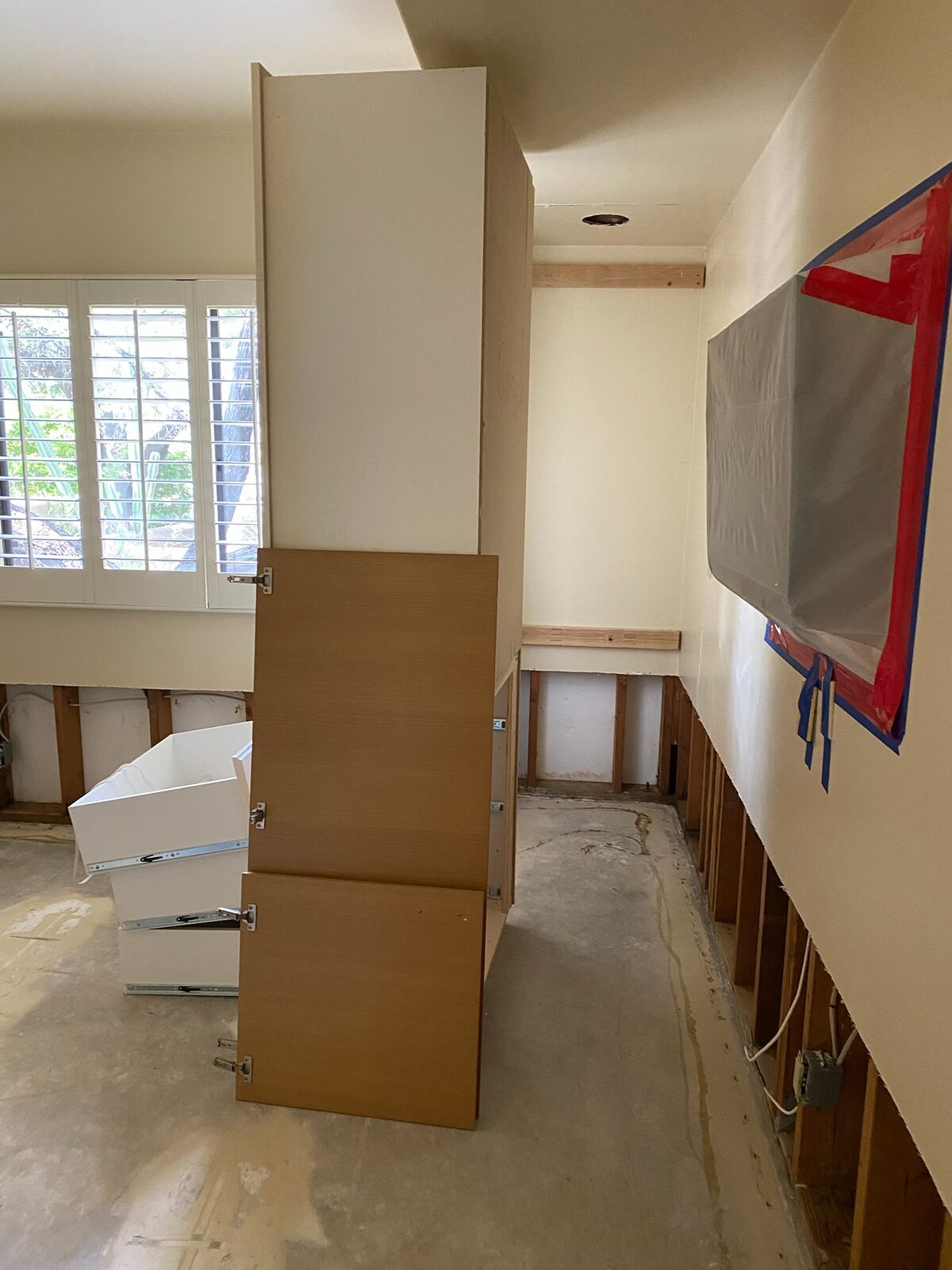
Residential reconstruction work by members of our team. See the full gallery →
More from Gold Water Fire
Fire Damage Restoration in Apache Junction, AZ
Fire and smoke damage restoration for Apache Junction homes, from board-up and soot cleanup through rebuild. Gold Water Fire, AZ ROC #264344. Call (480) 999-3339.
Reconstruction & Rebuild in Apache Junction, AZ
Rebuilding a damaged Apache Junction home after water or fire: framing, drywall, stucco, cabinets and flooring put back by Gold Water Fire. Call (480) 999-3339.
Water Damage Restoration in Apache Junction, AZ
Water damage restoration for Apache Junction homes, from slab leaks and monsoon flooding to failed water heaters. Call Gold Water Fire at (480) 999-3339.
Call us and let this be someone else's problem to sort out
Tell us what happened and what the house looks like right now. We will walk you through what needs to happen first, in plain language, and we can start the safety and drying work while the claim gets moving. Call (480) 999-3339 or email Help@goldwaterfire.com, or send the details through our contact page. Gold Water Fire, 221 E Willis Rd Ste 8, Chandler, AZ 85286. AZ ROC #264344, KB-2.
Call (480) 999-3339Fire Damage Restoration · Water Damage Restoration · Reconstruction & Rebuild · About Gold Water Fire · Contact Us