
Fire Damage Restoration in Tempe, AZ
The fire is out, and now the house is quiet in a way it has never been. Maybe the damage is one room and a black stain up the wall, or maybe the whole place smells like it and you cannot tell what is ruined and what just needs washing. You have been the one making calls, moving what you can carry, deciding what to throw away in a driveway in Tempe while the adjuster asks for photos. Nobody trained you for this, and you have been doing it anyway.
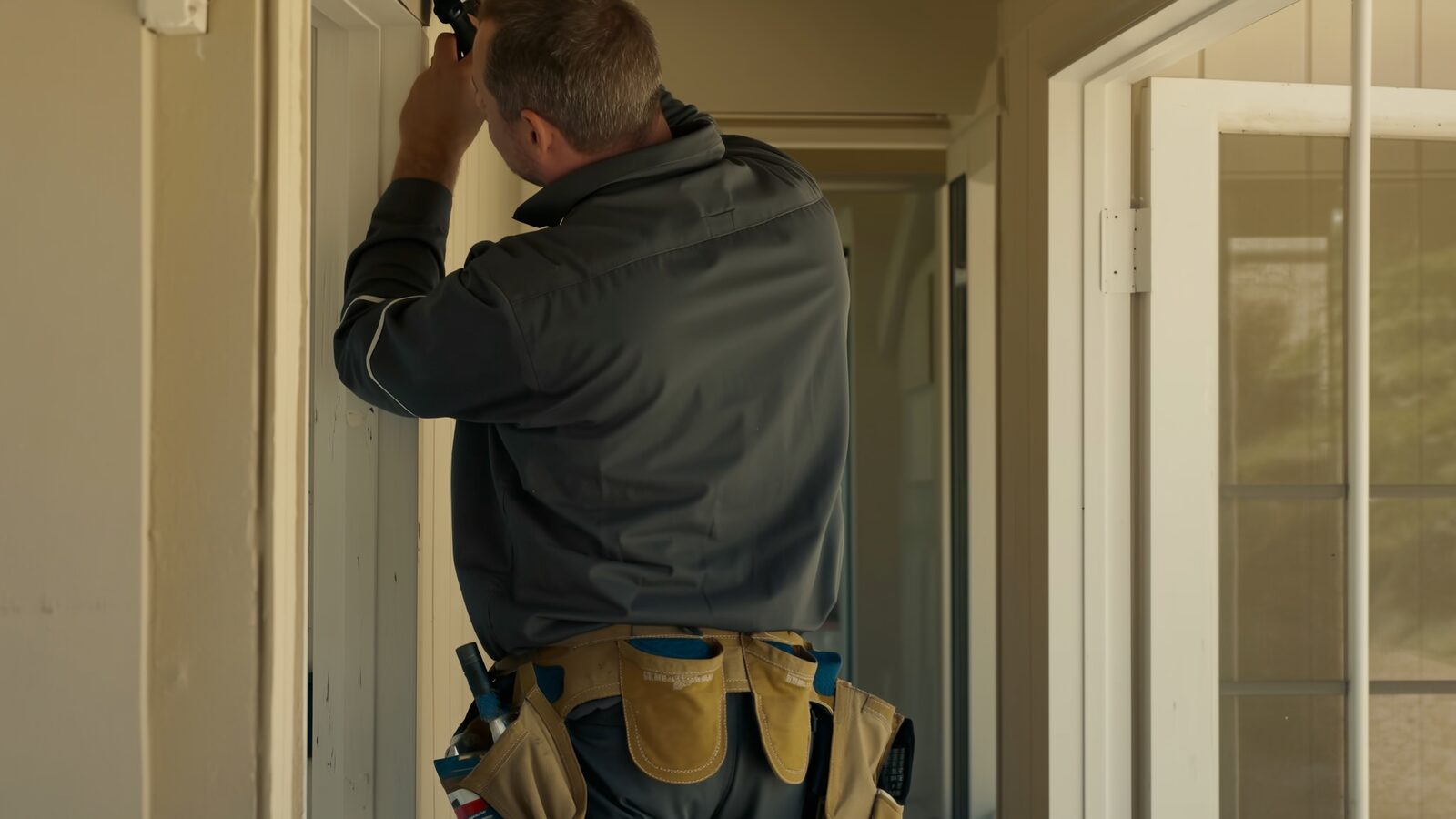
Fire Damage Restoration in Tempe, AZ
Why Tempe fires behave the way they do
Tempe is largely built out, and much of its housing stock dates to the postwar and 1960s-1970s boom that filled in around Arizona State: single-story block and wood-frame ranch homes with flat or low-slope roofs, original wood-frame windows in some, and attic spaces that were insulated and re-insulated over decades. Two things about that matter after a fire. First, low-slope roofs with a single attic plenum let smoke travel the length of the house, so soot shows up in a bedroom that never saw flame. Second, older homes here have often been remodeled more than once, which means layered flooring, added-on wiring, and cavities where smoke residue hides behind newer finishes. Tempe also has a dense stock of student and investor-owned rentals, duplexes, and older apartment courts near ASU and along Apache Boulevard and Mill. Shared attics and party walls in those buildings mean a kitchen fire in one unit routinely leaves smoke odor and water from suppression in the units beside and above it. And in a valley where summer highs sit above 110 degrees, a fire-damaged home loses its cooling fast: with power off and windows out, indoor temperatures climb, and heat accelerates the way soot and its acids bind into drywall paint, aluminum window frames, and appliance finishes.
The patterns we see across the year here
Fire risk in Tempe follows the calendar in ways that are pretty specific to the Valley. Late spring through September, air conditioning and pool equipment run nearly nonstop, and that continuous load is hard on older panels, aluminum branch wiring, and undersized circuits in homes wired decades ago. Monsoon storms from roughly June through September bring lightning and hard voltage swings, plus roof leaks that get into fixtures and attic junctions. Months later, the cool season brings its own list: patio fire pits and chimneys used a few nights a year without being swept, portable space heaters on extension cords, holiday cooking, and the dry brush along the Salt River bottom, Tempe Town Lake banks, and canal easements that carries a grass fire toward a fence line faster than people expect. Dust storms and wind also drop debris on flat roofs and into rooftop package units, where it can smolder.
From the first walkthrough to a finished room
Fire restoration is really several jobs stacked together, and knowing the order helps you follow what any contractor tells you. It generally starts with making the structure safe and closed: board-up, roof tarping, and confirming utilities are off, because an open house in Tempe invites weather, dust, and trespass. Then the water gets handled, since suppression water is part of nearly every fire loss and can start growing mold in a hot house within a couple of days, which is why water damage work often runs alongside fire cleanup. Next comes removing what cannot be saved, charred framing, melted insulation, saturated carpet pad, so odor has nothing left to feed on. Soot itself is not one substance: protein residue from a stovetop fire is thin, greasy, and stubborn, while burned plastics and synthetics leave an acidic film that etches glass, chrome, and aluminum if it sits. That is why cleaning methods change room by room. Odor is then treated at the source with cleaning, sealing of raw framing, and air treatment, rather than covered up. Only after that does rebuilding make sense: drywall, texture matched to a 1960s home rather than a modern one, paint, cabinets, flooring, and trim. You can read how we approach fire damage restoration and the reconstruction and rebuild side of it.
Documentation for your claim
Photos, moisture and material notes, and a written scope give your adjuster something concrete to work from. Keep your own list too, including anything you throw out before anyone arrives.
Contents versus structure
Clothing, upholstery, and electronics are handled differently than walls and framing. Ask early which of your belongings are being cleaned, which are being stored, and which are being listed as losses.
One contractor through the rebuild
Cleanup and reconstruction handled by the same team means the person who saw behind the drywall is the same one closing it back up. Brandon Gurr leads our reconstruction work, with Johnny as Reconstruction Team Lead.
Licensed and local
Gold Water Fire holds AZ ROC license #264344, KB-2, and works out of Chandler, a short drive from anywhere in Tempe.
Before anyone gets there
Do not sleep in the house or run the HVAC system: the ducts likely carry soot and pushing air moves it into rooms that are still clean. Leave the power off in affected areas until an electrician or your restoration contractor clears it. If it is safe, open windows on a mild day for cross ventilation, but keep the house closed when it is over 100 degrees outside or when dust is blowing. Wear gloves and avoid wiping soot on walls with a dry cloth or household cleaner, since that grinds residue into the paint and makes it harder to remove later. Pull out medications, important documents, and anything irreplaceable. Write down when the fire happened, which rooms were involved, and what the fire crew told you. Then call your insurance carrier and start the claim, even if you do not yet know the extent of it. When you are ready to hand the rest of it to someone, that is a reasonable thing to do. This is a job with a sequence, and you should not have to learn that sequence during the worst week of your year. Reach us at (480) 999-3339 or Help@goldwaterfire.com, or use the contact page. More about the people who would show up is on our about page.
Questions people ask us
Do you serve all of Tempe?
Yes. Gold Water Fire covers the full Phoenix metro area, described by our owner as NW Peoria, SE Avondale, SW San Tan Valley, NW Apache Junction, and outlying areas further than that. Tempe sits well inside that, and we are based in Chandler nearby.
My house only had a small kitchen fire. Why does the smell reach the back bedrooms?
Smoke follows air movement, and it does not stop at the room of origin. In many Tempe homes built in the 1960s and 1970s, one open attic space and a central return duct connect the whole house, so residue and odor spread through ceilings and vents. That is also why running the HVAC after a fire tends to make things worse.
Will the water used to put out the fire cause more problems?
It can, especially in summer here. Warm, wet drywall, carpet pad, and insulation are good conditions for mold growth, and standing water wicks up into baseboards and framing. Fire jobs usually include drying and water mitigation as part of the same project.
Can you handle the rebuild too, or just the cleanup?
Both. We do cleanup and mitigation, then reconstruction: drywall, texture, paint, cabinets, flooring, and trim. Brandon Gurr, our Construction Manager, leads the rebuild side. We hold AZ ROC license #264344, KB-2.
The standard our team works to
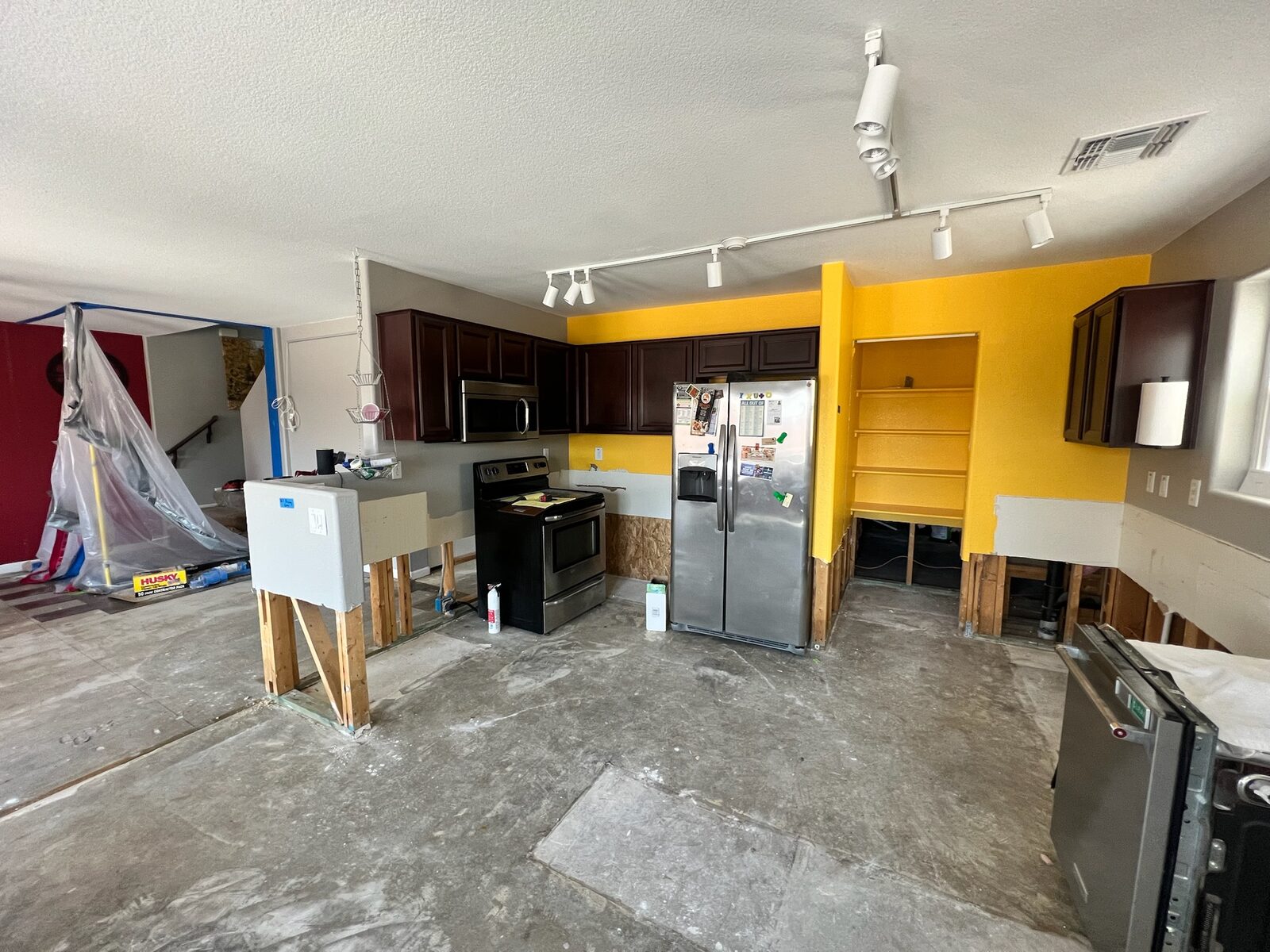
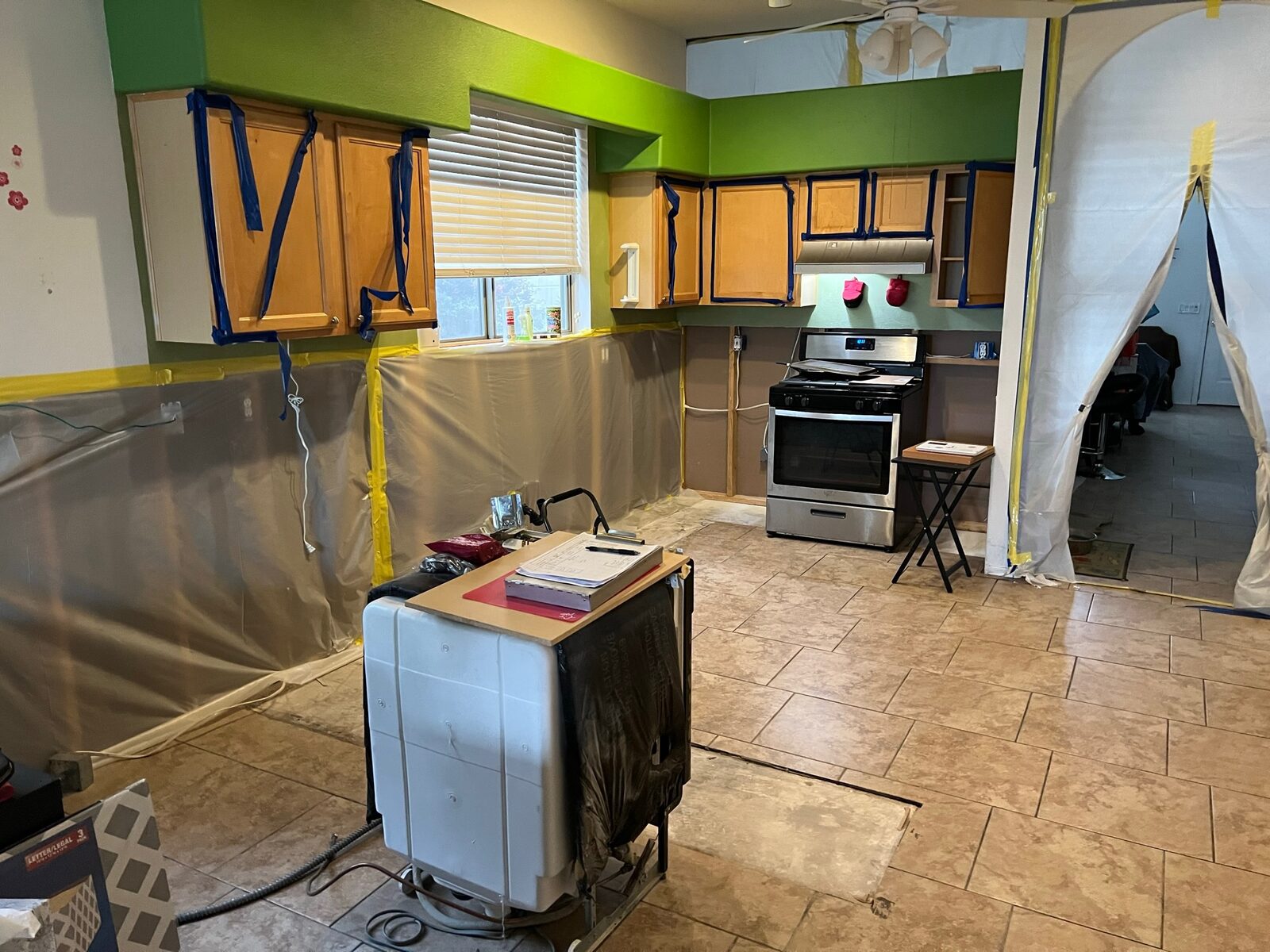
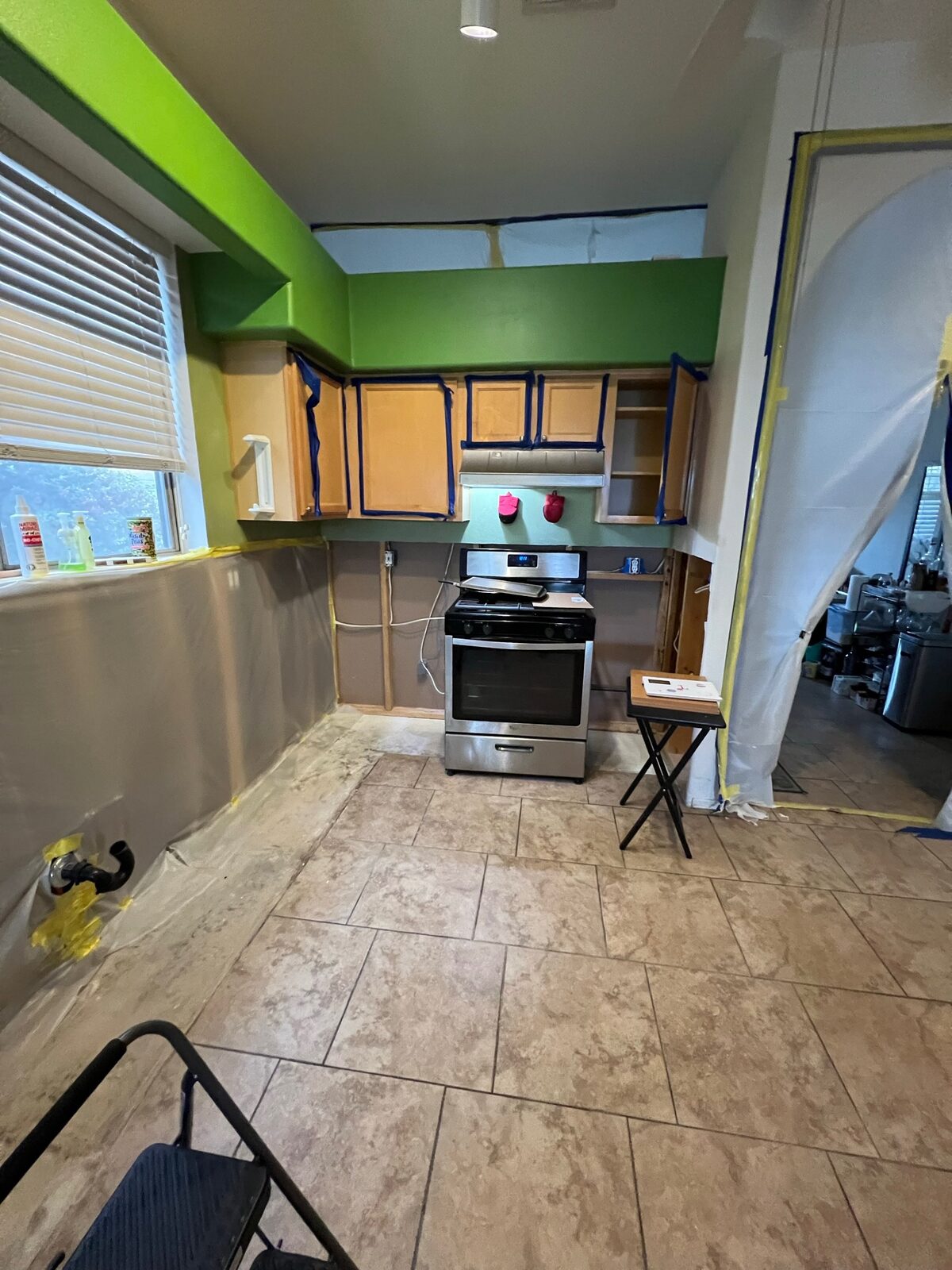
Residential reconstruction work by members of our team. See the full gallery →
More from Gold Water Fire
Fire Damage Restoration in Apache Junction, AZ
Fire and smoke damage restoration for Apache Junction homes, from board-up and soot cleanup through rebuild. Gold Water Fire, AZ ROC #264344. Call (480) 999-3339.
Reconstruction & Rebuild in Apache Junction, AZ
Rebuilding a damaged Apache Junction home after water or fire: framing, drywall, stucco, cabinets and flooring put back by Gold Water Fire. Call (480) 999-3339.
Water Damage Restoration in Apache Junction, AZ
Water damage restoration for Apache Junction homes, from slab leaks and monsoon flooding to failed water heaters. Call Gold Water Fire at (480) 999-3339.
Tell us what happened, and we will take the next part
Call (480) 999-3339 or email Help@goldwaterfire.com. Tell us the address in Tempe, which rooms burned, and whether the power and water are off. We will walk the house, document what we find for your claim, and give you a plain scope for cleanup and rebuild so you know what happens next and who is doing it.
Call (480) 999-3339Fire Damage Restoration · Water Damage Restoration · Reconstruction & Rebuild · About Gold Water Fire · Contact Us