
Reconstruction & Rebuild in San Tan Valley, AZ
The drying equipment came out weeks ago and the house still is not a house. There is a bare slab where the laminate used to be, a hole in the hallway ceiling with the joists showing, and half the kitchen cabinets stacked in the garage next to boxes nobody has unpacked. You have been living around it, cooking on a hot plate, telling the kids not to walk on that side of the room, and every week you tell yourself you will call somebody about the rebuild. Getting a house torn apart is fast. Getting it put back together is the part that quietly wears people down.
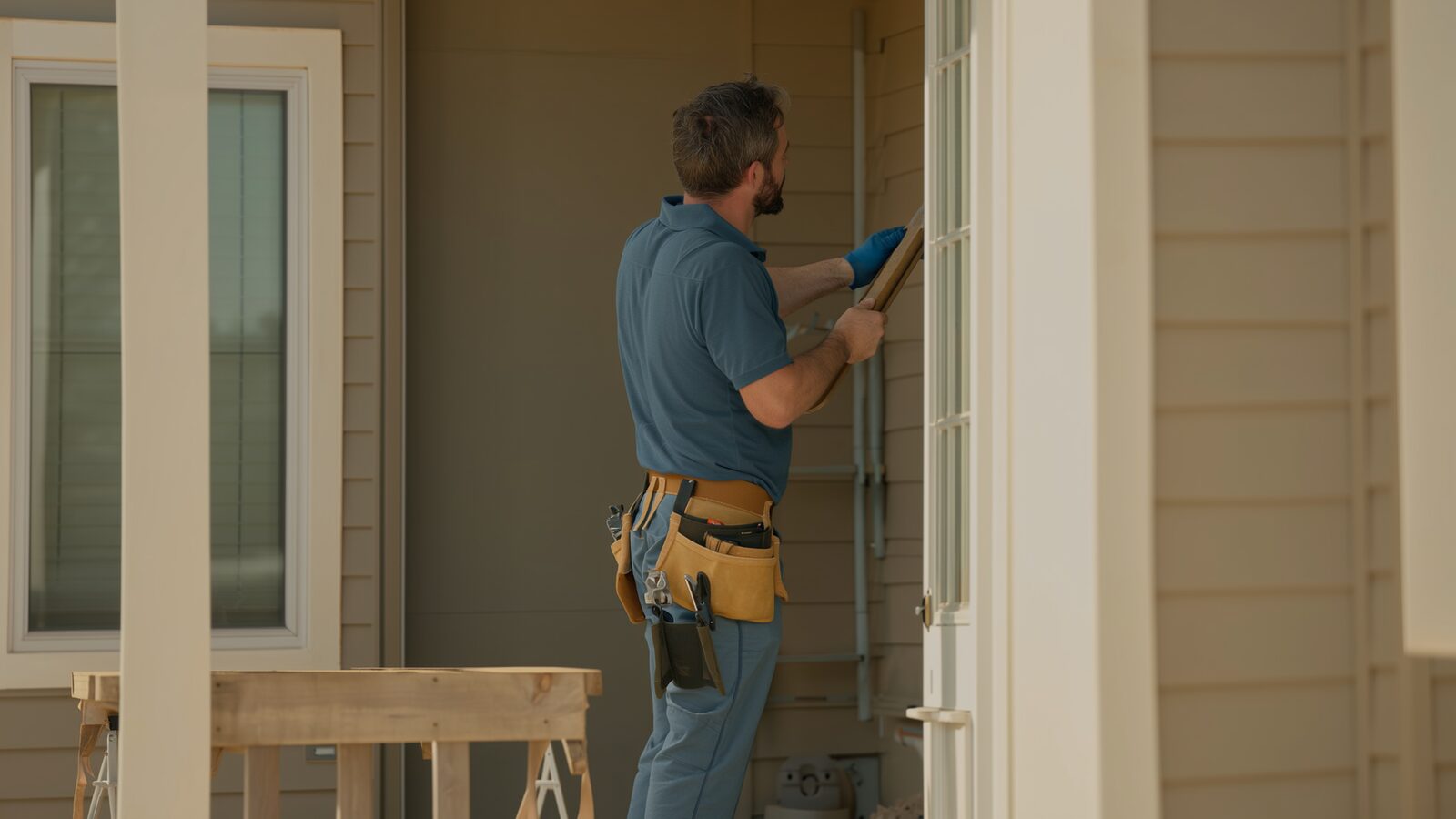
Reconstruction & Rebuild in San Tan Valley, AZ
What reconstruction actually means after the drying is done
Mitigation and reconstruction are two different jobs. Mitigation stops the damage and removes what cannot be saved: wet carpet and pad, swollen baseboard, drywall cut back to a clean line above the water mark, insulation that held moisture, cabinet toe kicks and sometimes the cabinet boxes themselves. Fire work adds soot removal, sealing of framing that still holds odor, and removal of anything the heat warped. When that is finished you are left with a structurally sound but unfinished house. Reconstruction is the finish carpentry and trade work that follows: hanging and taping new drywall, matching the existing texture (in most Arizona tract homes that is a knockdown or orange peel spray, which has to be sprayed and knocked at the right timing to blend), priming and painting, running new base and casing, resetting or rebuilding cabinets, laying flooring, and bringing electrical and plumbing back to code where it was opened up. It is a general contracting job, not a cleanup job, and it needs to be permitted and licensed like one.
What is specific about rebuilding in San Tan Valley
San Tan Valley grew fast through the 2000s boom, and most of what stands today around Johnson Ranch, Circle Cross Ranch, Pecan Creek, Castlegate and Skyline Ranch went up in a compressed window by a handful of production builders. That has real consequences for a rebuild. Interior finishes were bought in bulk, so the exact tile, the exact cabinet door profile and the exact carpet in your 2005 or 2007 home are usually discontinued, and matching means either sourcing a close equivalent or extending the new material to a natural break line so the transition is not obvious in the middle of a room. The area is also mostly unincorporated Pinal County rather than an incorporated city, so permitting and inspection for structural, electrical and plumbing work generally runs through Pinal County rather than a municipal building department. That matters for scheduling. On top of that, plenty of San Tan Valley subdivisions have active HOAs with exterior standards, so a roof, stucco or exterior paint repair may have to match an approved color and material list before it goes back on. Soil is the other local factor. This side of the valley sits on desert soils that shrink and swell with moisture, and a long slab leak or an irrigation line that ran undetected can leave you with more than wet flooring. If doors that used to close have started sticking, or you see stair-step cracking in block walls or drywall cracks that reopen at the corners after a repair, that gets evaluated before finishes go back, not after.
The seasonal pattern behind most rebuilds out here
Two windows drive most of the reconstruction work in the far southeast valley. The first is monsoon season, roughly July into September, when a microburst pushes wind-driven rain sideways into a wall, tears shingles or tiles loose, or overwhelms a scupper on a flat parapet roof. Water gets into the attic, tracks along a truss chord, and shows up on a ceiling in a room nowhere near the roof breach. San Tan Valley sees the dust and outflow winds from storms that build over the San Tan Mountains and the reservation land to the south, and open-perimeter subdivisions on the edge of the desert take that wind with nothing to break it. The second is winter, when a cold snap hits an unprotected line. Hose bibs, backflow assemblies on irrigation, and pipes running through an uninsulated garage wall or a west-facing exterior wall are the usual failures. Homes that sat empty during a snowbird season, or newer builds where nobody thought to cover the exterior spigot, take the worst of it because the water runs for days before anybody sees it. Fire causes here follow the newer housing stock too: kitchen fires, garage fires from stored chemicals and equipment in 110 degree heat, dryer vent lint buildup in long runs, and electrical faults. Whatever the cause, the rebuild scope is the same question: what has to come out, and what does it take to make the room look like it did before.
How the rebuild gets handled
Gold Water Fire is a licensed Arizona contractor, AZ ROC #264344, KB-2, which is the general residential license class that covers this kind of full-house restoration and rebuild. Brandon Gurr is our Construction Manager and leads the reconstruction side of the business, with Johnny as Reconstruction Team Lead running the work on site. Kristine handles the office and Brooke schedules water and mitigation work, so there is a person to call and get an actual answer from rather than a voicemail box. The practical advantage of having the same company do mitigation and reconstruction is that nothing gets lost in the handoff. The people who documented the moisture readings, the demolition line and the affected materials are the same people writing the scope to put it back, which is also the scope your insurance adjuster reviews. If another company already did the mitigation, we can still pick up the rebuild, we just start by walking the house and confirming what is dry and what is not before anything gets closed up. You can read more about our reconstruction and rebuild work, or about the water damage and fire damage side that usually comes first.
Questions people ask us
Do I have to use the company my insurance suggests for the rebuild?
In Arizona you choose your own licensed contractor. An insurer can recommend a preferred vendor, but the decision is yours. What the carrier does control is the scope and amount they will pay, so the useful thing a contractor does is write a detailed, line-item scope of the repair and work directly with the adjuster on anything that was missed.
My house has been torn open for weeks. Is it too late to start?
No. Sitting open is common, especially when a claim is still being negotiated. Before finishes go back we confirm the framing, subfloor and any exposed cavities are actually dry and free of microbial growth, because covering damp material is the one mistake that costs you the whole repair a second time.
Can you match the tile and cabinets in my 2000s San Tan Valley home?
Often not exactly, because production builders bought discontinued lines in bulk. The realistic approaches are sourcing a close current equivalent, pulling matching material from a closet or pantry to patch the visible area, or extending the new material to a doorway or other natural break so the change reads as intentional instead of as a patch.
Do I need a permit for repairs in San Tan Valley?
It depends on the scope. Cosmetic drywall, paint and flooring generally do not, while structural framing, roof structure, electrical and plumbing changes generally do. Most of San Tan Valley is unincorporated Pinal County, so that permitting typically runs through the county rather than a city department. We handle the permitting on work that requires it.
The standard our team works to
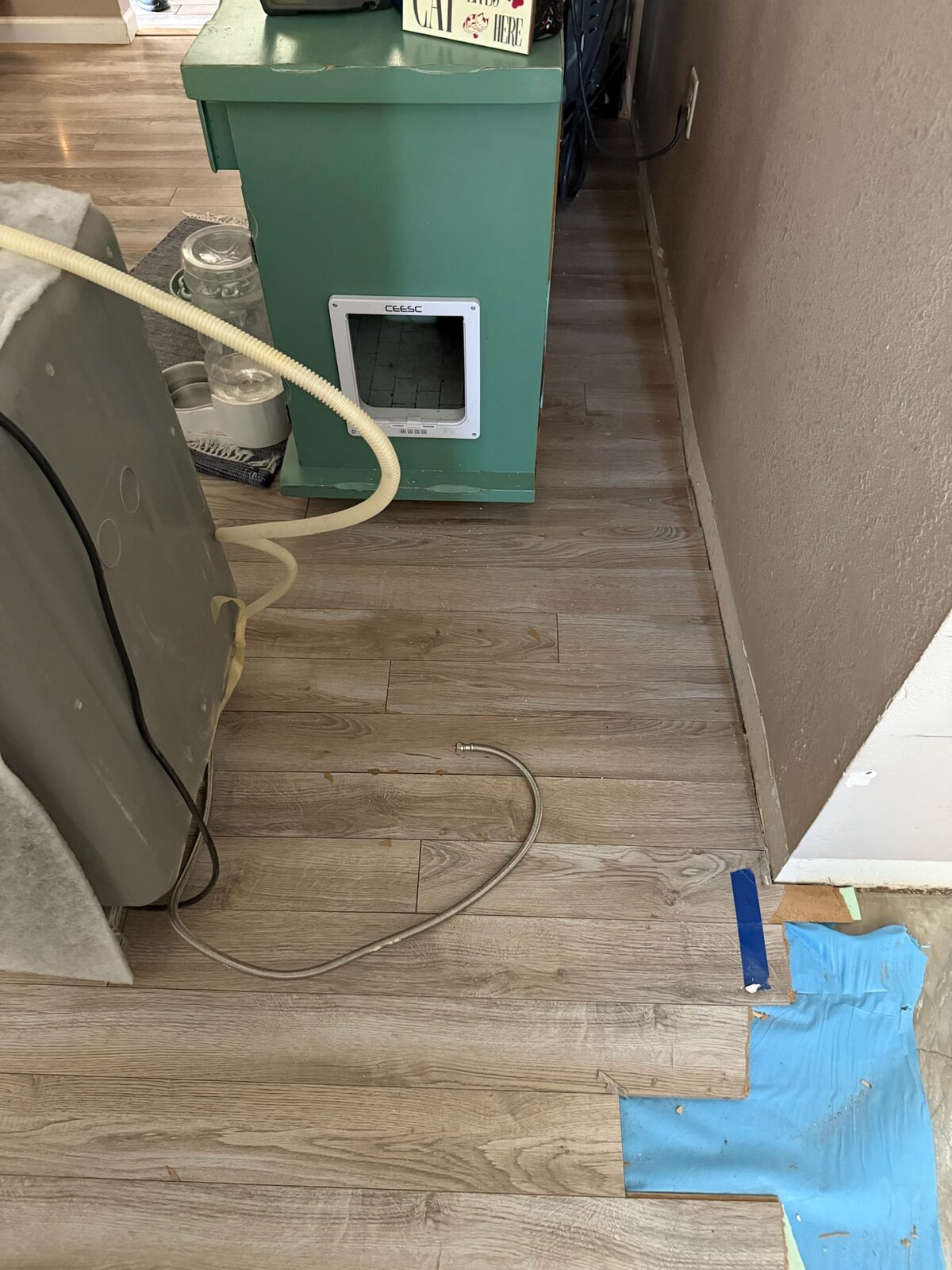
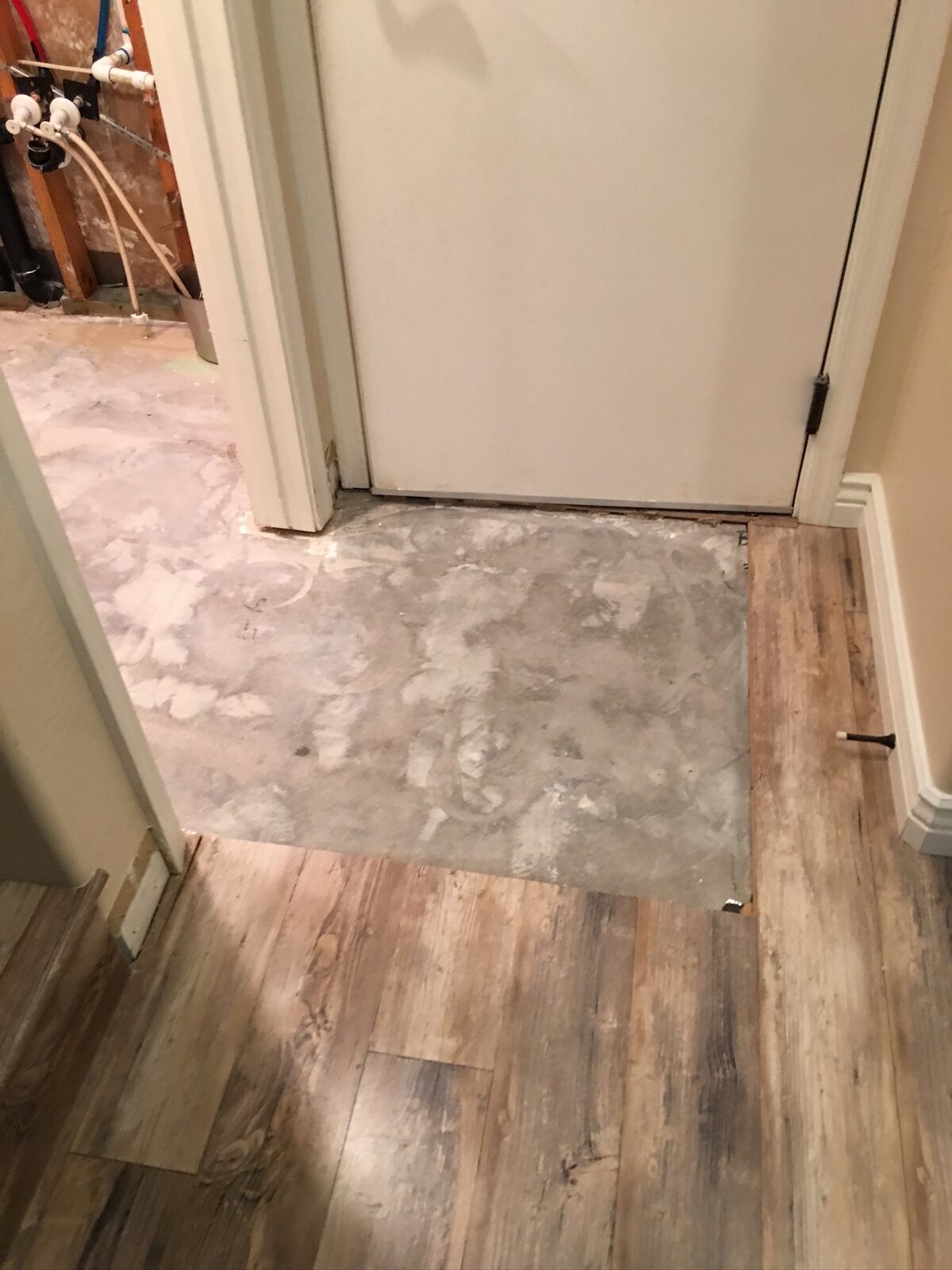
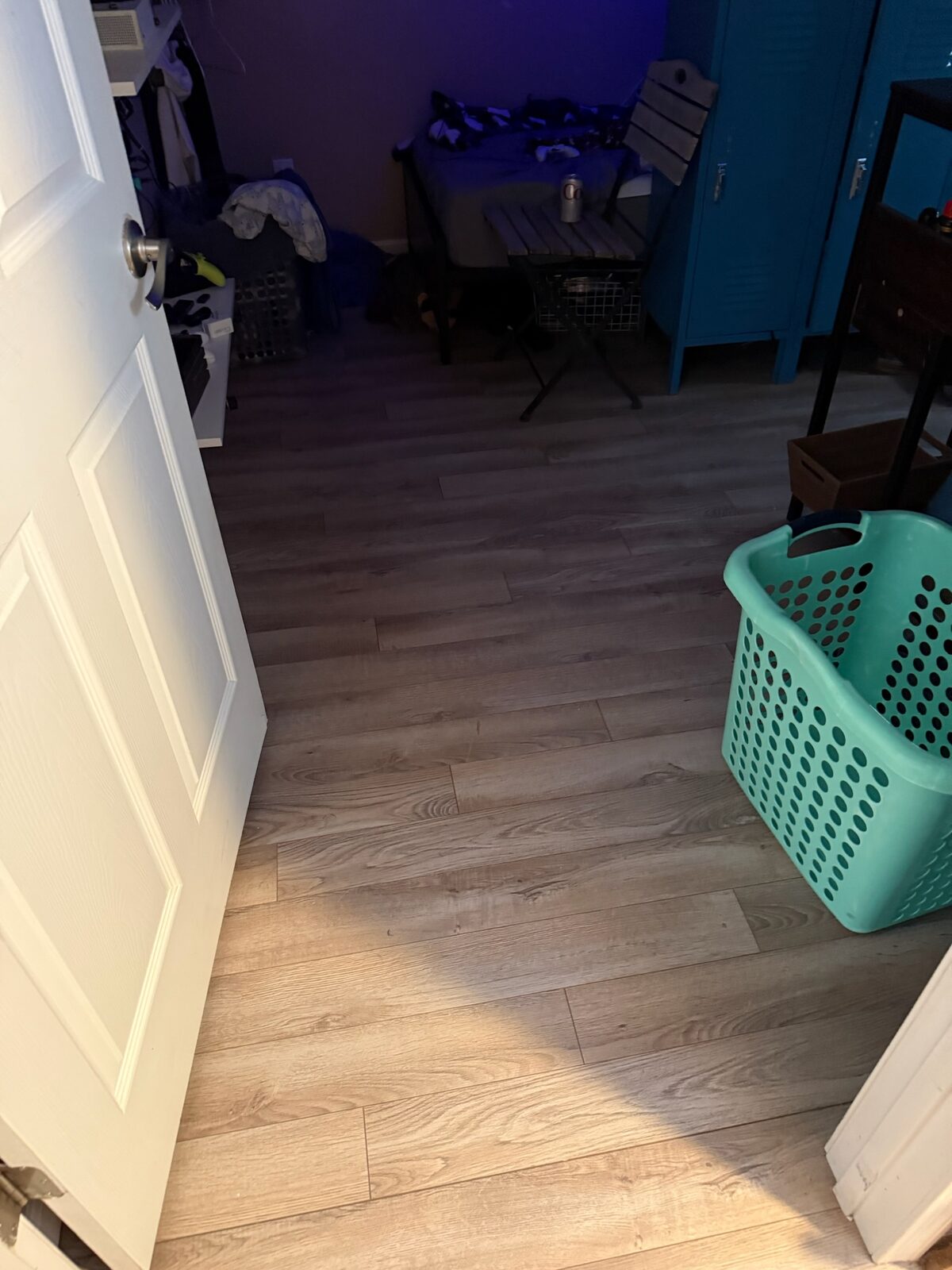
Residential reconstruction work by members of our team. See the full gallery →
More from Gold Water Fire
Fire Damage Restoration in Apache Junction, AZ
Fire and smoke damage restoration for Apache Junction homes, from board-up and soot cleanup through rebuild. Gold Water Fire, AZ ROC #264344. Call (480) 999-3339.
Reconstruction & Rebuild in Apache Junction, AZ
Rebuilding a damaged Apache Junction home after water or fire: framing, drywall, stucco, cabinets and flooring put back by Gold Water Fire. Call (480) 999-3339.
Water Damage Restoration in Apache Junction, AZ
Water damage restoration for Apache Junction homes, from slab leaks and monsoon flooding to failed water heaters. Call Gold Water Fire at (480) 999-3339.
Let someone else carry the rebuild
You have already handled the emergency, the cleanup crews, the phone calls and the weeks of living in a torn-up house. Putting it back is a licensed contracting job, and it is the part you were never supposed to do alone. Call Gold Water Fire at (480) 999-3339 or email Help@goldwaterfire.com, and we will walk the house with you and tell you plainly what it takes to finish it.
Call (480) 999-3339Reconstruction & Rebuild · Water Damage Restoration · Fire Damage Restoration · About Gold Water Fire · Contact Us