
Reconstruction & Rebuild in Queen Creek, AZ
The emergency part is over. The water is out, or the fire is out, and now you are standing in a house with the drywall cut off two feet up the wall, cabinet boxes gone, and your kitchen floor stacked in the garage. Nobody warned you that this stage lasts longer than the disaster did. You have been making calls, chasing an adjuster, trying to figure out whether the flooring you picked out eight years ago is even still made. Doing all of that while living somewhere else, or living in two rooms of your own house, wears a person down in a way that is hard to explain to anyone who has not done it.
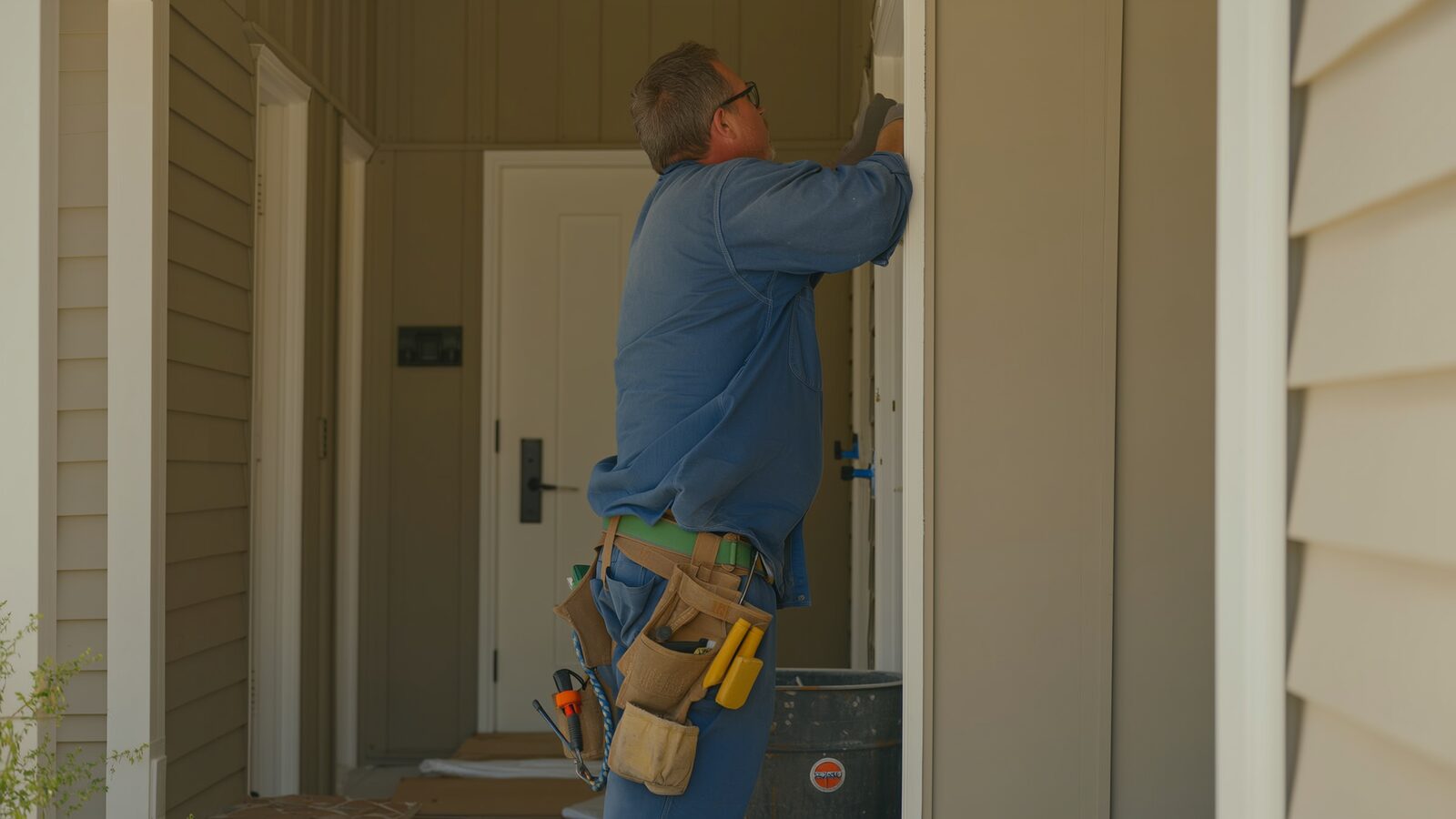
Reconstruction & Rebuild in Queen Creek, AZ
The work that happens after the drying equipment leaves
Mitigation and reconstruction are two different jobs. Mitigation stops the damage and removes what cannot be saved. Reconstruction is the part where your house becomes a house again, and it is almost always the longer phase. On a typical rebuild that means: framing repairs where studs were cut or charred, new insulation, hanging and finishing drywall, texture that matches the existing walls (in newer Queen Creek homes that is usually a knockdown or orange peel spray texture, which has to be matched by hand or the patch reads as a patch forever), paint, baseboard and casing, cabinet reset or replacement, countertops, tile or luxury vinyl plank, interior doors, and trim-out of plumbing and electrical that was opened up during demolition. The details are where rebuilds go sideways. A discontinued tile means the whole room, not the wet corner. A cabinet run that was custom-built on site cannot be ordered from a box store. Getting those decisions made early, before the drywall closes up, is what keeps a rebuild from stalling.
Structure and framing
Cut or fire-damaged studs, sheathing, subfloor, and roof decking repaired or replaced before anything cosmetic goes back.
Drywall and texture
Hang, tape, float, and match existing wall texture so the repair blends instead of standing out under afternoon light.
Kitchens and baths
Cabinet replacement or reset, countertops, backsplash, plumbing trim, and flooring that carries under the toe kick correctly.
Finish carpentry and paint
Baseboard, door casing, interior doors, shelving, and paint carried to a natural break so color and sheen match.
Why rebuilds here have their own pattern
Queen Creek grew fast. A large share of the housing stock went up from the early 2000s onward, through the boom years and again through the recent build-out along Ocotillo, Combs, Ellsworth, and out toward the Ironwood and Hunt Highway corridors. That timing matters for a rebuild in a few concrete ways. Homes from that era commonly have engineered wood or laminate flooring on slab, MDF baseboard, and builder-grade particleboard cabinet boxes. All three fail badly with water. Laminate swells at the seams and cannot be dried back flat. MDF wicks moisture up from the slab and crumbles at the nail line. Particleboard cabinet bottoms delaminate under a sink leak long before anyone notices a smell. So a leak that looks small often turns into a replacement scope rather than a repair scope, and that is worth knowing before you argue about it with an adjuster. Many of those subdivisions were built in tight phases with the same three or four floor plans and the same finish package. That cuts both ways: the flooring and cabinet lines are frequently discontinued, but the layouts are familiar and predictable once you have worked in them. Queen Creek also still has older properties and larger lots on the ag land east and south of town, along with horse property, well systems, septic, and detached shops and barns. Those rebuilds look nothing like a tract-home rebuild. Outbuildings, older wiring, and additions built at different times all change the sequencing. The seasonal pattern is monsoon-driven. July through September, storms come off the ag fields and open desert with wind and blowing dust ahead of the rain, then dump water fast onto ground that does not absorb it. Roof damage, wind-driven rain at window and door heads, and water pushing under thresholds on low-slung garage slabs all cluster in those weeks. Then the cool months bring the other half: irrigation and hose bib lines that split, water heaters in garages, and vacant homes with the air conditioning off while owners are away. Fire risk follows its own calendar, with brush and outbuilding fires on dry lots in late spring and early summer, and kitchen and electrical fires that do not care what month it is.
One contractor from demolition through final walkthrough
Gold Water Fire handles both sides of this. Water damage restoration and fire damage restoration cover the mitigation phase, and reconstruction and rebuild picks up from there. Keeping it under one roof means nobody is waiting on a handoff, and the person writing the rebuild scope already knows what was behind the wall. Brandon Gurr is our Construction Manager and leads the reconstruction and rebuild work. He came to us from Gurr Brothers Construction, so the rebuild side is run by someone whose background is building, not just drying. Johnny is our Reconstruction Team Lead and runs the work in the field. Kristine handles the office side, and Brooke coordinates water and mitigation scheduling, so when you call there is a person who knows where your job stands. We are licensed in Arizona under AZ ROC #264344, KB-2. Gold Water Fire was co-founded by Jim Bennett and Jake Taylor, and you can read more about the team on our about page. We work the full Phoenix metro area: NW Peoria, SE Avondale, SW San Tan Valley, NW Apache Junction, and outlying areas further than that. Queen Creek sits well inside that, and so do San Tan Valley, Gilbert, Apache Junction, Mesa, and Chandler, where our office is.
What helps your rebuild move faster
A few things you can do now that make the whole process shorter, whoever you hire. Photograph everything before demolition, including inside cabinets and under flooring if it is already pulled. Wide shots and close shots. Adjusters approve what they can see. Find the flooring, tile, or cabinet information if you still have it. Builder finish sheets, a leftover box of tile in the garage, the paint can in the storage room. That single label can save weeks of sourcing and can be the difference between patching one room and replacing three. Keep the mitigation paperwork, including moisture readings and the drying log. The rebuild scope is built on top of what mitigation found, and a good record supports what has to be replaced instead of repaired. Write down what you actually want changed. A rebuild is a chance to fix the thing that always bothered you about that bathroom. Say it early, before drywall closes, because after that it costs real money to revisit. And get your insurance claim number and adjuster contact in one place. Every contractor is going to ask for it, and having it ready keeps you from repeating yourself.
Questions people ask us
How long does a reconstruction project take after water or fire damage?
It depends almost entirely on scope and on materials. A single bathroom or a few walls of drywall, texture, and paint is a much shorter job than a kitchen with cabinets and countertops or a fire that reached framing. Material lead times drive a lot of it, especially cabinets and any flooring that has been discontinued. We will walk your home, write the scope, and give you a schedule based on what your project actually needs rather than a number over the phone.
My flooring was installed by the builder and is no longer made. What happens?
This comes up constantly in Queen Creek subdivisions built in the last twenty years or so. If an exact match is not available, the usual options are to source a close discontinued match through supplier channels, to replace flooring to a natural break like a doorway or transition strip, or to replace the affected continuous area so the finish reads as one floor. Which one is appropriate is part of the scope conversation with you and your adjuster, and it is worth settling early because it affects the schedule.
Do you work with insurance on the rebuild, or do I have to handle it?
We are used to working from an insurance scope and documenting the rebuild in the format adjusters expect, including photos and detail on what has to be replaced instead of repaired. You still own the claim and the policy decisions, but you should not have to translate construction language on your own. Call us at (480) 999-3339 or email Help@goldwaterfire.com and we will explain where your claim stands in plain terms.
Can you do the rebuild if another company did the drying and demolition?
Yes. We can pick up a project after another company handled mitigation. Bring us whatever documentation you have, including moisture readings, the drying log, and photos from before demolition. We will walk the home, verify the affected areas are actually dry before anything closes up, and write the reconstruction scope from there.
The standard our team works to
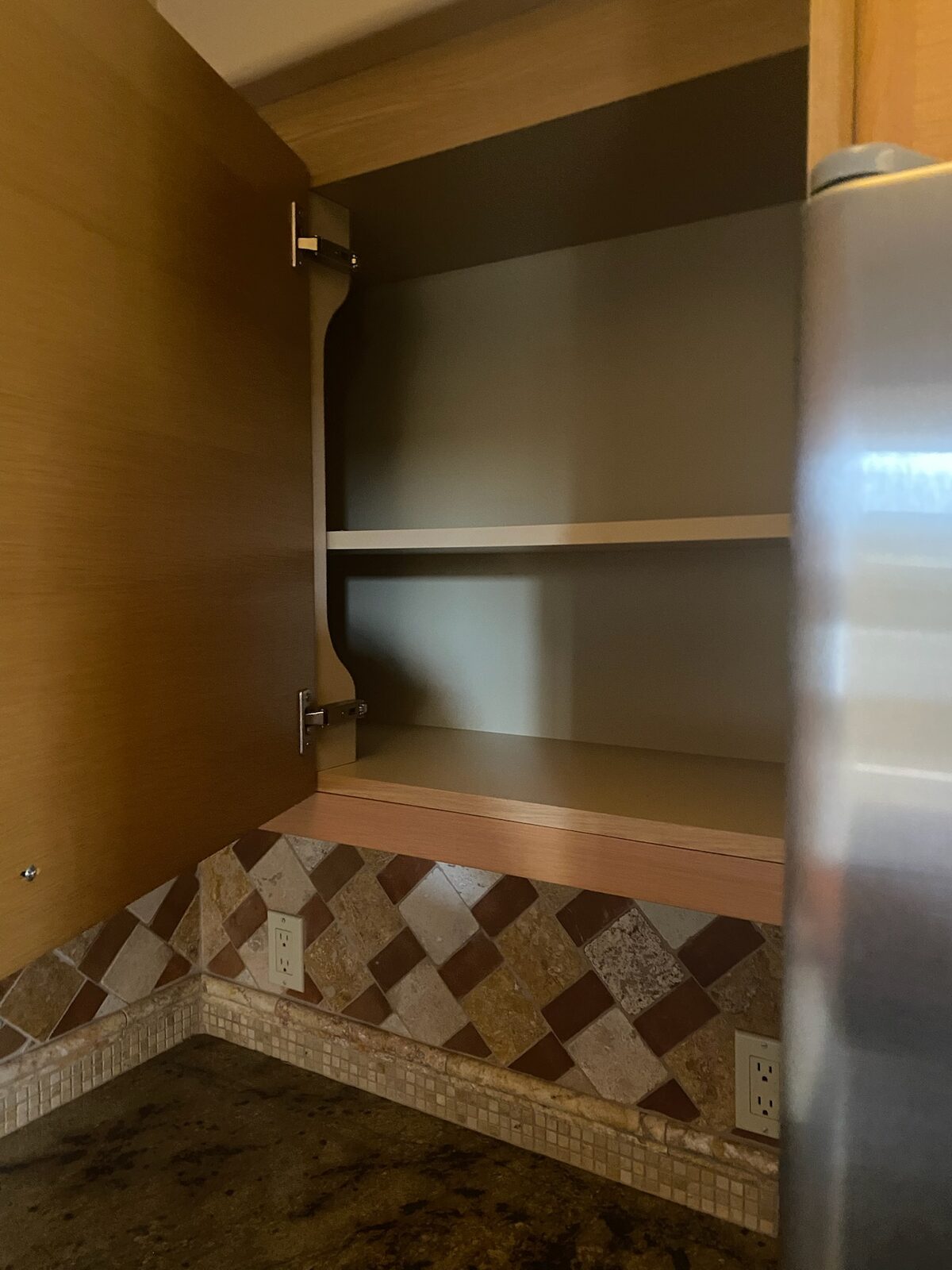
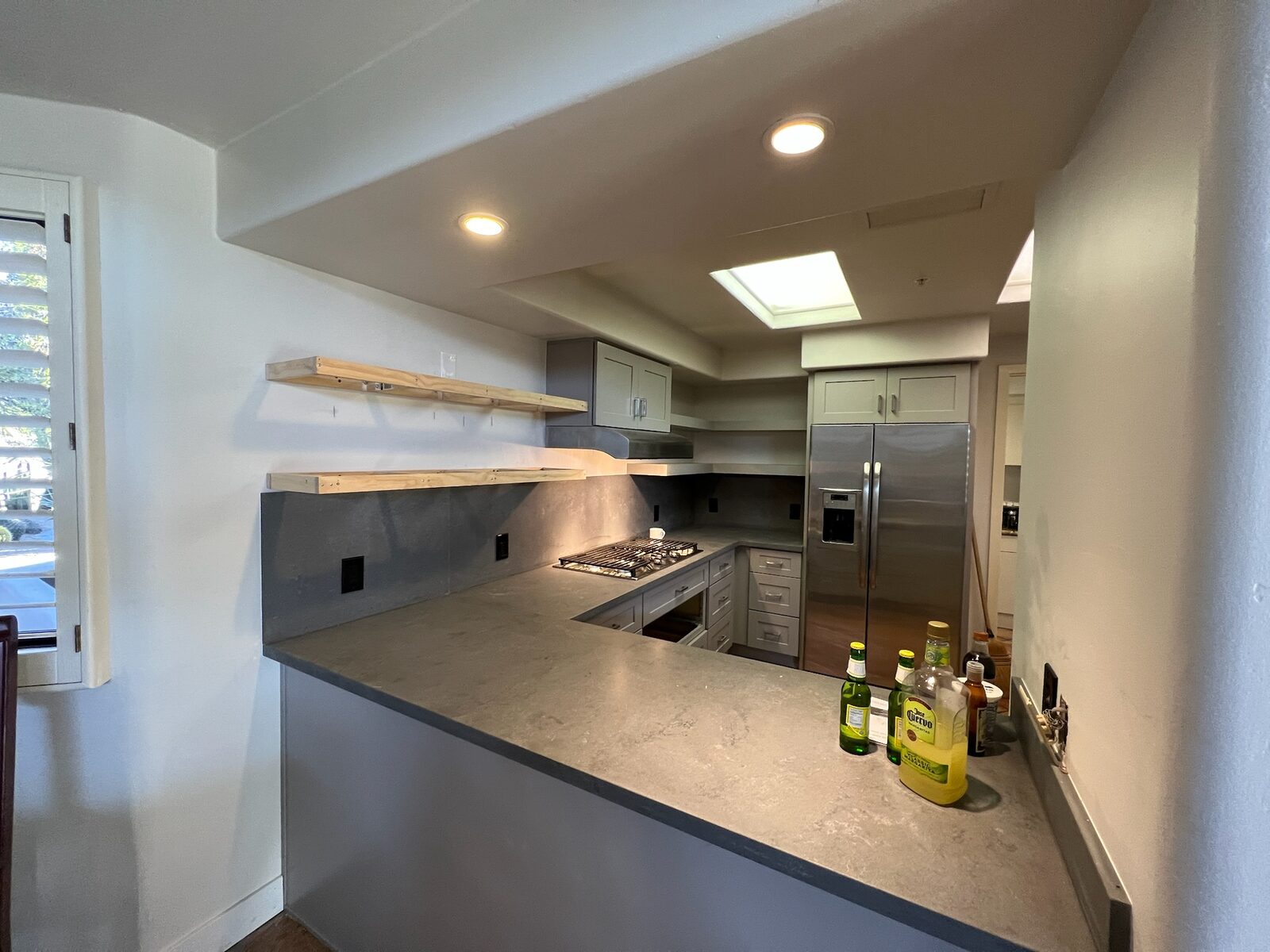
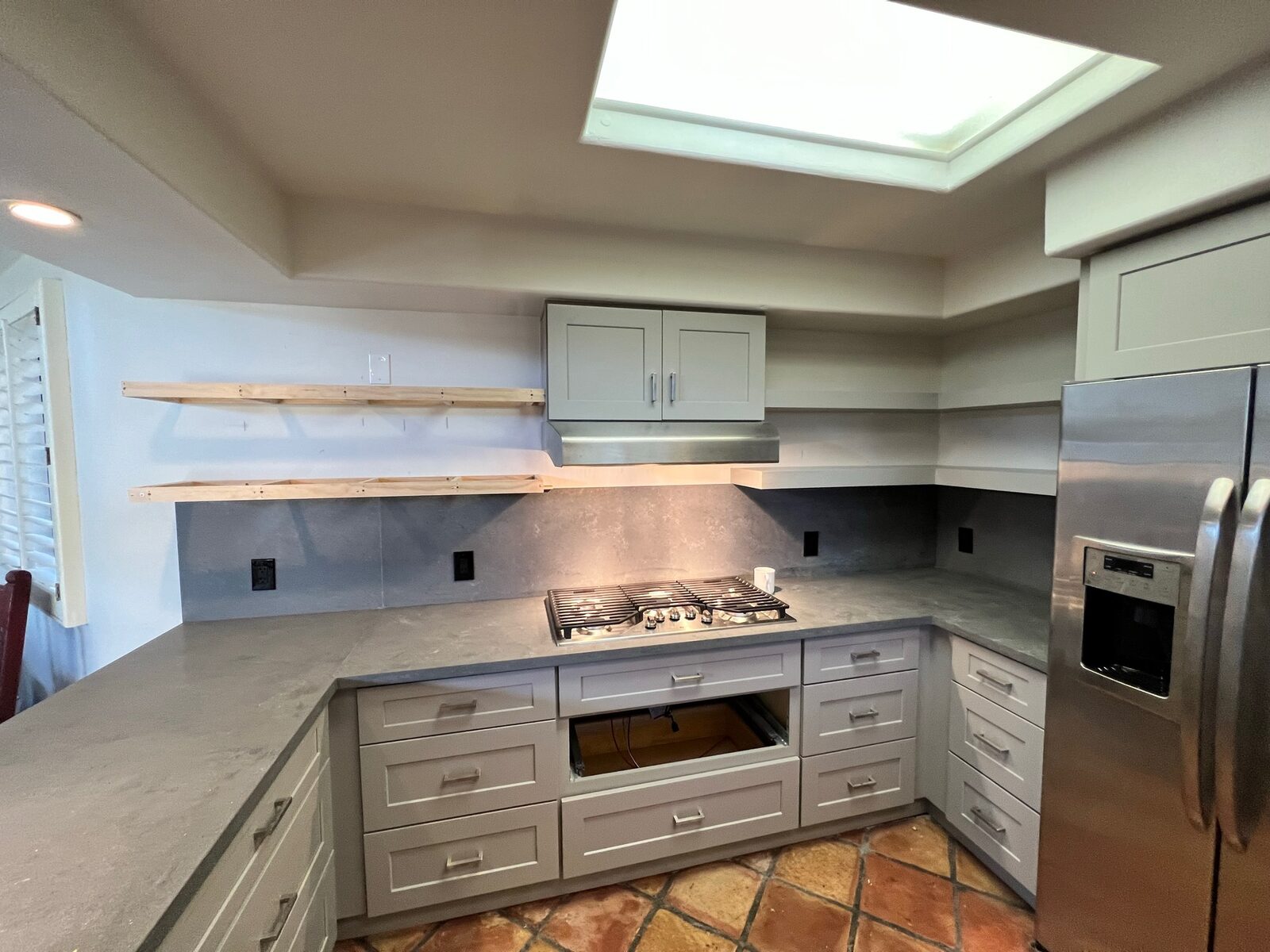
Residential reconstruction work by members of our team. See the full gallery →
More from Gold Water Fire
Fire Damage Restoration in Apache Junction, AZ
Fire and smoke damage restoration for Apache Junction homes, from board-up and soot cleanup through rebuild. Gold Water Fire, AZ ROC #264344. Call (480) 999-3339.
Reconstruction & Rebuild in Apache Junction, AZ
Rebuilding a damaged Apache Junction home after water or fire: framing, drywall, stucco, cabinets and flooring put back by Gold Water Fire. Call (480) 999-3339.
Water Damage Restoration in Apache Junction, AZ
Water damage restoration for Apache Junction homes, from slab leaks and monsoon flooding to failed water heaters. Call Gold Water Fire at (480) 999-3339.
You do not have to project manage your own house
If you are ready to hand the rebuild to someone whose job it is, call Gold Water Fire at (480) 999-3339 or email Help@goldwaterfire.com. Tell us what happened and where you are in the process, and we will come look at the Queen Creek home in person, write a scope you can read, and take the calls from here. You can also reach us through our contact page.
Call (480) 999-3339Reconstruction & Rebuild · Water Damage Restoration · Fire Damage Restoration · About Gold Water Fire · Contact Us