
Reconstruction & Rebuild in Phoenix, Arizona
The demolition is done and the house is quiet again, and somehow that's worse. There's a bare slab where the flooring was, studs where the hallway wall used to be, and cabinet boxes stacked in the garage. You've already lived through the emergency part (the fans, the strangers in your house, the phone calls with the adjuster), and now you're staring at a home that isn't a home yet, with no clear sense of who puts it back or how long you'll be living around plastic sheeting. That gap between "the damage is stopped" and "we can live here again" is the part nobody warns you about.
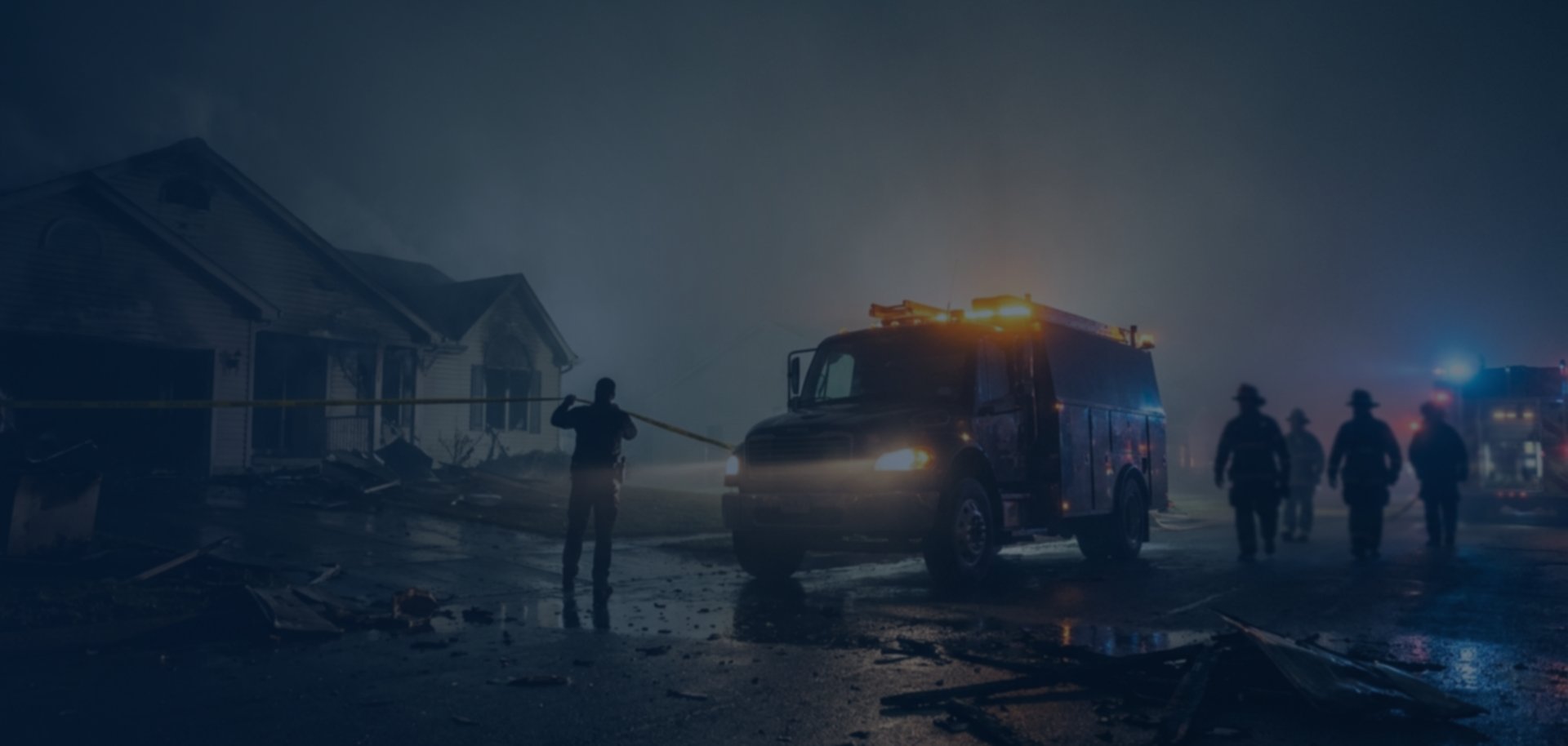
Reconstruction & Rebuild in Phoenix, Arizona
Putting a Phoenix house back together after mitigation
Reconstruction is the second half of a damage claim: everything that was cut out, torn up, or burned has to be rebuilt to the condition it was in before the loss. On a typical Phoenix job that means new drywall and texture, paint, baseboard, doors and casing, cabinetry and countertops, flooring, and often electrical and plumbing work where lines were opened up during mitigation. Two details matter a lot in this valley. First, texture. Most Phoenix-area homes are finished in a knockdown or orange-peel texture sprayed by hand, and a patch that isn't matched by someone who knows the technique will read as a scar on the wall forever, especially on a long, sun-washed great-room wall. Second, flooring. A huge share of homes here are slab-on-grade with tile, LVP, or engineered wood laid over concrete. When a supply line fails, water travels under that flooring across the slab, and the rebuild question becomes how far the replacement has to run to reach a natural break, since a discontinued tile line usually can't be spot-matched. If you're still in the drying or cleanup phase, start with water damage restoration or fire damage restoration. Details on the rebuild side are on our reconstruction and rebuild page.
Phoenix housing stock and what tends to fail
Phoenix isn't one housing stock, it's several, and the rebuild scope changes depending on which part of the city you're in. The historic districts near downtown and midtown (Encanto-Palmcroft, Willo, Coronado, F.Q. Story) are largely pre-war and mid-century, with lath-and-plaster walls, original hardwood, cast iron drain lines, and galvanized supply piping. Repairs in those homes are as much matching as building: plaster patched to blend with plaster, trim profiles that aren't sold at a big-box store, hardwood woven in rather than butt-jointed. The ranch tracts of north-central, Arcadia, Maryvale and the Sunnyslope area are largely mid-century block construction with flat or low-slope roofs. Low-slope roofing with ponding and failed parapet flashing is a common water source, and because block walls don't drain the way framed walls do, water tends to run down and load the base of interior partitions and the flooring. The 1990s and 2000s subdivisions in Ahwatukee, Desert Ridge, Laveen and the North Valley are stucco over wood frame on slab, with two-story floor plans, upstairs laundry rooms, and second-floor water heaters in closets. A failed washing machine hose or water heater on the second floor sends water through the ceiling into the room below, which usually means rebuilding two levels (ceiling drywall, insulation, and downstairs flooring) from one small failure. Seasonally, the pattern here is monsoon and pipe. July through September, downbursts drive rain sideways under tile, through roof penetrations, and into windows and skylights, and haboob dust follows water into wall cavities. In winter, a rare hard freeze cracks exposed hose bibbs and pool equipment lines on the exterior. And year-round, hard Valley water plus long summer runs is rough on water heaters, angle stops, and braided supply lines. Many of the worst losses we hear about start with a fixture that let go while the house was empty in August.
Scope, insurance, and who does the work
A rebuild starts with a written scope: a room-by-room list of what has to be replaced, with the materials and finishes identified. That scope is the document your insurance carrier prices, and it's also what keeps the job from drifting. If something is missed at scope (the transition strip, the closet shelving, the paint that has to run to a corner instead of stopping mid-wall), it becomes a supplement conversation later, which is where projects stall. Brandon Gurr is our Construction Manager and leads the reconstruction and rebuild side of the company; he came to Gold Water Fire from Gurr Brothers Construction. Johnny is our Reconstruction Team Lead and runs the work in the field. Because mitigation and rebuild are handled by the same company, there's no handoff where one contractor blames the other for what got demoed. Work inside the City of Phoenix is permitted through the city's Planning and Development Department, and structural, electrical, and plumbing changes generally require inspection. Homes in historic overlay districts have additional review for exterior changes. Gold Water Fire holds AZ ROC license #264344 · KB-2. You can read about the people here on our about page.
Where we work in and around Phoenix
We serve the Phoenix metro area, roughly bounded by NW Peoria, SE Avondale, SW San Tan Valley, and NW Apache Junction, plus outlying areas beyond that. Within Phoenix that covers downtown and midtown, north central, Arcadia, Ahwatukee, Laveen, Maryvale, Deer Valley, Desert Ridge, and the North Valley, along with neighboring Scottsdale, Tempe, Glendale, Mesa, Chandler, Gilbert, Peoria, Paradise Valley, Cave Creek, and Fountain Hills. If you're not sure whether your address is in range, call (480) 999-3339 or email Help@goldwaterfire.com and ask. You can also reach us through the contact page.
Questions people ask us
Do I have to use the same company for cleanup and rebuild?
No. You can hire separate companies, and some homeowners do. The advantage of keeping it together is that the people who documented and removed the damaged materials are the ones writing the rebuild scope, so nothing falls into the gap between the two. Gold Water Fire handles both mitigation and reconstruction.
Will the new drywall texture match the rest of my house?
That depends on the technique and how far the patch runs. Knockdown and orange-peel textures common in Phoenix homes are sprayed by hand, so matching is a skill, not a product. On a large wall or an open great room, it is often better to float and re-texture the full plane to a corner or other natural break than to blend a patch in the middle of it.
My tile was discontinued. What are my options?
Three, usually. Check whether the builder or the previous owner left attic or garage stock. Look for a close current-production match and run the replacement to a doorway or transition so the eye reads it as a change, not a mismatch. Or replace the affected continuous area entirely. Which of those your policy covers is a conversation with your adjuster, and the written scope is where it gets settled.
Does reconstruction work in Phoenix need a permit?
Structural, electrical, plumbing, and mechanical changes generally require a permit and inspection through the City of Phoenix Planning and Development Department. Like-for-like cosmetic replacement (drywall, paint, flooring, trim) often does not. Homes in historic overlay districts have extra review for exterior work. We identify what your job needs during scoping.
The standard our team works to
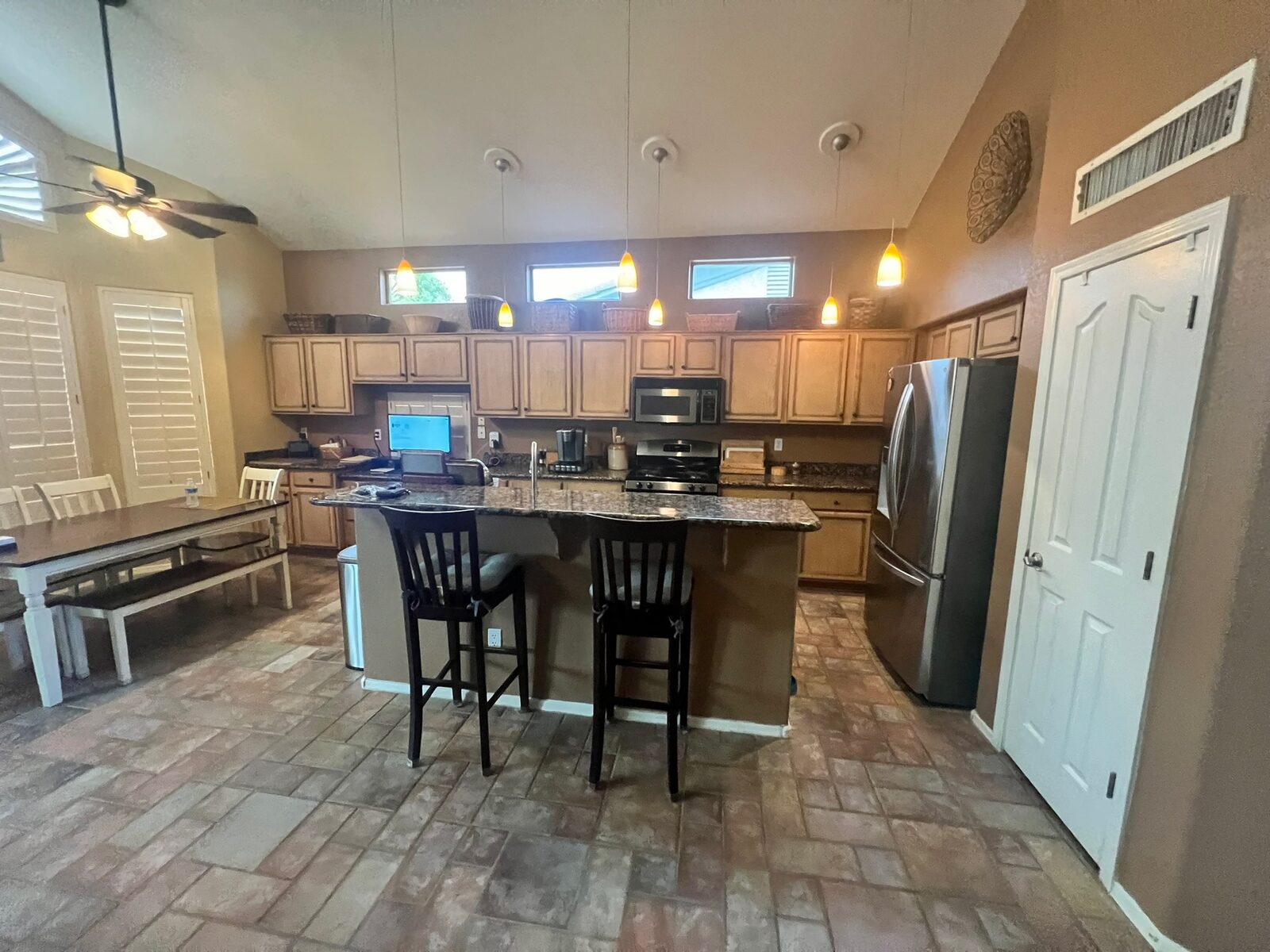
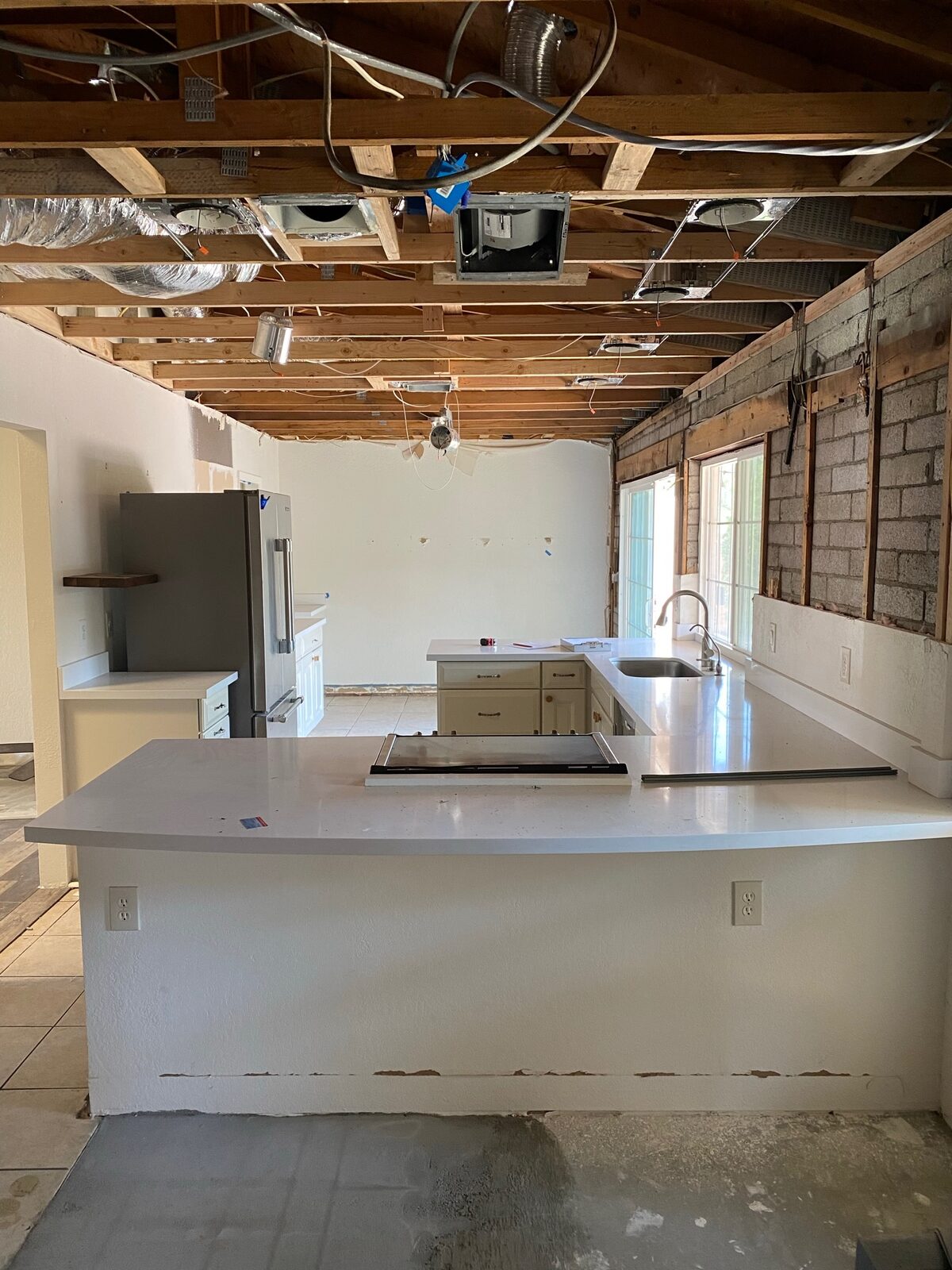
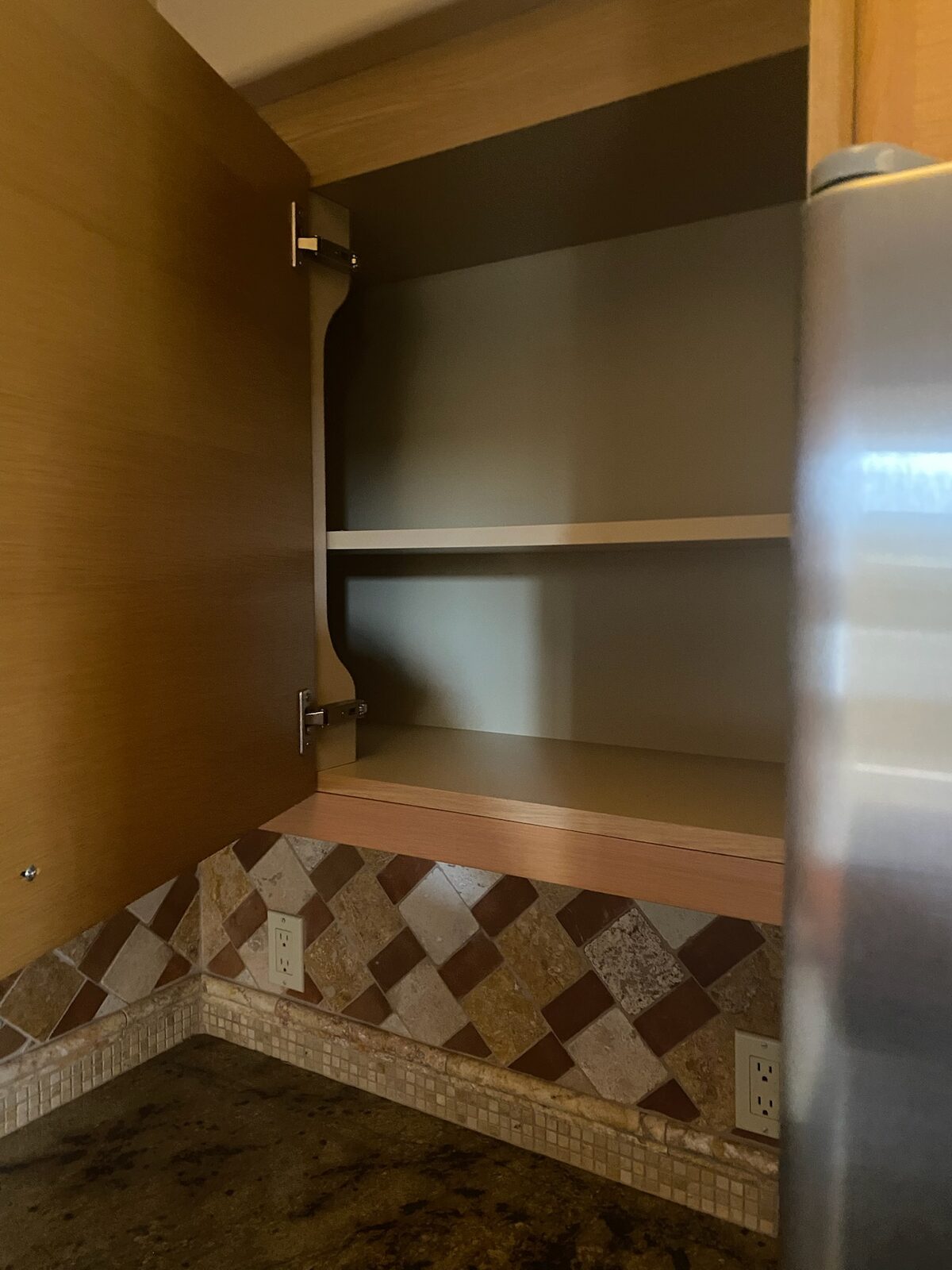
Residential reconstruction work by members of our team. See the full gallery →
More from Gold Water Fire
Fire Damage Restoration in Apache Junction, AZ
Fire and smoke damage restoration for Apache Junction homes, from board-up and soot cleanup through rebuild. Gold Water Fire, AZ ROC #264344. Call (480) 999-3339.
Reconstruction & Rebuild in Apache Junction, AZ
Rebuilding a damaged Apache Junction home after water or fire: framing, drywall, stucco, cabinets and flooring put back by Gold Water Fire. Call (480) 999-3339.
Water Damage Restoration in Apache Junction, AZ
Water damage restoration for Apache Junction homes, from slab leaks and monsoon flooding to failed water heaters. Call Gold Water Fire at (480) 999-3339.
Ready to talk about putting your Phoenix home back?
Call (480) 999-3339 or email Help@goldwaterfire.com. Tell us what happened, what's already been torn out, and whether you have a claim open. We'll walk you through what a written scope for your house would cover. Gold Water Fire, 221 E Willis Rd Ste 8, Chandler, AZ 85286. AZ ROC #264344 · KB-2.
Call (480) 999-3339Reconstruction & Rebuild · Water Damage Restoration · Fire Damage Restoration · About Gold Water Fire · Contact