
Fire Damage Restoration in Litchfield Park, Arizona
The fire is out, the trucks are gone, and you are standing in a house that still smells like it. Maybe the damage is one room and maybe it is most of the roof, but either way the part nobody warned you about is the quiet afterward: the wet carpet, the black film on every wall, the sense that you should be doing something right now and no idea what that something is. You have probably already made a dozen decisions today while running on nothing. That is a hard place to be, and it is not a sign you are handling this badly.
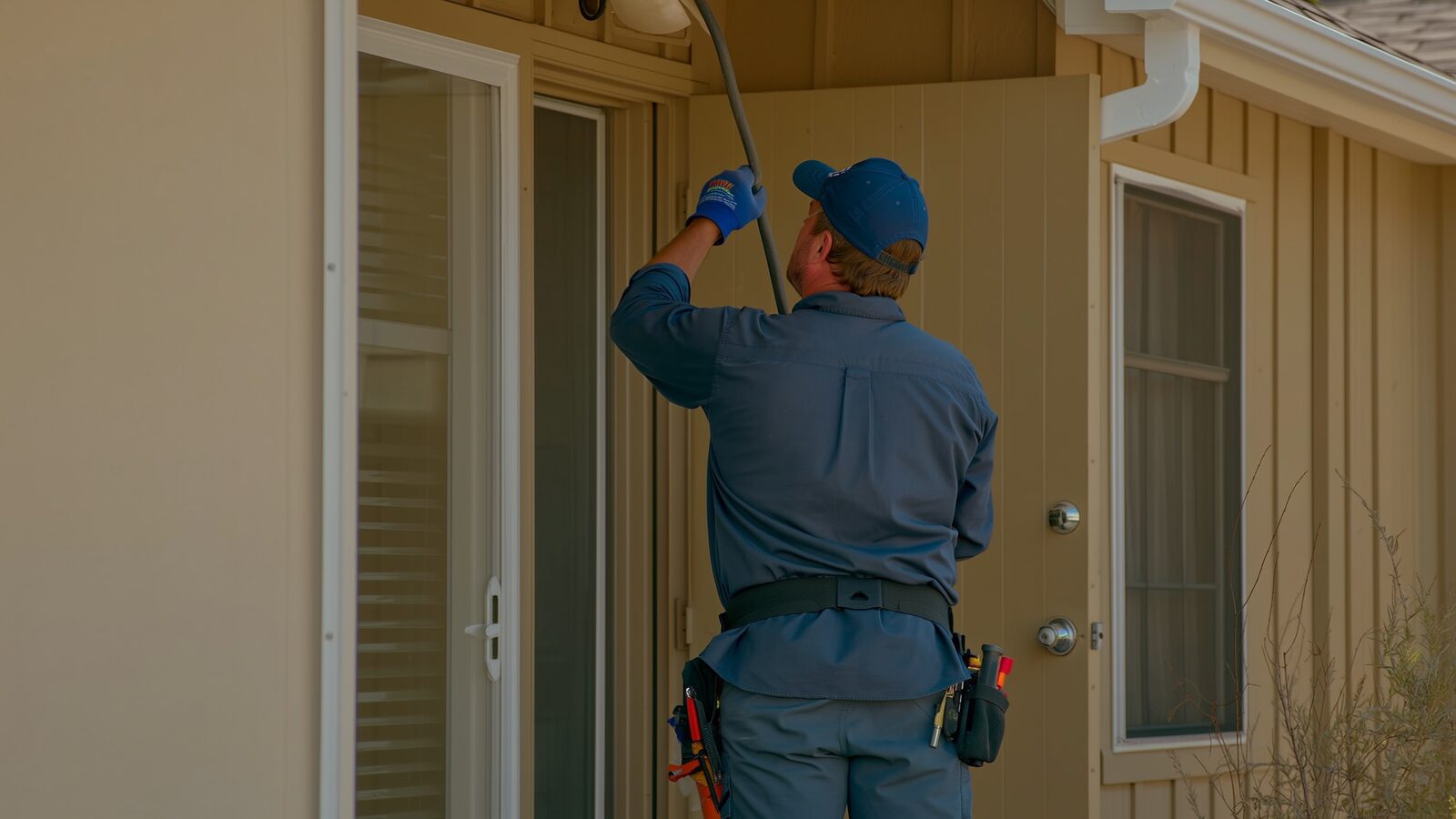
Fire Damage Restoration in Litchfield Park, Arizona
Why the damage keeps moving after the flames stop
Fire damage is not static. Smoke residue is acidic, and once it settles it starts reacting with whatever it landed on. In the first hours it discolors bare metal, marble, and grout. Within a day or two it etches chrome fixtures and appliance finishes. Over a few days it can permanently yellow painted walls and stain unsealed stone, which is common in West Valley homes with travertine or saltillo entries and stone counters. This is why fire work is time sensitive even when the structure itself is sound. Then there is the water. Suppression water and the water left behind by broken supply lines soaks drywall, insulation, and subfloor. In Litchfield Park a July or August fire means that water sits inside a wall cavity in ambient heat, which is exactly the condition mold needs. That is why fire jobs almost always start with drying, and why the same crew often handles both. If water is the bigger part of your situation, the water damage restoration side of the work is where that starts. Smoke also travels where fire did not. Heat pushes soot through wall cavities, along plumbing chases, and straight into return air ducts. A kitchen fire in a Litchfield Greens or Wigwam Creek home routinely leaves odor in bedrooms at the far end of the house because the HVAC ran for a few minutes before anyone shut it off.
What we look at in homes here
Litchfield Park is not one housing stock, it is roughly three, and each one behaves differently in a fire. The original village core around the Wigwam and Old Litchfield Road includes homes built during the Goodyear farm-town era, some of them mid-century and earlier, with plaster over lath, real wood trim, and additions layered on over decades. Plaster holds smoke odor differently than modern drywall and it does not always come off with a wipe. Older homes here also tend to have original wood windows, cloth-insulated wiring in untouched sections, and framing that was never built with today's fire blocking, so smoke migrates farther than you would expect. The 1980s and 1990s subdivisions off Litchfield and Camelback are block construction with wood truss roofs and stucco. When a fire reaches the attic in one of these, the truss plates lose strength fast and the roof structure often needs engineered repair rather than patching. Popcorn or knockdown ceilings in this era can also carry asbestos in the texture, which changes how demolition has to be done and needs to be checked, not assumed. The newer builds on the Palm Valley side and out toward the 303 have tighter envelopes, spray foam or dense batt insulation, and open floor plans. Tight houses hold smoke odor in soft goods and inside the HVAC longer, because there is less natural air exchange to dilute it. Seasonally, the pattern is predictable. Summer is when the air conditioning runs nonstop and electrical faults, overloaded circuits, and failing capacitors show up. Monsoon storms from July into September bring lightning and power surges. Late fall through winter brings the space heater and fireplace fires, plus holiday cooking. And on the desert edges of town, backyard fire pits and dry landscaping near block walls are a real ignition source in spring.
From securing the house to living in it again
The first thing is making the property safe and stable. That means board-up of openings, tarping a compromised roof before the next storm, and shutting down utilities that are not safe to run. Arizona sun and wind will do additional damage to an open house within days, so this step is not cosmetic. Next is water extraction and structural drying, then removal of what cannot be saved. Charred framing, saturated insulation, soot-loaded drywall, and heat-damaged cabinetry come out. What stays gets cleaned by material: HEPA vacuuming, chemical sponge on flat surfaces, alkaline cleaners to neutralize acidic residue, and ultrasonic or hand cleaning on contents. Ductwork almost always needs attention on a smoke job. Odor is its own step, and it is the one homeowners judge the whole job by. Wiping surfaces is not the same as removing odor. Sealing porous materials, treating cavities, and air scrubbing all matter, and sometimes a wall has to come out because the residue is behind it and nothing sprayed on the surface will reach it. Then the house has to be put back together: framing, drywall, texture matched to the rest of the house, paint, cabinets, flooring, trim, and roof repair. That rebuild phase is where a lot of homeowners get stranded, handed off from a cleanup crew to a general contractor who was not there for the first half. At Gold Water Fire, Brandon Gurr runs the construction side and Johnny leads the reconstruction crews, so the rebuild is handled by the same company that cleaned the house. Gold Water Fire holds AZ ROC license #264344, KB-2. More on the people doing the work is on the about page.
Secure and stabilize
Board-up, roof tarping, and utility safety so weather and access are not adding to the loss.
Dry and demo
Extraction and structural drying, then removal of charred and unsalvageable materials down to sound substrate.
Clean and deodorize
Surface and contents cleaning matched to each material, duct attention, sealing, and air scrubbing for odor.
Rebuild
Framing, drywall and texture, paint, cabinets, flooring, and roof repair to put the home back together.
You do not have to know what to ask for
Most people have never filed a fire claim and have no reason to know what an adjuster needs. What helps is simple: photograph everything before anything moves, keep receipts for hotel and meals, do not throw damaged items away until they are documented, and get the house secured. Beyond that, the scope, the photos, the measurements, and the line items are things a restoration contractor produces as part of the job and provides to your carrier. What that gets you is one point of contact instead of five. One number to call when you cannot remember whether the flooring was approved. Kristine handles the office side and Brooke schedules the water and mitigation work, so there is a person on the other end rather than a queue. If you want to talk it through before committing to anything, that is a fine reason to call. You can reach Gold Water Fire at (480) 999-3339 or Help@goldwaterfire.com, or use the contact page. Details about the fire damage restoration process are there as well.
Questions people ask us
How fast does smoke damage need to be addressed?
Sooner is better, because smoke residue is acidic and keeps reacting with the surfaces it lands on. Metal, stone, grout, and appliance finishes are affected first, and painted surfaces can discolor permanently over time. Securing the house and starting cleanup early usually reduces how much has to be replaced later.
My fire was small. Do I really need a restoration company?
Sometimes a small fire is genuinely a small cleanup, but the two things that surprise people are odor and hidden water. Smoke travels through wall cavities and the HVAC system, and suppression water soaks into places you cannot see. An inspection tells you which one you have, and there is no obligation attached to asking.
Do you handle the rebuild too, or just the cleanup?
Both. Gold Water Fire does the mitigation and cleanup and then the reconstruction, under AZ ROC license #264344, KB-2. Brandon Gurr leads the construction side and Johnny leads the reconstruction crews, so the same company sees the job from the first board-up through final paint.
Do you serve Litchfield Park and the rest of the West Valley?
Yes. Gold Water Fire covers the full Phoenix metro area, including Litchfield Park, Avondale, Goodyear, Buckeye, Tolleson, El Mirage, Surprise, and Glendale, and out past that boundary as well.
The standard our team works to
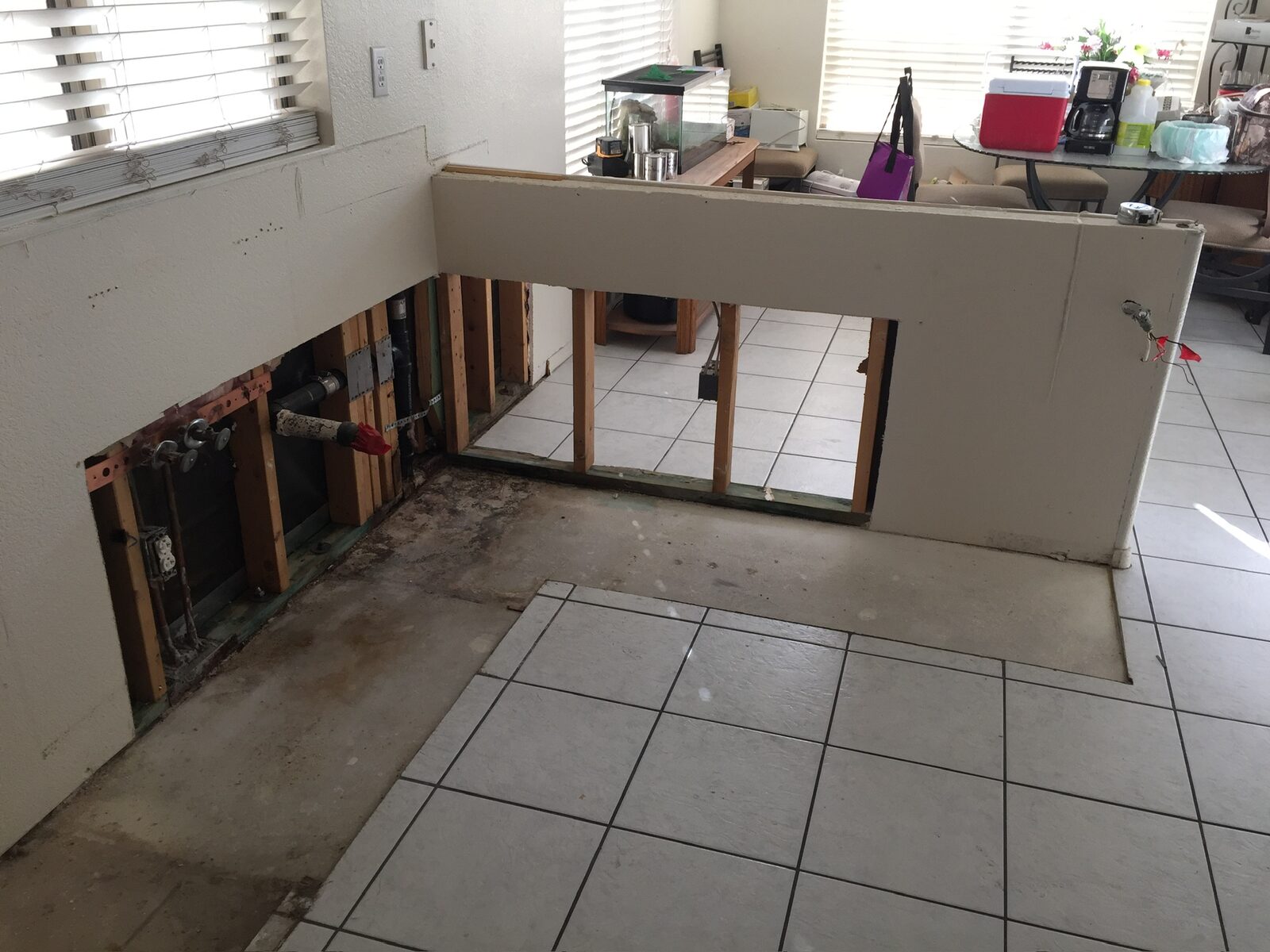
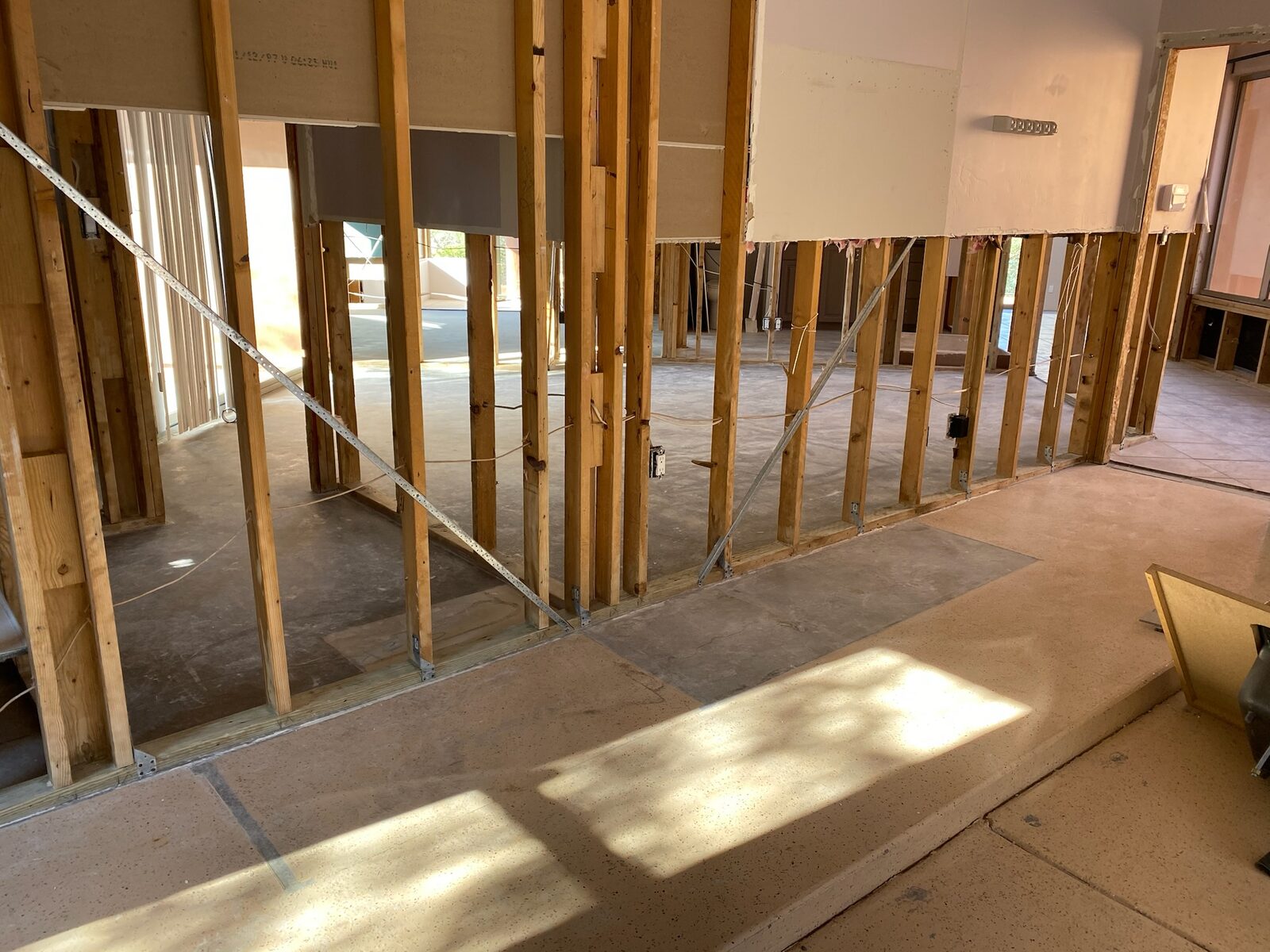
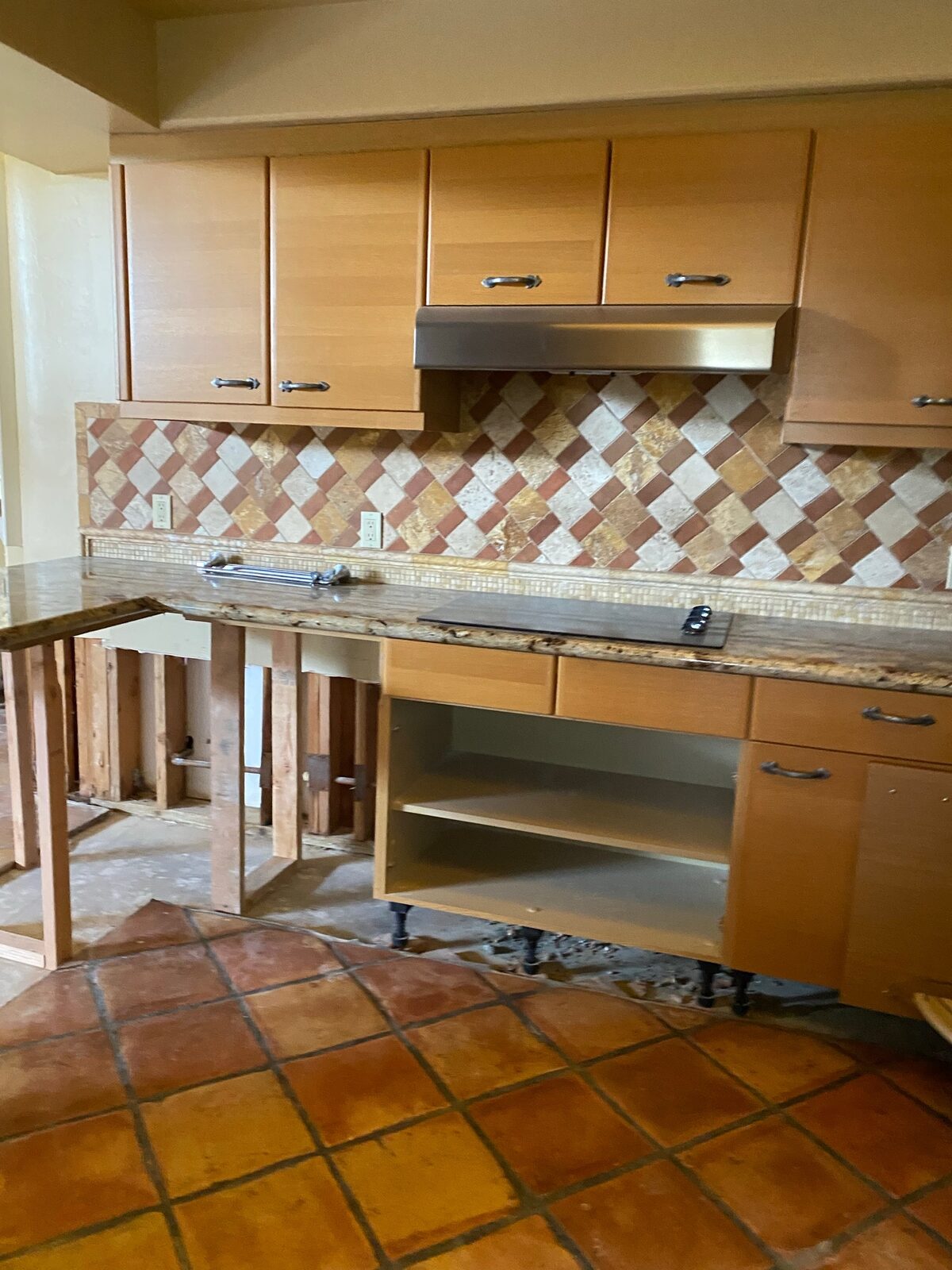
Residential reconstruction work by members of our team. See the full gallery →
More from Gold Water Fire
Fire Damage Restoration in Apache Junction, AZ
Fire and smoke damage restoration for Apache Junction homes, from board-up and soot cleanup through rebuild. Gold Water Fire, AZ ROC #264344. Call (480) 999-3339.
Reconstruction & Rebuild in Apache Junction, AZ
Rebuilding a damaged Apache Junction home after water or fire: framing, drywall, stucco, cabinets and flooring put back by Gold Water Fire. Call (480) 999-3339.
Water Damage Restoration in Apache Junction, AZ
Water damage restoration for Apache Junction homes, from slab leaks and monsoon flooding to failed water heaters. Call Gold Water Fire at (480) 999-3339.
Call when you are ready to hand part of this off
You have carried the first stretch of this on your own. The next stretch is board-up, drying, soot cleanup, odor, and a rebuild, and that is work someone can take off your hands. Call Gold Water Fire at (480) 999-3339 or email Help@goldwaterfire.com to talk through what your Litchfield Park home needs.
Call (480) 999-3339