
Fire Damage Restoration in Goodyear, AZ
The fire is out, the trucks have left, and now the house is yours again in the worst possible way. You have been walking room to room in Palm Valley or Estrella or a place off Litchfield Road, taking pictures, opening windows that do not help, wiping a black film off a countertop and finding it right back an hour later. Someone told you to make a list of what is ruined and you have started it three times. It is a lot to carry alone, and it is normal that you cannot see the order things should happen in yet.
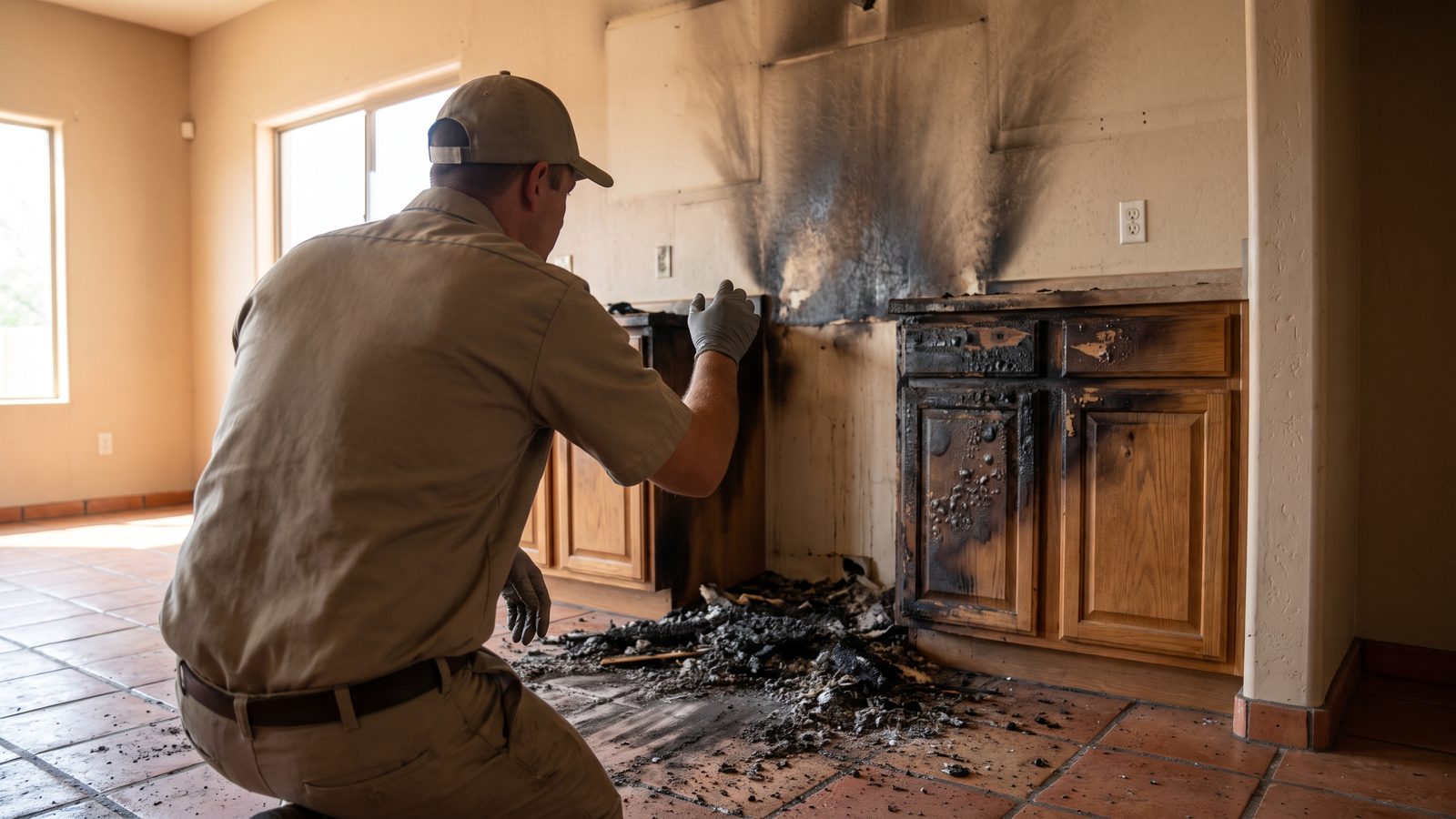
Fire Damage Restoration in Goodyear, AZ
Why fire damage behaves the way it does in a West Valley house
Most of Goodyear grew in a hurry. Large master-planned areas like Palm Valley, Canyon Trails, and Estrella filled in through the late 1990s and 2000s, which means a lot of the housing stock shares the same construction recipe: two-story stucco over wood frame, engineered truss attics, open great rooms that flow straight into the kitchen, and HVAC ductwork running through unconditioned attic space. That layout matters after a fire. An open floor plan gives smoke nothing to stop it, so a contained kitchen or garage fire routinely deposits soot in bedrooms on the far side of the house. When the air handler was running at the moment of the fire, the duct system pulls smoke into every register and redistributes it for as long as the unit runs. Garage fires are their own West Valley pattern. Goodyear garages hold lithium batteries, e-bikes, pool chemicals, spare fridges, lawn equipment and gas cans, all baking through 110-degree summers. When a garage burns, the plastics and petroleum products in it produce dense, oily soot that is far more corrosive and far harder to remove than the dry, powdery soot from burning paper or wood. That greasy residue smears if you wipe it wrong, and it etches aluminum window frames, appliance faces and bathroom fixtures within days. And there is the older stock too. The original town core near Western Avenue and the neighborhoods that served the Goodyear Farms and the wartime aircraft plant are much older, with different framing, older wiring, and materials that predate current standards. A fire in one of those homes needs a different plan than a fire in a 2004 tract build.
Monsoon, dust, and the second problem after a fire
Fire damage in Goodyear rarely stays a fire problem. The suppression water from hose lines or a sprinkler head soaks drywall, insulation and slab-adjacent flooring, and in the Valley that water does not evaporate as cleanly as people assume once it is inside a wall cavity. Wet building materials plus summer heat is a fast track to microbial growth, which is why fire jobs and water jobs get handled together rather than in sequence. That is the same reason a restoration crew will often be doing extraction and drying on day one of what everyone is calling a fire loss. Season also decides how urgent the board-up is. Monsoon storms roll through the West Valley from roughly June into September, and a burned-open roof or a broken-out slider is an invitation for a blowing dust and rain event to turn a repairable room into a total loss. Dust intrusion is a year-round issue out here, with agricultural land and open desert on the west and south sides of the city sending fine particulate into any opening. Securing the envelope, covering the roof and closing openings comes before cleanup for a reason. Lightning is the other one worth naming. Monsoon strikes and the power surges that follow them are a known cause of attic and electrical fires across the Valley, and attic fires in truss-built homes tend to involve the structure itself rather than just contents.
What actually happens, step by step
Restoration follows a fairly consistent order in the industry, and knowing it helps you stop guessing. First, the structure gets secured: board-up, roof tarp, and a decision about whether the home is safe to enter. Then power and utilities get evaluated, because heat-damaged wiring and scorched panels are not always obvious. Next comes controlled demolition, removing charred framing, saturated drywall, insulation and anything holding smoke that cannot be cleaned. Contents are inventoried and separated into cleanable and non-salvageable, and salvageable items usually leave the property so they are not re-contaminated. Then the cleaning. Soot removal is done by residue type, dry soot with dry sponges and HEPA vacuuming, oily soot with degreasing agents, and metals and glass treated quickly because acidic residue keeps working on them. Odor is the last stubborn part, since smoke molecules embed in porous materials. That is handled with source removal first, then sealing of framing where needed, then air treatment. Odor work that skips the source removal step comes back in the first hot week. After that it is rebuild: framing, drywall, texture, paint, cabinets, flooring, trim, and matching what was there before. Gold Water Fire handles both halves under one roof, mitigation through fire damage restoration and the water side at water damage restoration, then the finish work through reconstruction and rebuild. Brandon Gurr, our Construction Manager, leads the rebuild side, with Johnny running the reconstruction crew.
What changes when someone else carries it
The reason people keep doing this alone is a reasonable one: it feels like nobody else will care enough about the house. What handing it off actually gets you is sequence. A restoration contractor knows what has to be documented before it is thrown away, which is the single most common thing homeowners lose money on. Photos of the burn pattern, moisture readings, a written contents inventory and scope notes are what an adjuster works from. Once material is in a dumpster undocumented, it is hard to get paid for. It also gets you one point of contact instead of five. When mitigation and reconstruction are split between different companies, the seams are where schedules die, because nobody owns the handoff. Doing both means the crew that opened the wall is the same operation that closes it back up. Gold Water Fire is licensed in Arizona under AZ ROC #264344, KB-2. The company was founded by Jim Bennett and Jake Taylor, and the office is at 221 E Willis Rd Ste 8 in Chandler. Kristine handles the office and Brooke handles water and mitigation scheduling, so when you call there is a person tracking your job rather than a queue. You can read more about the people on this at our about page.
Questions people ask us
Do you serve all of Goodyear, including Estrella and Canyon Trails?
Yes. We cover the full Phoenix metro area, roughly bounded by NW Peoria, SE Avondale, SW San Tan Valley, NW Apache Junction, and outlying areas further than that. Goodyear sits well inside that, including Palm Valley, Canyon Trails, Estrella, the Western Avenue area and the newer growth south toward the Estrella Mountains.
Should I start cleaning the soot myself before you get there?
Hold off on wiping walls and ceilings. Oily soot smears deeper into paint and drywall when it is wiped dry, and a smeared surface often has to be replaced instead of cleaned. What does help: photograph everything before anything moves, do not run the HVAC system, and if the home is safe to enter, remove food, medication and anything you need day to day.
Can the smoke smell really be removed, or will it come back in the summer?
It can be removed, but only if the source is removed first. Smoke odor lives in porous material such as insulation, carpet pad, unsealed framing and drywall paper. Heat makes those materials release it again, which is why an odor problem that seemed solved in February returns in July. Proper work takes out the contaminated material, seals what has to stay, and then treats the air.
What if there is water damage from putting the fire out?
That is expected, and it is treated as part of the same job. Extraction and structural drying usually start immediately, because wet framing and insulation left in place lead to microbial growth and to odor that cannot be cleared later. We handle both the fire and water sides so the drying is not waiting on a second contractor.
The standard our team works to
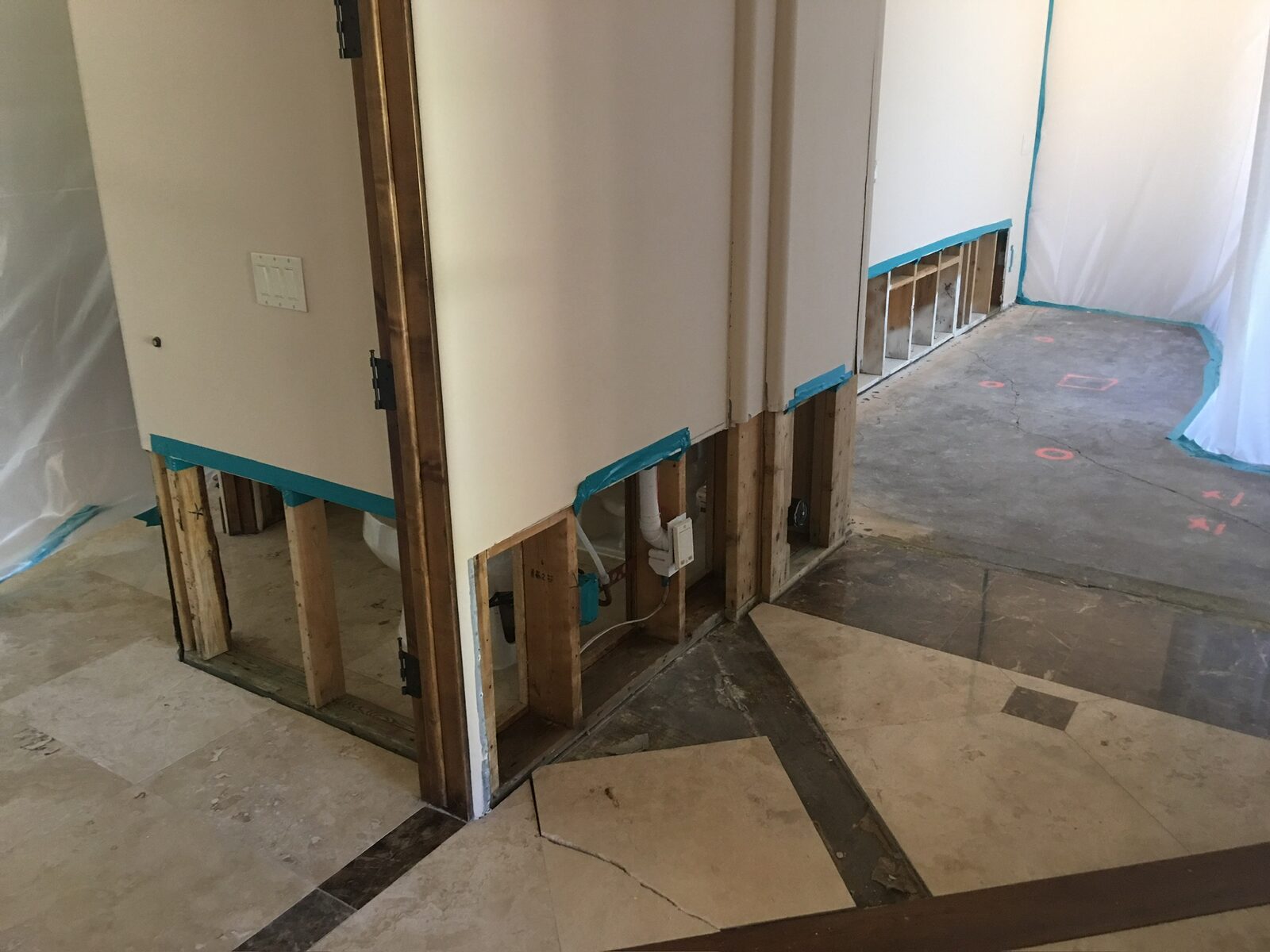
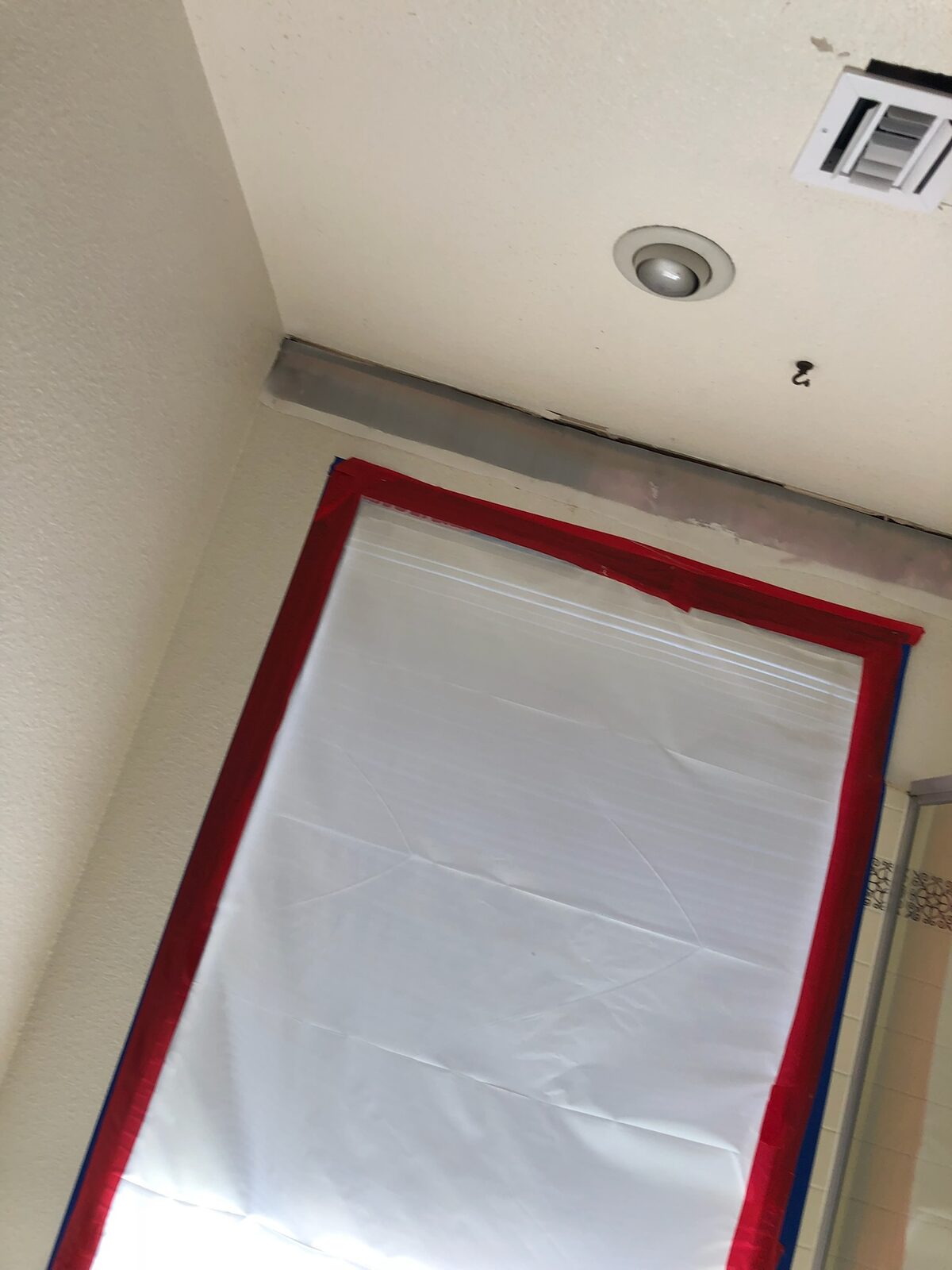
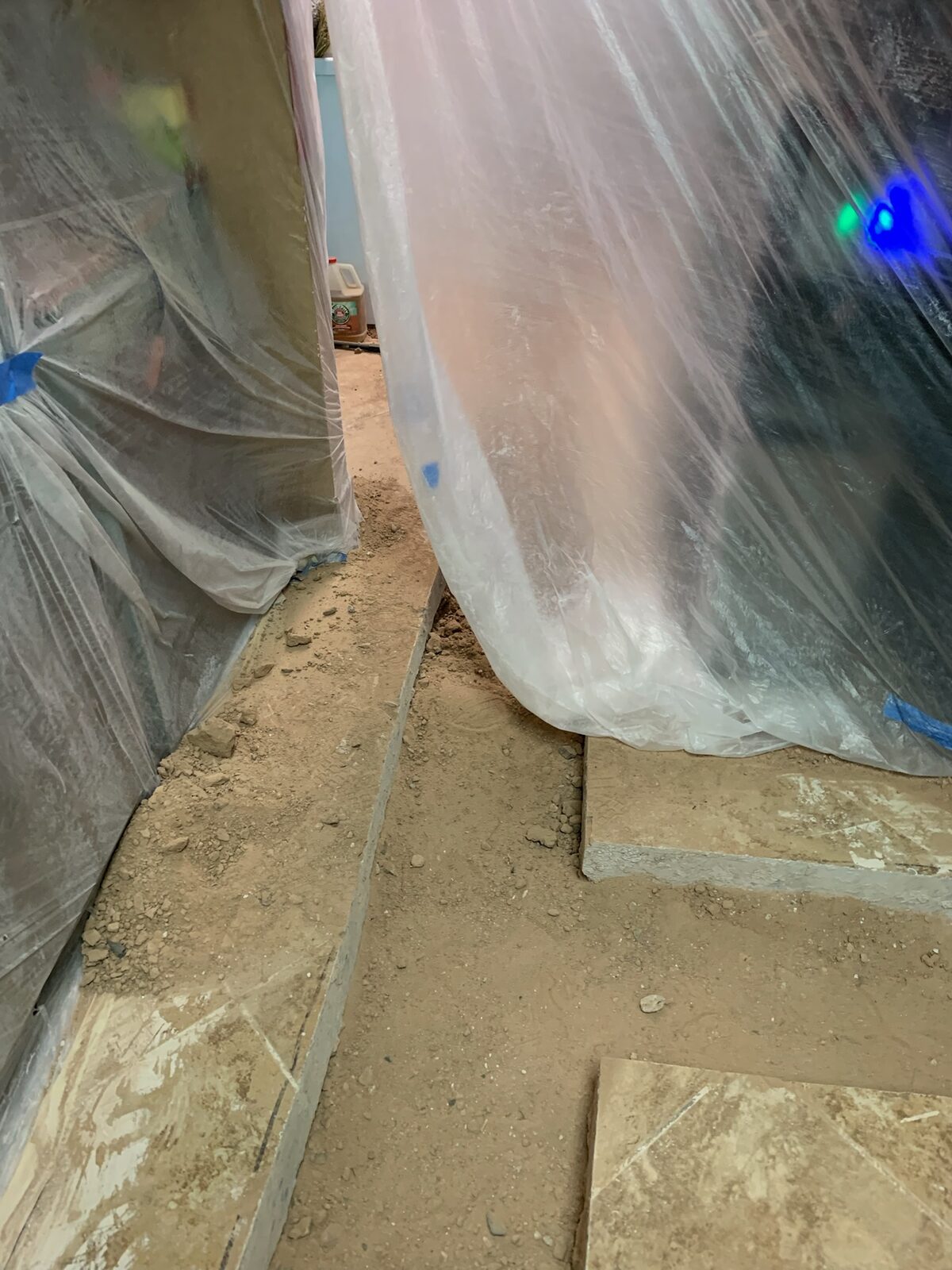
Residential reconstruction work by members of our team. See the full gallery →
More from Gold Water Fire
Fire Damage Restoration in Apache Junction, AZ
Fire and smoke damage restoration for Apache Junction homes, from board-up and soot cleanup through rebuild. Gold Water Fire, AZ ROC #264344. Call (480) 999-3339.
Reconstruction & Rebuild in Apache Junction, AZ
Rebuilding a damaged Apache Junction home after water or fire: framing, drywall, stucco, cabinets and flooring put back by Gold Water Fire. Call (480) 999-3339.
Water Damage Restoration in Apache Junction, AZ
Water damage restoration for Apache Junction homes, from slab leaks and monsoon flooding to failed water heaters. Call Gold Water Fire at (480) 999-3339.
Call when you are ready to stop doing this alone
Tell us what happened and what the house looks like right now. We will walk you through what to secure first, what not to throw away, and what the next few days should look like. Gold Water Fire, (480) 999-3339, or Help@goldwaterfire.com.
Call (480) 999-3339Fire Damage Restoration · Water Damage Restoration · Reconstruction & Rebuild · About Gold Water Fire · Contact Us