
Fire Damage Restoration in Gilbert, AZ
The fire is out, and now the house is quiet in a way it has never been. Somebody handed you a card, somebody else told you not to touch anything, and you have already walked back through the doorway once to look at the ceiling. You may have spent the last day or two calling numbers, moving cars, finding a place for the dog, and answering the same questions from three different people. That is a lot to carry while standing in a hallway that still smells like smoke.
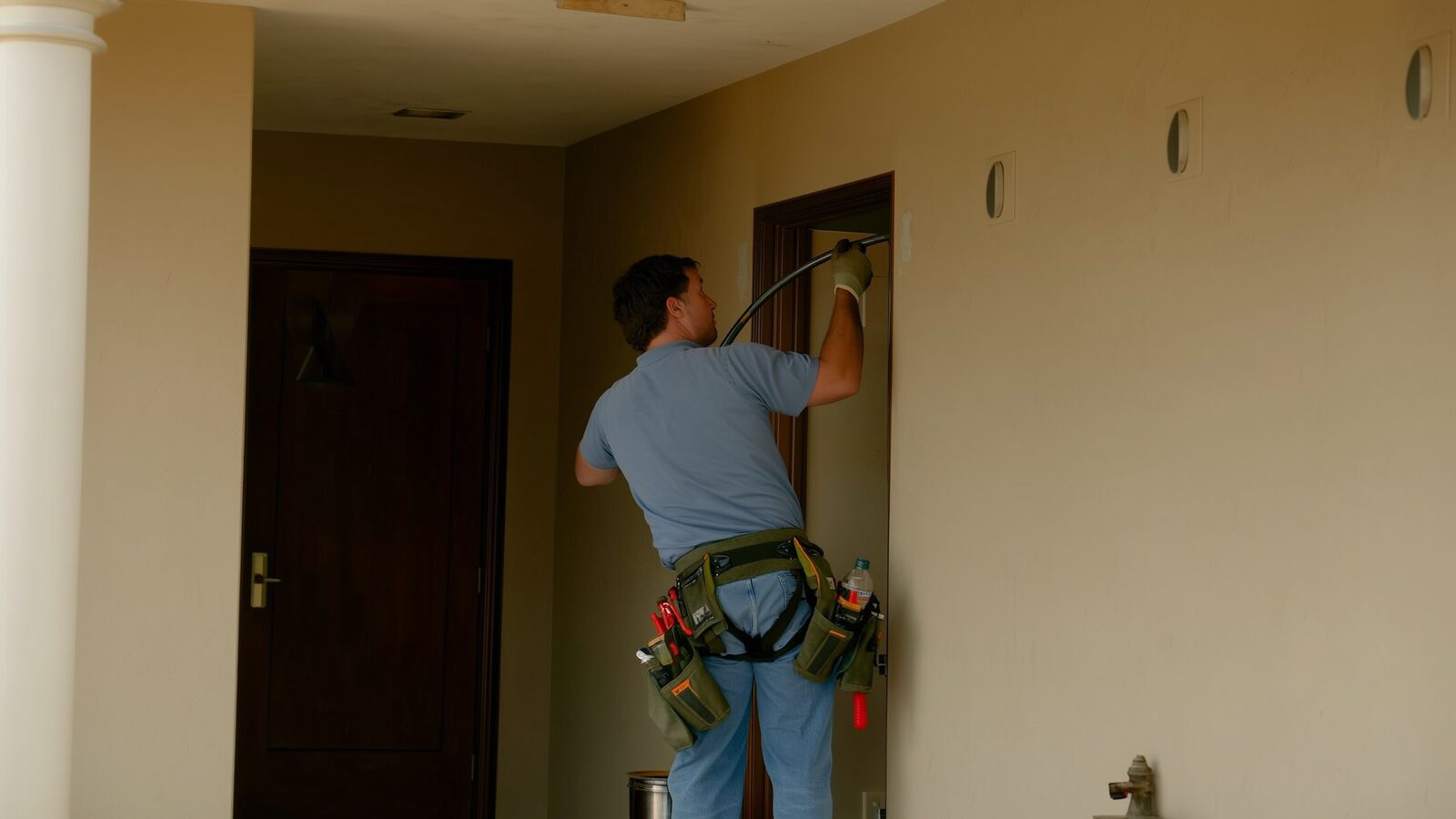
Fire Damage Restoration in Gilbert, AZ
What fire damage tends to look like in Gilbert homes
Gilbert grew fast, mostly from the 1990s through the 2000s, so a large share of the town is stucco-over-frame two-story tract housing in master-planned subdivisions like Val Vista Lakes, Power Ranch, Seville, and Morrison Ranch, with older ranch homes and former farm properties closer to Gilbert and Elliot. That construction era matters after a fire. Those homes usually have open great rooms with two-story entries and vaulted ceilings, which lets smoke stack high and travel far from the room where the fire started. Blown-in attic insulation over trussed roofs absorbs smoke odor and holds it, and flexible HVAC ducting running through that hot attic pulls soot into bedrooms that never saw flame. Second-floor laundry rooms, common in this housing stock, put dryer lint fires directly above finished living space, so you get fire damage above and water damage below from the suppression. Homes on the older farm parcels in south and east Gilbert are more likely to have detached garages, outbuildings, or aging subpanels involved.
Why the season changes the risk here
Gilbert sits in a low desert climate where the same house faces two very different fire risks over the year. From May through September, attic temperatures climb well above outdoor highs, and air conditioning systems run nearly nonstop. Overloaded circuits, failing condenser wiring, and stressed extension cords powering pool equipment and garage freezers show up more in that stretch. Monsoon lightning and the voltage sags and surges that follow storms add another path to electrical faults. Then in the winter, the pattern flips: cold desert nights bring out space heaters, fireplaces used only a few times a year, and outdoor fire pits on patios, along with holiday cooking and decorative lighting. Backyard grills placed close to stucco walls and dry landscaping are a year-round problem, and citrus trees and oleander hedges that dried out over a hot summer make good fuel next to a fence line.
What actually happens after the fire trucks leave
Restoration after a fire runs in a fairly predictable order, and knowing it helps you tell what is on track. First comes making the structure safe and closed: power and gas confirmed off, unstable areas cordoned, openings boarded and the roof tarped so the next storm does not add water damage. Next, water and moisture from firefighting get pulled out, because soaked drywall and carpet pad turn into a mold problem within days in this climate. Then the hard demolition, removing charred framing, melted wiring, and materials that hold odor no matter how they are cleaned. Soot cleanup follows, and it is not one method: dry soot from a fast-burning paper or wood fire is vacuumed and dry-sponged before anything wet touches it, while greasy protein residue from a kitchen fire needs degreasing agents and often several passes. Contents get inventoried, with salvageable items cleaned off site and unsalvageable ones documented for your claim. Odor work targets the places smoke settled: attic insulation, duct interiors, wall cavities, and the underside of subfloors. Only then does rebuilding start. Fire work and rebuild work are two different trades, and handing them off between two unrelated companies is where schedules usually fall apart.
Why it is reasonable to hand this off now
You do not need to become an expert in soot chemistry or insurance line items to get your house back. Gold Water Fire handles fire damage restoration, the water damage left behind by suppression, and the reconstruction and rebuild that puts drywall, cabinets, paint, and flooring back, so one company carries the job from board-up to the last coat of paint. Brandon Gurr, our Construction Manager, leads the rebuild side. Co-founders Jim Bennett and Jake Taylor started the company, and Kristine keeps paperwork and scheduling moving so you are not the one chasing updates. We are licensed in Arizona under AZ ROC #264344, KB-2, and we work throughout the Phoenix metro, so Gilbert addresses from Higley Road to the Loop 202 are ordinary ground for us. You can read more about the team or simply call and describe what you are looking at.
Questions people ask us
Should I go back in and start cleaning the smoke myself?
It is better to wait until the structure has been checked. Beyond the safety question of unstable framing and damaged wiring, wiping soot with a wet cloth can drive residue deeper into paint and drywall and make it permanent, and running the HVAC can spread soot into rooms that were clean. If you go in for essentials, keep it short, avoid disturbing settled soot, and photograph what you take.
Why is there water damage when the fire was in one room?
Fire suppression puts a lot of water into a house very quickly, and it follows gravity. In Gilbert's common two-story floor plans, a fire in an upstairs bedroom or laundry room means the water ends up in the ceiling, insulation, and flooring of the rooms below. In this climate wet materials need to be dried out or removed fast, so water work usually starts the same time as fire cleanup.
Do I need separate companies for the cleanup and the rebuild?
You do not. Gold Water Fire does the mitigation and cleanup as well as the reconstruction, including drywall, texture, paint, cabinets, trim, and flooring. Keeping it under one contractor means the rebuild scope is written by the same people who saw what was behind the walls.
Which parts of the Gilbert area do you cover?
All of it, along with the broader Phoenix metro. Our service area runs from northwest Peoria to southeast Avondale, southwest San Tan Valley, and northwest Apache Junction, plus outlying areas further than that, so neighboring Chandler, Mesa, Queen Creek, and Tempe addresses are covered too.
The standard our team works to
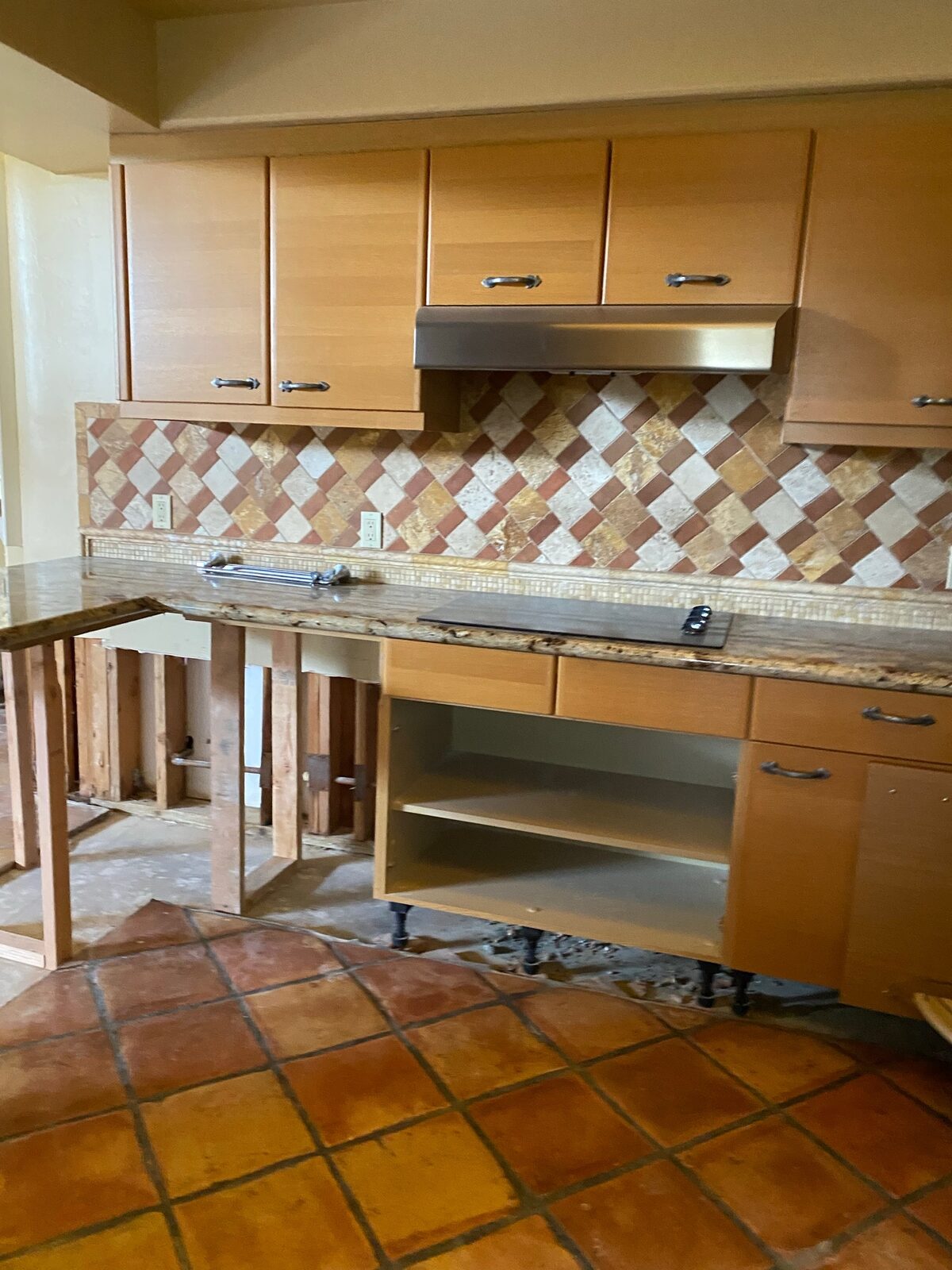
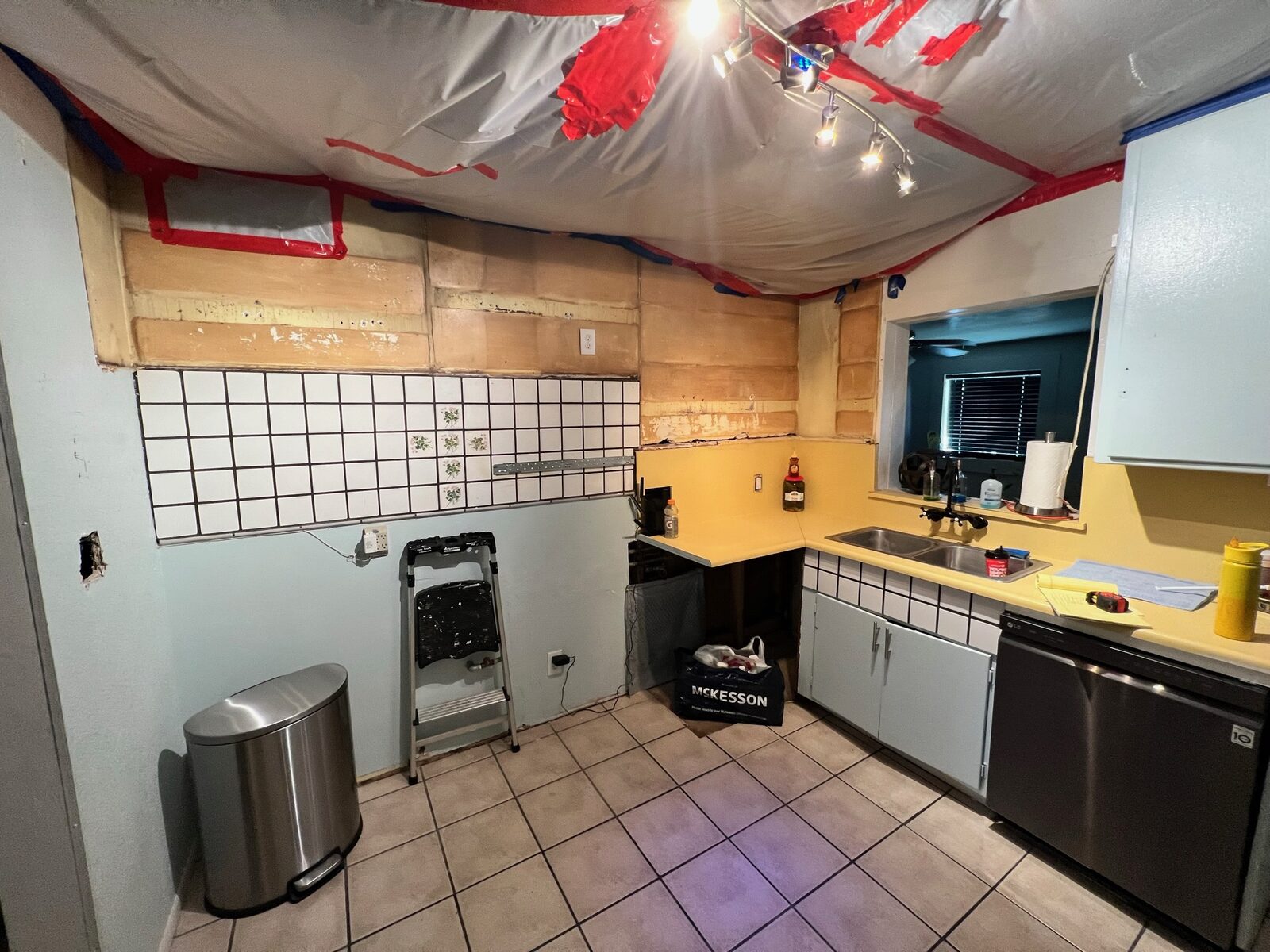
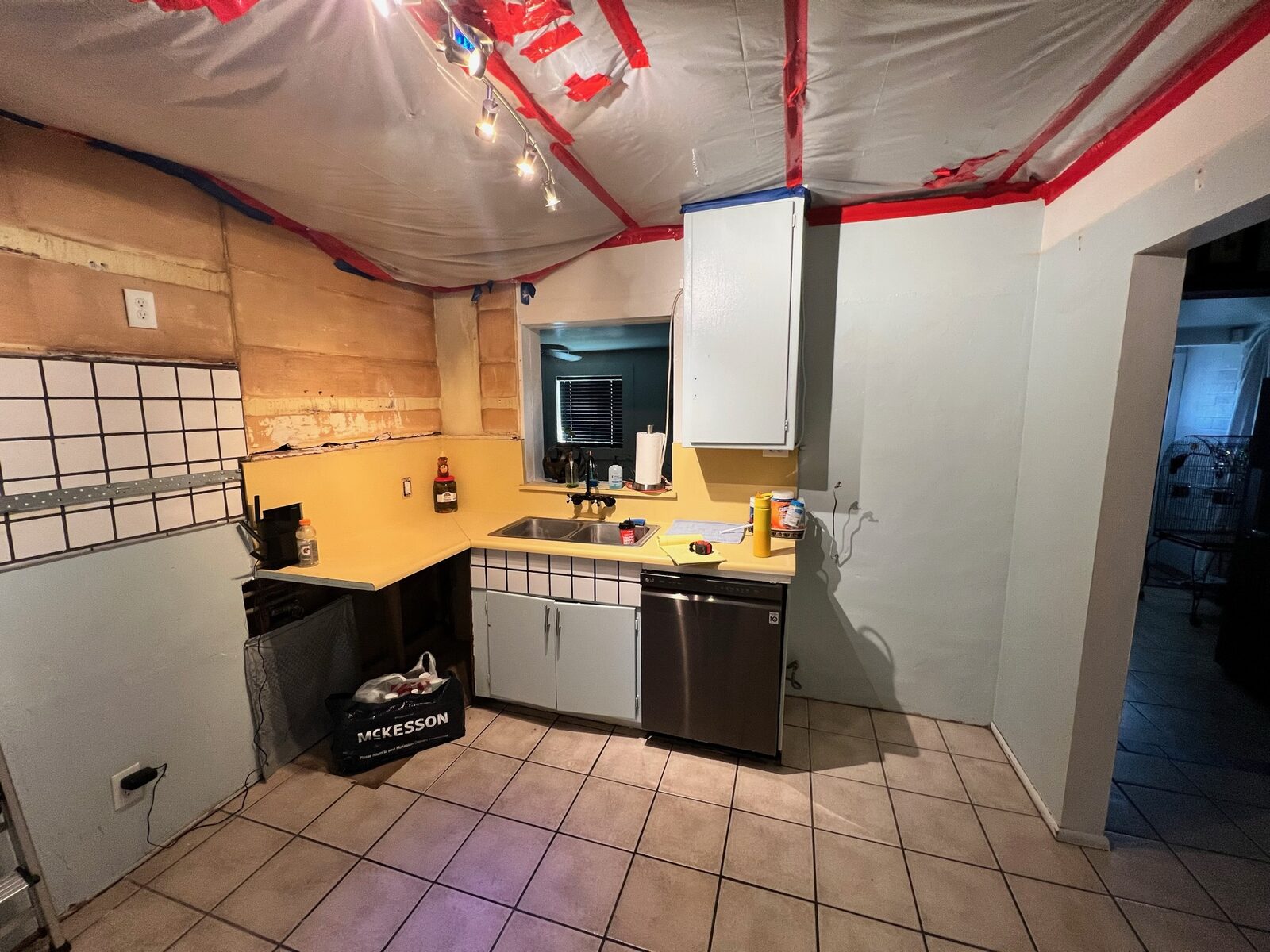
Residential reconstruction work by members of our team. See the full gallery →
More from Gold Water Fire
Fire Damage Restoration in Apache Junction, AZ
Fire and smoke damage restoration for Apache Junction homes, from board-up and soot cleanup through rebuild. Gold Water Fire, AZ ROC #264344. Call (480) 999-3339.
Reconstruction & Rebuild in Apache Junction, AZ
Rebuilding a damaged Apache Junction home after water or fire: framing, drywall, stucco, cabinets and flooring put back by Gold Water Fire. Call (480) 999-3339.
Water Damage Restoration in Apache Junction, AZ
Water damage restoration for Apache Junction homes, from slab leaks and monsoon flooding to failed water heaters. Call Gold Water Fire at (480) 999-3339.
Call and tell us what you are looking at
You have already done the hard part by getting everyone out. Call Gold Water Fire at (480) 999-3339 or email Help@goldwaterfire.com, describe the damage, and we will take it from there. Our office is at 221 E Willis Rd Ste 8, Chandler, AZ 85286, a short drive from most of Gilbert.
Call (480) 999-3339Fire Damage Restoration · Water Damage Restoration · Reconstruction & Rebuild · About Gold Water Fire · Contact Us