
Fire Damage Restoration in Fountain Hills, AZ
The fire is out, the trucks have pulled off your street, and now the house is quiet in a way it has never been. You have been walking room to room with a flashlight, opening windows that will not clear the smell, deciding whether the clothes in the closet are worth saving, whether the kids should see this yet. Someone told you to take photos, so you did. Someone else told you not to touch anything, so you stopped. If you have been carrying every one of these decisions by yourself since the moment it happened, that is not a failure of organization. That is what the first days after a house fire actually feel like.
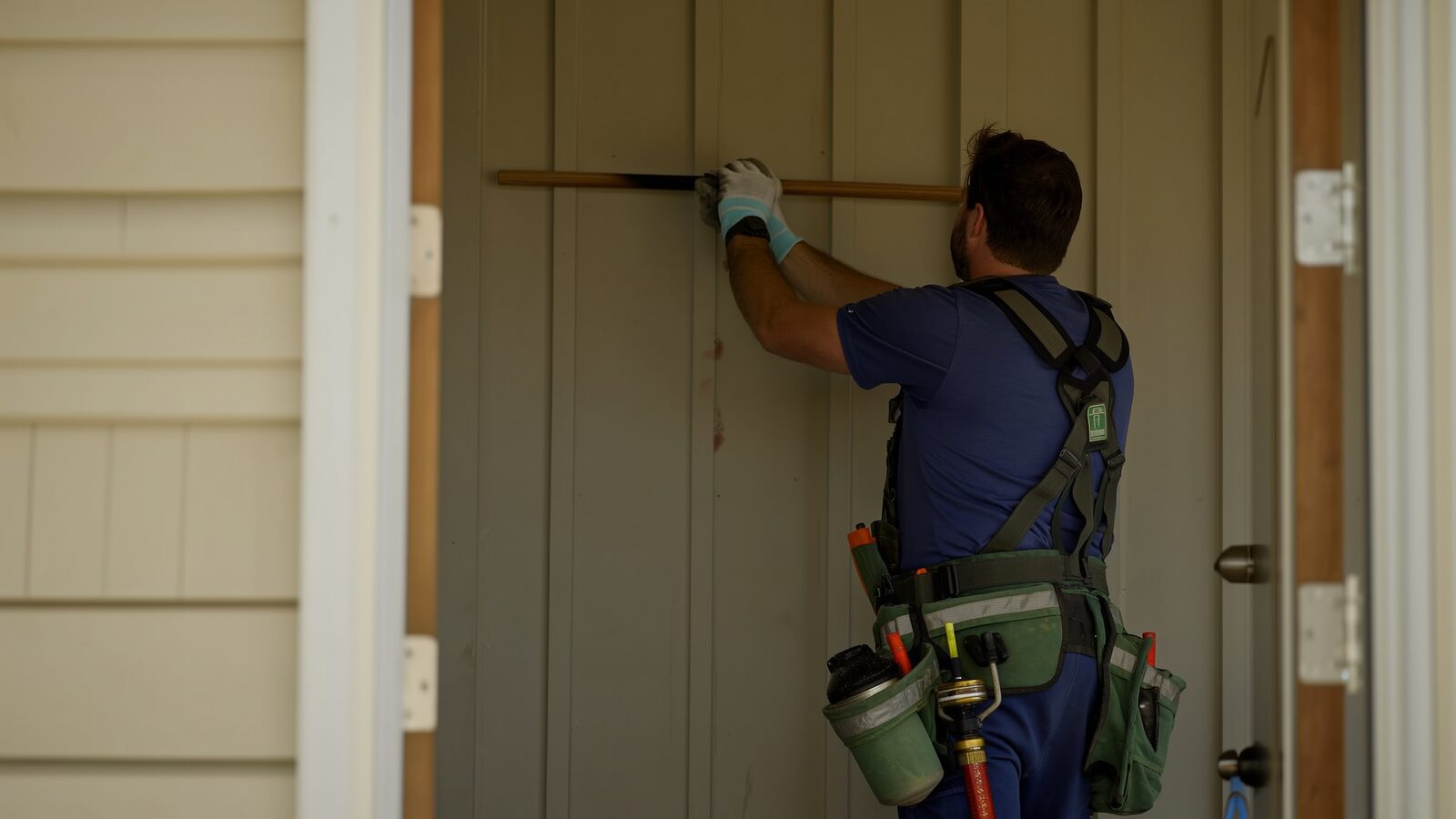
Fire Damage Restoration in Fountain Hills, AZ
What fire damage looks like in Fountain Hills homes
Fountain Hills grew up mostly from the 1970s onward, with a heavy build-out through the 1990s and 2000s, so much of the town's housing stock is stucco over wood frame with tile roofs, open great rooms, and vaulted ceilings. That layout matters after a fire. A vaulted great room acts like a chimney: smoke rises fast, spreads across the ceiling plane, and then rolls back down the walls, which is why soot staining often shows up worst in a bedroom two doors away from where the fire actually started. Homes built on the hillsides above Saguaro Boulevard and up toward the Eagle Mountain and Firerock areas frequently have multi-level splits and mechanical rooms tucked into the lower level, and HVAC returns in those homes will pull smoke into every duct run within minutes. The other Fountain Hills factor is the desert edge. Properties backing onto McDowell Mountain Regional Park and the preserve boundary sit right up against native brush that cures out by late spring. After a wet winter, the grasses that come in green in February are fuel by May, and the summer monsoon brings dry lightning ahead of the rain. Exterior fires that start in landscaping or at a wall, even when crews knock them down quickly, drive smoke under tile and into attic vents, where it settles in blown insulation and stays.
Why smoke damage keeps working after the fire stops
Soot is not just dirt. A structure fire burns plastics, foam, carpet backing, and wiring insulation, and the residue that leaves behind is acidic and fine enough to bond into porous surfaces. On glass, mirrors, and chrome fixtures it etches. On unsealed masonry, grout, and raw framing it soaks in. Left alone for a couple of weeks, that residue turns temporary discoloration into permanent staining and starts corroding metal, which is why exposed appliance coils, door hardware, and electrical contacts can be fine on day one and pitted by the end of the month. Odor behaves the same way. Smoke particles are small enough to move into wall cavities, attic insulation, subfloor, and the foam inside upholstery. Air fresheners cover the top of it; heat, especially the kind that builds in a closed-up Fountain Hills house in July, drives it right back out. Real odor work means removing the materials that hold it, cleaning the ones that can be saved with the right chemistry for the residue type (wet smoke from smoldering plastics needs a different approach than dry, powdery soot from a fast-burning paper or wood fire), sealing framing where needed, and treating the air after the source is gone rather than before.
How the work actually goes, start to finish
There is a real order to this, and knowing it helps when your insurance adjuster starts using words nobody explained to you. Our team walks it with you.
Make it secure and stop the spread
Board-up of openings, roof tarping where fire crews cut ventilation holes, and shutting down the HVAC system so it stops moving soot through clean parts of the house. If firefighting water soaked floors or lower levels, drying starts immediately, because water damage on top of fire damage compounds fast in an Arizona summer.
Document before anything moves
Photographs, room-by-room inventory, and notes on what is salvageable and what is not, in the format insurance carriers expect. This is the part homeowners most often shoulder alone, and it is the part that most affects what gets covered.
Clean, remove, and deodorize
Contents pack-out where it makes sense, controlled demolition of materials holding smoke, surface-by-surface soot removal matched to the residue type, and duct cleaning so the system is not reseeding the house the first time you run the AC.
Rebuild what was lost
Framing, drywall, texture and paint, flooring, cabinetry, and trim. Brandon Gurr, our Construction Manager, leads the reconstruction side, and Johnny runs the rebuild crew on site. You can read more about that work on our reconstruction and rebuild page.
One team from the first tarp to the last coat of paint
The reason this matters in practice: fire jobs get handed off. A cleanup crew does mitigation, leaves, and a general contractor bids the rebuild weeks later from someone else's notes. Every handoff is a place where scope gets lost and you end up re-explaining your own house to a stranger. Gold Water Fire does the mitigation and the reconstruction, so the people who documented the damage are the people who put it back. Kristine handles the office side, Brooke schedules the water and mitigation work, and Jim Bennett and Jake Taylor founded the company. We are licensed in Arizona under AZ ROC #264344, KB-2, we work out of Chandler, and Fountain Hills is well inside the Phoenix metro area we cover. If firefighting water is part of what you are dealing with, our water damage restoration and fire damage restoration pages go into more detail, and you can meet the team on our about page. You have been the one making every call about this house since it happened. Handing the next part to someone who does this work full time is not giving up control of your home. It is putting the documentation, the chemistry, and the rebuild in the hands of people who already know the order they go in.
Questions people ask us
Can I stay in my Fountain Hills house while the work is done
It depends on where the fire was, how far smoke traveled, and whether power, water, and HVAC are usable. A kitchen fire contained to one room with limited smoke spread sometimes allows you to stay in another part of the house. Anything involving structural damage, heavy soot through the ductwork, or a compromised electrical panel usually means staying elsewhere while the affected areas are cleaned and rebuilt. We will tell you plainly which situation you are in after we walk the house.
Should I try to clean the soot off the walls myself
Please do not scrub it. Dry soot on painted drywall lifts with specialized dry sponges, and wiping it with a wet cloth grinds the residue into the paint and turns a cleanable surface into one that has to be replaced. The same is true for fabric and carpet. If you want to help, focus on removing undamaged belongings from clean rooms and keeping the HVAC off so nothing new gets circulated.
How does insurance usually work on a fire claim
Most homeowners policies cover fire and the water used to put it out, plus smoke damage, and often additional living expenses if the home is not habitable. Your carrier assigns an adjuster who inspects and writes an estimate. The single most useful thing you can do is document everything before items are moved or removed. We prepare the photos, inventory, and scope documentation as part of the job and work directly with your adjuster so you are not the middle man translating between two sides.
Do you handle the rebuild too, or just the cleanup
Both. We do the mitigation work (securing the structure, drying, soot removal, deodorizing) and then the reconstruction: framing, drywall, paint, flooring, cabinets, and trim. Reconstruction is led by our Construction Manager, Brandon Gurr, with Johnny leading the crew on site.
The standard our team works to
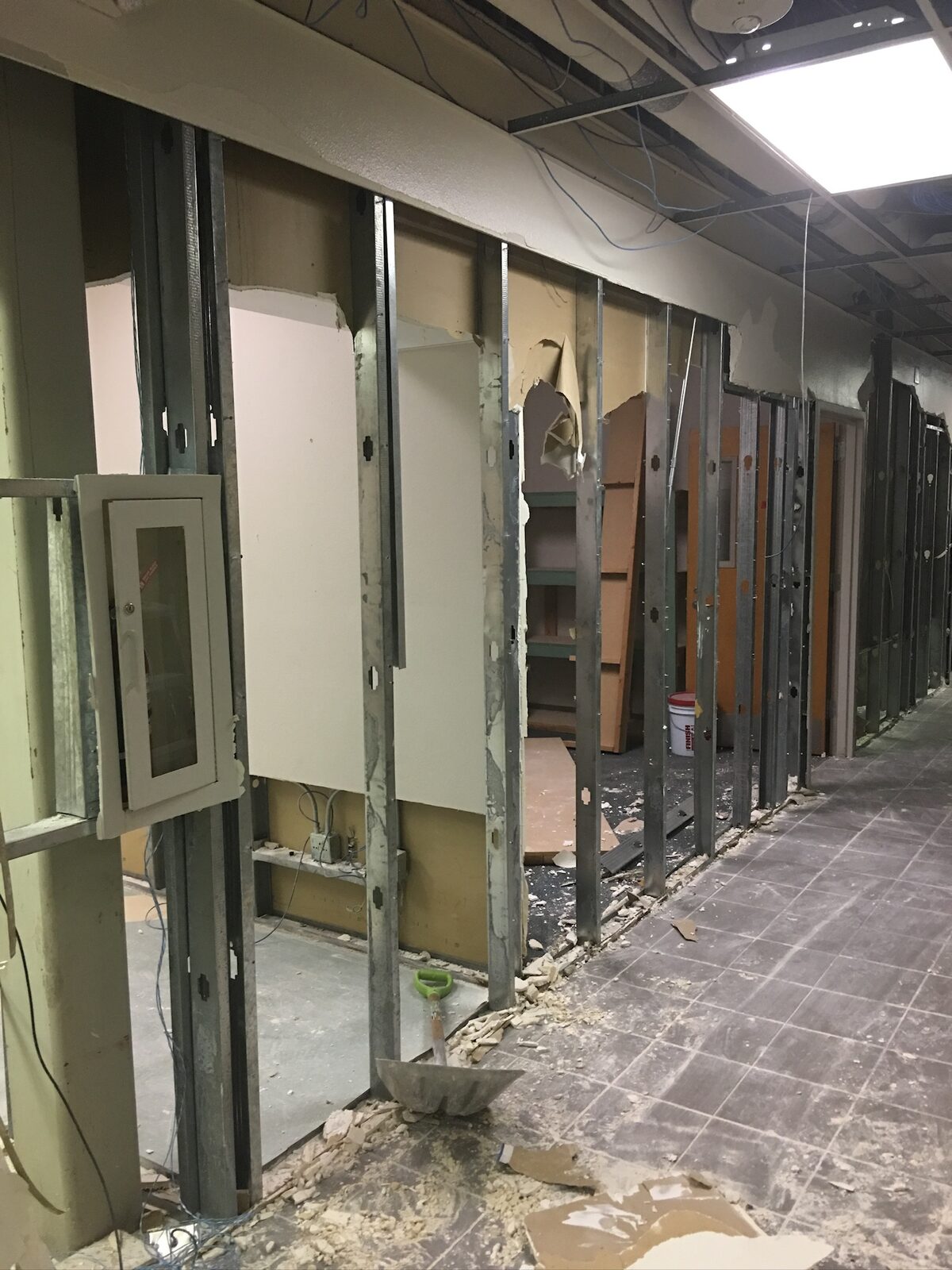
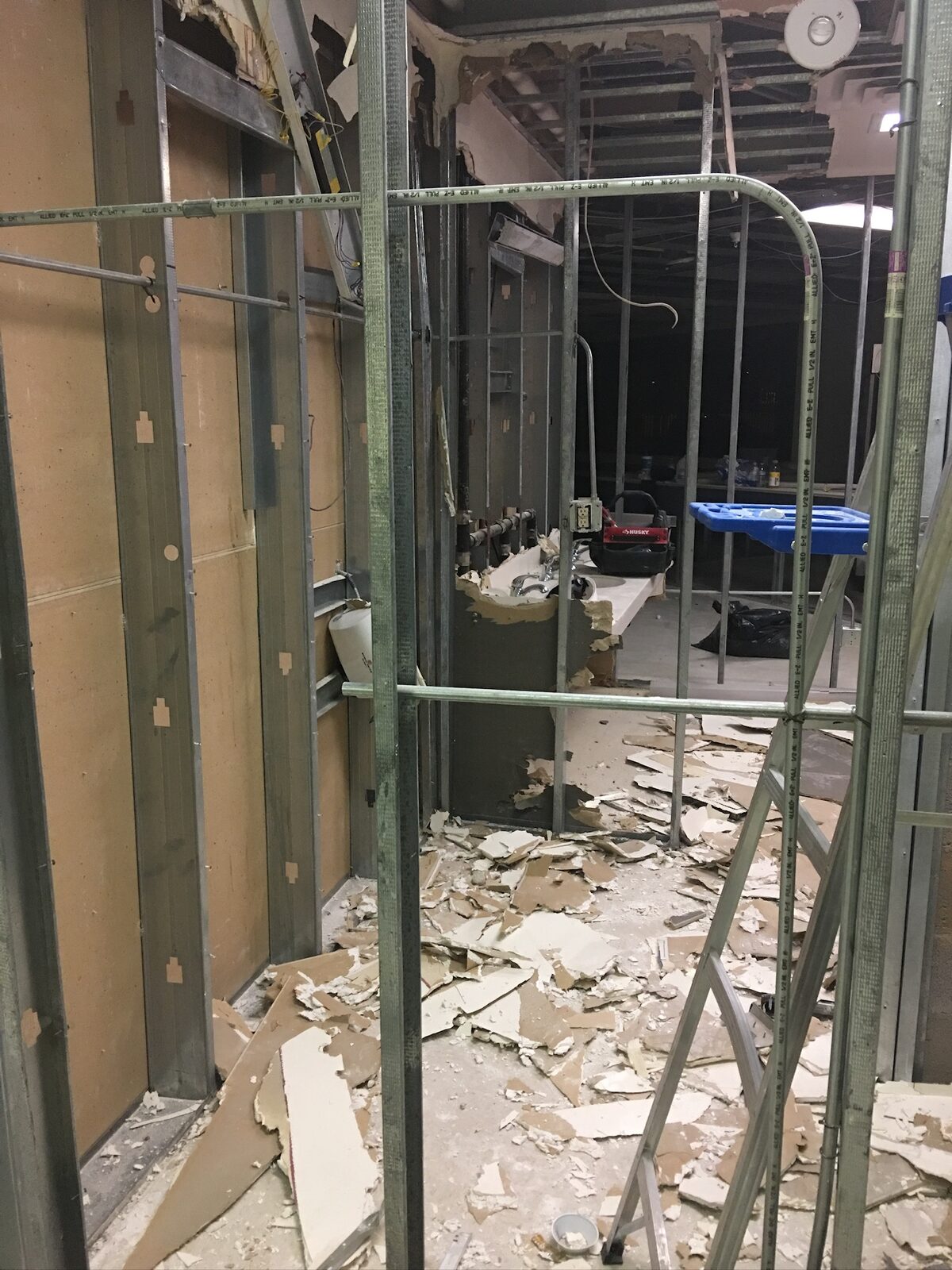
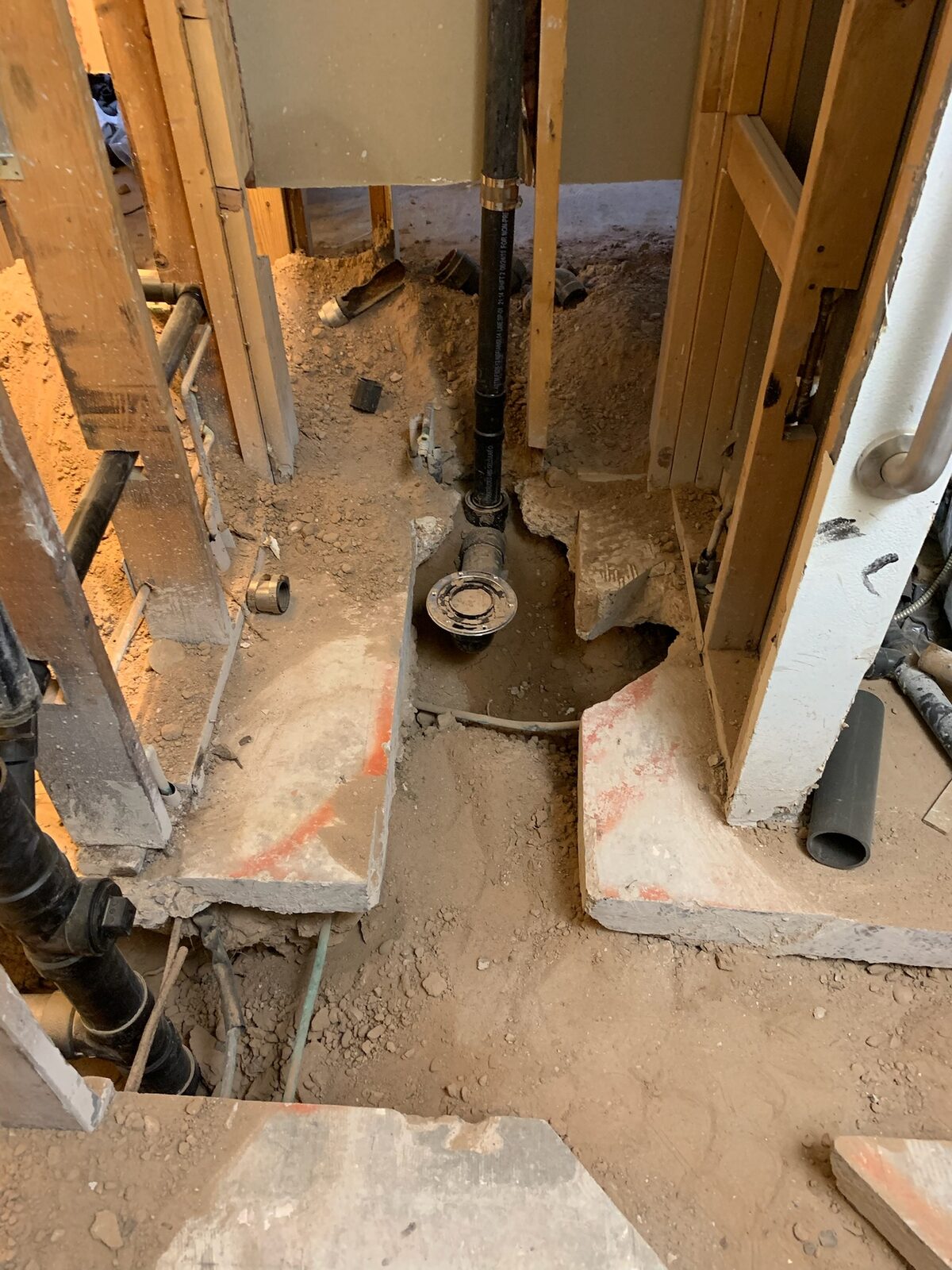
Residential reconstruction work by members of our team. See the full gallery →
More from Gold Water Fire
Fire Damage Restoration in Apache Junction, AZ
Fire and smoke damage restoration for Apache Junction homes, from board-up and soot cleanup through rebuild. Gold Water Fire, AZ ROC #264344. Call (480) 999-3339.
Reconstruction & Rebuild in Apache Junction, AZ
Rebuilding a damaged Apache Junction home after water or fire: framing, drywall, stucco, cabinets and flooring put back by Gold Water Fire. Call (480) 999-3339.
Water Damage Restoration in Apache Junction, AZ
Water damage restoration for Apache Junction homes, from slab leaks and monsoon flooding to failed water heaters. Call Gold Water Fire at (480) 999-3339.
Call when you are ready to hand this off
Reach Gold Water Fire at (480) 999-3339 or email Help@goldwaterfire.com. Tell us what happened and where in the house it started, and we will walk you through what comes next for your Fountain Hills home. Our office is at 221 E Willis Rd Ste 8, Chandler, AZ 85286, and you can also reach us through our contact page.
Call (480) 999-3339Fire Damage Restoration · Water Damage Restoration · Reconstruction & Rebuild · About Gold Water Fire · Contact Us