
Fire Damage Restoration in Buckeye, AZ
The fire is out, and now the house is quiet in a way it has never been. Everything smells like it. You have been walking room to room deciding what is ruined and what might be saved, opening windows, closing them again when the heat comes in, answering the same questions from the same insurance line, and telling everyone who calls that you are handling it. Most people in this position have already been carrying it alone for a day or two longer than they should have.
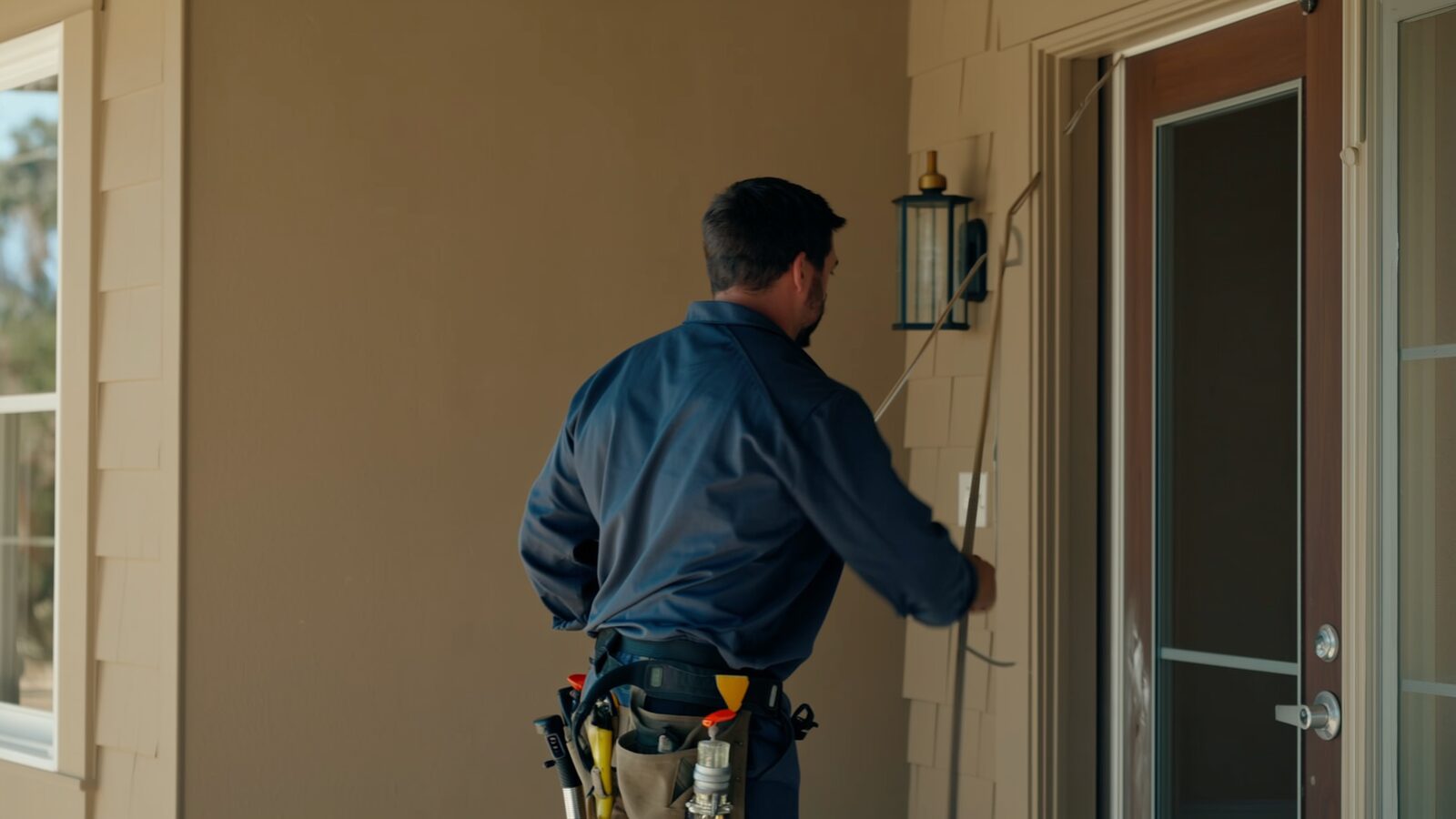
Fire Damage Restoration in Buckeye, AZ
Why smoke keeps spreading after the fire is out
Fire damage is not finished when the flames are. Smoke residue is acidic, and it keeps working on whatever it settled on. In the first days after a fire it etches aluminum window frames, discolors chrome and brass fixtures, hazes glass permanently, and pits the finish on stainless appliances. On painted drywall it can go from a wipeable film to a stain that will not come off with anything short of sealing and repainting. The other half of the problem is that smoke moved through the house before anyone could stop it. Warm smoke rises and follows air pressure, so it gets pulled into return vents, up through can lights into the attic, along the top plates of interior walls, and into closets and drawers on the far side of the home from the fire. That is why a kitchen fire in Verrado can leave the master closet at the other end of the house smelling like it burned. Water is usually part of it too. Suppression water and firefighter overhaul soak carpet pad, drywall bottoms, and cabinet kicks, and that water carries soot with it. If it sits, you end up with a fire loss and a water damage problem stacked on top of each other.
What Buckeye housing and weather change about the job
Buckeye grew fast, and most of the homes here are relatively new production builds: two-by-four framing, engineered truss attics, blown fiberglass or cellulose insulation, stucco over foam on wire lath, and tile roofs. That construction affects fire cleanup in concrete ways. Blown attic insulation absorbs smoke odor and generally has to come out rather than be cleaned, because you cannot wipe down loose fill. Engineered trusses and OSB sheathing char differently than dimensional lumber, and the char has to be evaluated and often sanded or sealed rather than assumed sound. Sealed, tight envelopes with modern HVAC mean the duct system distributed smoke efficiently before anyone shut it off. Thermofoil and melamine cabinet doors, common in this housing stock, delaminate and bubble from radiant heat well outside the room that burned, which is why cabinets three feet from a stove fire can look fine and cabinets across the kitchen do not. Vinyl plank flooring softens and cups from the same heat. The local risk pattern is its own thing. Buckeye sits at the west end of the valley with real desert edge on the Sonoran side and open agricultural land toward the Palo Verde area, so brush and vegetation fire is a live concern in a dry spring following a wet winter. Monsoon season brings lightning and hard power swings, and outbuilding fires, garage fires, and pool equipment or electrical panel fires spike in summer heat when everything is running at load. Detached casitas, shops, and RV garages, which are more common on the larger Buckeye lots than in tighter valley subdivisions, add structures that are often less monitored and slower to be noticed.
What cleanup and rebuild actually involve
A fire job runs in phases, and knowing the order helps when you are trying to decide what to worry about today. First is making the structure safe and secure: board-up, tarping any roof opening, and shutting down utilities as needed. Then comes the water, if there is any, because drying has to happen before finish cleaning is worth doing. After that is the demolition and removal that most homeowners underestimate. Charred framing, smoke-saturated insulation, unsalvageable drywall, and affected cabinetry come out. Only then does cleaning make sense: HEPA vacuuming, dry sponge work on soot before any wet cleaning, wet cleaning with the right chemistry for the soot type (protein soot from a cooking fire behaves nothing like the dry, sooty residue from burned paper or the oily residue from burned plastics), duct cleaning, and sealing surfaces that keep releasing odor. Contents are handled separately. Some things clean, some things do not, and the honest version of that conversation happens item by item rather than in a blanket promise. Then the house has to be put back: drywall, texture matched to the rest of the home, paint, trim, cabinets, flooring, and whatever else came out. That last part is reconstruction, and it is where a lot of homeowners get stranded, because the cleanup crew leaves and the rebuild has to be arranged all over again with someone new.
Odor is not a smell problem, it is a source problem
Fogging or ozone alone does not fix odor that is coming from insulation, duct interiors, and porous framing. If the source stays, the smell comes back the first hot week.
Documentation matters more than speed here
Photographs, moisture readings, and a room-by-room scope written before demolition are what your claim gets adjusted against. Once material is in a dumpster, it is hard to argue for.
Cleanup and rebuild under one contractor
Gold Water Fire holds AZ ROC license #264344 KB-2, and Construction Manager Brandon Gurr leads the reconstruction side, so the demo, the drying, and the putting-back are handled by the same company.
Working with Gold Water Fire in Buckeye
Gold Water Fire is based at 221 E Willis Rd Ste 8 in Chandler and works the full Phoenix metro area, which for us reaches out past Avondale and Goodyear to Buckeye and the outlying areas beyond. Co-founders Jim Bennett and Jake Taylor built the company to handle both halves of a fire loss: the mitigation and cleaning and the rebuild that follows. Brooke handles water and mitigation scheduling, Kristine runs the office and paperwork side, Johnny leads the reconstruction crews, and Brandon Gurr manages the construction work. What that means for you is one phone number for the whole thing. You are not coordinating a cleaning company, a general contractor, and an adjuster against each other while living somewhere else. You can read more about who we are, or just call and describe what happened. There is no version of this where you get the day back. But the part where you stand in the middle of it deciding what to do next by yourself can end today.
Questions people ask us
Should I try to clean the soot myself before anyone gets there?
Generally no, and especially not with water or household cleaners. Wet-wiping fresh soot on painted drywall drives it into the surface and turns a cleanable film into a permanent stain. Dry soot is removed dry first, with chemical sponges and HEPA vacuuming, before anything wet touches it. If you want to do something useful, keep the HVAC off so it stops circulating smoke, and take photos of every room before anything is moved.
Can I stay in the house during fire restoration?
It depends on how much of the home was affected and whether the electrical and HVAC systems are safe to run. Even in a limited fire, demolition, air scrubbers, and odor sealing make most homes hard to live in, and smoke residue is an irritant. Many policies include additional living expense coverage for this reason. Ask your adjuster about it early rather than after you have already paid for a hotel out of pocket.
Does everything that smells like smoke have to be thrown out?
No. Hard, non-porous items usually clean well. Textiles and soft goods often clean through specialized laundering or ozone treatment. The hard cases are heavily porous and heat-affected items: mattresses, upholstered furniture that took heat, particleboard furniture, and food or medication exposed to smoke. The right approach is going through contents item by item and documenting what is not salvageable, rather than deciding by category.
Do you handle the rebuild in Buckeye, or just the cleanup?
Both. Gold Water Fire is licensed for construction under AZ ROC #264344 KB-2, and Construction Manager Brandon Gurr leads the reconstruction and rebuild side. Drywall, texture, paint, cabinets, flooring, and trim are handled by the same company that did the mitigation, so you are not restarting the process with a new contractor once the cleaning is finished.
The standard our team works to
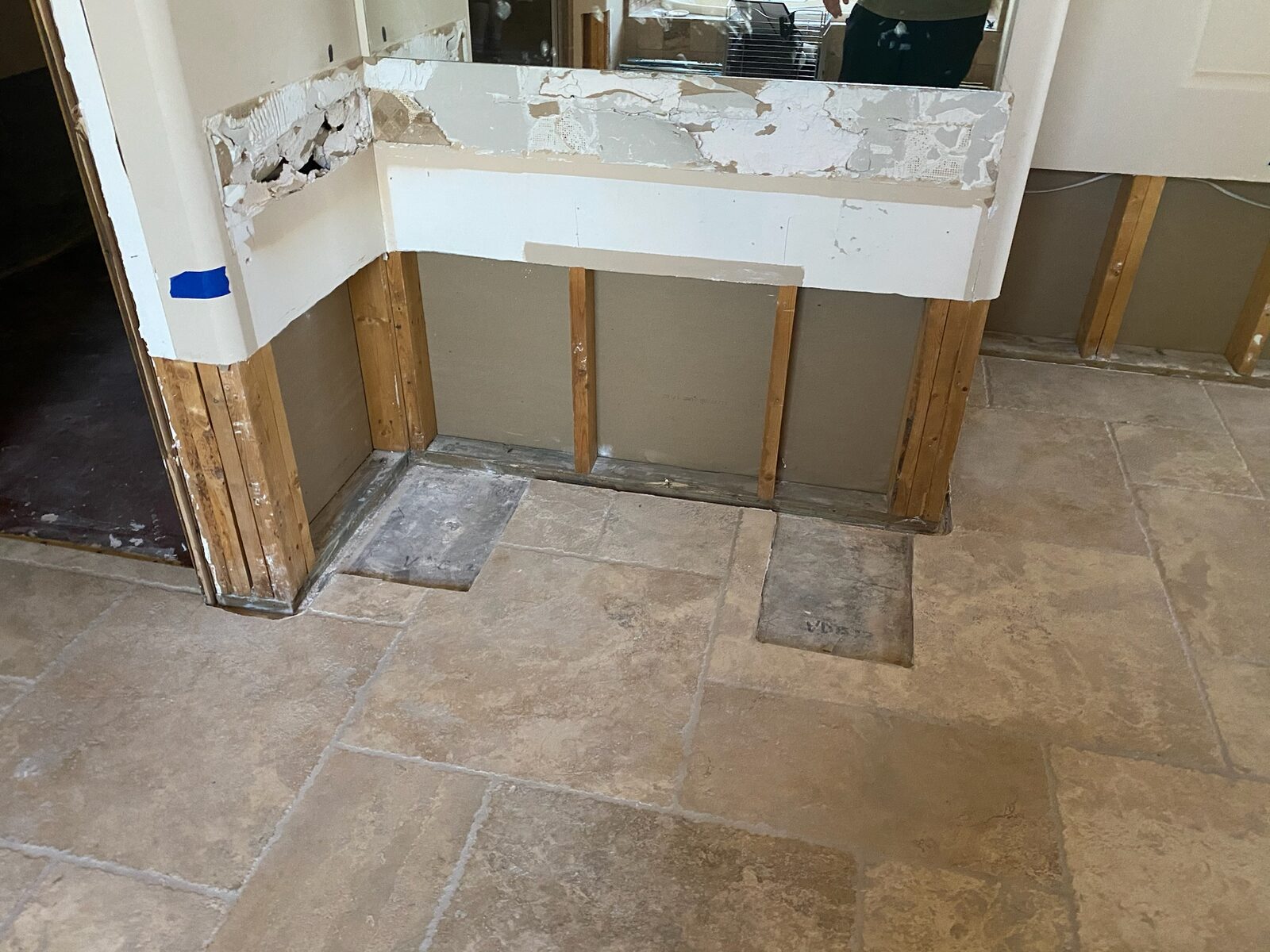
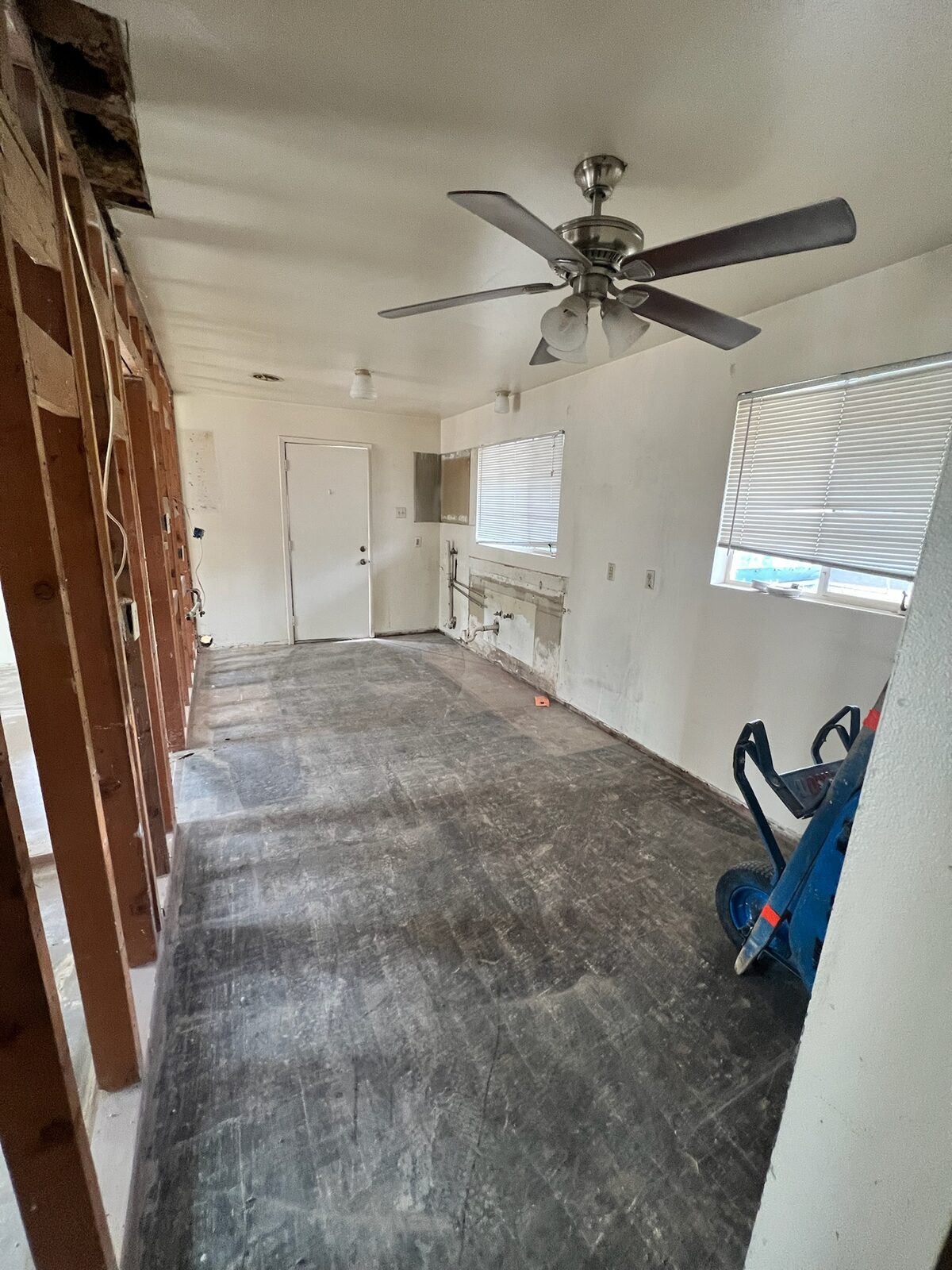
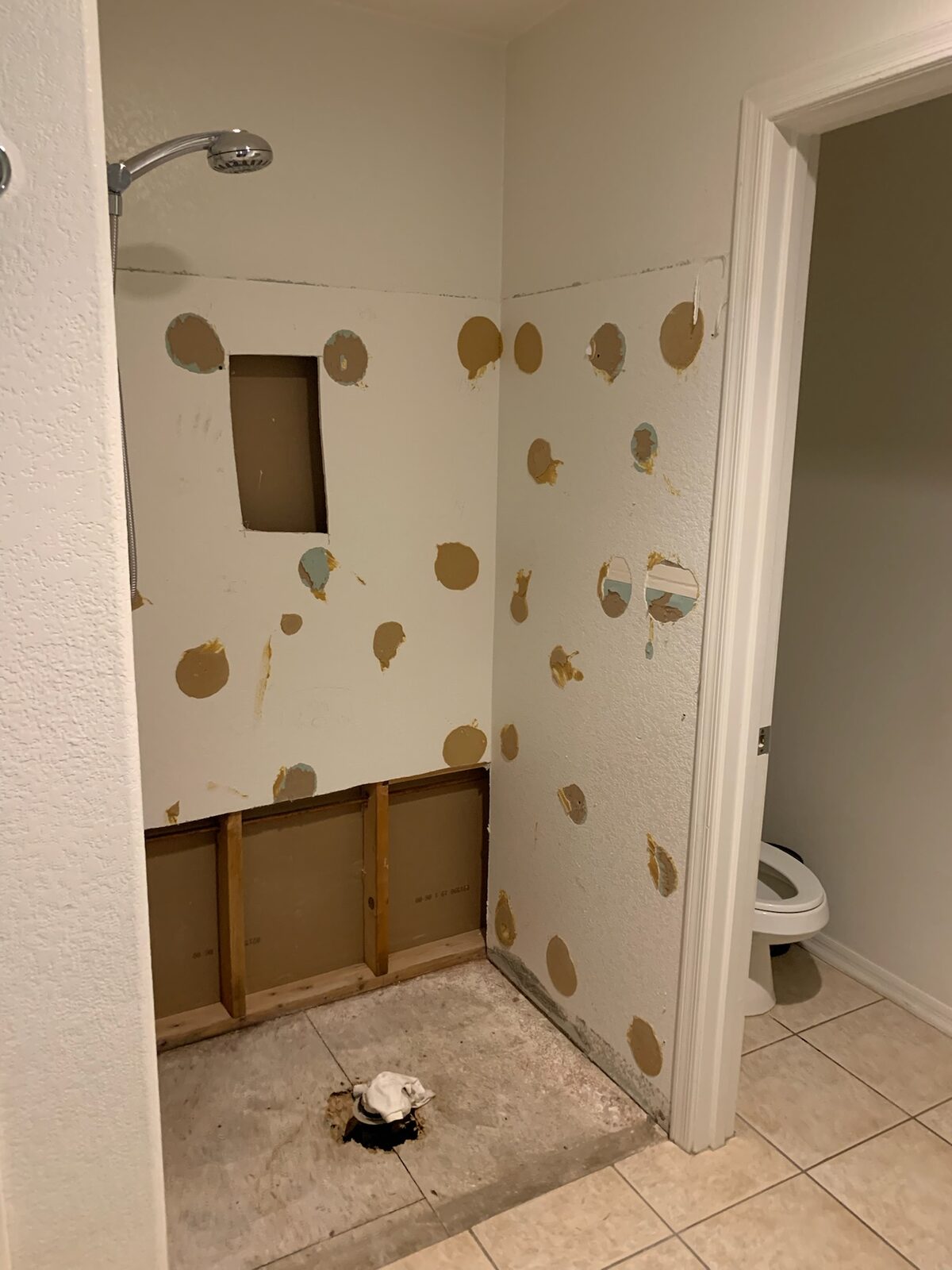
Residential reconstruction work by members of our team. See the full gallery →
More from Gold Water Fire
Fire Damage Restoration in Apache Junction, AZ
Fire and smoke damage restoration for Apache Junction homes, from board-up and soot cleanup through rebuild. Gold Water Fire, AZ ROC #264344. Call (480) 999-3339.
Reconstruction & Rebuild in Apache Junction, AZ
Rebuilding a damaged Apache Junction home after water or fire: framing, drywall, stucco, cabinets and flooring put back by Gold Water Fire. Call (480) 999-3339.
Water Damage Restoration in Apache Junction, AZ
Water damage restoration for Apache Junction homes, from slab leaks and monsoon flooding to failed water heaters. Call Gold Water Fire at (480) 999-3339.
Call when you are ready to hand part of this off
Call (480) 999-3339 or email Help@goldwaterfire.com and tell us what happened and where in Buckeye you are. We will walk through what needs to happen first, what your insurance is likely to ask for, and what we can take off your hands.
Call (480) 999-3339Fire Damage Restoration · Water Damage Restoration · Reconstruction & Rebuild · About Gold Water Fire · Contact Us